 A special thank you to Ms. Lob's Kindergarten class for giving the book a
special touch. Thank you to Ms. Lob for your help and support in making this
book and allowing me to work with your students.
This book was created and published on StoryJumper™
©2014 StoryJumper, Inc. All rights reserved.
Publish your own children's book:
www.storyjumper.com

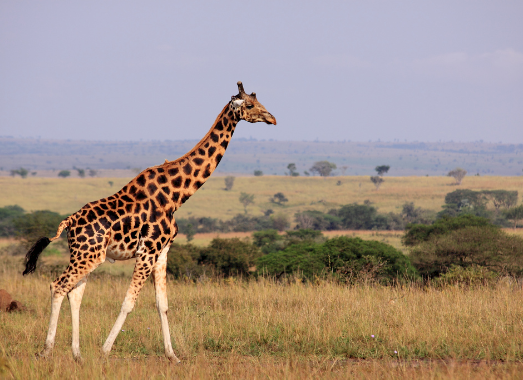
West African Giraffes
Written and Illustrated by
Melissa Cuza and
Ms. Lob's Kindergarten class

You've seen a giraffe in the zoo, but do you
know about the West African giraffe? The West
African Giraffe is one of the nine types of
giraffes known to man. The gentle animals will
take you through a journey to learn everything
you need to know about them from A to Z.
 A
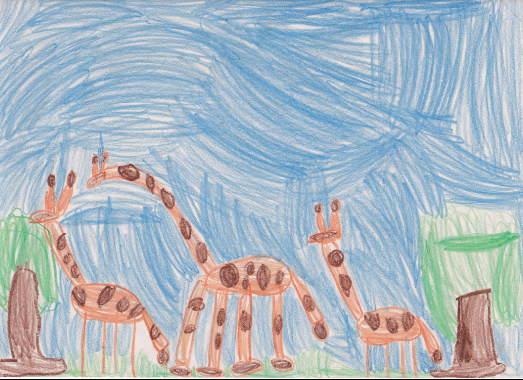
AThe West African Giraffe as its name says is found
in Africa. They are also known as Nigerian giraffes
because most are found in Nigeria.
The West African Giraffe, like its name says is found
in Africa. It is also known as the Nigerian giraffe
because most are found in Nigeria.
 B
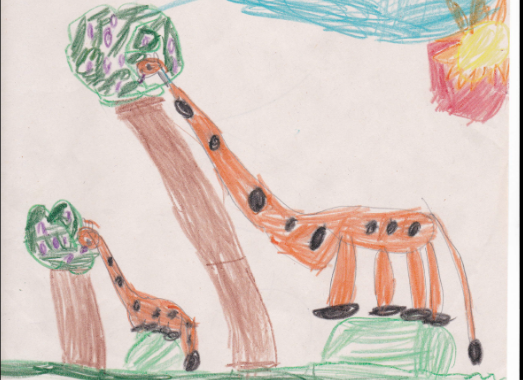
BGiraffes are known for their
big, long necks. They use
them to reach for food
where other animals can't.
 C
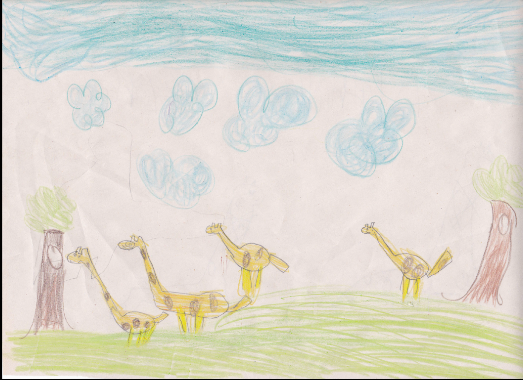
CWest African Giraffes have different color
spots. Male giraffes are known for changing
from light brown to dark brown as they get
older.
 D
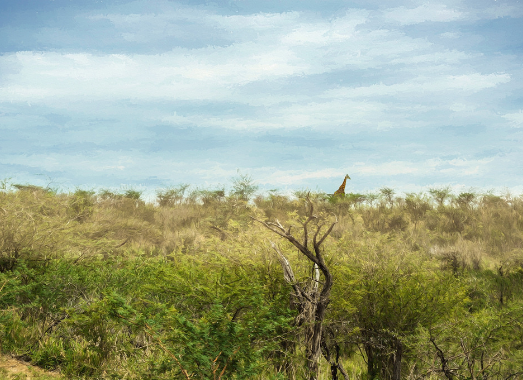
DWest African Giraffes live in a variety of habitats
such as deserts, the savannas and areas of
dense forest. They live anywhere that has food
and water.
 E
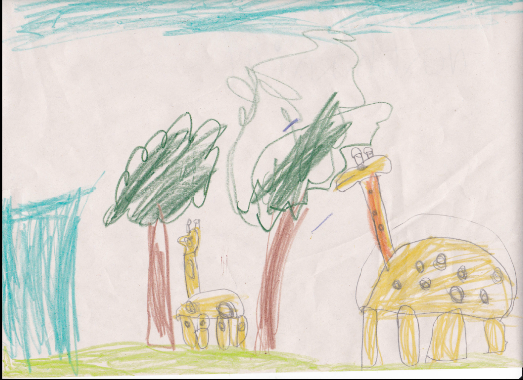
EThese giraffes will live in a place for a little bit
and move on to a new place to find more food
and water. They don't eat everything in one
place so more trees and plants can grow.
 F
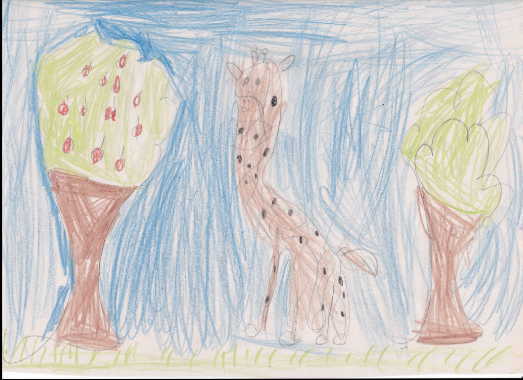
FIn the future, the giraffes could go back to
these areas for more food. Anywhere with
plants can be a temporary habitat for them.
 G
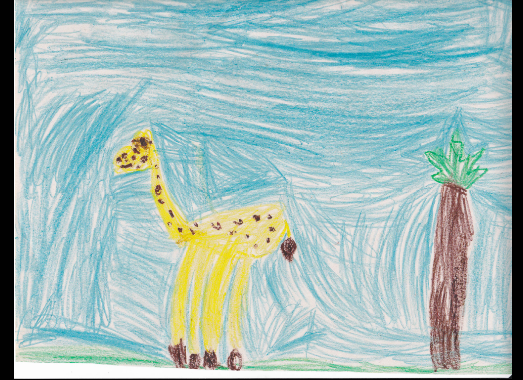
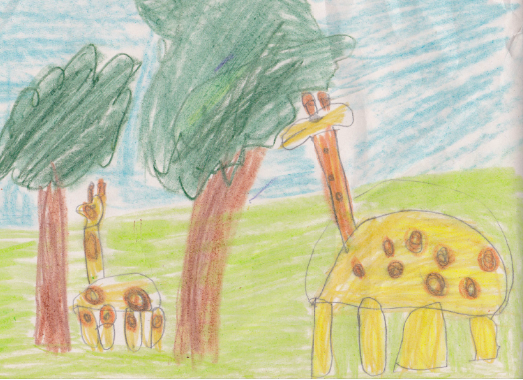
GThe West African Giraffe has unique spots, like
human fingerprints. No two giraffes have the
same spot pattern.
 H
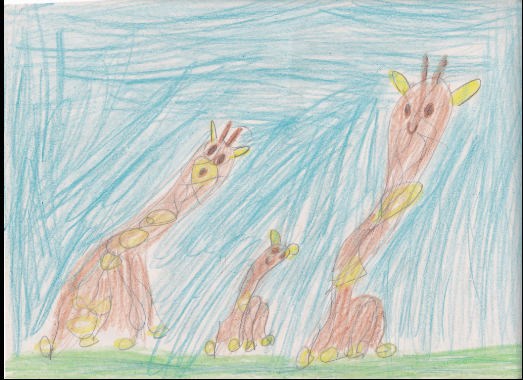
HEven their horns are different. Males have long,
thick, bald horns while the females have small,
thin hairy horns like knobs.
 I
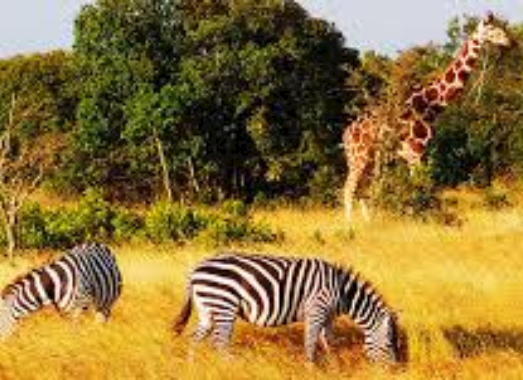
IGiraffes are very interactive animals, they could
have about 15 members in their herd.
 J
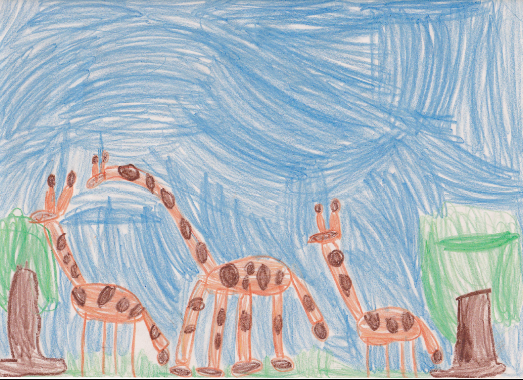
JWest African Giraffes don't
just interact with each
other, they interact with
other animals such as
birds, zebras and
wildebeest.
 K
KGiraffes keep each other safe by warning each
other of danger. Other animals feel safe around
giraffes.
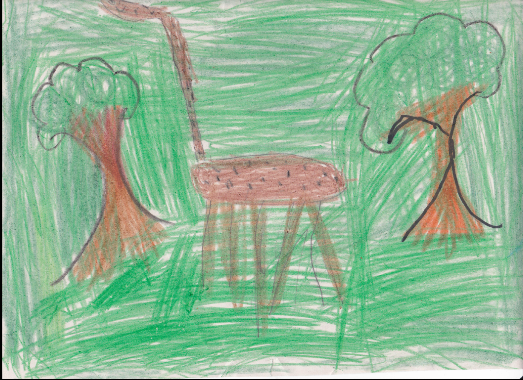 L
LAs kind as the West African Giraffe can be, the males
can become aggressive when fighting for
leadership in their herd.
MThe males will also fight for mates in their herd.
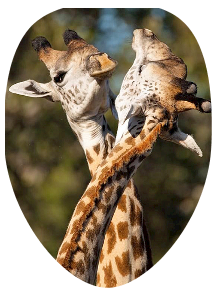 N
NThey fight by swinging
their necks in a process
called "necking." Their
fights will only last for a
few minutes until one
walks away.
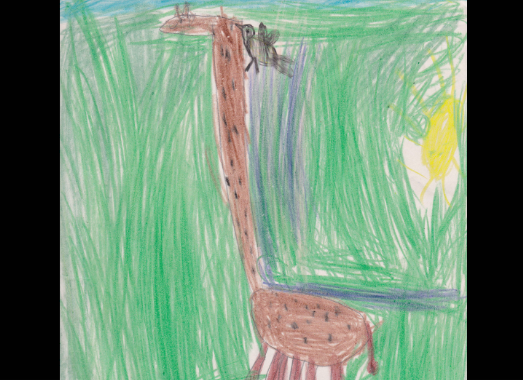 O
OGiraffes have a
close relationship
with birds called
oxpeckers
which eat the
ticks off the
giraffes fur. This
takes care of
them very well.
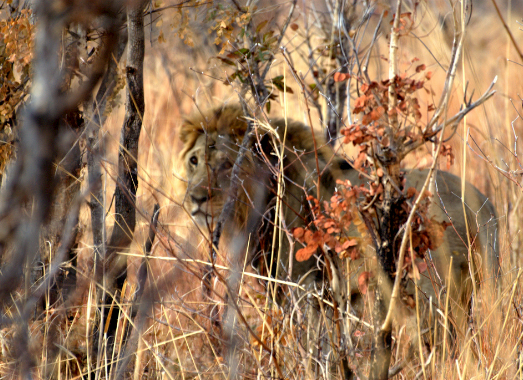 P
PThe West African
Giraffe has to worry
about predators.
Their main
predators are lions,
but baby giraffes,
or calves, have to
worry about being
hunted by leopards,
spotted hyenas,
African wild dogs,
and crocodiles.
 Q
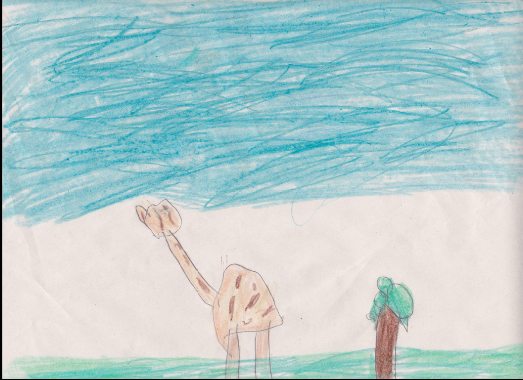
QGiraffes are believed to be quiet animals, but
they actually communicate through snorting
and moaning sounds. This is how they warn
other animals of potential danger.
 R
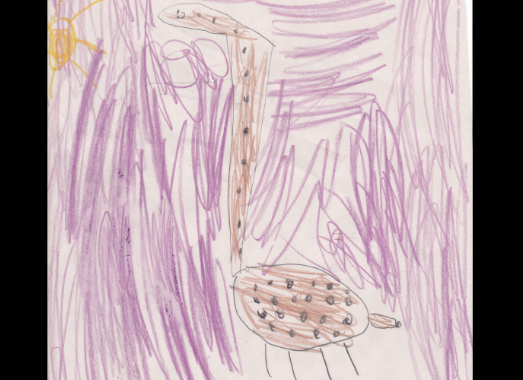
RWhen giraffes
need to escape a
predator they can
run as fast as 35
miles per hour,
but can only run
for short periods
of time.
You've previewed 21 of 32 pages.
To read more:
Click Sign Up (Free)- Full access to our public library
- Save favorite books
- Interact with authors


- < BEGINNING
- END >
-
DOWNLOAD
-
LIKE(3)
-
COMMENT()
-
SHARE
-
SAVE
-
BUY THIS BOOK
(from $6.39+) -
BUY THIS BOOK
(from $6.39+) - DOWNLOAD
- LIKE (3)
- COMMENT ()
- SHARE
- SAVE
- Report
-
BUY
-
LIKE(3)
-
COMMENT()
-
SHARE
- Excessive Violence
- Harassment
- Offensive Pictures
- Spelling & Grammar Errors
- Unfinished
- Other Problem





COMMENTS
Click 'X' to report any negative comments. Thanks!