 I dedicate this book to Mrs. Fernandez's classroom.
This book was created and published on StoryJumper™
©2015 StoryJumper, Inc. All rights reserved.
Publish your own children's book:
www.storyjumper.com

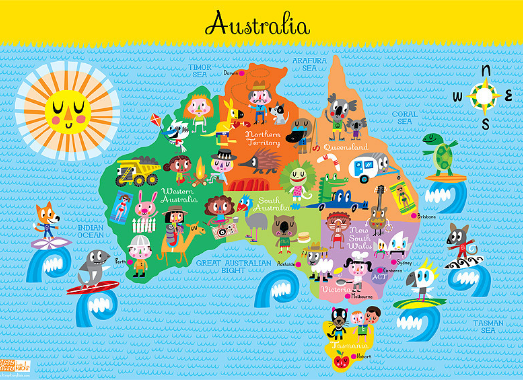 Table of ContentsA: Australia 4 Q: Queensland 20
B: Bush Tomato 5 R: Rainfall 21
C: Central Lowlands 6 S: Summers 22
D: Dry Lowlands 7 T: Tasmania 23
E: Emus 8 U: Uluru 24
F: Fraser Island 9 V: Vast Land 25
G: Great Brarrier Reef 10 W: Western Plateau 26
H: Harbour Bridge 11 X: Xantippe 27
I: Indian ocean 12 Y: Yasi 28
J: Jimbour 13 Z: Zehan 29
K: Kangaroos 14
L: Latrodectus hasseltis 15
M: Mount Kosciuszko 16
N: Nullarbor Plain 17
O: Outback 18
P: Platypus 19
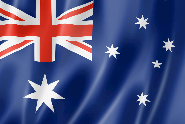
 A aAustralia
Australia is the sixth-
larger country in the
world. It has a
population of 21.7
million inhabits. The
country lies in the
Southern Hemisphere.

 B b
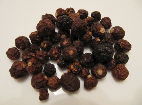
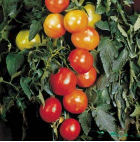
B bBush Tomato was an import
fruit for Aboriginal people. It
looks like a small green tomato
and grows on a low pickly
shrub. In the heat of the
summer, bush tomatoes dry on
the bush into sweet "raisins".
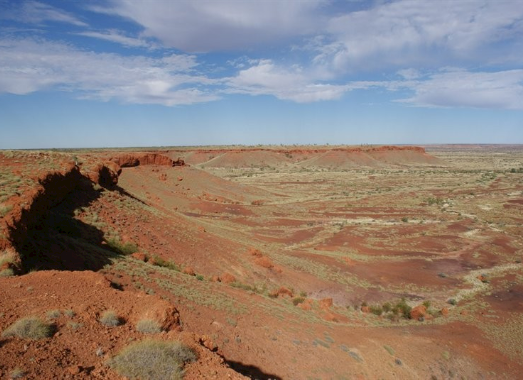
Central Lowlands is an area remarkable for what
lies beneath it. Beneath it there is a vast
underground stores of water. Farmers use
windmills to pump this water to the surface to
help grow the crops.
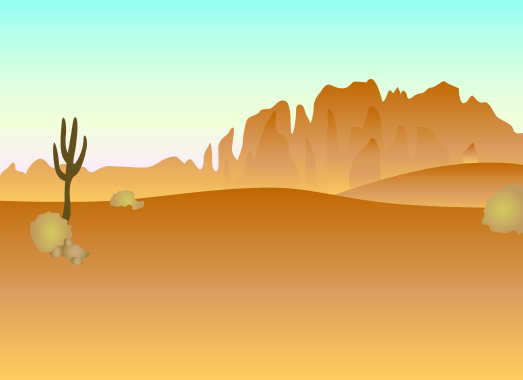
Much of Australia, especially the central region, is very
dry. Because the land is so dry, Australian population
lives near the coast. Very few people live in the dry
central desert of Australia

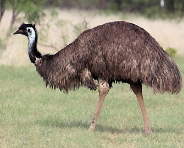 E eEmu
Emu is a common
Australian bird which
stands more than five feet
tall. These birds can't fly
but they can run at great
speeds. They have small
heads, long necks, and
powerful legs.
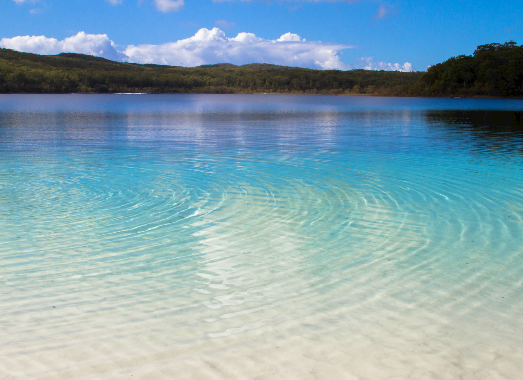 F f Fraser IslandFraser Island is a protected area and the world's
 largest sand island. It is located along the
southern coast of Queensland. It is the world's
largest sand island.
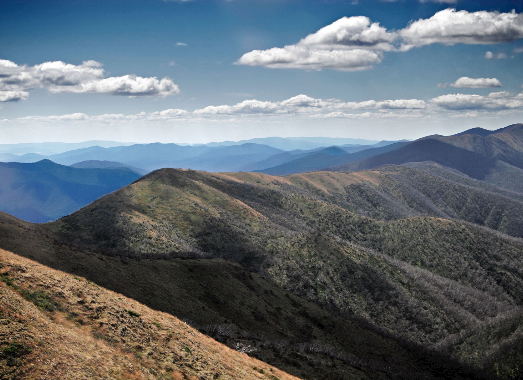 G gGreat Dividing RangeGreat Diving Range were called highlands
 since they were an obstacle blocking settlers'
exploration of the lands farther to the west. It is
one of Australia's most important geographical
features.
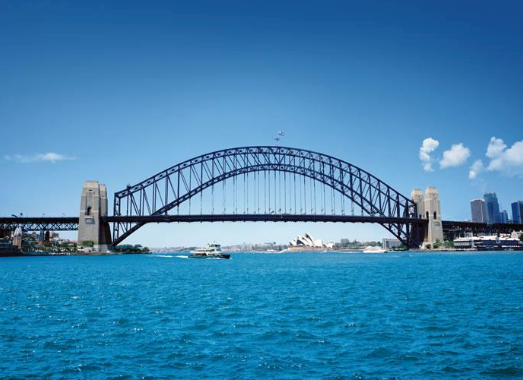 H hHarbour BridgeHarbour Bridge carries rail, vehicular, bicycle, and
pedestrian traffic between the Sydney central business
district and the North Shore. Today it carries eight
traffic lanes and two railroad lines.
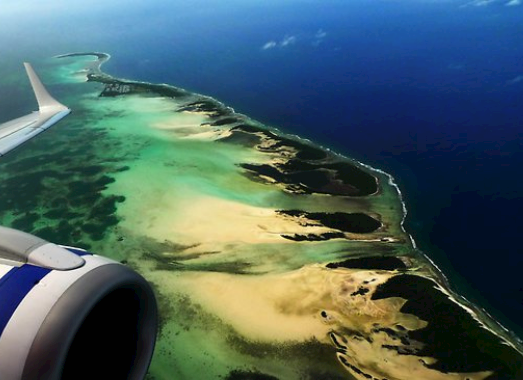 I iIndian OceanIndian Ocean lies to the west and
 south of Australia and it's the third
largest of the oceanic divisions.
It covers approximately
20% of the water on
the Earth's surface.
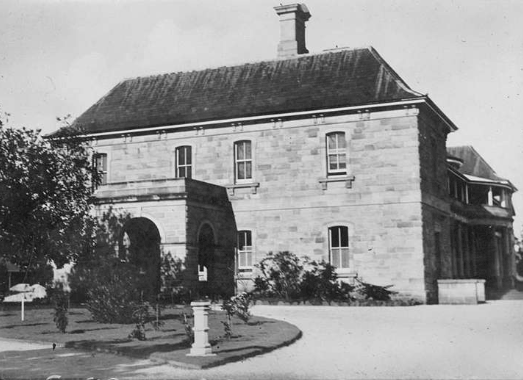 JimbourJ jJimbour is a tiny town and the location of one of the
 nation's most gracious historical homes located in the
norther Darling Downs, Queensland.


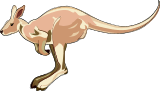 K kKangaroosKangaroos have very large back feet with strong muscles
that enable them to hop. They move by hopping on their
powerful hind legs and they can leap distances as far as
30 feet in a single effort.Their huge back legs are
remarkably strong.
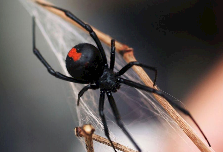 L lLatrodectus hasseltiAlso known as a tiny red-back spider,
is highly toxic and spins its small web
in dark places. It is responsible for the
large majority of serious spider bites
in Australia.
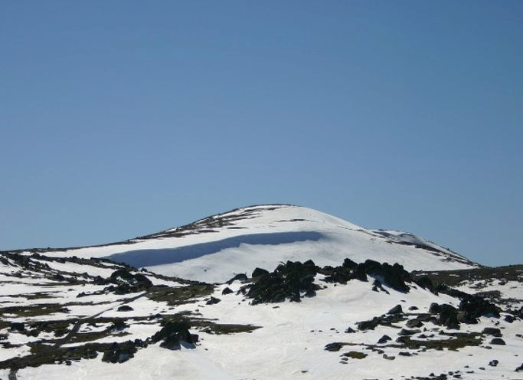 M mMount KosciuszkoIt is the highest point in Australia. It lies in the southern part of the
 Eastern Highlands and it is part of the Great Dividing Range.The
Mount Kosciuszko area is the coldest and snowiest part of
Australia, which is mostly an arid and hot continent. Snow covers
the mountain from June through October.
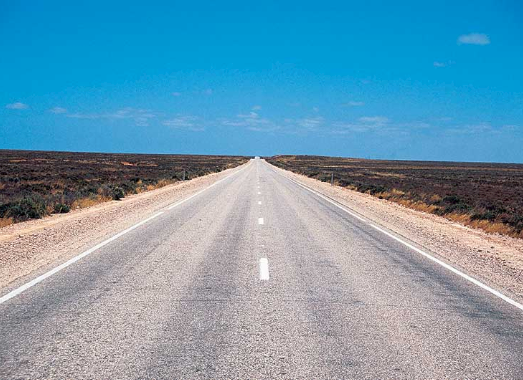 N nNullarbor PlainIt is one of the deserts in the Western Plateau.
 Nullarbor was derived from the Latin word nullus arbor
which means "no tree" in reference to its
treeless landscape. Travelers can cross by car or on the
Trans- Australian Railway.
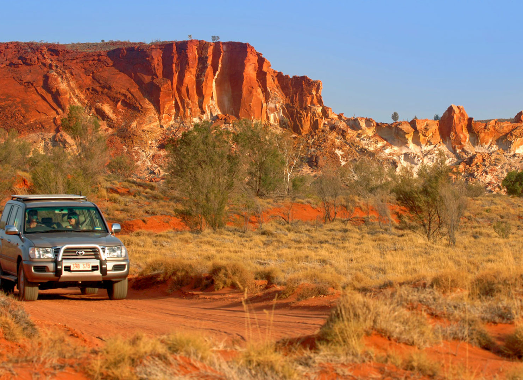 O oOutbackThe outback contains the country's
 largest deserts. Large areas of these
deserts are very infertile,and little grows
in them. Daytime summer temperatures
are really hot and there is little
water.The outback is one of the
most important mining regions.
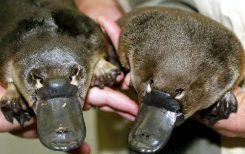 P pPlatypusThe platypus is one of two animals, the other being the echidna, in a group
 of animals unique to Australia. These are mammals that lay eggs and
produce milk for their young. Their bodies are covered with fur but it
has a bill and webbed feet like duck's.
You've previewed 19 of 29 pages.
To read more:
Click Sign Up (Free)- Full access to our public library
- Save favorite books
- Interact with authors


- < BEGINNING
- END >
-
DOWNLOAD
-
LIKE(9)
-
COMMENT()
-
SHARE
-
SAVE
-
BUY THIS BOOK
(from $5.79+) -
BUY THIS BOOK
(from $5.79+) - DOWNLOAD
- LIKE (9)
- COMMENT ()
- SHARE
- SAVE
- Report
-
BUY
-
LIKE(9)
-
COMMENT()
-
SHARE
- Excessive Violence
- Harassment
- Offensive Pictures
- Spelling & Grammar Errors
- Unfinished
- Other Problem





COMMENTS
Click 'X' to report any negative comments. Thanks!