This book is dedicated... Mrs. Hudson

Created & published on StoryJumper™ ©2026 StoryJumper, Inc.
All rights reserved. Sources: storyjumper.com/attribution
Preview audio:
storyj.mp/ag3enmv72siq
Table of Contents
CH. 1: Understanding ASCVD
4- ch 1
5-Ubderstanding ASCVD
6-What organs are affected and how
7-pictures
8-CH2
9-Electrolyte imbalance
10-Obesity
11-pictures
12-hypertension
13-diabetes
14-renal impairment
2
15-CH 3
16- what is COPD
17-What organs are affected and how
18-pictures
19-CH 4
20-electrolyte imbalance
21-obesity
22-picture
23-hypertension
24-diabetes
25-renal impairment
26- steps to prevent electrolyte imbalance
3
27- steps to prevent obesity
28- steps to manage obesity
29- steps to prevent hypertension
30- steps to manage hypertension
31-steps to prevent diabetes
32-steps to manage diabetes
33-steps to prevent renal impairment
34-steps to manage renal impairment
35-glossary
4
Chapter One
Understanding ASCVD
5
Understanding ASCVD
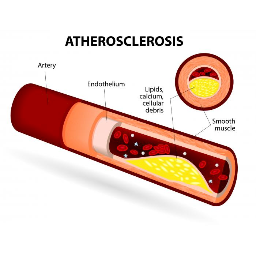
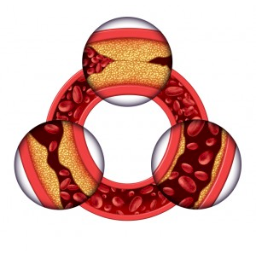
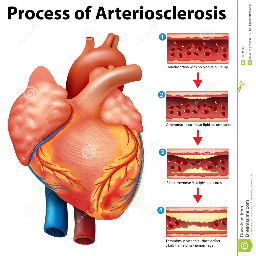
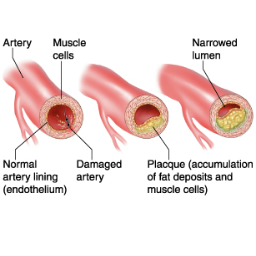
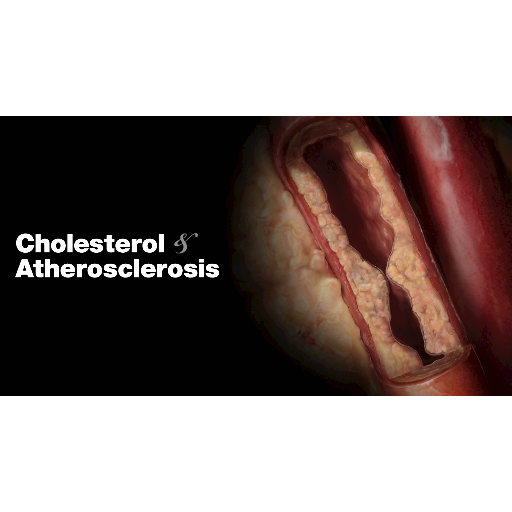
- ASCVD (arteriosclerotic cardiovascular disease) is the main cause of heart attacks and strokes, due to the build up of sticky cholesterol-rich plaque. This plaque can harden over a course of time, which results in the arteries narrowing. This is dangerous because the arteries serve as a passage way of oxygenated blood to the body. If the arteries are narrowed then not enough blood can go through the arteries or no blood at all can go to the body. This begins when the endothelium (the thin layer that lines the arteries and worked to keep the inside of the artery smooth and toned) is damaged. This damage can be caused by high blood pressure, smoking, or high cholesterol. When cholesterol crosses the endothelium it can build up creating plaque that causes blood blockage to the body. This process begins with atherosclerosis which then leads to arteriosclerosis.
6
What organs are affected by ASCVD?
ASCVD can affect most of the organs in the body depending on where the artery blockage is located. For example, if the Renal Arteries, which deliver blood to the kidneys get blocked, one might experience kidney failure. If the Coronary Arteries, which supply blood to the heart are blocked by an embolus a blood clot or by the plaque formed in atherosclerosis, which blocks the oxygenated blood from going to the heart. It is then possible to have a myocardial infarction (MI/heart attack) as a result. A myocardial infarction is This is caused when a thrombus (piece of plaque that has fallen off) floats through the arteries, which can then get stuck in the already narrowed arteries making it an embolus at that point. Once the embolus is stuck it stops blood flow to any organ. As you can see arteries lead to all of the vital organs in the body and with that said, if they get blocked or stiffened the organ they lead to an experienced secondary trauma.
7
Atherosclerosis over time
8
Chapter Two
How Complicating Conditions Affect ASCVD
9
Electrolyte Imbalance
Electrolyte imbalance is caused by the loss of body fluids. For example, vomiting, sweating, or high fever. Electrolyte imbalance relates to ASCVD by affecting potassium, calcium, magnesium, sodium, and glucose in harmful way. Hypocalcemia, the calcium level in blood can be cause irregular heart beats, which can cause heart blockages
10
Obesity
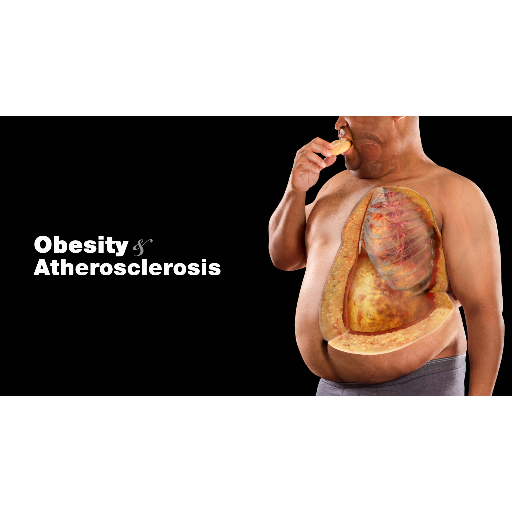
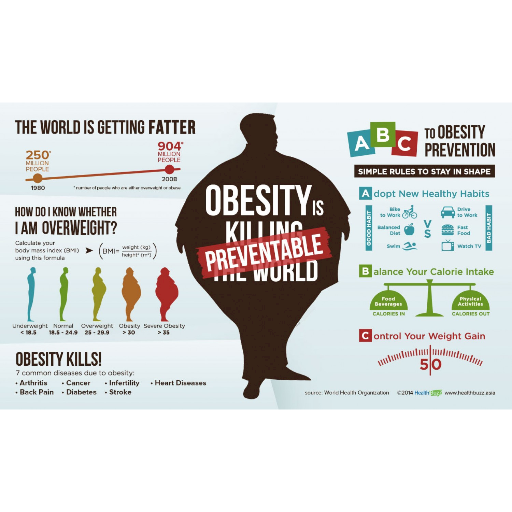
Obesity is the condition of being overweight and can result in high cholesterol and excess fat lining the artery. This adds to the risk factors of ASCVD and/or can cause ASCVD as well. Having high amounts of cholesterol is one of the many reasons how the endothelium can be damaged. Once the endothelium is damaged cholesterol is deposited forming a plaque that overtime can harden, resulting in a narrowed lumen (inner part of the artery/tube), which can increase blood pressure by hindering blood flow. Having excess fat lining the artery causes it to not work as well as it should, and having that on top of the plaque would double the risk of in proper blood flow. Some other factors that go along with obesity is the decrease of HDL (good cholesterol) and increase in LDL (Bad cholesterol). This is due to an unhealthy diet as well as lack of exercise.
11
12
Hypertension
Hypertension (increased blood pressure) increases the outward pressure on the arterial wall, which can lead to endothelial damage. This constant force against the artery eventually can rupture the lining of the artery which allows for the plaque build up which narrows the artery's lumen. Having a narrowed artery/lumen increases the pressure because it is still the same amount of blood being pumped through the artery.
13
Diabetes
Diabetes a metabolic disease in which the body’s inability to produce any insulin causes elevated levels of glucose in the blood. It leads to the formation of advanced glycation, which is the result of covalent bonding with fructose or glucose, without the controlling action of an enzyme, proteins that act as catalysts (easier for reaction to happen) and help complex reactions occur everywhere in life.
14
Renal Impairment
Renal impairment promotes development of atherosclerosis through several pathways. Those include worsening hypertension, insulin resistance, and decreased apolipoprotein A-I levels; and increased lipoprotein(a), homocysteine, fibrinogen, and C-reactive protein levels.
15
Chapter Three
Understanding COPD
16
What is COPD?
Chronic obstructive pulmonary disease (COPD). It is a serious lung disease that makes it harder to breathe. Both bronchitis and emphysema are considered to be COPD. With COPD, your lungs do not work as well as they used to and you find it more and more difficult to breathe. COPD damages the airways in your lungs and leads to shortness of breath, impacting your work, exercise, sleep and other everyday activities. COPD can develop through smoking, being exposed to pollutants, dust, chemicals or it can be genetically passed down.
17
What organs are affected by COPD?
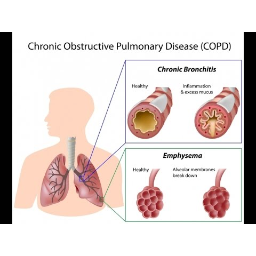
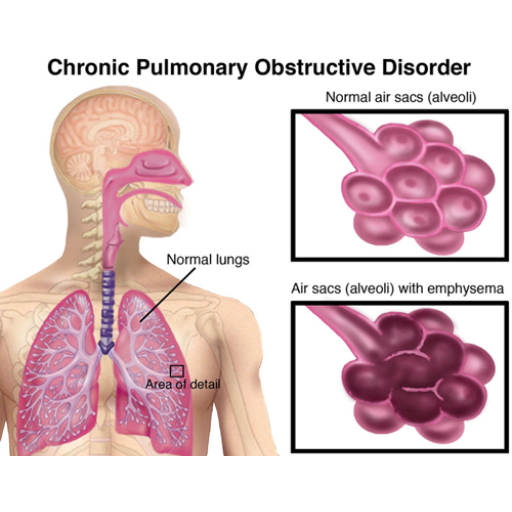
COPD mainly affect the lungs and the respiratory system. In healthy lungs, air and oxygen pass through the upper respiratory tract and into the bronchioles and the alveoli (tiny hollow sack-like structures where oxygen is absorbed in to the bloodstream) However, long-term inhalation of smoke or other irritants results in a loss of elasticity in the bronchioles and alveoli, destruction of the walls between alveoli, and swelling and infection. It can also cause an abnormal amount of mucus production, which can block airways. The lungs are the stopping point where oxygenated blood is dropped off and oxygenated blood is picked up and if there is damages or blockages this transfer cannot occur.
18
19
Chapter Four
How complicating conditions affect COPD
20
Electrolyte Imbalance
Many patients with COPD are not able to normally release a water load and this is due to low levels of sodium and potassium. Water retention and hyponatremia( conditions that occur when levels of sodium are low) are typically observed in the final stages of Chronic Obstructive Pulmonary Disease (COPD) and the onset of edema(a condition characterized by an excess of watery fluid collecting in the cavities or tissues of the body) is a poor prognostic factor. Sodium is an electrolyte, and it helps regulate the amount of water that is in and around your cells.
21
Obesity
Being obese involves having an over abundance of fat tissue, and impairs the breathing process. This can increase the chance of the having COPD. It has been associated with decreased lung-function , with increased prevalence of several lung diseases. Nutrient intake and dietary patterns have also been associated with lung-function measures and the development and progression of COPD. It is very dangerous to be obese and have COPD because both result in shortness of breath. However eating right and exercising can help with COPD and the seriousness of it.
22
23
Hypertension
Since the lungs are damaged, the amount of oxygen that goes to the blood is reduced. This produces high blood pressure in the blood vessels from the heart to the lungs, and makes it even more difficult for the heart to pump much-needed blood to the rest of the body. This lung disease can also cause the body to produce more red blood cells, which can make the blood thicker and harder to pump. The COPD and hypertension working together forces the person to breathe faster in order to take in more oxygen.
24
Diabetes
COPD was viewed as increasing the incidence of diabetes due to its effect on physiological changes like inflammation, resistance to insulin and weight gain. The presence of diabetes was seen to increase the occurrence of lung infections and worsen COPD symptoms causing an increase in flare-ups. Having high blood sugar results in the lungs not being able to expand and contract as well as they should with out the problem of high blood sugar.
25
Benefits:
- Full access to our public library
- Save favorite books
- Interact with authors
READ
storyjumper.com
- < BEGINNING
- END >
-
DOWNLOAD
-
LIKE
-
COMMENT()
-
SHARE
-
SAVE
BUY THIS BOOK (from $7.59+)
-
BUY THIS BOOK
(from $7.59+) -
BUY THIS BOOK
(from $7.59+) - DOWNLOAD
- LIKE
- COMMENT ()
- SHARE
- SAVE
- Report
Liked By
X
Encourage this author
-
BUY
-
LIKE
-
COMMENT()
-
SHARE
Problem with this book
X
- Excessive Violence
- Harassment
- Offensive Pictures
- Spelling & Grammar Errors
- Unfinished
- Other Problem
Which pages have problems?
Please describe the problem:
left text
right text
"All About ASCVD & COPD"
The book provides a detailed understanding of ASCVD and COPD, their complications, and preventive measures. It also discusses the impact of conditions like obesity, hypertension, diabetes, and renal impairment on these diseases.
(39 pages)
Privacy level:
PUBLIC
22 reads
Report





COMMENTS
Click 'X' to report any negative comments. Thanks!