
Created & published on StoryJumper™ ©2026 StoryJumper, Inc.
All rights reserved. Sources: storyjumper.com/attribution
Preview audio:
storyj.mp/aeugbuqumnfe
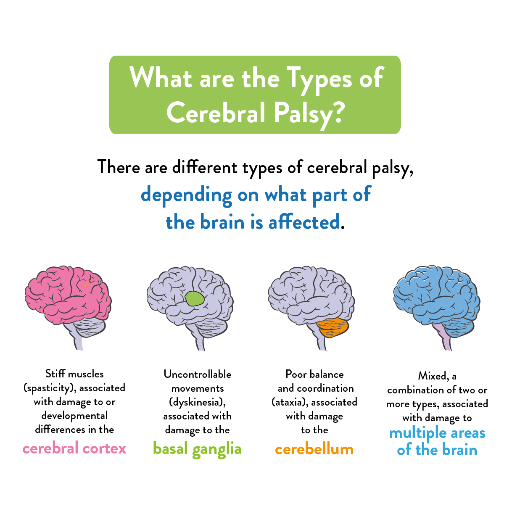
Cerebral Palsy is a neurological disorder that appears in infancy or early childhood and permanently affects the body movement, muscle coordination, and balance.
2
3
While it is not a hereditary condition, researchers have discovered that hereditary factors can predispose an individual to Cerebral Palsy.Individuals with Cerebral Palsy were most likely born with the condition, although some acquire it later. Birthing complications account for only a small percentage, an estimated 10 percent, of Cerebral Palsy cases. Current research suggests the majority of Cerebral Palsy cases result from abnormal brain development or brain injury prior to birth or during labor and delivery. Accidents, abuse, medical malpractice, negligence, infections, and injury are some known risk factors that may lead to Cerebral Palsy.
4
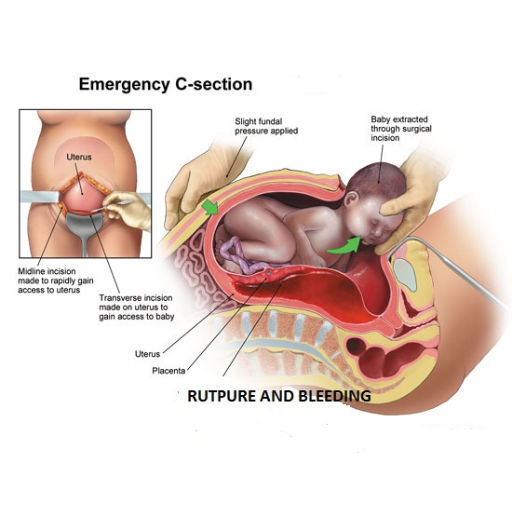
Viral infection during Birth may lead to Cerebral Palsy
5
Diagnosing Cerebral Palsy takes time. If the case is severe, the child may be diagnosed soon after birth, but for the majority, diagnosis can be made in the first two years.For those with milder symptoms, a diagnosis may not be made until the brain is fully developed at three to five years of age.
6
Early symptoms include:
- Delayed milestones such as:
- Controlling their own head movements
- Being able to rollover
- Reaching with one hand
- Sitting without support
- Being able to crawl
Being able to walk
7

Symptoms of the hands
8
Parents are first to notice their child has missed one of the age-appropriate developmental milestones.Confirming Cerebral Palsy can involve many steps. The first is monitoring for key indicators such as:
When does the child reach development milestones and growth chart standards for height and weight?
How do the child’s reflexes react?
Does it seem as if the child is able to focus on and hear his or her caregivers?
Does posture and movement seem abnormal?
9
Developmental Monitoring- Developmental monitoring means tracking a child’s growth and development over time. At each well-child office visit, the doctor monitors the child’s development.
Developmental Screening-During developmental screening a short test is given to see if the child has specific developmental delays, such as motor or movement delays.
Developmental and Medical Evaluations-The goal of a developmental evaluation is to diagnose the specific type of disorder that affects a child.
10
Some people with Cerebral Palsy can live on their own easily but others may require life-long medical care. As people with cerebral palsy age, they may experience long-term effects of chronic physical damage, such as:Increase in spasms,Increase in shortening of muscles, Joint problems, Tight muscles, Increase in back pain, Reduced energy levels.
11
Some Children with Cerebral Palsy may get irritated because they are always in a wheelchair and are not able to be independent. Some people try to find pride and positivity about having cerebral palsy.
12
Benefits:
- Full access to our public library
- Save favorite books
- Interact with authors
READ
storyjumper.com
- < BEGINNING
- END >
-
DOWNLOAD
-
LIKE(2)
-
COMMENT()
-
SHARE
-
SAVE
BUY THIS BOOK (from $3.79+)
-
BUY THIS BOOK
(from $3.79+) -
BUY THIS BOOK
(from $3.79+) - DOWNLOAD
- LIKE (2)
- COMMENT ()
- SHARE
- SAVE
- Report
Liked By
X
Encourage this author
-
BUY
-
LIKE(2)
-
COMMENT()
-
SHARE
Problem with this book
X
- Excessive Violence
- Harassment
- Offensive Pictures
- Spelling & Grammar Errors
- Unfinished
- Other Problem
Which pages have problems?
Please describe the problem:
left text
right text
"Cerebral Palsy"
This book provides information about cerebral palsy, including its causes, symptoms, diagnosis, and treatment options. It also suggests toys and activities that can help children with cerebral palsy improve their motor skills.
(20 pages)
Privacy level:
PUBLIC
241 reads
2 fans
Report





COMMENTS
Click 'X' to report any negative comments. Thanks!