Dedicated to Mrs. Hujer

Created & published on StoryJumper™ ©2026 StoryJumper, Inc.
All rights reserved. Sources: storyjumper.com/attribution
Preview audio:
storyj.mp/ag3dtx48c4yk
2
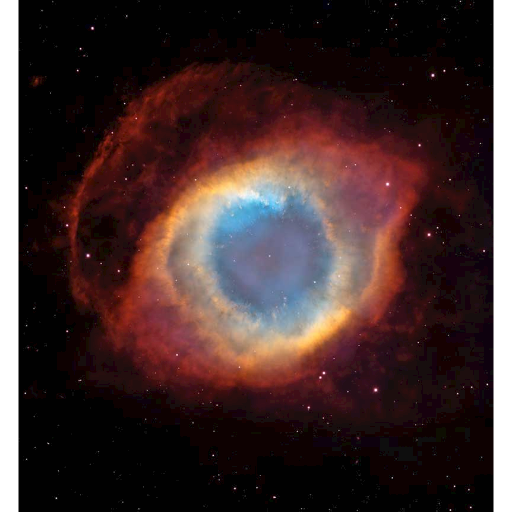
The big bang is the rapid expansion of matter from a state of extremely high density and temperature that according to current theorist, marked the origin of our universe. The big bang is believed to have taken place about 13.7 billion years ago.
3
4
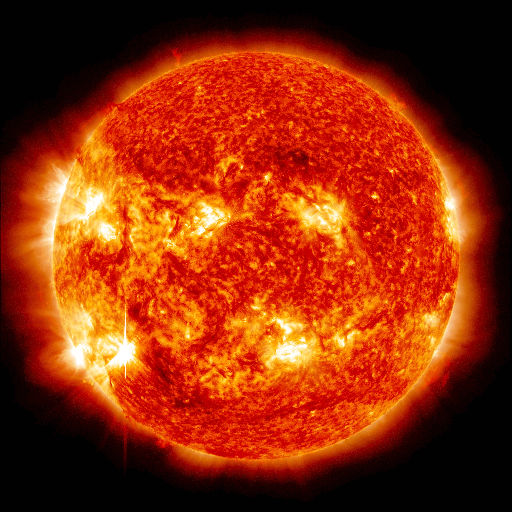
The Sun is the star at the center of our Solar System, and is the most important source of energy for life on Earth. The total distance from the Earth to the Sun is about 92.96 million miles, and has a surface temperature of about 5,778 K or 10,000 degrees Fahrenheit. The Sun is about 4.5 billion years old.
5
6
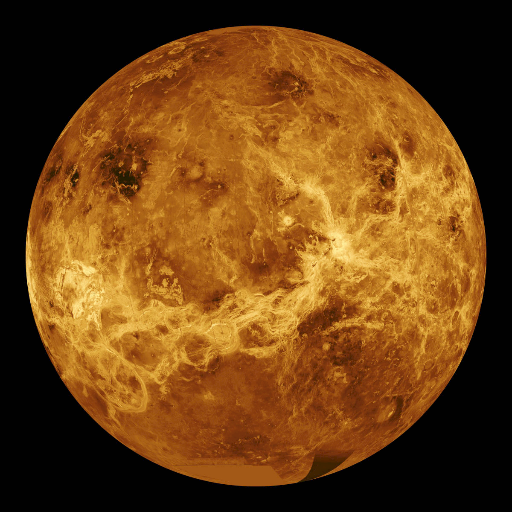
Mercury is the smallest planet in our Solar System and the closest to the sun. It has an orbital period of about 88 Earth days, which is faster than any other planet in our Solar System. The distance from the sun is about 35.98 million miles and its gravity is 3.7 m/s^2. The length of one day on mercury is equal to about 58.5 Earth days. Mercury has no moons.
7
8
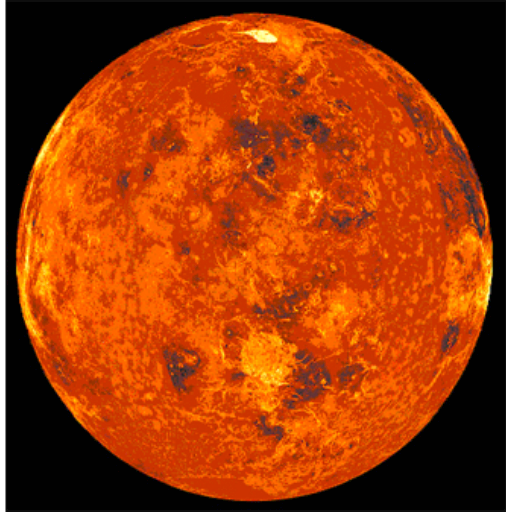
Venus is the second planet from the Sun, orbiting it every 224.7 Earth days. It has the longest rotation planet of any other planet in the Solar System and rotates in the opposite direction of most other planets in our Solar System. The distance from the Sun is about 67.24 million miles and the length of one day on Venus is about 116.5 Earth days. Venus' Gravity is about 8.87 m/s^2.
9
10
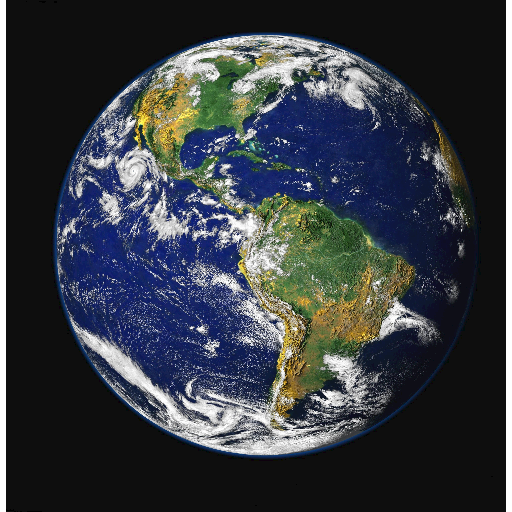
Earth is the third planet from the Sun, the densest planet in the Solar System, the largest of the Solar System's four terrestrial planets, and the only astronomical object known to harbor life. The Earth was believed to be formed about 4.5 billion years ago. Near the surface, an atmosphere that consists of 78 percent nitrogen, 21 percent oxygen, and 1 percent other ingredients envelops us. The Earth's surface is also covered by 70% water and 30% land. The Earth has one moon.
11
12
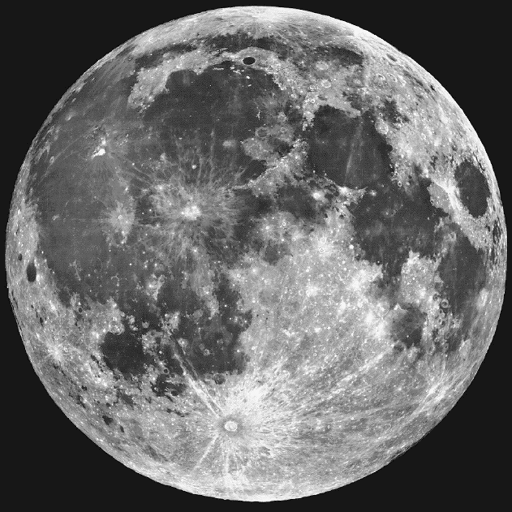
The Moon is the only natural satellite to rotate the Earth. Surface features consist of impact basins that are filled dark basalt rocks. It takes about 27 Earth days for the Moon to complete a complete orbit around the Earth. It rotates at the same rate and and orbits in the same direction as the Earth. This causes us only to see the one same side of the Moon at any point in time.
13
14
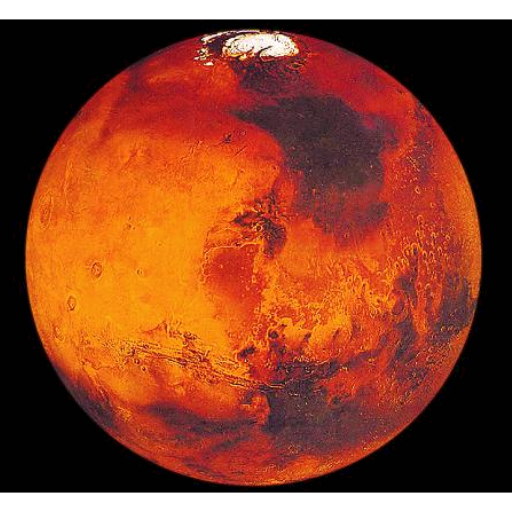
Mars is the fourth planet from the Sun and the second-smallest planet in the Solar System, after Mercury. One day on Mars is equal to 1 day and 40 min on Earth. It's distance from the Sun is about 141.6 million miles and has about 3.711 m/s^2 gravity. Mars has two different moons called Phobos and Deimos.
15
Benefits:
- Full access to our public library
- Save favorite books
- Interact with authors
READ
storyjumper.com
- < BEGINNING
- END >
-
DOWNLOAD
-
LIKE(1)
-
COMMENT()
-
SHARE
-
SAVE
BUY THIS BOOK (from $4.79+)
-
BUY THIS BOOK
(from $4.79+) -
BUY THIS BOOK
(from $4.79+) - DOWNLOAD
- LIKE (1)
- COMMENT ()
- SHARE
- SAVE
- Report
Liked By
X
Encourage this author
-
BUY
-
LIKE(1)
-
COMMENT()
-
SHARE
Problem with this book
X
- Excessive Violence
- Harassment
- Offensive Pictures
- Spelling & Grammar Errors
- Unfinished
- Other Problem
Which pages have problems?
Please describe the problem:
left text
right text
"Solar System & Earth Project"
An informative book about our solar system, including details about the planets, their characteristics, and other celestial objects.
(25 pages)
Privacy level:
PUBLIC
23 reads
1 fan
Report





COMMENTS
Click 'X' to report any negative comments. Thanks!