Table of Contents pg1
1) Table of contents 2-3) Respiratory System
4-7) Circulatory System 8-11) Digestive System
12-13) Excretory System 14-16) Muscular System
17-20) Respiratory System 21-23) Citations
24) Author Page 25-27) Rubric

Created & published on StoryJumper™ ©2026 StoryJumper, Inc.
All rights reserved. Sources: storyjumper.com/attribution
Preview audio:
storyj.mp/aiqs7i8sge39
Respiratory System
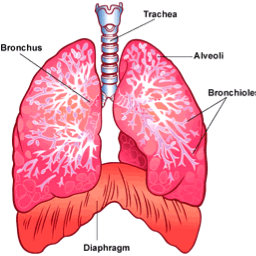
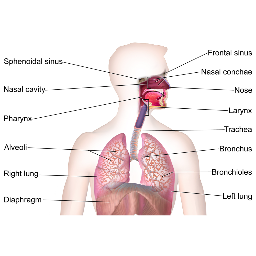
Function:To help you bring oxygen into your body by breathing so you can live and help most body systems in some way and to oxygenate your blood. In addition it takes out the toxins in the air you breathe, like carbon dioxide.
Parts: Nose- allows you to breathe air into and out of your body
Lungs- 2 large organs in your body used to breathe
Capillaries- small blood vessels
Alveoli-tiny air sacs
Bronchi- tubes leading to each lung
Trachea- windpipe
Diaphragm- dome shaped muscle under lungs
Cilia- tiny hairs in trachea
2
Fun Facts: https://www.youtube.com/watch?v=ps64D3Juv5A
Alveoli allow oxygen into your blood
When you exhale your diaphragm and muscles become relaxed
When you breathe in and out your body takes the heat from that air for body heat
The respiratory system allows you to do everyday things and without it you wouldn’t be alive
3
Circulatory System
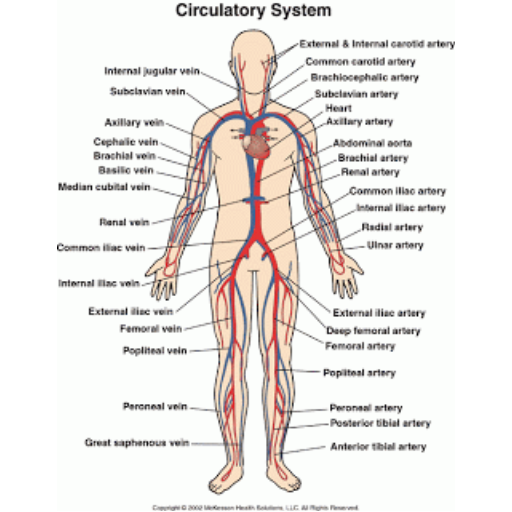
Function:To keep the blood flow flowing and pumping, throughout the body
Parts:
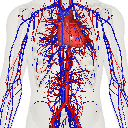
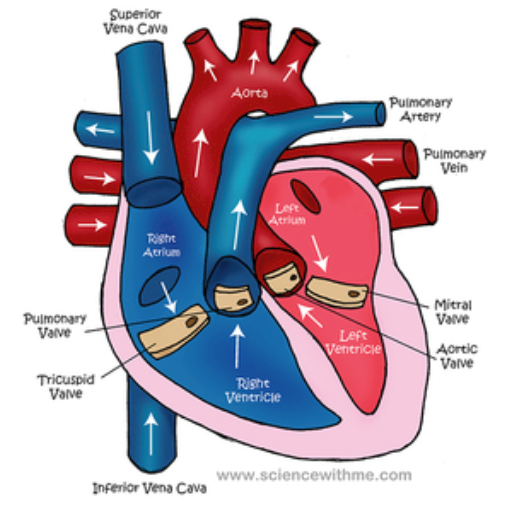
Heart- An organ that pumps blood throughout your body and keeps you alive and well
Blood vessels- a vessel or cell that carries blood to organs
Blood- red liquid that keeps you alive
Arteries-blood vessels that carry blood away from the heart
Capillaries-smallest blood vessels that give oxygenated blood to the arteries
Veins- blood vessels that carry blood ton heart most are non oxygenated
4
Fun Facts:When a blood vessel is damaged, a blood clot forms to stop the blood from leaking.
Blood carries oxygen and nutrients to the body
The heart contracts about 2.5 billion times in an average lifetime so that it can pump blood through body
Blood passes through right ventricle to pump blood into lungs so it can absorb or pick up more oxygen
Blood is made of plasma
Arteriosclerosis is a disease when the arteries with fatty deposits make the walls thicken and stiffen. This can stop blood flow and cause heart attacks or strokes
Cardiovascular diseases affect your circulatory system in many ways
5
Extra Circulatory pictures
6
7
Digestive System
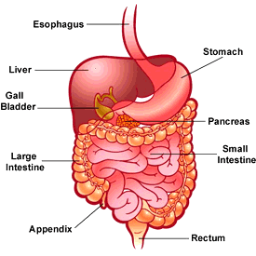
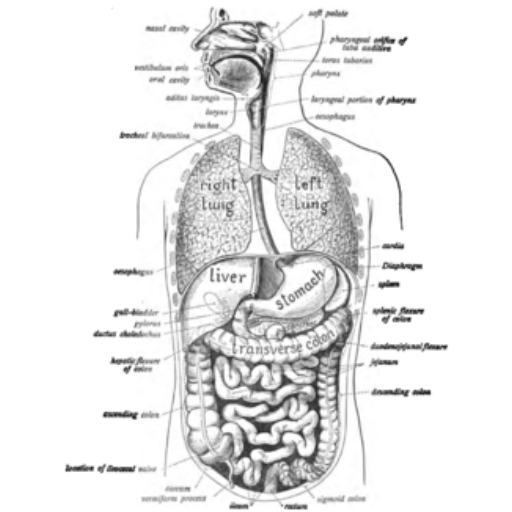
Function:The process of digestion helps break down your food so your body can absorb all the energy and nutrients from it, and then the other parts or waste are pushed through your body to eventually be released as feces.
Parts:Mouth- contains the teeth and is what allows you to chew and put food and liquids into
Esophagus- the tube that your food goes leading to the stomach, and can absorb some nutrients
Stomach- acids in here start to break up food and can take up to 2 days
Small intestine- a tube that the broken down food goes through and eventually nutrients will be absorbed into the gallbladder and pancreas
Large intestine- the last tube the waste goes through before it exits
8
Parts Continued:
Pancreas- A large gland behind stomach used to filter insulin and nutrients
Gall bladder- a sac under liver that holds and absorbs nutrients before the waste of it is released to the intestine
Colon- this is in large intestine and absorbs any nutrients left in the waste
Rectum- this is where the waste goes through and then finally out as feces through the anus.
liver- an organ in your body that processes amino acids
Fun Facts:Gastric juices/acids in the stomach are used to break up the food you swallow so more nutrients can be absorbed and waste can travel out faster.
A small intestine of an adult, is about 22 feet if it was stretched out
Drinking more water can help with digestion
The stomach has about three layers of muscles
9
Fun Facts Continued:When food goes in your mouth it is cooled or warmed until it reaches a good temperature for your body
In your esophagus your muscles relax and contract so food can move down.
Mechanical Digestion:Mechanical digestion is when you physically break down your food by chewing. Mostly occurs in mouth but muscles in stomach help break food down even more.
Chemical Digestion:Chemical Digestion is when chemicals or enzymes in the stomach break down food into smaller pieces and mostly occurs in stomach but can happen in intestines.
10
11
Excretory System
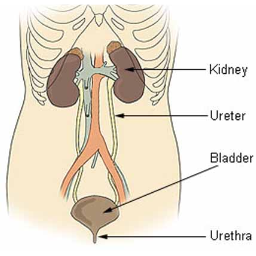
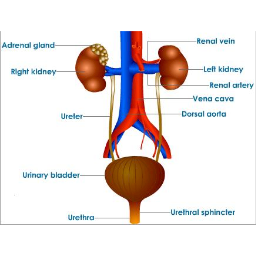
Functions:When toxic waste is built up in your body, your kidneys filter your blood to collect the waste and this waste stays in your bladder until you remove it from you as the form of urine.
Parts:Kidneys- pair of organs that take excess salt from food and also creates urine
Bladder- a sac in the body where urine is collected to be excreted
Ureter- the tubes that transfer the waste from your kidneys to bladder
Urethra- the small tube in which your urine comes out of
Liver- an organ that transfers extra amino acids in blood stream into useable nutrients
Lungs- removes carbon dioxide from body
12
Fun Facts:The capacity of urine your body can hold is about 16-24 ounces in an adult https://m.youtube.com/watch?v=TZMJeZL-BVg
Your bladder is about the same size of your brain
Too much waste build up or constipation can make you really sick and could eventually lead to death
Your left kidney is usually higher than your right kidney
Skin is part of this system because it releases waste by sweat coming out of your pores
13
Muscular System
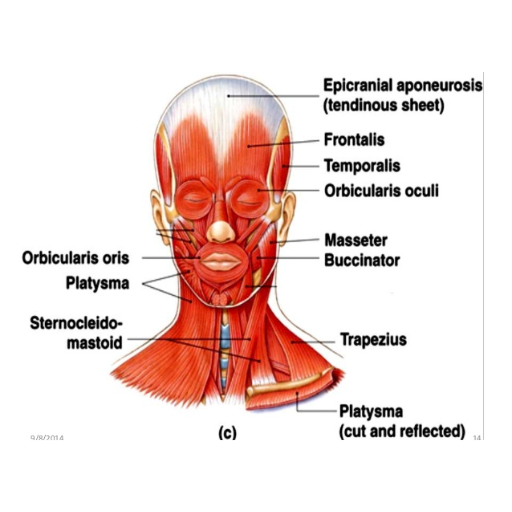
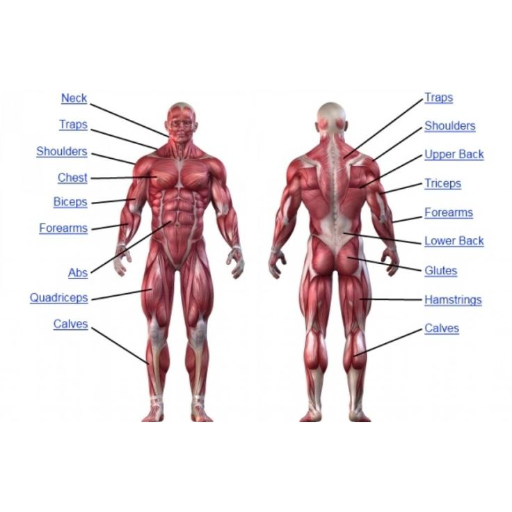
Function:The system that allows or does not allow movement of your skeletal, smooth, or cardiac muscles. It also circulates blood and helps maintain posture.
Parts:Skeletal Muscles- muscles that are attached to the bone that are voluntary/ can move your body/muscles
Cardiac muscles- y shaped muscles that are in the heart and help pump blood
Smooth muscles- involuntary muscles that don’t allow movement and you can not see the strings of the muscles
Tendons- a flexible type of cord that attaches muscle to bone
Joints- strong connections of cartilage
14
Fun Facts:Muscles are about 40% of your body weight
It takes half the amount to gain muscle then to lose it
The smallest muscle is in the ear
You take about 200 muscles to take a step
It takes 47 different muscles to make a frown and only 17 to smile
15
Respiratory system diseases
There are many different diseases that can affect your respiratory system in many ways. Three common ones are asthma, pneumonia, and Cystic fibrosis. Asthma is a chronic disorder when your bronchial tubes are narrowed and inflamed which is what allows oxygen in and out of your lungs. When you have this is causes you to have trouble breathing and have a cough that can be irregular. Symptoms of asthma include, coughing, wheezing, tightness in chest, and shortness of breath. If you have any of these symptoms ask your doctor about asthma and check if you have it. Some triggers of asthma include stress, extreme weather, exercise, and allergens. There are different treatments for asthma some long term and some short term. Here are some of the most common ways it is treated: inhaler (helps give you more air when you feel like you can’t breathe), allergy shots to prevent allergens from triggering your asthma, and bronchodilators which expand your bronchial tubes to improve breathing and is like an inhaler.
17
Benefits:
- Full access to our public library
- Save favorite books
- Interact with authors
READ
storyjumper.com
- < BEGINNING
- END >
-
DOWNLOAD
-
LIKE(1)
-
COMMENT()
-
SHARE
-
SAVE
BUY THIS BOOK (from $5.19+)
-
BUY THIS BOOK
(from $5.19+) -
BUY THIS BOOK
(from $5.19+) - DOWNLOAD
- LIKE (1)
- COMMENT ()
- SHARE
- SAVE
- Report
Liked By
X
Encourage this author
-
BUY
-
LIKE(1)
-
COMMENT()
-
SHARE
Problem with this book
X
- Excessive Violence
- Harassment
- Offensive Pictures
- Spelling & Grammar Errors
- Unfinished
- Other Problem
Which pages have problems?
Please describe the problem:
left text
right text
"Systems of the Human Body"
This is an informative text about the human body systems, including the respiratory, circulatory, digestive, excretory, and muscular systems. It provides detailed descriptions of each system's function, parts, and interesting facts.
(27 pages)
Privacy level:
PUBLIC
28 reads
1 fan
Report





COMMENTS
Click 'X' to report any negative comments. Thanks!