 Ancient History 2011
Mr. McLean
This book was created and published on StoryJumper™
©2010 StoryJumper, Inc. All rights reserved.
Publish your own children's book:
www.storyjumper.com


Judaism
Leader & Beginnings
Holy Writings & Guidelines
Beliefs/Influence of Beliefs
Christianity
Leader & Beginnings
Holy Writings & Guidelines
Beliefs/Influence of Beliefs
Hinduism
Leader & Beginnings
Holy Writings & Guidelines
Beliefs/Influence of Beliefs
Buddhism
Leader & Beginnings
Holy Writings & Guidelines
Beliefs/Influence of Beliefs
Islamic/Muslim
Leader & Beginnings
Holy Writings & Guidelines
Beliefs/Influence of Beliefs
Confucianism
Leader & Beginnings
Holy Writings & Guidelines
Beliefs/Influence of Beliefs
Table of Contents


Judaism
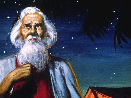
The leader of Judaism was Abraham.
1. 1800 B.C.
God commanded Abraham to move his people to Canaan.
2. 1800 B.C.
Abraham his family and their animals headed for Canaan.
3. 1650 B.C.
Abraham's descendants moved to Egypt.
4. 1300 B.C.
The Hebrews (Abraham's family) fled from Egypt in The Exodus. Led by
Moses.
5. 1020 B.C.
The Hebrews united under three kings, Saul, David and Solomon.
6. 922 B.C.
The kingdom divided in two, Israel in the north, and Judah in the south.
Hebrew Bible Includes:
Torah
The first five books of the Bible
Origins of humanity and Judaism
Basic laws of Judaism
Prophets
Stories by Jewish teachers
Stories about Jewish teachers
Divided into two groups: Former Prophets & Latter Prophets
Jewish history
Orders obedience and repentance
Talmud
Mishnah
Written version of Jewish oral law
Gemara
Explanations and Interpretations of the Mishnah
The Ten Commandments
10 laws given to Moses by God on Mount Sinai. Basis for Jewish law.
One God
The Hebrews believed that only one God existed, so they believed in
monotheism
The promised land of Canaan
God made a covenant (promise) that if Abraham followed his orders of taking
God's people to the promised land of Canaan, he would reward him greatly.
Ten Commandments
The Ten Commandment were God's 10 laws. These have been simplified.
1. God is the one and only God.
2. Do not idolize other things/gods
3. Do not take the name of the Lord your God in vain.
4. Keep the Sabbath holy
5. Honor your father and mother
6. Do not kill
7. Do not commit adultery
8. Do not steal
9. Do not lie against your neighbor
10. Do not want what your neighbor has


Christianity
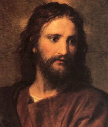
The leader of Christianity was Jesus.
6 B.C. Jesus was born in Bethlehem.
24 A.D. Jesus began teaching in public.
29 A.D. Jesus was beginning to be called Messiah, or
king.
The bible is the basis for Christianity teachings.
It includes:
The Old Testament-
Everything that happened before Jesus was born.
The New Testament-
Everything that happened while Jesus was living, told through the four gospels written
by disciples of Jesus; Matthew, Mark, Luke and John.
The Ten Commandments are the basic guidelines to follow.
1. God is the one and only God.
2. Do not idolize other things/gods
3. Do not take the name of the Lord your God in vain.
4. Keep the Sabbath holy
5. Honor your father and mother
6. Do not kill
7. Do not commit adultery
8. Do not steal
9. Do not lie against your neighbor
10. Do not want what your neighbor has
Christians believe that there is only one God, and that God
will love them no matter what they do, and that they will
have a personal relationship with God.
They believe that Jesus rose from the dead after three days,
and he will come again sometime to redeem the world.
Most Christian beliefs are based on Jewish beliefs.


Hinduism
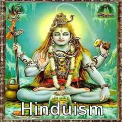
Hinduism does not have a specific leader.
It is based on a set of ideas.
Upanishads- Teachers commandments
written in discussion format.
The Hindus believe in:
Reincarnation- Rebirth.
Karma- Good or bad deed that follows from
reincarnation to reincarnation.
Atman- The individual soul of a person.
Brahman- The force that unites all atmans, seen as
having the personalities of three gods; Brahma, Vishnu,
& Shiva.


Buddhism
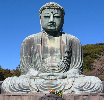
Siddhartha Gautama was born into a noble family in Nepal.
When he was 29 he went outside the palace for the first time
and decided to learn as much as he could about religion.
He wandered through India looking for enlightenment for
six years.
Tried many ways to find out more about religion, but only
after 49 days of meditation did he achieve understanding.
He then became known as Budda
You've previewed 17 of 27 pages.
To read more:
Click Sign Up (Free)- Full access to our public library
- Save favorite books
- Interact with authors


- < BEGINNING
- END >
-
DOWNLOAD
-
LIKE(1)
-
COMMENT()
-
SHARE
-
SAVE
-
BUY THIS BOOK
(from $5.39+) -
BUY THIS BOOK
(from $5.39+) - DOWNLOAD
- LIKE (1)
- COMMENT ()
- SHARE
- SAVE
- Report
-
BUY
-
LIKE(1)
-
COMMENT()
-
SHARE
- Excessive Violence
- Harassment
- Offensive Pictures
- Spelling & Grammar Errors
- Unfinished
- Other Problem





COMMENTS
Click 'X' to report any negative comments. Thanks!