
This book was created and published on StoryJumper™
©2010 StoryJumper, Inc. All rights reserved.
Publish your own children's book:
www.storyjumper.com

 Proclamation of 1763
British passed the Proclamation of
1763,
which limited coloinal expansion. who
thought that Britain should stay out
of North American affairs all
together.The next ten years was a
string of British impositions on the
colonies, as if to test the limits of
Parliament's power in North America.

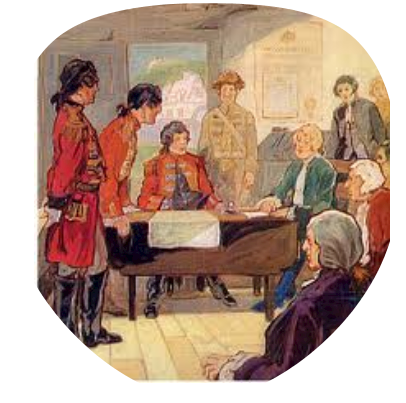
British motivations for making
the Quartering Act were mixed.
Some were concerned about
protecting the colonies from
attack . Also part of it , was
a want to cut costs. If the
colonies were to be protected,
why should they not pay for the
soldiers? In particular, the
British ministry was faced with
the prospect of bringing home
the French and Indian War
veterans and providing them
with pay.
 Quartering act
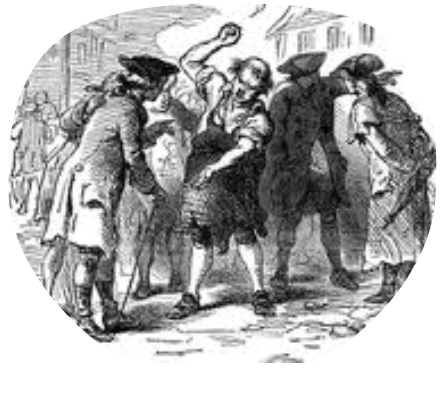
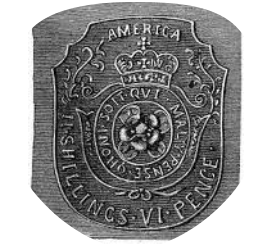
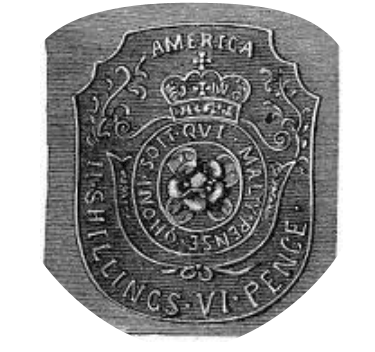
 stamp act
During the Stamp Act of 1765 and
early 1766, numbers of soldiers were
in or near American cities. Some of
them were new units brought from
England. Others were transferred from
western posts.The reaction of the
colonists it was negative:
1. Traditional fear of standing armies.
2. Cost. The cost of expenses for an
army was no small matter for the
colonial assemblies.
 Townshend Acts
Townshend Acts were laws passed beginning in 1767 by the
Parliament relating to the British colonies in North America. The acts
are named after Charles Townshend, who proposed the program.
Historians vary slightly in which acts they include under the heading
"Townshend Acts", but five laws are mentioned: the Revenue Act of
1767, the Indemnity Act, the Commissioners of Customs Act, the Vice
Admiralty Court Act, and the New York Restraining Act.
The purpose of the Townshend Acts was colonies to pay the salaries of
governors and judges so that they would be independent of colonial
rule, to create a better way of enforcing compliance with trade
regulations, to punish the province of New York for failing to do what
the 1765 Quartering Act says, and to establish the precedent that the
British Parliament had the right to tax the colonies.


 Boston Massacre
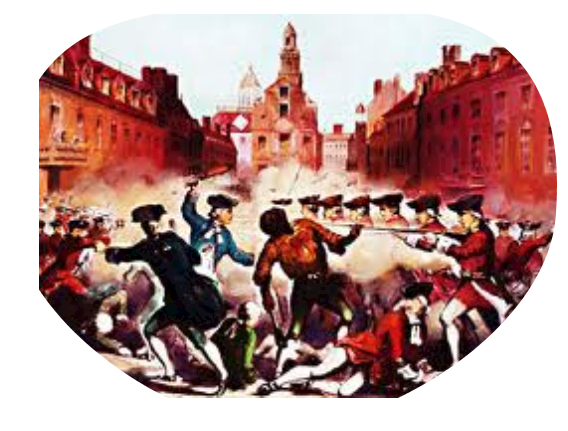
The Boston Massacre, was an incident on March 5, 1770,
where British redcoats killed five men. British troops had
been stationed in Boston since 1768 to protect colonial
officials attempting to enforce unpopular Parliamentary
legislation. A mob formed around a British sentry, who
was subjected to verbal abuse. He was eventually
supported by a small company of troops, who had the
same experience. They they went into the crowd and
killed three people and wounding others. Two more
people died later of wounds sustained in the incident.
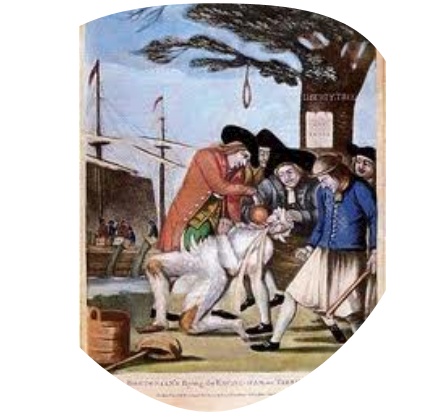
The Tea Act, passed by Parliament on May 10, 1773.The act was
not intended to raise anything in the American colonies, and in
fact had no new taxes. it was made to East India Company
which was burdened with eighteen million pounds of unsold tea.
This tea was to be shipped directly to the colonies, and sold at a
bargain price. The Townshend Duties were still in place ,America
believed that this act was to buy popular support for the taxes
already in force.
Colonists in Philadelphia and New York gave the tea ships back
to Britain. In Charleston the tea was left on the docks. In Boston
the Royal Governor was lazy and held the ships in port, where
the colonists would not allow them to unload. Cargoes of tea
filled the harbor.This situation led to the Boston Tea Party.
 Tea Act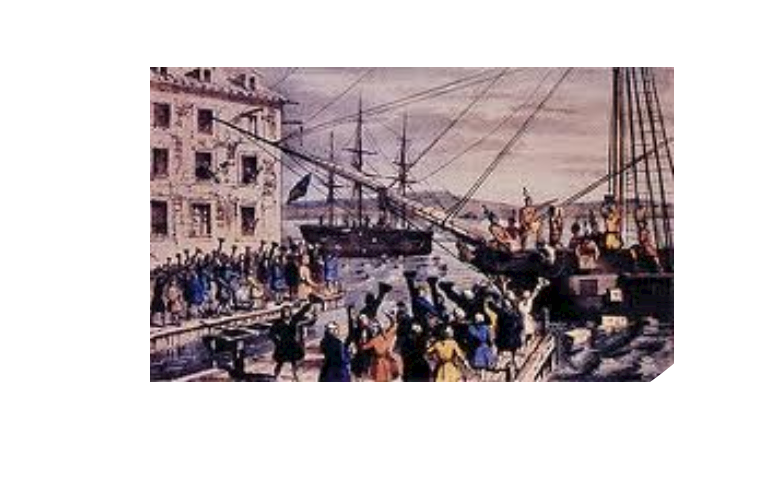
The Boston Tea Party was an action by colonists in
Boston, against the British government and East
India Company that controlled all the tea imported
into the colonies. On December 16, 1773, after
they refused to return three shiploads of taxed tea
to Britain, a group of colonists destroyed the tea by
throwing it into Boston Harbor. The incident
remains an event of American history, and other
political protests often refer to it.The Boston Tea
Party was a key event in the growth of the
American Revolution
 Boston tea party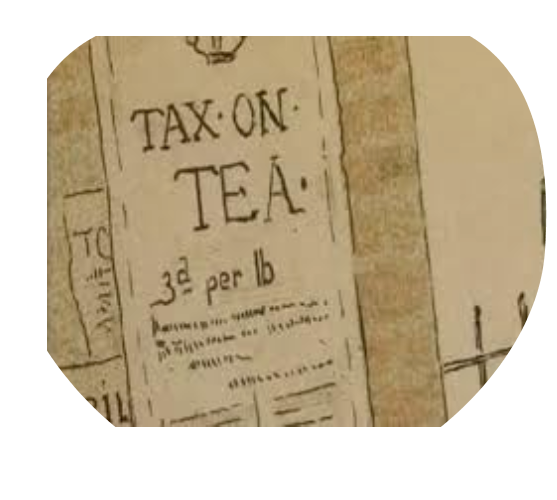
You've previewed 15 of 24 pages.
To read more:
Click Sign Up (Free)- Full access to our public library
- Save favorite books
- Interact with authors


- < BEGINNING
- END >
-
DOWNLOAD
-
LIKE
-
COMMENT()
-
SHARE
-
SAVE
-
BUY THIS BOOK
(from $4.79+) -
BUY THIS BOOK
(from $4.79+) - DOWNLOAD
- LIKE
- COMMENT ()
- SHARE
- SAVE
- Report
-
BUY
-
LIKE
-
COMMENT()
-
SHARE
- Excessive Violence
- Harassment
- Offensive Pictures
- Spelling & Grammar Errors
- Unfinished
- Other Problem





COMMENTS
Click 'X' to report any negative comments. Thanks!