
Human Body Systems
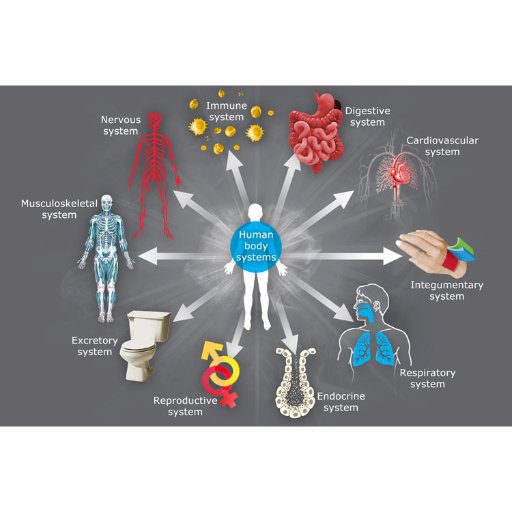
Table of contents
Digestive System: Pages 4-17
Respiratory System: Pages 18-29
Skeletal System: Pages 30- 39
Circulatory System: Pages 40-49
Nervous System: Pages 50- 59
Muscular System: Pages 60
Chapter one: Digestive System
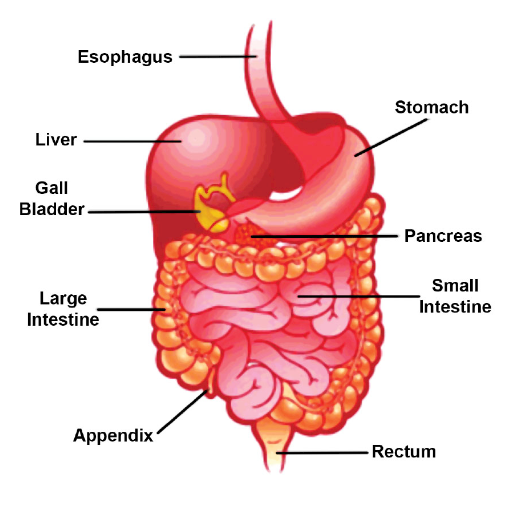
Digestive system functions
-The function of the digestive system is digestion and absorption. Digestion is the breakdown of food into small molecules, which are then absorbed into the body.
-Your digestive system is uniquely constructed to perform its specialized function of turning food into the energy you need to survive and packaging the residue for waste disposal.
Major Organs
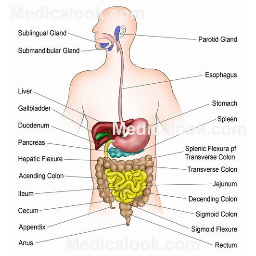
MOUTH- The mouth is the beginning of the digestive System. Its starts when taking the first bite of food. Chewing breaks the food into pieces that are more easily digested, while saliva mixes with food to begin the process of breaking it down into a form your body can absorb and use.
ESOPHOGUS- After you chew, it goes down your esophagus. Your esophagus is located in your throat near your trachea, the esophagus receives food from your mouth when you swallow. By means of a series of muscular contractions called peristalsis, the esophagus delivers food to your stomach
STOMACH- The stomach is an organ that holds food while it is being mixed with enzymes that continue the process of breaking down food into a usable form. Cells in the lining of the stomach secrete acid and enzyms that are responsible for the breakdown process. When the contents of the stomach are sufficiently processed, they are released into the small intestine.
SMALL INTESTINE- The small intestine is made up of three segments, the duodenum, jejunum, and ileum. The small intestine is a 22-foot long tube that breaks down food using enzymes released by the pancreas and bile from the liver. Peristalsis also is at work in this organ, moving food through and mixing it with digestive secretions from the pancreas and liver. The duodenum is largely responsible for the continuous breaking-down process. The jejunum and ileum mainly responsible for absorption of nutrients into the bloodstream.
PANCREAS- The pancreas secretes digestive enzymes into the duodenum. These enzymes break down protein, fats, and carbohydrates. Also, the pancreas also makes insulin, secreting it directly into the bloodstream.
LIVER- The liver's main function in the digestive system is to process the nutrients absorbed from the small intestine. Bile from the liver produced into the small intestine also plays an important role in digesting fat. . It also takes the raw materials absorbed by the intestine and makes all the various chemicals the body needs to function. The liver also detoxifies potentially harmful chemicals. It breaks down and secretes many drug
GALLBLADDER- The gallbladder stores and concentrates bile, and then releases it into the duodenum to help absorb and digest fats
LARGE INTESTINE - the large intestine (colon) is a 6-foot long muscular tube that connects the small intestine to the rectum. The large intestine is made up of the cecum, the ascending colon, the transverse colon, the descending colon, and the sigmoid colon. . The large intestine is a highly specialized organ that is responsible for processing waste so that emptying the bowels is easy and convenient. Waste left over from the digestive process, is passed through the colon by means of peristalsis As stool passes through the colon, water is removed. The waste itself is mostly food debris and bacteria. These bacteria perform several useful functions, such as synthesizing various vitamins. When the descending colon becomes full of waste it begins the process of elimination.
Diseases the digestive system can cause
Jaundice – . Yellowing of the skin and whites of the eyes. This is caused from blockage of the ducts draining bile from the liver into the intestines or excessive breakdown of red blood cells.
Diverticulosis/diverticulitis – Small pouches may form along the walls of the large intestine called diverticuli which can cause discomfort These abnormal outpocketings may collect and not be able to empty fecal material which can lead to inflammation, diverticulitis.
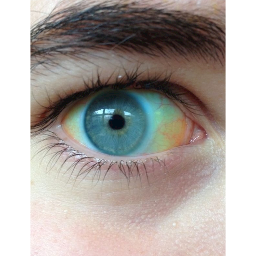
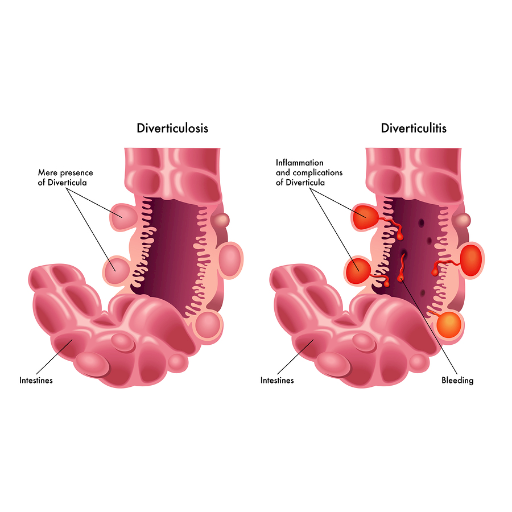
Jaundice Diverticulosis
Portal hypertension – A complication of chronic alcoholism resulting in liver damage and obstruction of blood flow through the liver. The rising blood pressure in the veins between the gastrointestinal tract and liver causes engorgement of veins around the belly button.
Gastroesophageal Reflux Disease (GERD)- Known as severe “heartburn”. This is the weakness of the valve between the esophagus and stomach may allow stomach acid to reflux into the esophagus and irritate and inflame the lining. This results in chest pain.
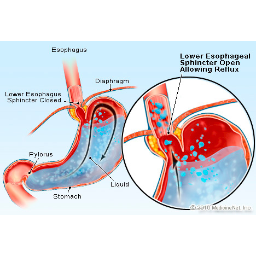
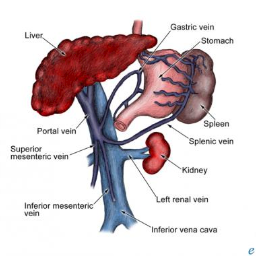
portal hypertension Gastroesophageal Reflux Disease
How the Digestive system works with other systems to ensure optimal heath
MUSCLE AND NERVOUS- The digestive system works with all of the systems in your body. To be more specific it works with muscular and the nervous system this is because impulses are sent from the brain to the muscles to carry out the respective actions. Voluntary actions include chewing of food while involuntary actions include peristalsis .
CIRCULATORY - Another is the circulatory system, it helps get the nutrients your body has stored to the other parts of your body.
SKELETAL- It also provides nurturance for the bon growth in the skeletal system.
RESPITORY- provides the diaphragm in order to facilitate breathing and also provides glucose for the respiration process.
*As you can see, the digestive system works with all of the other systems to provide the optimal health for the human body. *
How to maintain a healthy digestive system
Consuming a diet that is high in fiber and rich in whole grains, vegetables, legumes, and fruits can improve your digestive health. A high fiber diet can also help you prevent or treat various digestive conditions, such as diverticulosis or hemorrhoids. You should also limit foods that are high in fat because fatty foods tend to slow down the digestive process, making you more prone to constipation Another good way to keep your digestive system healthy is to choose lean meats. Protein is a very important part of a healthful diet, but fatty cuts of meat can lead to uncomfortable digestion
Another thing you should so is stop smoking and avoid caffeine and alcohol. Alcohol, coffee, and cigarettes can mess with the functioning of your digestive system, and lead to problems like stomach ulcers and heartburn. Next, you should Exercise regularly. Regular exercise helps keep foods moving through your digestive system, reducing constipation And Manage stress. Too much stress or anxiety can cause your digestive system to go into overdrive.so you should find things to do that relieve stress to keep your digestive system happy and healthy.
chapter 2: Respiratory system
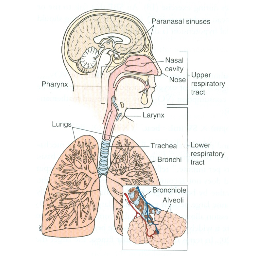
The functions of the respiratory system
The respiratory system has many functions. The primary reasons that the respiratory system does is provide oxygen for metabolism in the tissues. It also removes carbon dioxide from the air. Some secondary functions include : the sense of smell, produces speech, and also helps maintain body water levels and heart rate.
major organs and what they do
Nose -The nose is the upper respiratory organ in which air enters into and exits from the body. Mucus lines the nasal cavity and traps bacteria and particles that enter in through the nose. In addition, air that passes through the nasal cavity is humidified and moistened. Your nose divides the into two nasal cavities: one area is responsible for smell and the other area is responsible for respiration.
Pharynx - The pharynx is positioned behind the oral and nasal cavities, that allows air to pass from the mouth to the lungs. The pharynx contains three parts: The nasopharynx, which connects the upper part of the throat with the nasal cavity; the oropharynx, positioned between the top of the epiglottis and the soft palate; and the laryngopharynx, located below the epiglottis.
Larynx- air enters into the larynx from the pharynx. The larynx is part of the upper respiratory system that has two main functions: a passageway for air to enter into the lungs, and a source of vocalization. The epiglottis is a flap-like cartilage structure contained in the larynx that protects the trachea against food aspiration.
Bronchi- The bronchi allow the passage of air to the lungs. The trachea is made of c-shaped ringed cartilage that divides into the right and left bronchus. The right main bronchus is shorter and wider than the left main bronchus. It is subdivided into three lobar bronchi, while the left one is divided into two lobar bronchi.
Lungs- air-filled organs located on both sides of the chest cavity. The left lung is divided into a superior and inferior lobe, and the right lung is subdivided into a superior, middle, and inferior lobe. Respiration is the primary function of the lungs, which includes the transfer of oxygen into the blood stream and the release of carbon dioxide into the air.
Alveoli - The alveoli are tiny grape-like sacs at the end of the respiratory tree. The exchange of oxygen and carbon dioxide gases occurs at the alveolar level. Although effort is required to inflate the alveoli minimal effort is required to deflate it.
Diaphragm- The diaphragm is a muscular structure located between the thoracic and abdominal cavity. Contraction of the diaphragm causes the chest to expand, which occurs during inhalation. During exhalation, the release of the diaphragm causes the chest or thorax cavity to contract
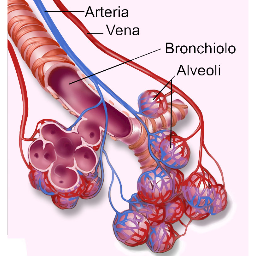
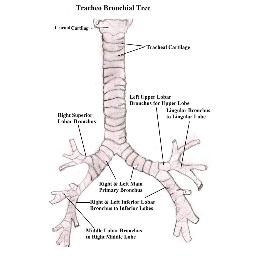
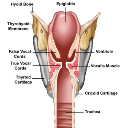
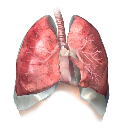
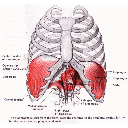
lungs
diaphragm
alveoli
bronchi
larynx
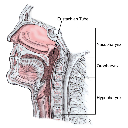
pharynx
diseases involved with the respiratory system
Pneumonia - An infection deep in your lungs
Bronchiectasis - Widening and destruction of the airways, often caused by recurrent infection or inflammation
Influenza (the flu) - A virus that enters your body through your nose and mouth and causes fever, headaches, muscle aches and sore throat
Asthma - A chronic disease in which your airway walls become sore and swollen, narrowing so that your lungs get less air
Tuberculosis (TB) - A bacterial infection that attacks the lungs and other parts of the body and can be deadly if not treated correctly
Lung cancer - cancer usually caused by cigarette smoke
Laryngitis- Swelling and irritation of the larynx
Bronchitis -An infection in your bronchial tubes
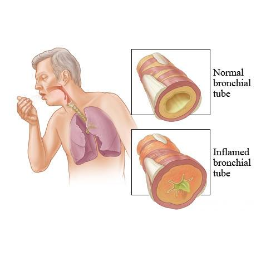
bronchitis
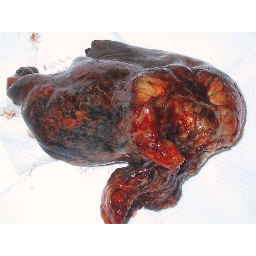
lung cancer
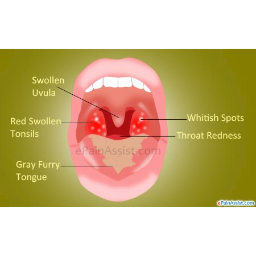
laryngitis
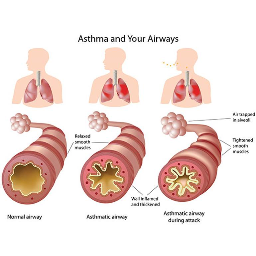
asthma
How the respiratory system works with other systems to ensure optimum health
The Skeletal System- The respiratory system provides oxygen, so that the bones can work. The respiratory system also interacts with the skeletal system by removing the carbon dioxide and water it produces as waste products.
The Muscular System- The respiratory system provides oxygen so that muscles can do their work. . The respiratory system has the lungs that deliver air to the muscles. Also respiratory system goes through the contraction and relaxation of the diaphragm, which is a muscle
Digestive System- the respiratory system provides oxygen so that the digestive system can do its job and digest our food. It also helps the digestive system by removing carbon dioxide and water that the digestive system cells produce as waste.
The Circulatory System- the respiratory system allows air to keep the circulatory system going.
The Nervous System- the respiratory system provides the nervous system with oxygen and takes away the waste that the nervous system produces.
how to maintain a healthy Respiratory system
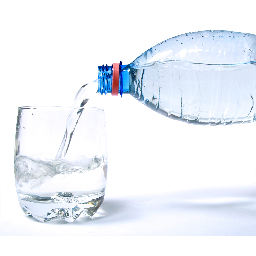
You can keep your respiratory system healthy in many ways. First, you can quit smoking. This is the most effective tip you can take to keep your respiratory system healthy. Next, you can limit your exposure to common allergens like dust, pollen, and mold. Next, you should maintain your hygiene. Diseases, such as the common cold, are often transmitted due to poor hygiene and little hand washing. Lastly, you have to stay hydrated. When you are dehydrated, your lungs get bigger to make up for the loss of water, and their functioning becomes weak.

Chapter 3: The Skeletal System
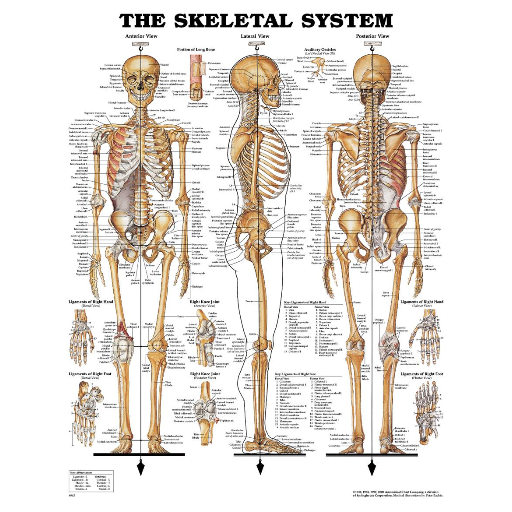
The functions of the Skeletal system
The skeletal system provides support to the main frame of the human body to keep its shape. The bones of the skeletal system also protect certain organs such as the brain protected by the cranium. Next it Allows strength in moving muscles. The system also makes Bone marrow, which produces red blood cells. lastly It stores minerals we need like calcium.
the skeletal system's main organs
Bones- The most important organ of the skeletal system is the bones. Human skeleton is made up of 206 bones that provide support and protection to the viscera with the help of muscles attached to them. And also produce blood cells for the body from the bone-marrow
Ligaments and Joints- Another important component, i.e. the ligaments are made of fibrous collagen tissue that attaches one bone to another bone. This attachment forms into joints and allows the bone to move in a particular direction.
Tendons- Tendons are important skeletal system organs which join the muscles to the bones. The contraction of tendon pulls the end of bone to which it is attached and makes that bone to move during walking and running.
Cartilage- Cartilage is a soft and flexible connective tissue. It helps form the shape of human ear, and also protects the bones against friction forces
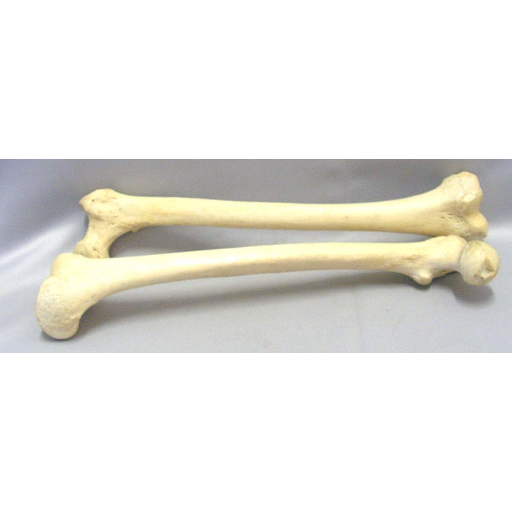
diseases caused by the skeletal system
Arthritis- Arthritis is an inflammatory condition. It affects the joints of the body such as the knee joint and some of the spine.
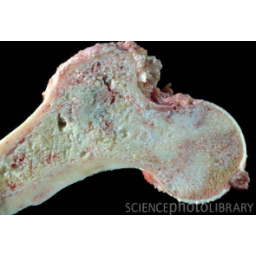
Bone cancer- Bone cancer is a skeletal disease that starts in a bone of the body causing the bones to weaken. It happens often in the long bones such as those in the legs and arms.
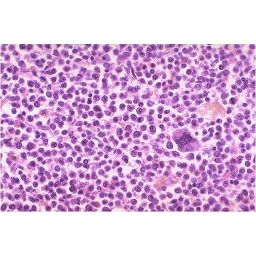
Leukemia- Leukemia is also a form of cancer but this disease, it originates in the bone marrow not in the bone like typical cancer.
Osteomalacia- Osteomalacia is a disease that leads to the softening and weakening of the bone tissue in the human body.
Osteoporosis- Osteoporosis causes bones to become brittle and weak due to extensive loss of bone tissue.
Leukemia
Bone cancer
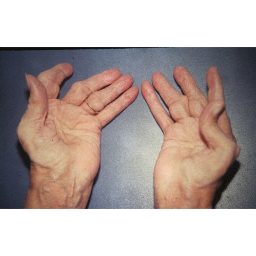
Arthritis
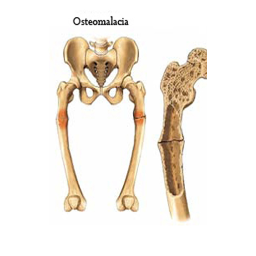
Osteomalacia
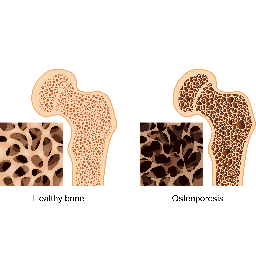
Osteoporosis
How the skeletal system works with other systems to maintain optimum health
Muscular System- To help the body move freely, the skeletal system works with the muscular system, Each individual muscle in the body is connected to one or more parts of the skeletal system. All muscles connected to the skeletal system have the same basic function. They contract and relax to allow the skeletal system to move.
Circulatory System- The skeletal system privides Marrow, which is inside your bones, that helps produce the cells inside of you blood. Both red blood cells and white blood cells are created in your bones
Digestive System- the skeletal system protects the mouth, esophagus, and all other vidal organs.
Nervous System- The bones in the skeletal system provide calcium that is essential for the proper functioning of the nervous system. Also, sensory receptors in joints between bones send signals about body position to the brain. The brain then regulates the position of bones by controlling muscles.
Respiratory System- the skeletal system also provides protection for all the organs involved with the respiratory system. For example: the lungs.
how to maintain a healthy Skeletal system
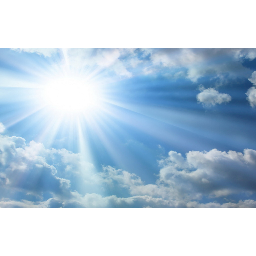
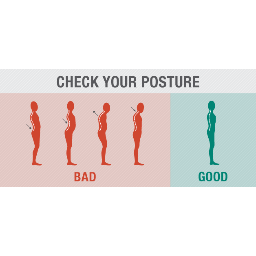
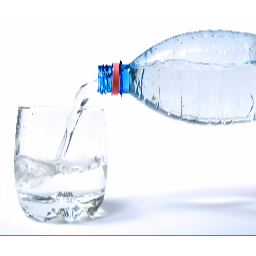
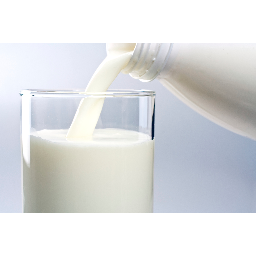
To main a healthy skeletal system, you should consume foods and drinks high in calcium because bones use calcium to remain strong and prevent bones from becoming brittle. Also, you should get lots of vitamin D. You can do this by going out side and getting plenty of sunlight. Next, drink at least eight glasses of clean water every day. The body needs to remain hydrated to be healthy. Lastly, just simply working on good posture could keep your skeletal system healthy.
chapter 4: The circulatory system
functions of the circulatory system
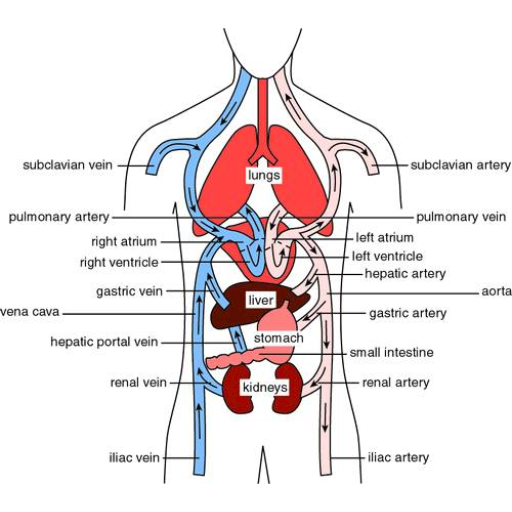
The circulatory system is combination of organs that is responsible for the flow of blood, nutrients, hormones, oxygen and other gases to and from cells. Without the circulatory system, the body would not be able to fight disease or maintain a stable internal environment.
the circulatory system's main organs
Heart- the heart is made of strong muscle tissue and is protected by your rib cage. It consists of four hollow chambers – two ventricles and two atria. All four chambers work quite like pumps and push blood throughout your body.
Blood Vessels- Your blood vessels allow blood to flow quickly from one region to another and then allow it to come back to your heart. Blood vessels have a hollow area that allows for easy flow of blood, it's called lumen.
Blood- Your heart pumps blood throughout your body and travels through thousands of miles, because it has to move through the blood vessels within your body. Your blood is a substance that carries water, nutrients, waste products and oxygen to and from your body cells.
Lungs- Your lungs provide oxygen for your body. The lungs send oxygen blood to the left side of your heart and your heart then uses blood vessels and arteries to transfer it to the rest of your body.
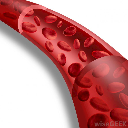
Blood vessel
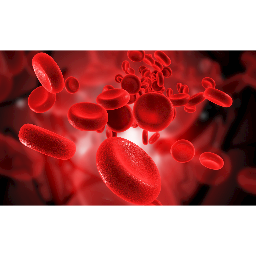
Blood
Diseases caused by the circulatory system
Anemia -condition in which the red blood cells are reduced of their oxygen carrying pigment.
Mitral valve insufficiency: Your mitral valve doesn’t close tightly enough. This makes blood back up into your heart
Coronary Artery- It’s hardening of the arteries that give the heart vital oxygen and nutrients.
Hypertension- high blood pressure
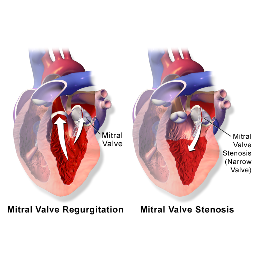
Mitral valve insufficiency
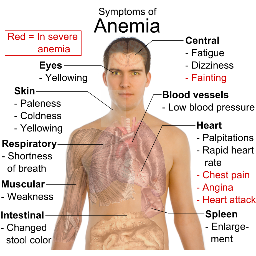
Anemia
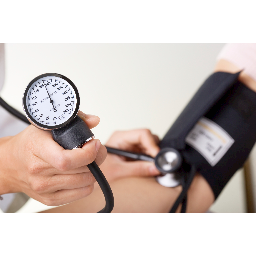
Hyperension
How the circulatory system works with other systems to ensure optimum health
Muscular System- the circulatory system moves oxygen and glucose to the muscular system and moves the waste out of the body.
Nervous System- The heart beat pumps blood throughout the body so that nutrients and oxygen can be brought to cells in the brain and waste can be removed.
- Full access to our public library
- Save favorite books
- Interact with authors
- < BEGINNING
- END >
-
DOWNLOAD
-
LIKE(2)
-
COMMENT()
-
SHARE
-
SAVE
-
BUY THIS BOOK
(from $13.99+) -
BUY THIS BOOK
(from $13.99+) - DOWNLOAD
- LIKE (2)
- COMMENT ()
- SHARE
- SAVE
- Report
-
BUY
-
LIKE(2)
-
COMMENT()
-
SHARE
- Excessive Violence
- Harassment
- Offensive Pictures
- Spelling & Grammar Errors
- Unfinished
- Other Problem





COMMENTS
Click 'X' to report any negative comments. Thanks!