Valeria Rubiconi - 3°B - IIS Tecnico Agrario "G. Garibaldi" - Macerata
what are the differences between the national parks in the United Kingdom and in Italy? In this book I'll show you that differences , taking as an example the Exmoor National Park (in England) and the Sibillini Mountains National Park (in the Marches).


Valeria Rubiconi - 3°B - IIS Tecnico Agrario "G. Garibaldi" - Macerata
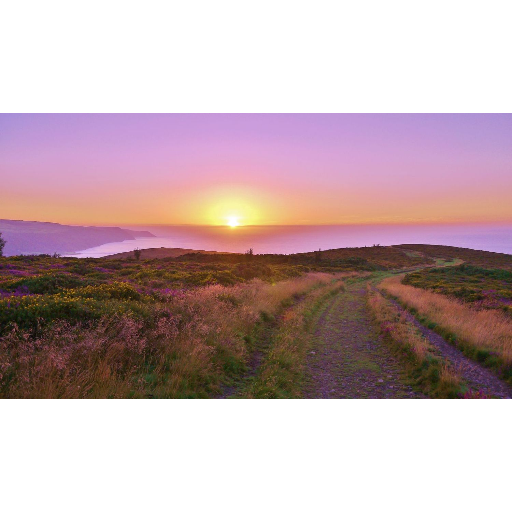
The national park stretches between the districts of North Devon, Mid Devon and West Somerset. The north-western boundary of the park is marked by the town of Combe Martin (Devon), to the northeast from the town of Somerset Watchet, Williton and Washford (located just outside the park boundaries) and south from the town of Hawkridge and Dulverton, always in Somerset.
To the southeast lies the mountain range of the Brendon Hills, with the Dunkery Beacon Hill, the highest of the peak (520 m).
Valeria Rubiconi - 3°B - IIS Tecnico Agrario "G. Garibaldi" - Macerata
Enjoying
Walking, Riding, Stargazing, Exploring, Dreaming, Picnicking, Discovering
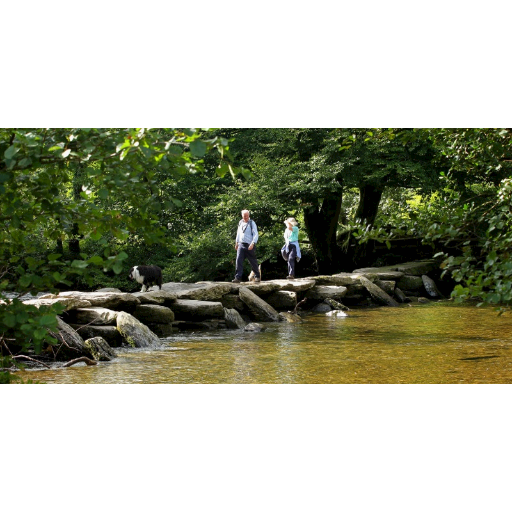
Exmoor is an amazing place, with a different world-class view around every footpath corner Whether your idea of fun is an ultra marathon on the highest cliffs in England or a cream tea by the side of a babbling brook, then Exmoor is the pace to be. We are recognized as one of the best locations for walking in Europe and have road cycling good enough to host the Tour of Britain. Feel the open space of our heather topped moorland, catch a glimpse of wild red deer or iconic Exmoor ponies, explore our mysterious and very special woodlands,
Valeria Rubiconi - 3°B - IIS Tecnico Agrario "G. Garibaldi" - Macerata
find your new favourite village pub, or marvel at a unique landscape shaped by people and nature over thousands of years.
Valeria Rubiconi - 3°B - IIS Tecnico Agrario "G. Garibaldi" - Macerata
What's Special
Valeria Rubiconi - 3°B - IIS Tecnico Agrario "G. Garibaldi" - Macerata
The Special Qualities of Exmoor National Park
A unique landscape of moorland, woodland, valleys and farmland, shaped by people and nature over thousands of years. Where high cliffs plunge into the Bristol Channel, and cosy pubs and tearooms offer delicious local produce.
On Exmoor it is still possible to find tranquillity and peace as well as rediscover your sense of adventure; to catch a glimpse of wild red deer, be amazed by dark skies full of stars, and explore villages full of character.
Valeria Rubiconi - 3°B - IIS Tecnico Agrario "G. Garibaldi" - Macerata
Flora
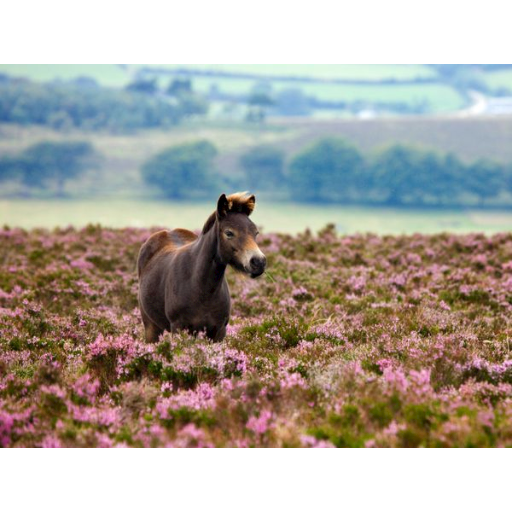
Uncultivated heath and moorland cover about a quarter of Exmoor landscape. Some moors are covered by a variety of grasses and sedges, while others are dominated by heather. There are also cultivated areas including the Brendon Hills, which lie in the east of the National Park. There are also 3,000 hectares of forestry commission woodland, comprising a mixture of broad-leaved (oak, ash and hazel) and conifer trees. Horner Woodlands and Tarr Steps woodlands are prime examples. The country's highest beech tree, 350 m above sea level, is at Birch Cleave at Simonsbath but beech in hedgebanks grow up to 490 m. At least two species of whitebeam tree: Sorbus subcuneata and Sorbus 'Taxon D' are unique to Exmoor.
Valeria Rubiconi - 3°B - IIS Tecnico Agrario "G. Garibaldi" - Macerata
Fauna
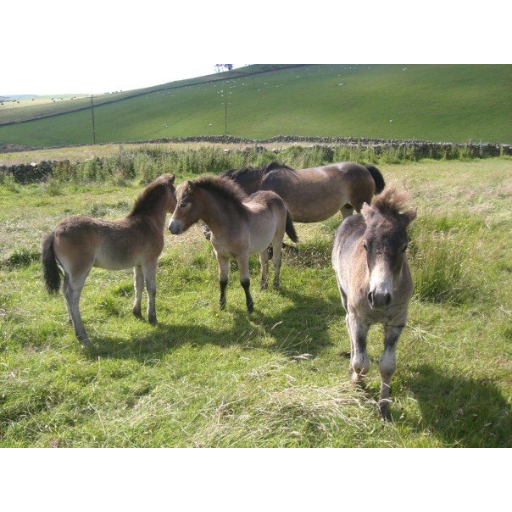
Sheep have grazed on the moors for more than 3,000 years, shaping much of the Exmoor landscape by feeding on moorland grasses and heather. Traditional breeds include Exmoor Horn, Cheviot and Whiteface Dartmoor and Greyface Dartmoor sheep. North Devon cattle are also farmed in the area. Exmoor ponies can be seen roaming freely on the moors. They are a landrace rather than a breed of pony, and may be the closest breed to wild horses remaining in Europe; they are also one of the oldest breeds of pony in the world. The ponies are rounded up once a year to be marked and checked over. In 1818 Sir Thomas Acland, the last warden of Exmoor, took thirty ponies and established the Acland Herd, now known as the Anchor Herd, whose direct descendants still roam the moor.
Valeria Rubiconi - 3°B - IIS Tecnico Agrario "G. Garibaldi" - Macerata
In the Second World War the moor became a training ground, and the breed was nearly killed off, with only 50 ponies surviving the war. The ponies are classified as endangered by the Rare Breeds Survival Trust, with only 390 breeding females left in the UK. In 2006 a Rural Enterprise Grant, administered locally by the South West Rural Development Service, was obtained to create a new Exmoor Pony Centre at Ashwick, at a disused farm with 7 hectares of land with a further 56 hectares of moorland. Red deer have a stronghold on the moor and can be seen on quiet hillsides in remote areas, particularly in the early morning. The Emperor of Exmoor, a red stag (Cervus elaphus), was Britain's largest known wild land animal, until it was killed in October 2010. The moorland habitat is also home to hundreds of species of birds and insects.
Valeria Rubiconi - 3°B - IIS Tecnico Agrario "G. Garibaldi" - Macerata
Birds seen on the moor include merlin, peregrine falcon, Eurasian curlew, European stonechat, dipper, Dartford warbler and ring ouzel. Black grouse and red grouse are now extinct on Exmoor, probably as a result of a reduction in habitat management, and for the former species, an increase in visitor pressure.
Valeria Rubiconi - 3°B - IIS Tecnico Agrario "G. Garibaldi" - Macerata
Learning Zone
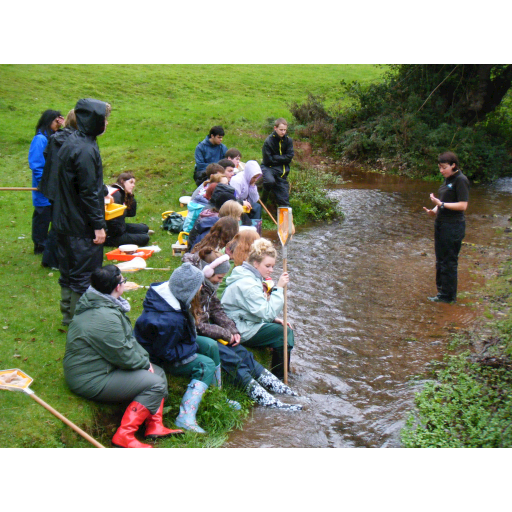
Valeria Rubiconi - 3°B - IIS Tecnico Agrario "G. Garibaldi" - Macerata
a great place for teaching and learning
Exmoor has long been recognised as a superb place for outdoor learning. Our unique environment offers an exceptional diversity of locations, subject, habitats and experiences within a relatively small and accessible area, making it an inspiring and practical destination for groups of any age. In recent years we have developed a range of free and curriculum based online resources to support outdoor learning on Exmoor. These include their Moorland Classroom resources which provide structured learning resources for key moorland sites throughout Exmoor and our new Lyn Catchment Resourcesupporting the teaching of GCSE and A level Geography.
Valeria Rubiconi - 3°B - IIS Tecnico Agrario "G. Garibaldi" - Macerata
Sibillini Mountains National Park
It covers an area of about 71,437 hectares, on a predominantly mountainous terrain. The predominant landscape is that of the limestone massif of the Apennine mountain range, which in this area acts as an interface between the softer shapes of the Tuscan-Emilian and maximum heights of Abruzzo, an with severe and steep.
Valeria Rubiconi - 3°B - IIS Tecnico Agrario "G. Garibaldi" - Macerata
- Full access to our public library
- Save favorite books
- Interact with authors
END
- < BEGINNING
- END >
-
DOWNLOAD
-
LIKE(1)
-
COMMENT()
-
SHARE
-
SAVE
-
BUY THIS BOOK
(from $4.39+) -
BUY THIS BOOK
(from $4.39+) - DOWNLOAD
- LIKE (1)
- COMMENT ()
- SHARE
- SAVE
- Report
-
BUY
-
LIKE(1)
-
COMMENT()
-
SHARE
- Excessive Violence
- Harassment
- Offensive Pictures
- Spelling & Grammar Errors
- Unfinished
- Other Problem





COMMENTS
Click 'X' to report any negative comments. Thanks!