Made by the CTNS team for the eTwinning project "Do You Know My Town?"
Coordinating teacher: Maria Horgos

Ploiesti city never entered the modern era with a rich architectural inventory.
In the last century, not to mention this one, it was built a lot. It began to take shape a Ploiesti’style, or at least a local version of the national style.
On 12 June 1837 it held the strongest flood in the history of Ploiesti: Dâmbu and other creeks overflowed, covering just the oldest districts, the hearth of the city. Were ruined or gone all out of course then the most important homes that had kept longer in the eighteenth century.
A series of natural disasters and social ones that the city has undergone, seriously diminished the construction fund that Ploiesti were trying to enrich.
The fire of 1843, the largest known in these places, haunted in another part, destroying the new center, that area where there were the notable constructions of third and fourth decades.
If the zeppelin bombing of Ploesti in 1916 brought little damage to buildings, instead bombing in 1944 led to the destruction of thousands of homes and buildings.
The earthquakes in 1940 and 1977 seriously affected the city. Then some of the oldest churches of the city and remarkable buildings collapsed.
Therefore, it must seem at all strange that sometimes decades are not represented in the special heritage of the city.
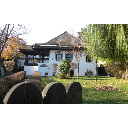
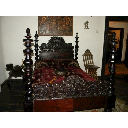
However, there are many cultural and architectural monuments, including the Cultural Palace; the Clock Museum, featuring a collection of clocks and watches; the Oil Museum; the Art Museum of Ploiești; and the Hagi Prodan Museum, dating to 1785: the property of a merchant named Ivan Hagi Prodan, it contains elements of old Romanian architecture .





Ploiesti town is situated in the perfect place in order to have day trips in the mountains or to Bucharest.
In Ploiesti -
- zoo http://www.zooploiesti.ro/,
- petrol museum http://www.ploiesti.ro/mpetrolului.php
- history museum
- watch museum, https://ro.wikipedia.org/wiki/Muzeul_Ceasului
- restaurants, parks,
As a tourist you must have the following on your list:


In Bucharest - 50km

- zoo,
-natural museum,
-experimental play ground,
-therms water park,
-Comana adventure park http://parcaventuracomana.ro/
-City tour
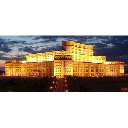
-Palament palace
-Herastrau park

In Sinaia area - 30 km
-Babele by cable car
-Sfinxul
-Peles Castle
Brasov area - 95 km
-city tour with all the touristic points
-city view with the cable car
-Dracula Castle
In the tourism product development policy of Prahova, one important aspect is organizing tours on
thematic routes such as the Wine Road
Wine Road tourist route goes by the famous vineyards of Prahova County and includes stops at
mansions, royal courts and monasteries. The road passes through the localities of Filipeştii de
Pădure, Floreşti, Băicoi, Plopeni, Zamfira, Boldeşti, Bucov, Vărbila, Valea Calugarească,
Jercălăi, Ceptura, Tohani, Mizil.
- Full access to our public library
- Save favorite books
- Interact with authors
- < BEGINNING
- END >
-
DOWNLOAD
-
LIKE
-
COMMENT()
-
SHARE
-
SAVE
-
BUY THIS BOOK
(from $3.19+) -
BUY THIS BOOK
(from $3.19+) - DOWNLOAD
- LIKE
- COMMENT ()
- SHARE
- SAVE
- Report
-
BUY
-
LIKE
-
COMMENT()
-
SHARE
- Excessive Violence
- Harassment
- Offensive Pictures
- Spelling & Grammar Errors
- Unfinished
- Other Problem
"The Wine Road"
Coordinating teacher: Maria Horgos





COMMENTS
Click 'X' to report any negative comments. Thanks!