Big thanks and the warmest Christmas greetings to all the active participants of the eTwinning project "Christmas mysteries".

Participating schools
and teachers
Anna Litwin, Zespół Placówek Oświatowych Gimnazjum w Morawicy, Poland
Nataliya Kashuba, Ternopil school-lyceym #6, Ternopil, Ukraine
Nikoletta Liaropoulou, 9th primary school of Aspropyrgos, Aspropyrgos, Greece
Fiorella Graziano , 1° I.C. “A. De Curtis” Via Municipio Palma Campania, Napoli, Italy
Silvard Harutyunyan, Vanadzor primary school, Armenia
Lina Landolfo, Scuola secondaria di I grado”G.B.Basile”Giugliano in Campania, Napoli, Italy
Syuzi Karapetyan, Educational complex "Ohanyan", Armenia

https://twinspace.etwinning.net/26060/home
Christmas is the most fabulous time of the year which is full of unforgettable moments and hopes for the bright future. Let's uncover some mysteries connected with celebrating Christmas in Poland, Italy, Greece, Armenia and Ukraine. Let the journey begin!!!
When do we celebrate Christmas around Europe???

Ukraine

Armenia
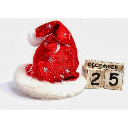
Poland, Greece, Italy
Italy: There is an evening meal known as the 'Feast of Seven Fishes' as there was a fasting period before that.
Greece: On Christmas Eve, children, especially boys, often go out singing 'kalanda' (carols) in the streets. They play drums and triangles as they sing. Sometimes they will also carry model boats decorated with nuts which are painted gold. Carrying a boat is a very old custom in the Greek Islands.
Ukraine: The main Christmas meal, called 'Sviata Vecheria' (or Holy Supper) is eaten on Christmas Eve (6th January).
You can't start eating the meal until the first star is seen in the sky. The star represents the journey of the Wise Men to find Jesus and that Jesus has been born, so Christmas can start!
The meal normally has 12 dishes which represent Jesus's 12 disciples. The main dish is often 'kutia'.
Poland: Christmas Eve is known as Wigilia. The main Christmas meal is eaten in the evening and is called "Kolacja wigilijna". It's traditional that no food is eaten until the first star is seen in the sky!
On the table there are 12 dishes - they are meant to give you good luck for the next 12 months. The meal is traditionally meat free, this is to remember the animals who took take of the baby Jesus in the manger. Everyone has to eat or at least try some of each dish.
Who brings presents to children???
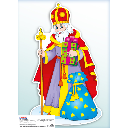
Ukraine: St. Nicholas, 19th December, under the pillow.
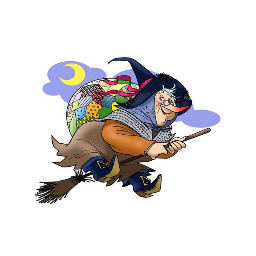
Italy: Befana, Epiphany night, stockings up by the fireplace
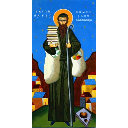
Greece: Saint Basil, 1st January
Poland: St. Nicholas (św. Mikołaj), 6th December.
Baby Jesus, Starman, Star or an Angel, Christmas Eve.

Armenia: Gaghant Baba / Kaghand Papa, 31st December
What are the tastiest Christmas dishes?
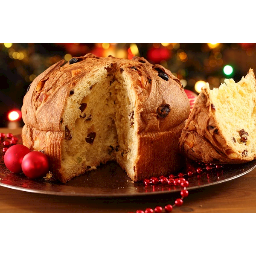
Christmas Cake called 'Panettone', Italy
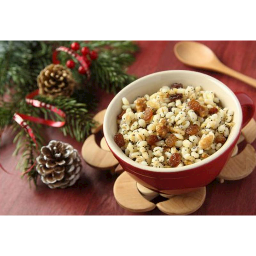
Kutia, Ukraine
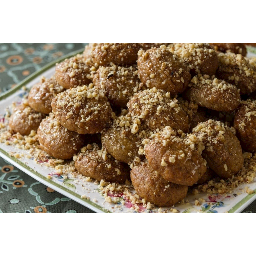
Melomakarona, Greece
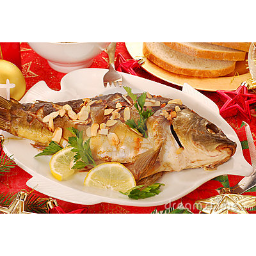
Carp, Poland
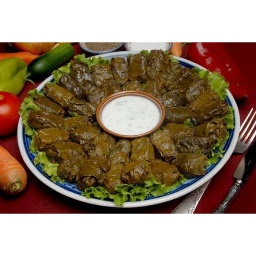
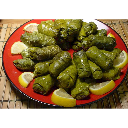
Tolma in grape leaves, Armenia
Kutia (shared by Ukrainina students)
wheat berries, poppy seeds, honey, raisins, almonds, dry apricots, water
All the ingredients are mixed together to form an extremely tasty Christmas dish.
There are some traditions connected with Kutia. Many years ago Ukrainians tossed kutia upwards to the ceiling. The amount that attached to the ceiling indicated how successful next year's harvest would be. Also it could indicated how lucky the household would be during the next year.
Tolma in grape leaves (shared by Armenian students)
Minced lamb and pork, rice, onions, grape leaves, greens, water, salt
Add salt, pepper, chopped onion, and parsley to the bowl with minced meat. Mix it well with hands. Add a little water and mix again. The stuffing is ready. Carefully lay out a bit of stuffing on a grape leaf (about a teaspoon), and then tighten the “envelope” like you do with pancakes. Put the “rolls” in a deep saucepan in dense rows. Fill it with cold water and close the top with a wide plate. Cook over medium heat for an hour.
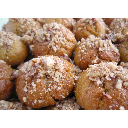
Melomakarona (shared by Italian students)
Fresh orange juice, butter, zest from 1 orange, ground cinnamon, ground cloves, baking soda, baking powder, cognac/brandy, icing sugar, flour, walnut
Place all the ingredients in a large bowl and knead. Shape the melomakarona. Take a walnut sized piece of dough and shape it into an oval. Bake in a preheated oven, 180 degrees, approximately 30 minutes. Prepare the syrup by bringing the syrup ingredients to a boil in a large pot.
Submerge the cookies into the hot syrup, a few at a time, for about 5 minutes. Arrange on a serving platter, scattering finely chopped walnuts over every layer.
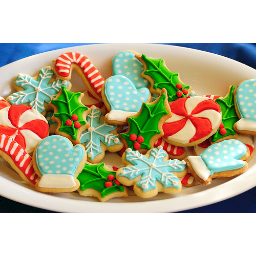
Christmas cookies (shared by Polish students)
Flour, butter, eggs, sour cream, baking powder, gingerbread spice, powdered sugar, cinnamon
Form the dough from these ingredients. Put the dough into the fridge for an hour. Next, roll out the dough. Cut some patterns in the dough. Bake the cookies in 180ºC for about 20-25 minutes. Decorate them with decorative frosting or glaze.
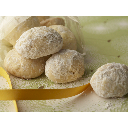
Kourambiedes (shared by Greek students)
Butter, almonds, baking powder, Vanilla essence, icing sugar, rum or brandy, flour
Beat the butter with the sugar until the mixture is light and soft. Add the flour, the baking powder, the vanilla essence and keep beating for 10 minutes. Finally, add the chopped almonds and the rum. Cover a baking tray with baking paper. Shape the cookies and place them on the baking sheet, spacing them. Bake in a preheated oven, 180°C, on the 2nd shelf, for 20 minutes maximum. Sift plenty of icing sugar over the cookies, and tower them onto a serving platter.

Information taken from a collaborative padlet on Christmas recipes conducted by project members
https://twinspace.etwinning.net/26060/pages/page/156216
What do we know about caroling across Europe?
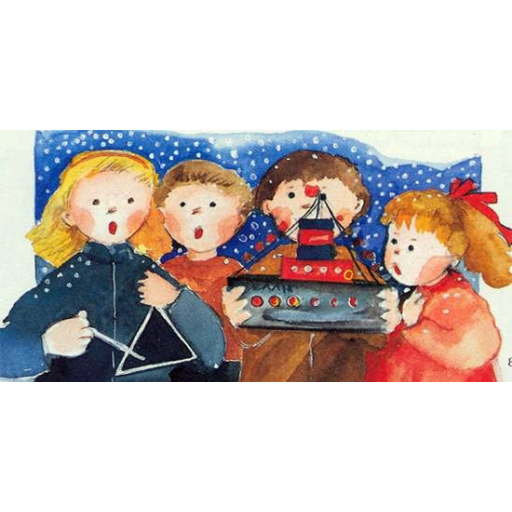
Greece: Kids go out caroling on Christmas Eve, New Year’s Eve and Epiphany Eve (January 5th). They go door to door singing carols, often bring along triangles to play while singing.
Armenia: After a large meal on Christmas Day, children climb to the rooftops with handkerchiefs and sing carols. Passersby offer them fruit, nuts and coins.
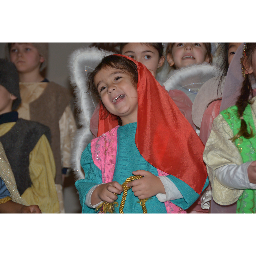
Italy: The eight days before Christmas eve are spent caroling in Italy. Only in Italy will you see bagpipe players descend from the mountains to join in the celebrations. In addition to caroling, this is the time many families craft their nativity scenes, or presepi.
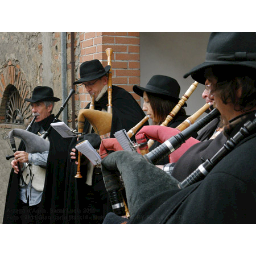
Poland: Carolers walk from house to house between Christmas and the Feast of the Epiphany, carrying a star on a pole and a Nativity scene. They usually wear folk costumes or dress up as angels, shepherds, kings, sometimes also as devils or the Grim Reaper. They enact Nativity plays, often with a touch of comedy added, along with the singing of carols.
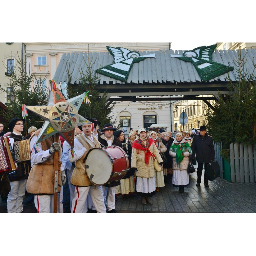
Ukraine: After the festive meal, people love to sing carols or 'Koliadky'. They can be sung around the table or you might go out caroling in the streets. People sometimes carry brightly colored stars on poles when they go caroling.
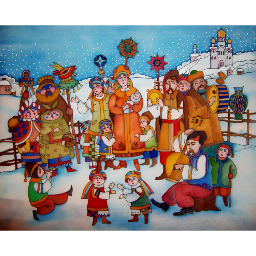
Dawid Szewczyk from Poland likes 'Cicha noc'
Sofiya Papirianska from Ukraine likes "Shchedryk"
Gohar Nazaryan from Armenia likes 'Silent night'
Julia Godowska from Poland likes "Pada snieg'

Salomi Petridou from Greece likes 'Jingle Bells'
Mariana Kulias from Ukraine likes 'Let it snow' and 'Dobryi Weczir tobi'
Eliza Avagyan from Armenia likes 'Last Christmas'

Our teachers like the following Christmas songs:
Nataliya Kashuba from Ukraine likes 'Carol of the Bells'
Anna Litwin from Poland likes 'Oj Maluski, Maluski'
Nikoletta Liaropoulou from Greece likes 'Happy Xmas'
Syuzi Karapetyan from Armenia likes 'It's the most wonderful time of the year'
Fiorella Graziano from Italy likes 'Venite fedeli'
Information taken from Project Forum
https://twinspace.etwinning.net/26060/forums/forum/25824/topic/289018

We enjoy singing Christmas songs
- Full access to our public library
- Save favorite books
- Interact with authors
- < BEGINNING
- END >
-
DOWNLOAD
-
LIKE(2)
-
COMMENT()
-
SHARE
-
SAVE
-
BUY THIS BOOK
(from $11.59+) -
BUY THIS BOOK
(from $11.59+) - DOWNLOAD
- LIKE (2)
- COMMENT ()
- SHARE
- SAVE
- Report
-
BUY
-
LIKE(2)
-
COMMENT()
-
SHARE
- Excessive Violence
- Harassment
- Offensive Pictures
- Spelling & Grammar Errors
- Unfinished
- Other Problem





COMMENTS
Click 'X' to report any negative comments. Thanks!