15. Peer-Peer Architecture
16. Client/Server Architecture
17. Hubs
18. Network Routers
19. Switches or Switching Hub
20. Network Interface Card
21. Twisted-Pair Cable
22. Coaxial Cables
23. Fiber Optic
24. Wireless Network
25. Main Distribution Frame (MDF)
26. Intermediate Distribution Frame (IDF)
2. Computer Network
3. Packet
4. Local Area Network (LAN)
5. Wide Area Network (WAN)
6. Node
7. Media Access Control (MSC).
8. IP Address
9. Bus Topology
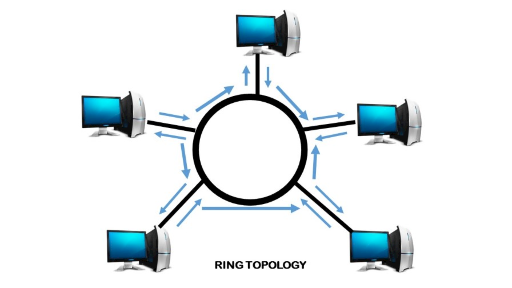
10. Ring Topology
11. Network Token
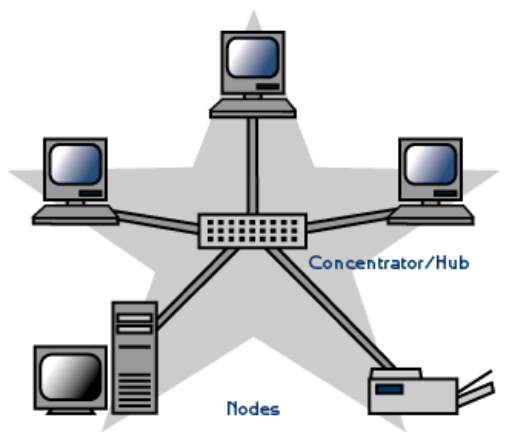
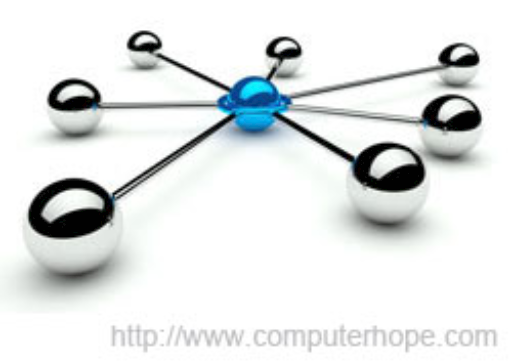
12. Star Topology
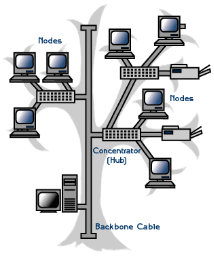
13. Tree Topology
14. Protocol

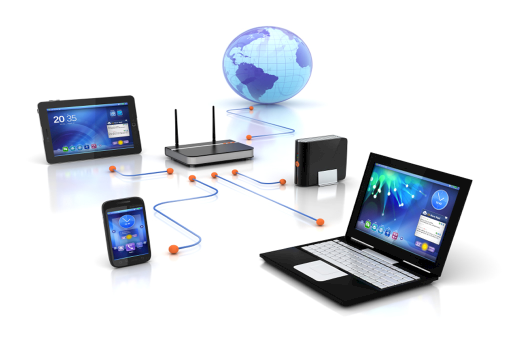
A network is a group of computers connected together in a way that allows information to be exchanged between the computers.
Packet-A piece of a message transmitted over a packet-switching network.
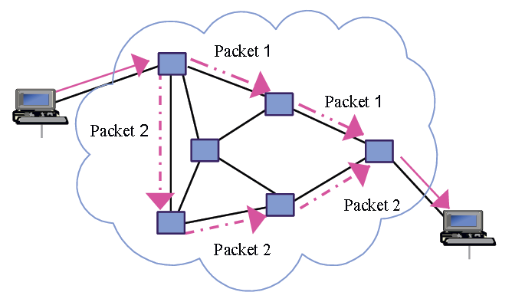
Local area network (LAN) technologies connect many devices that are relatively close to each other, usually in the same building.
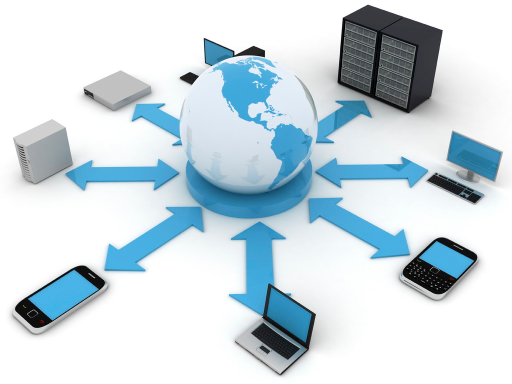
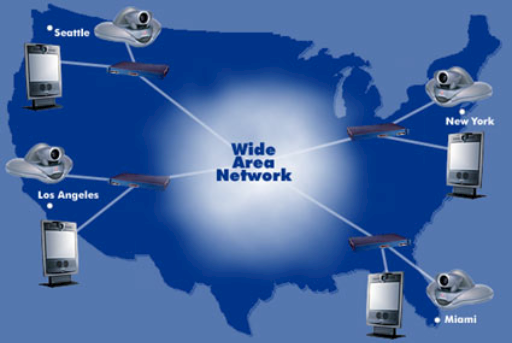
Wide area network (WAN) technologies connect a smaller number of devices that can be many kilometers apart.
A node is anything that is connected to the network. While a node is typically a computer, it can also be something like a printer or CD-ROM tower.
Media Access Control (MAC) address - This is the physical address of any device -- such as the NIC in a computer -- on the network. The MAC address, which is made up of two equal parts, is 6 bytes long. The first 3 bytes identify the company that made the NIC. The second 3 bytes are the serial number of the NIC itself.
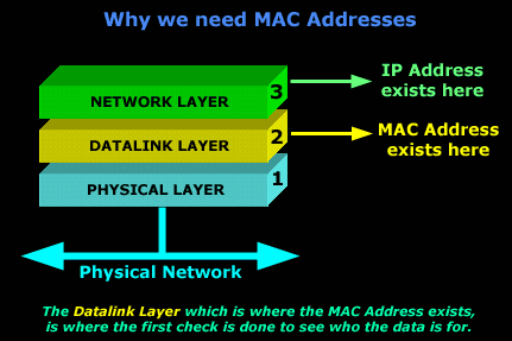
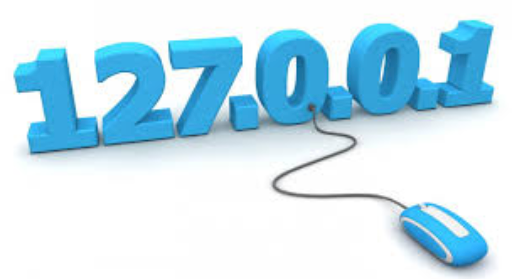
An IP address is an identifier for a computer or device on a TCP/IP network.
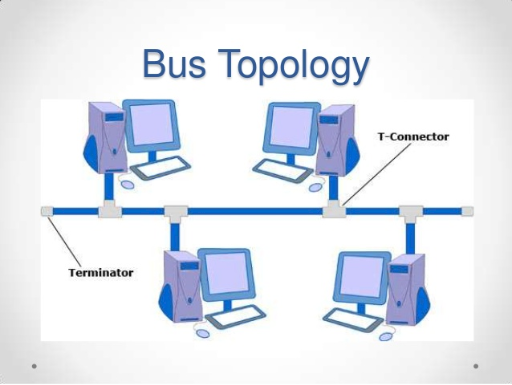
Bus topology: A network that uses a bus topology has all nodes connected by a common link, called a “bus link.” All data are transmitted and received through the bus line.
Ring topology: nodes are connected in a continuous loop and the packets of data are passed down from one node to the next, usually in a consistent direction.
Network Token-In programming languages, a single element of a programming language. For example, a token could be a keyword, an operator, or a punctuation mark.

Star Topology: All devices are connected to a central hub. Star networks are relatively easy to install and manage, but bottlenecks can occur because all datamust pass through the hub.
tree topology: A tree topology combines characteristics of linear bus and star topologies. It consists of groups of star-configured workstations connected to a linear bus backbone cable.
protocol-An agreed-upon format for transmitting data between two devices.
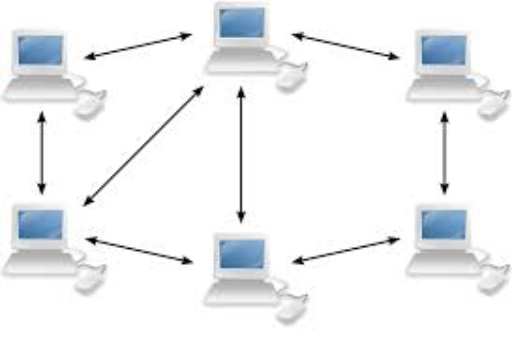
peer-to-peer architecture- a type of network in which each workstation has equivalent capabilities and responsibilities. Peer-to-peer networks are generally simpler, but they usually do not offer the same performance under heavy loads.
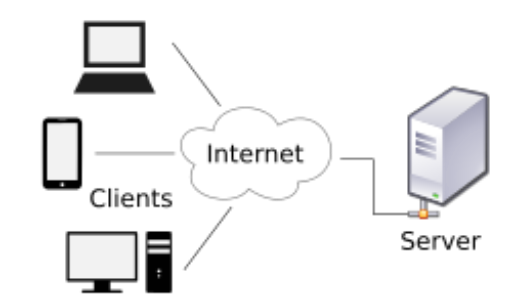
client-server architecture is a network architecture in which each computer or process on the network is either a client or a server.
- Full access to our public library
- Save favorite books
- Interact with authors
- < BEGINNING
- END >
-
DOWNLOAD
-
LIKE
-
COMMENT()
-
SHARE
-
SAVE
-
BUY THIS BOOK
(from $4.99+) -
BUY THIS BOOK
(from $4.99+) - DOWNLOAD
- LIKE
- COMMENT ()
- SHARE
- SAVE
- Report
-
BUY
-
LIKE
-
COMMENT()
-
SHARE
- Excessive Violence
- Harassment
- Offensive Pictures
- Spelling & Grammar Errors
- Unfinished
- Other Problem





COMMENTS
Click 'X' to report any negative comments. Thanks!