
Intersectionality is the theory that all individuals have multiple identities that either oppress or privilege them. In the past, social justice and liberation movements have failed to understand this idea of intersectionality. This failure causes marginalization of certain individuals with overlapping oppressive identities. Although many social movements have accomplished positive things over the years, their attempts at social reform can significantly benefit through the concept of intersectionality. Through this concept, a greater understanding of the social systems that keeps interlocking oppressions in place and of individuals’ unique experiences can be acquired.
Foreword
Kyriarchy is the “social system that keeps all intersecting oppressions in place” (Ferguson). Kyriarchy derives from the idea that we have different identities that shape us as individuals. These identities make up who we are; we can never be described by just one of our identities. This is because all of our identities grant us either privilege or oppression. An individual is not just black. He may be black, male, gay, and rich. He is privileged because he is a man and rich. But, he is oppressed because he is black and gay.
Kimberle Crenshaw’s paper, “Demarginalizing the Intersection of Race and Sex: A Black Feminist Critique of Anti Discrimination Doctrine, Feminist Theory, and Antiracist Politics”, was one of the first pieces of work to introduce the concept of intersectionality. Intersectionality describes how multiple oppressions can be experienced by one individual. The main point of Crenshaw’s paper is that the idea of intersectionality perfectly encompasses the black women experience. Black women do not experience oppression only due to race OR sexuality; they experience oppression due to race AND sexuality.
However, I took Crenshaw’s claim further by researching other experiences of individuals that can be accurately explained by intersectionality. In my research, I found a number of identities that can be explained by intersectionality: class, ability, gender, sexual orientation, and race. If any individual experiences a converging of a number of these identities, only intersectionality can explain their unique experience of both privilege and oppression.
Unfortunately, intersectionality is not often recognized in today’s society. Instead, the top down strategy, or the ‘but for’ approach is used. This approach uses a singular but for analysis of race or sex. In this way, discrimination is only recognized when is it based on one identity. This narrow approach can not fit the experience of the individuals who possess a number of the different identities. Black women can not use the ‘but for’ approach when describing their oppressive experience, as they are oppressed due to their race and gender. In a similar way, a gay, poor man’s experience would not be illustrated efficiently within the ‘but for’ approach because of his own intersecting identities of gender, sexual orientation, and class.
The failure of intersectionality to be recognized was demonstrated in some court cases. One of the key court cases, DeGraffenreid v General Motors, explains the predicament of the black women experience. In this case, a group of black women brought a suit against General Motors on the basis of gender AND race discrimination. The court found the plaintiffs could sue on the basis of race OR gender discrimination, but not both. The reasoning behind this was due to the fact that GM had previously hired women(white women), and black individuals (black men) before. This effectively eliminated the experience of black women, as they experience oppression due to their race and gender. This case effectively ignored the idea of intersectionality.
In my research, I included information on how to implement intersectionality in today’s society. One of my sources proposed the idea of an ‘Intersectional Prism’. They argued that the prism is necessary to analyze social problems fully, to create effective interventions, and to promote a more inclusive advocacy. The first foundation of the prism is ‘Intersectional Analysis’, or just an in-depth look into intersectionality. This aspect argues that we must draw attention to the overlap of multiple forms of oppression, exclusion, disadvantage, and discrimination to effectively solve social problems.
The second foundation of the prism is ‘Intersectional Interactions’. In this section, it is argued that most social policies, advocacy, and social movements approach problems by addressing the various issues separately, thus making them unable to help or understand those who suffer from more than one oppression-inducing identity. Separating the identities into separate spheres causes an individual’s unique experience to become invisible.
And finally, the last foundation of the prism is ‘Intersectional Advocacy’. This aspect points out that the failure to recognize the overlap of identities often leads to cases where one social movement may be working against another movement. This explains why many individuals who feel marginalized in mainstream social movements often form their own groups to represent and express their unique experiences.
For example, lesbians and gay people of color who were a part of the mainstream LGBTQ movement would often form their own separate interest groups because the mainstream movements failed to address the intersectionality of their identities. In addition, black feminists formed their own separate groups to address their own interests, one being the Combahee River Collective. The goal of this group was to stop all forms of oppression, including race, gender, ability, class, and gender identity, in their recognition of intersectionality.
All this research has led me to create a children’s book for my final research project. Writing a children’s book is a great way to start the process of socialization in young children. While children are learning to read and write, they can learn about the idea of intersectionality and begin to incorporate and understand it in their everyday life.
Gabby Giraffe and Her Supportive Friends
Christine Darling
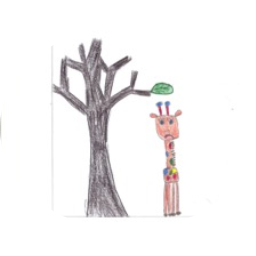
This is Gabby Giraffe.
She is rainbow colored and enjoys eating leaves. She has a long neck so she can reach her favorite leaves from tall trees.
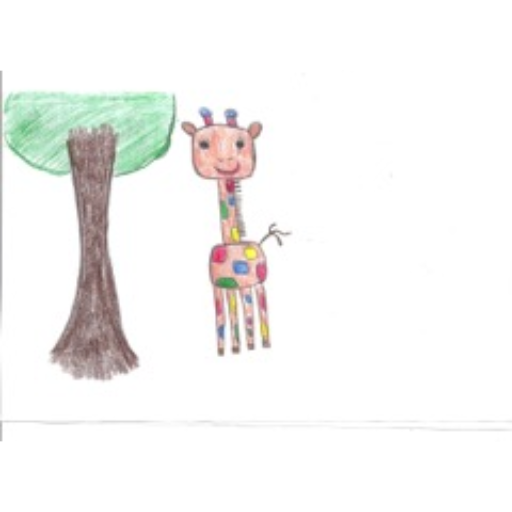
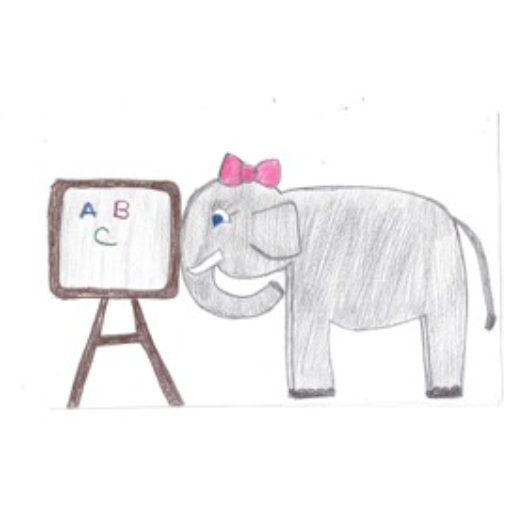
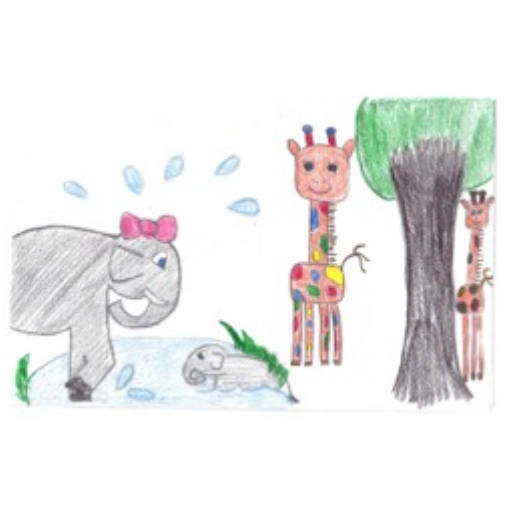
Gabby Giraffe's best friend is Eloise Elephant. She has pretty blue eyes. Eloise has a wonderful memory which makes her the top spelling bee champion of her community.
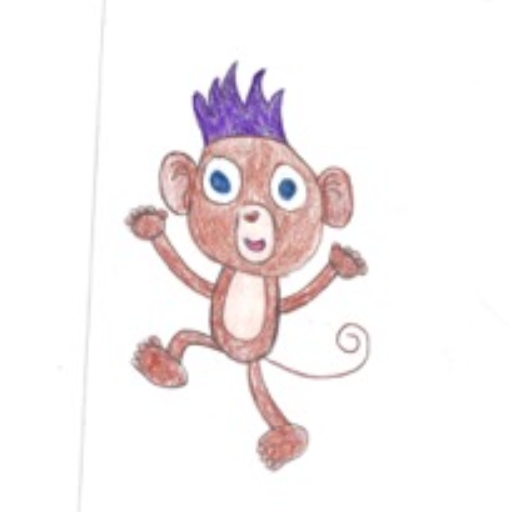
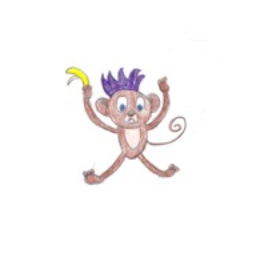
Gabby Giraffe's childhood friend is Malcolm Monkey. They have been friends for a very long time. He has crazy, purple, whackadoodle hair that stands up on end.
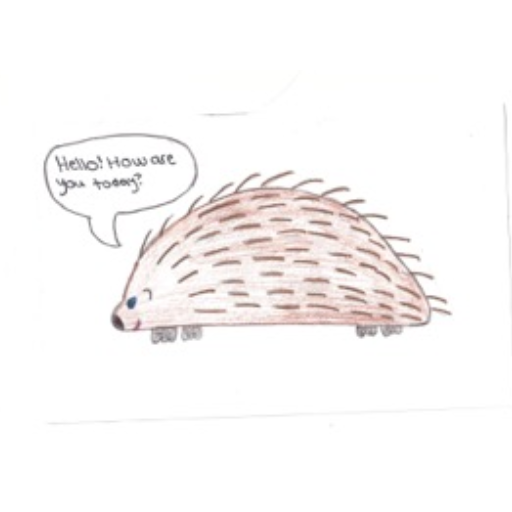
Gabby Giraffe's next door neighbor is Peter Porcupine. Peter Porcupine is soft spoken and kind to everyone he meets.
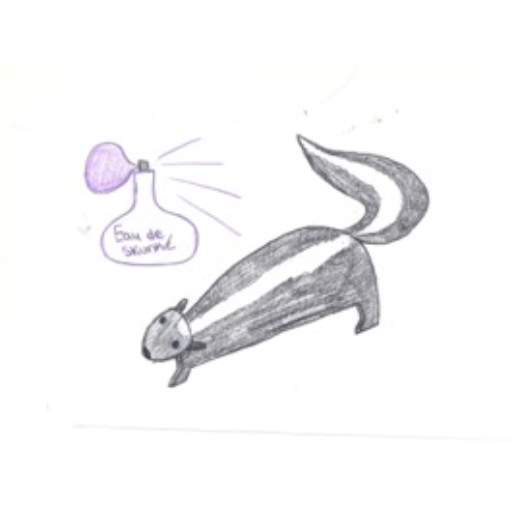
Gabby Giraffe’s other next door neighbor is Sara Skunk. Sara Skunk wears a different perfume everyday of the week.
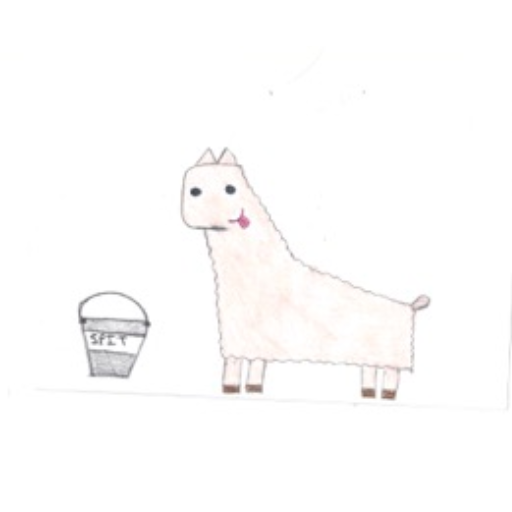
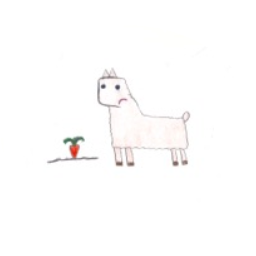
And finally, there is Linus Llama. He and Gabby Giraffe like to go to movies together every Friday night. Linus always carries a bucket with him so he can spit in it.
Gabby Giraffe is a lesbian. This means she loves other girl animals. Every week she meets with other lesbian animals who share the same experiences and interests as her. Eloise Elephant is also a lesbian and sometimes joins them. They all have lunch together in a lovely park filled with tall, leafy trees and deep, blue lakes in which to play and splash around.
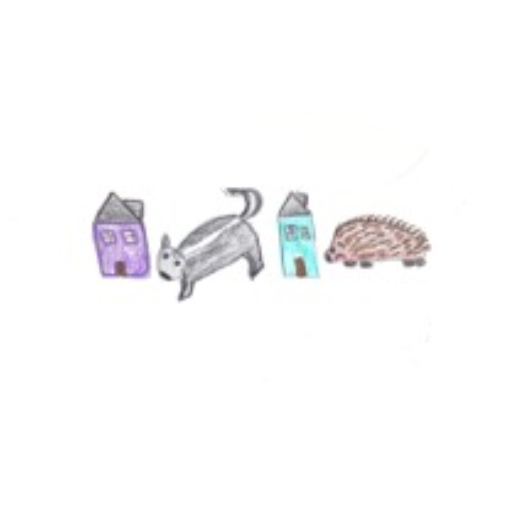
Sometimes, on her way home, Gabby Giraffe stops at the community center to see Malcolm Monkey, Sara Skunk, Linus Llama, and Peter Porcupine. Gabby, Linus, Sara, Malcolm, and Peter do not have as many resources as the other animals. Sara’s and Peter’s houses are smaller than the other animals. Malcolm doesn’t have as many bananas as other animals. Linus has less carrots and Gabby has less leafy trees in her backyard. They meet weekly at the community center to share their experiences and stories with other animals that do not have a lot of resources.
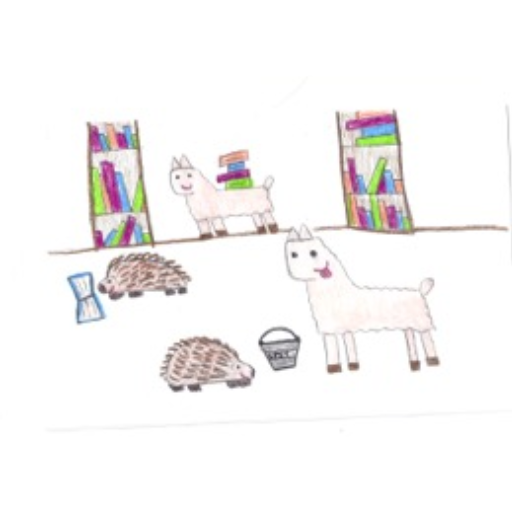
After leaving the community center, Gabby Giraffe drops Peter Porcupine and Linus Llama off at the library to see their friends. Linus and Peter are gay, which means they love other boy animals. Linus, Peter, and the other gay animals meet at the library to talk about their experiences and stories.
Gabby Giraffe has noticed that she and Eloise Elephant have been teased because they are lesbians. Gabby was also teased because she didn’t have as many resources as the other animals.
One day, she was feeling sad and she told Malcolm Monkey and Sara Skunk that she was being teased. They said they were also being teased because they didn’t have as many resources as the other animals.
Gabby Giraffe also told Linus Llama and Peter Porcupine that she was being teased. Linus and Peter told her that they are also teased because they are gay and do not have as many resources as the other animals.
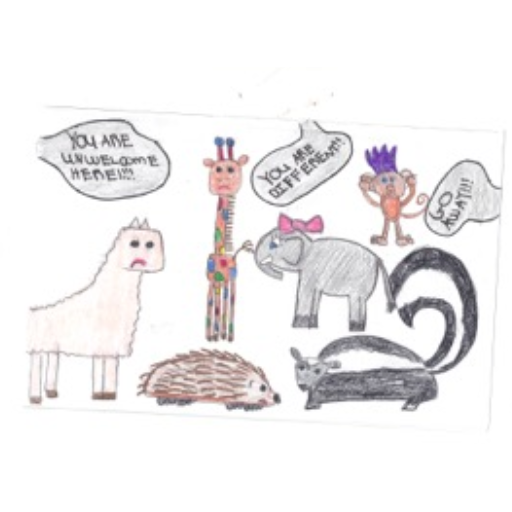
Gabby Giraffe and her friends always felt unwelcome because they were teased for being different.
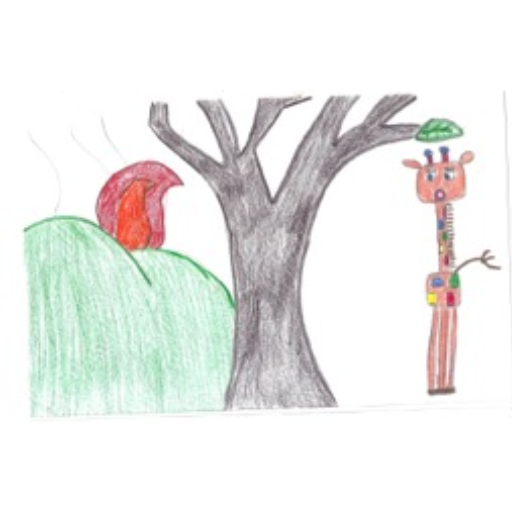
One morning, as Gabby Giraffe was eating the last leaf from the tall tree in her backyard, she noticed flames far off in the distance.
“Oh, dear! It’s a fire! I must go help,” she exclaimed.
She raced to the nearby watering hole where her friends were all gathered.
“Hurry, hurry! There is a fire and we must go help!,” shouted Gabby.
As quickly as they could, they all hurried towards the fire.
When they arrived, they could see a small house engulfed in flames.
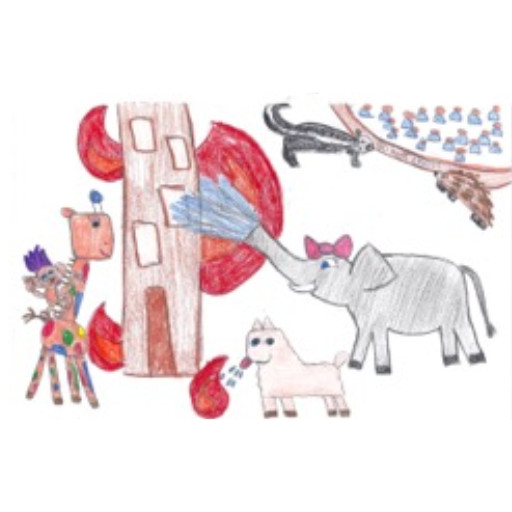
“Quickly, Sara Skunk and Peter Porcupine!,” shouted Gabby Giraffe. “You must keep the crowd back away from the fire! Use your quills and smell to keep the crowds away!”
As Sara and Peter rushed toward the crowd, Eloise Elephant sprayed water on the flames.
“Good idea!,” said Linus Llama, as he joined in and spit on the fire.
“Malcolm, climb up my neck and help me save the children in the house!,” said Gabby Giraffe.
Quick as a wink, Malcolm Monkey leapt on to her neck and helped the children to safety.
- Full access to our public library
- Save favorite books
- Interact with authors
- < BEGINNING
- END >
-
DOWNLOAD
-
LIKE(1)
-
COMMENT()
-
SHARE
-
SAVE
-
BUY THIS BOOK
(from $11.39+) -
BUY THIS BOOK
(from $11.39+) - DOWNLOAD
- LIKE (1)
- COMMENT ()
- SHARE
- SAVE
- Report
-
BUY
-
LIKE(1)
-
COMMENT()
-
SHARE
- Excessive Violence
- Harassment
- Offensive Pictures
- Spelling & Grammar Errors
- Unfinished
- Other Problem





COMMENTS
Click 'X' to report any negative comments. Thanks!