Mrs. Boland

The kiwi’s natural habitat is in remote forest areas, usually nesting in burrows, hollow logs or under vegetation. You are more likely to hear the males’ loud screeching call or the females’ hissing sound in the wild. For those determined enough to see a kiwi in its natural habitat, kiwi spotting tours will give you a better chance of making dreams come true.
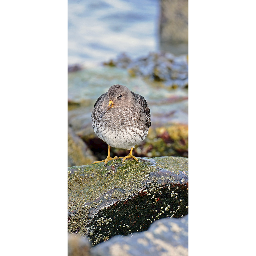
Kwi Bird Apyterx deliciosa
Kiwi are flightless – their Latin species name is Apteryx, which means wingless. ... Kiwi habits and physical characteristics are so like a mammal the birdis sometimes referred to as an honorary mammal. It has feathers like hair, nostrils at the end of its beak and an enormous egg.
There are about 68,000 kiwi left in all of New Zealand. We are losing 2% of our unmanaged kiwi every year –that's around 20 per week. The egg averages 15% of the female's body weight (compared to 2% for the ostrich). Females are larger than males (up to 3.3 kg and 45 cm). Kiwi are long-lived, and depending on the species live for between 25 and 50 years.
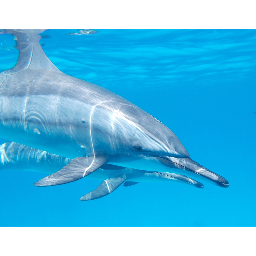
Hectors dolphin
Cephalorhynchus hectori
There is a subspecies of Hector's dolphin known as Maui's dolphin that is critically endangered and estimated to have a population of only 55. They are found only in the shallow coastal waters along western shores of New Zealand's North Island.
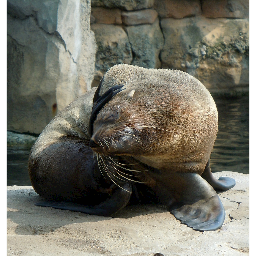
The New Zealand fur seal, southern fur seal or long-nosed fur seal, is a species of fur seal found around the south coast of Australia, the coast of the South Island of New Zealand, and some of the small islands to the south and east of there.
Fur Seal
Arctocephalus forsteri
The New Zealand fur seal generally tends to stay close to land and is typically found on rocky shores where it readily enters areas of coastal vegetation behind the shoreline (1) (6) (7). At sea, it is thought to prefer waters of the continental shelf and slope (6).
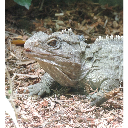
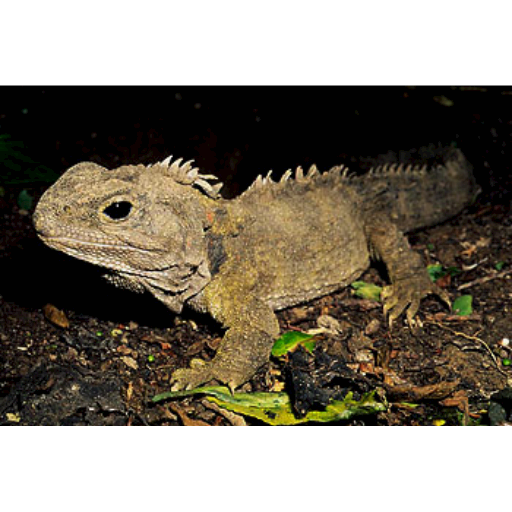
Tuatara are reptiles endemic to New Zealand. Although resembling most lizards, they are part of a distinct lineage, the order Rhynchocephalia. Their name derives from the Māori language, and means "peaks on the back".
TuaTara
Hatteria punctata
The name “tuatara” is a native Maori word meaning “peaks on back” or “spiny back.” Tuataras have no external ears as lizards do; they enjoy cooler weather, while lizards like it warm; and, unlike lizards, tuataras are nocturnal. But their most curious body part is a “third eye” on the top of the head.
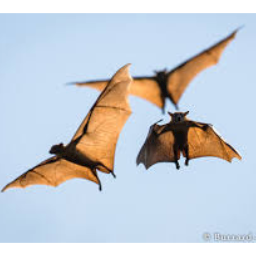
The lesser short-tailed bat (Mystacina tuberculata), pekapeka-tou-poto in Māori, is the only living species of bat in the family Mystacinidae, and is endemic to New Zealand. One of the most terrestrial of bats, it is notable for foraging more on the forest floor than any other bat species.
Pekapeka bats// (Chalinolobus tuberculatus)
- Full access to our public library
- Save favorite books
- Interact with authors
- < BEGINNING
- END >
-
DOWNLOAD
-
LIKE(1)
-
COMMENT()
-
SHARE
-
SAVE
-
BUY THIS BOOK
(from $3.59+) -
BUY THIS BOOK
(from $3.59+) - DOWNLOAD
- LIKE (1)
- COMMENT ()
- SHARE
- SAVE
- Report
-
BUY
-
LIKE(1)
-
COMMENT()
-
SHARE
- Excessive Violence
- Harassment
- Offensive Pictures
- Spelling & Grammar Errors
- Unfinished
- Other Problem





COMMENTS
Click 'X' to report any negative comments. Thanks!