
Vietnam Era
Ciara Luke
Ho Chi Minh- Indochinese Communist Party leader, founded in 1930.
Dien Bien Phu- Where the Vietminh overran French outpost in northern Vietnam.
Geneva Accords- Temporarily divided Vietnam along the 17th parallel.
Ngo Dinh Diem- South Vietnam's president, a strong anti-Communist refused to take part in the countrywide election of 1956.
Vietcong- A Communist operation group in the South had begun attacks on the Diem government.
Gulg of Tonkin- On August 2, 1964, a North Vietnamese patrol boat fireda torpedo at an American destroyer, the USS Madox.
Resloution- Congress approved President Johnson's request, with only 2 senators voting against it. Granted Johnson broad military powers in Vietnam.
Ho Chi Minh Trail- Network of roads built from North Vietnam to the South through neighboringcountrues of Laos and Cambodia.
Napalm- Gasoline-based bomb that the U.S dropped.
Agent Orange- A leaf-killing toxic chemical that was sprayed on the bomb.
Credibility Gap- Charges were growing between what the Johnson administration reported and what was really happening.
Vietnamization- Policyto end the U.S involvement in the Vietnam War through a program.
Silent Majority- It was popularized by U.S President Richard Nixon in a speech "And so tonight-to you, the greast silent majority of my fellow Americans-I ask for your support."
My Lai Massacre- Vietnam War mass killing betwee 347 and 504 unarmed civilians in South Viernam.
Kent State University- A large residential, public research university in Kent, Ohio.
Pentagon Papers- Name given to a secret Department of Defense study of U.S political and military involvement.
War Powers Act- Congress passed this in November, 1973 which stipulated that a president must inform Congress within 48 hours of sending forces into a hostile area withought declaration of war.
Early Years of Vietnam
The U.S wanted to prevent areas of the world falling under Communist influence. The U.S saw Vietnam as another Korea.
Robert McNamara- An American business executive and the eighth Secretary of Defense.
It granted Johnson broad military powers in Vietnam and he did not tell Congress or American people that he U.S had been leading secret raids.
In the draft all males when they turn 18 have to register with their local draft boards, all men between ages 18 and 26 would be called into military service. Some men could get out of it for medical issues or if they get accepted into a college.
The Vietnam War was a long, costky armed conflict that pitted the communist regime of North Vietnam and it's Southern allies. More than 3 million people were killed in the war and many countries were involved.
The Tet Offensive launched one of the most daring military campaigns in history and was a real turning point in the Vietnam War.
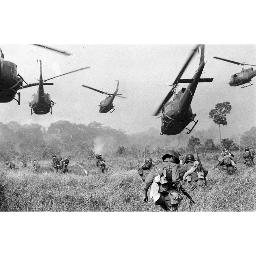
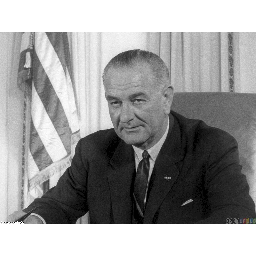
The Year of 1698
Martin Luther King was assasinated in Memphis, TN ata hotel by James Earl Ray from being shot at the neck on April 4th, 1968. MLK was a civil righs leader, a Baptist minister, and a founder of the Southern Christian Leadership Conference.
Bobby Kennedy- On June 5, 1968, presidential candidate Robert F. Kennedy as fatally shot at the Ambassador Hotel in L.A. Sirhan Sirhan was convicted of the murder and sentenced to death in 1969. He was a Palestinian immigrant and 24 years old.
Tet Offensive- Massive North Vietnamese suprise attack on January 31, 1968 and over 70,000 Vietnamese from the North launched the Tet Offensive, a coordinate series of fierce attacks on more than 100 cities and towns in South Vietnam.
Walter Cronkite's opinion about the Tet Offensive changed America's perception of the Vietnam War, on February 27th 1968 during a CBS Special News Report. He was parting words and did a three minute speech. It's his famous Vietnam commentary. His opinion mattered so much because of how much he elaborated.
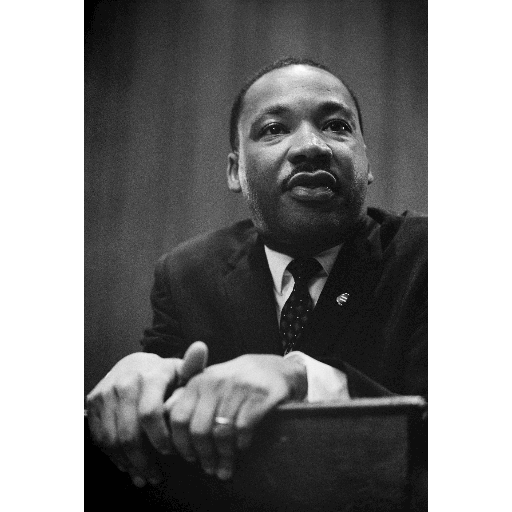
1960's Culture
A hippie is a peson of unconventional appearance, typically having long hair and wearing beads, associating with a subculture involving a rejection of conventional values and taking hallucinogenic drugs.
Some hippies would go out into a public area together and all go naked with legit no clothes on their body. They would all have functions and do different types of activities.
Mainly they would sart taking the drug called "acid" which is partially a LSD drug that makes you hallucinate like crazy and see stuff that goes out in exageration.
Hippies listened to a mixture of music but mosty was into the genre of rock 'n' roll. They were usually the most known of being adventurous and curious about a variety of things in the 60's including with the music.
Later Years of Vietnam
President Richard Nixon announced the first U.S troop withdrawals from Vietnam and states, "We have to get rid of the nightmares we inherited," "One of the nightmares is war without end." Nixon didn't agree with the war and wanted to put it to an end.
Violence of disaster occured at Kent State University in Ohio. A massive student protest led to the burning of the ROTC building. In response to the growing unrest, the local mayor called in the National Guard. On May 4, 1970, the guards fired live ammunition into a crowd of campus protestors who were throwing rocks at them.
The trial on the My Lai Massacre wa important because it was about how hundreds of people got killed and weren't even armed. It is probably one of the most infamous acts in history. The massacre occured right after the Tet Offensive.
By the end of 1973 almost all U.S military had left South Vietnam and the conflict of the south continued in 1974.
Veterans coming home were suprised on their arrival because they were treated unhonorably and were treated as the face of the "unpopular."
Over 58,000 were killed and 304,000 were wounded in the Vietnam War.
The overrall cost of the Vietnam War was $173 billion, including interests.
President Richard Nixon
As President Nixon settled into the White House in January of 1969, negotiations to end the war in Vietnam were going nowhere.
The Watergate Scandal that occured in the U.S in the 1970's. It followed a break-in at the Democratic National Committee headquarters at the Wstergate office complex in Washington D.C. in 1972. President Nixon's administration attempted cover up of it's involvement.
President Nixon made a resignation speech on August 8, 1974. The purpose of the speech was for Nixon, who had been involved in the events of the Watergate Scandal which erupted during his second term. He announced he was resigning from office.
- Full access to our public library
- Save favorite books
- Interact with authors
- < BEGINNING
- END >
-
DOWNLOAD
-
LIKE
-
COMMENT()
-
SHARE
-
SAVE
-
BUY THIS BOOK
(from $5.19+) -
BUY THIS BOOK
(from $5.19+) - DOWNLOAD
- LIKE
- COMMENT ()
- SHARE
- SAVE
- Report
-
BUY
-
LIKE
-
COMMENT()
-
SHARE
- Excessive Violence
- Harassment
- Offensive Pictures
- Spelling & Grammar Errors
- Unfinished
- Other Problem





COMMENTS
Click 'X' to report any negative comments. Thanks!