7th Hour Biology

Function of the Nervous System
The function of the nervous system is to transmit signals to different parts of the body to tell them what to do.
Nervous System
Brain-Controls motor function and the bodies ability to balance and interpret information.
Brain stem- Controls flow of messages to the brain.
Ear- Sound goes through the pinna into the eardrum so we can hear wave lengths.
Eye- Nerve signals are travel from both eyes and correspond with optic nerves to the back of the brain.
Peripheral Nerves- Control sensation, movement and motor cordnation .
Olfactory Cells-Specialized to allow someone to smell odors.
Spinal Cords- Connects peripheral nervous system to the brain and transmits sensory neurons to the brain.
Taste Buds- Allow a person to taste different flavors.
Brain Brain Stem Ear Eye
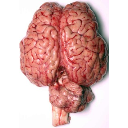
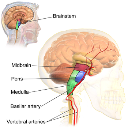
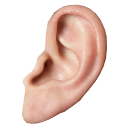

Peripheral Nerves Olfactory Cells
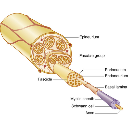
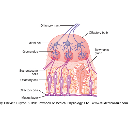
Spinal Cord Taste Buds
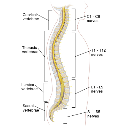
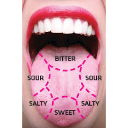
Nervous Sytems Fun Facts
There are more nerve cells in the human brain than there are stars in the Milky Way
Your nervous system cannot function properly in the absence of potassium and sodium ions.
There are 100 billion neurons in your brain alone
Excretory System
The function of the Excretory System is to eliminate waste products in the body formed by homeostasis.
Bladder- Urine is stored in the bladder until it exits the body.
Kidney- The function of the kidney is to extract waste from blood, form urine, and aid other important bodily functions/
Ureters- The function of the Ureters is to carry urine from the Kidney to Bladder.
Urethra - The Urethra carries urine from the bladder to the outside of the body.
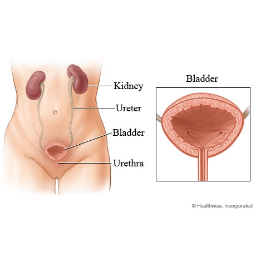
Bladder
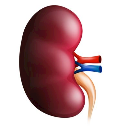
Kidney
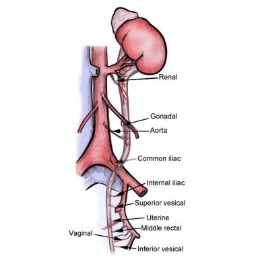
Ureter
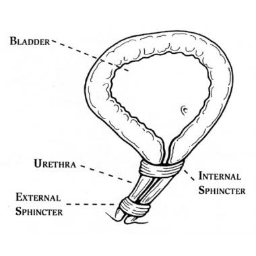
Urethra
Excretory System Facts
1.) You can live a healthy life with one kidney
2.) The Bladder is around the same size and weight as the brain.
3.) The average person urinates 3000 times a year
4.)Your bladder can hold up to 24 ounces of fluid.
5.)Urine produced in the kidneys moves to the urinary bladder through the ureters, each of which is about 25-30 cm long
Cardiovascular System
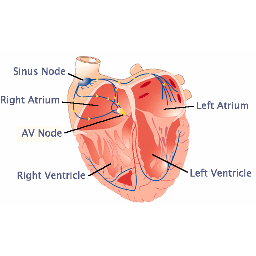
Heart- Functions as a pump for the movement of blood.
Arteries- Carry oxygenated blood away from the heart to the tissues.
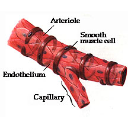
Arterioles-A small branch of an artery leading into capillaries and allows blood to enter them.
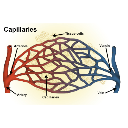
Capillaries- Fine branching blood vessels that form a network between arterioles and venules.
Ventricle- Pumps oxygenated blood to the tissues of the body.
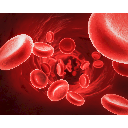
Blood- Supplies essential nutrients to cells.
Cardiovascular System Continued
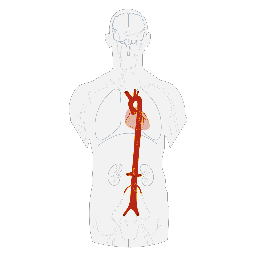
Aorta- Distributes blood to all parts of the body through systemic circulation.
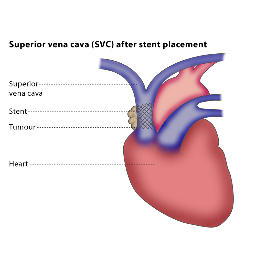
Superior Vena Cava- Returns the deoxygenated blood from the systemic circulation.
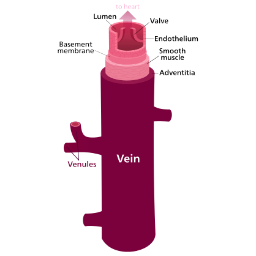
Vein- They are responsible for returning deoxygenated blood back to the heart after arteries carry blood out.
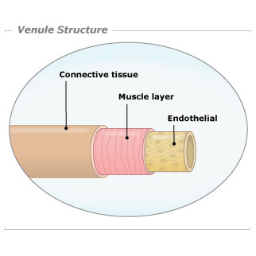
Venules- allow blood to return from the capillary beds to drain into the larger blood vessels
Atrium- Blood enters the heart through the two atria and exits through the two ventricles
Arterioles Capillaries
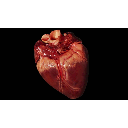
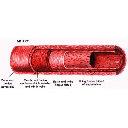
Ventricle Blood
Heart Arteries
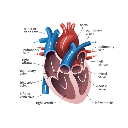
Aorta
Superior Vena Cava
Vein
Venules
Atrium
Cardiovascular System Fun Facts
When you’re 80 years old your heart will have beat 3,363,840,000 times
The left side of the heart and the right side have different jobs
Laughter is good for your heart
Function of the Cardiovascular System
The function of The Cardiovascular system allows blood to circulate through a network of vessels throughout the body to provide individual cells with oxygen and nutrients and helps dispose of metabolic wastes. The heart pumps the blood around the blood vessels.
Digestive System
The function of the Digestive system is to turn the food you eat into energy for your body.
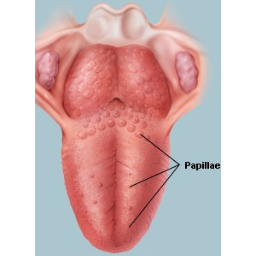
Tongue- To swallow and chew food, also for talking.
Colon (Large intestine)- To absorb fluids, take the waste from the body and take it out.
Pharynx- The walls that make a pathway for the food that you swallow, travels from your mouth to your esophagus.
Esophagus- Takes the food that you swallow and move it to your stomach
Salivary Glands- Produces saliva for parts of the digestive system
Gall Bladder- To store bile
Small Intestine- Digestion and the absorption of the food we eat.
Pancreas- produces digestive juices and enzymes in the body.
Digestive System Organs Continued
Stomach- Produces acids and enzymes to digest foods
Liver- Regulates blood, sugars, proteins, and fats that goes into the bloodstream.
Teeth- To tear and chew the foods you eat.
Digestive System Pictures
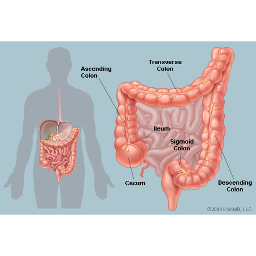
Colon (Large Intestine)
Tongue
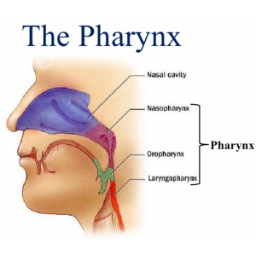
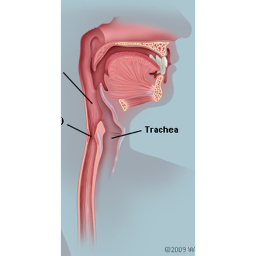
Esophagus
Digestive System Pictures continued
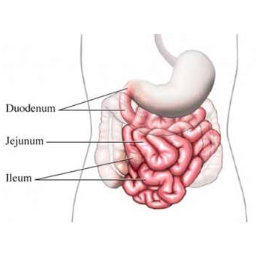
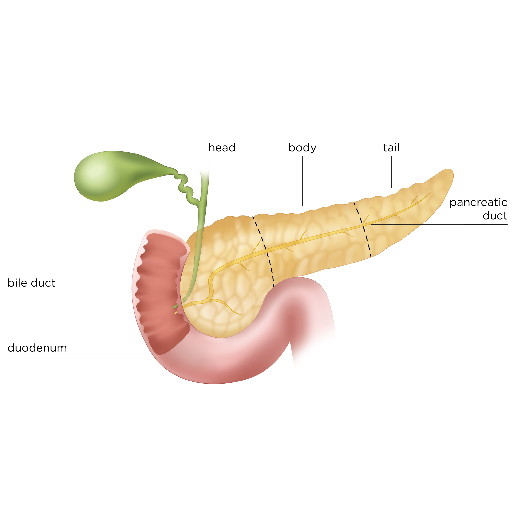
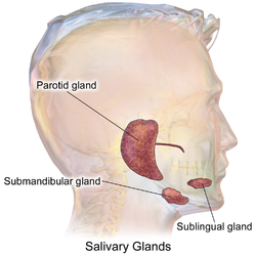
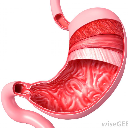
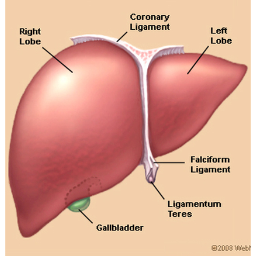
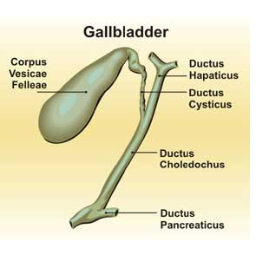
Pancreas
Liver
Small Intestine
Stomach
Digestive System Fun Facts
The whole length of your whole digestive system is 30 ft.
it takes 2-5 seconds for your food to go from your throat to your stomach
We secrete about 1 liter of saliva each day
Endocrine System Function
Produces hormones and chemical substances that regulate the cells and organs of the body. They regulate things such as growth and metabolism.
Adrenal Glands- Produce hormones that help control blood sugar and burn protein and fat it also has reactor sensors that detect illness and injury.
Hypothalamus-Link the nervous system to the endocrine system using the pituitary gland.
Pancreas- Converts food we eat into "fuel" for the body.
Endocrine system parts cont.
Pineal Gland- regulates reproductive hormones and helps control the circadian rhythm.
Pituitary Gland- Produces hormones critical to the body.
Thymus- "trains" and develops the T-cells in our body.
Thyroid Gland-Plays a major role in maturing metabolism and growth.
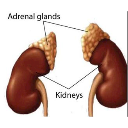
Adrenal Glands
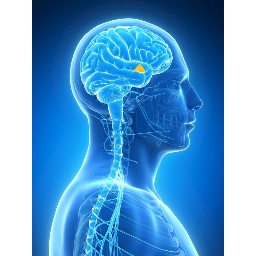
hypothalamus
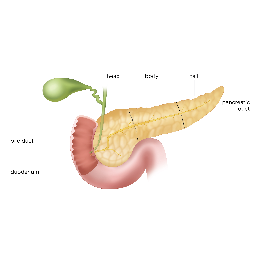
pancreas
Pineal Gland
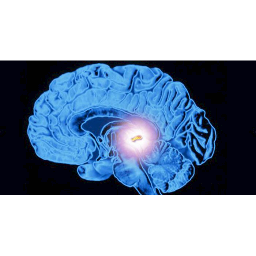
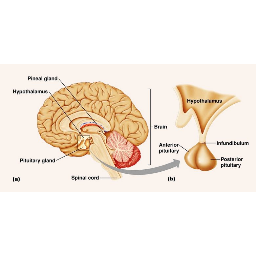
Pituitary gland
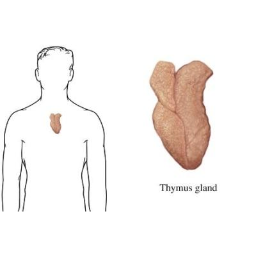
Thymus
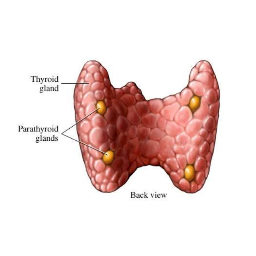
Thyroid Gland
Endocrine System Fun facts
The Hypothalamus makes you feel hungry and thirsty.
There are 30 hormones in the human body
Glands are small organs located throughout your body.
Immune System Function: The function of the immune system is to work together to protect the body
Appendix: Technically unknown.
Lymph Node: defend the body against microorganisms and against harmful foreign particles.
Spleen: Filters blood
Skin: protection, regulation and sensation
Thymus: training and development of T-lymphocytes or T cells
Tonsil:protecting the body against respiratory and gastrointestinal infections
Immune System Pictures
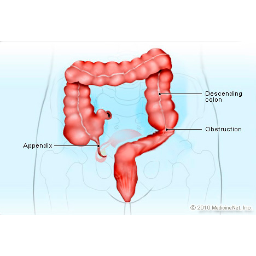
Appendix

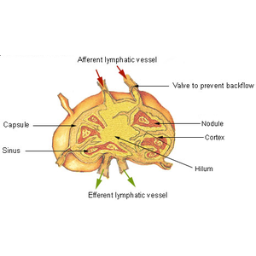
Lymph Node
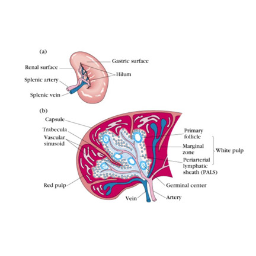
Spleen
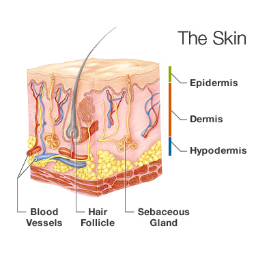
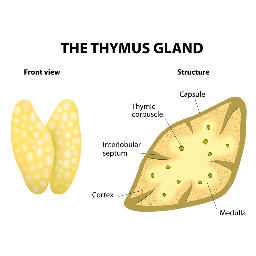
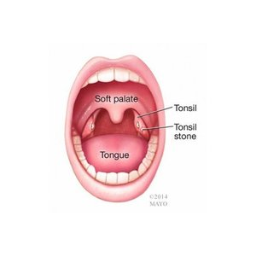
Tonsil
Immune System Fun Facts:
- Stress can affect the way your immune system works.
- Vaccines play an important role in educating your immune system.
- Your immune system can attack itself.
- Full access to our public library
- Save favorite books
- Interact with authors
- < BEGINNING
- END >
-
DOWNLOAD
-
LIKE
-
COMMENT()
-
SHARE
-
SAVE
-
BUY THIS BOOK
(from $8.39+) -
BUY THIS BOOK
(from $8.39+) - DOWNLOAD
- LIKE
- COMMENT ()
- SHARE
- SAVE
- Report
-
BUY
-
LIKE
-
COMMENT()
-
SHARE
- Excessive Violence
- Harassment
- Offensive Pictures
- Spelling & Grammar Errors
- Unfinished
- Other Problem





COMMENTS
Click 'X' to report any negative comments. Thanks!