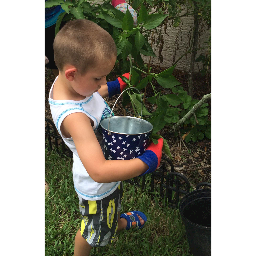
This book is dedicated to my five-year-old nephew Caleb for always being the first person to lend a hand in the garden or anywhere else, I love you!

Florida is a state that has the perfect combination of rain, sunshine, and rich soil for growing a plentiful garden. Anyone can start a garden, all you need is a little help to get started! This guide will give you the information to create you a garden in your very own backyard!
Getting your garden started
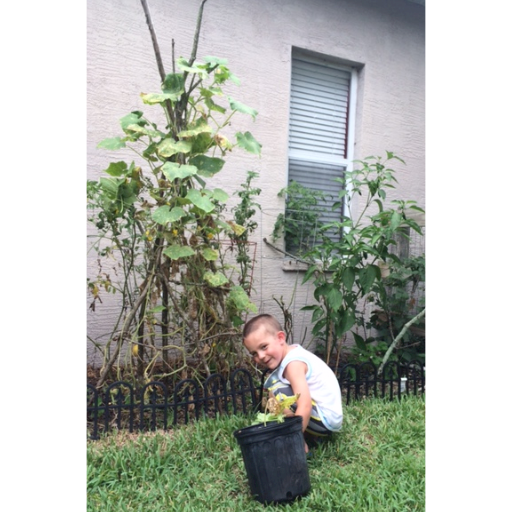
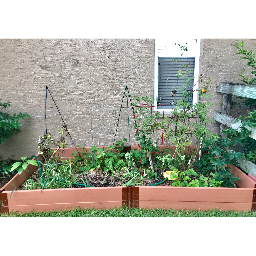
The first thing you have to decide is where to plant your garden. You need to find a place that gets just the right amount of sunshine for the fruits or vegetables you want to grow. You need to find a place with soil (dirt). You also need to make sure you have enough room for all of your plants to grow.
Knowing what to plant
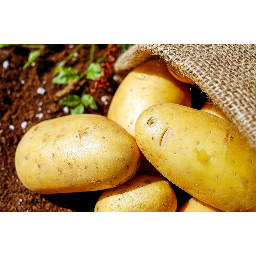
Next, you need to make sure that you choose plants that can grow next to each other. Do your research! Some plants stop others from growing! For example, tomatoes should not be planted near potatoes. Also, most bean plants should be planted by themselves.
Soil and nutrients
Fruits and vegetables need to be
planted in dirt, called soil. You should
also add nutrients to your soil to help
your plants grow. One easy way to do
this is to sprinkle crushed eggshells
and coffee grounds around your
plants. You can also buy plant fertilizer
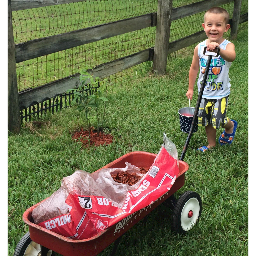
at the store. Lastly, you can also make your own compost by collecting dead plants in your yard, and the parts of fruits and vegetables that you do not eat!
Research how to make your own compost with a parents help!
Sunshine
Your plants will need plenty of sunshine to grow big and tall. Most plants need about 6 hours of sunlight a day. Florida is a very hot state, so make sure you choose a place that does not get too much sun!
Water, water, water!
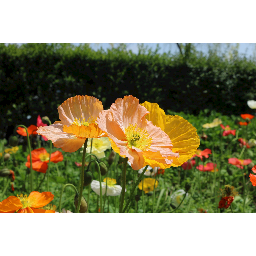
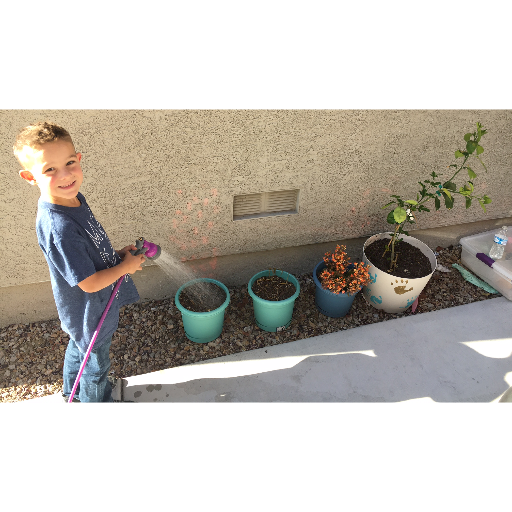
It is very important that you have a good source of water close to your garden. Even though it rains sometimes, you will have to water your plants on days that it does not. The best source of water is an outdoor hose- just make sure it can reach!
Getting ready to plant
For first-time gardeners, it is a good idea to buy seedlings at the store, and transfer- or move- them into your garden. This way, your plants will already have started growing and can continue to grow once you plant them. When you are ready to transfer your plants, dig a small hole in the soil, carefully pick up your plant and all of its roots, and place it in the hole. Pack in the soil by gently pressing around the plant to make sure that it stays in place.
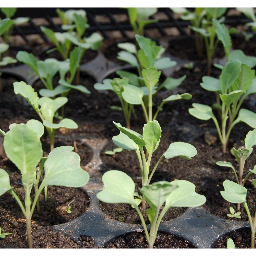
This is a picture of seedlings look like, which you can buy a store.
Knowing when to plant
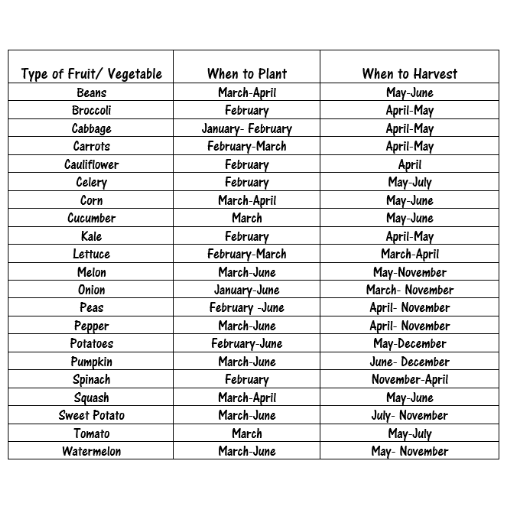
The beginning of spring time is the most common time to plant your seedlings. However, most plants should be planted at specific time in the year. There is a chart at the end of this book
that tells when certain
plants should be planted,
and about how long until
they will be ready to be
picked.
Knowing when to harvest
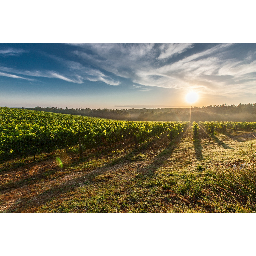
For some plants, it is easy to tell when they are ready to be picked. For fruits and vegetables that grow out of the ground (such as tomatoes, peppers, and berries), you should always pick them right before they are ripe. That means you should pick them right before they look like they are ready to eat. They will ripen after sitting in your kitchen for one or two days, and they will be safe from any pests!
Dealing with pests
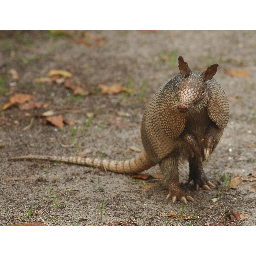
Pests are bugs or small animals that attack the plants in your garden. Insects are very common pests in Florida. One way to stop insects from harming your plants is to plant marigolds (see picture below) around your garden. Florida also has small animals such as armadillos and squirrels that like to eat fruits and vegetables. Placing wire over your plants can help keep these 'critters' away.
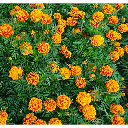
marigolds
armadillo
Easy guide for growing fruits and vegetables in Florida
Glossary
compost (noun): a mix of decaying substances used to fertilize soil
nutrients (noun): substance that provides nourishment or nutrition
pest (noun): small animal that attacks plants or a garden
ripe (adjective): arrived at the stage of growth to consume
root (noun): part of the plant that grows down into the soil
seedling (noun): plant grown from a seed
Resources
Brown, S.P., Treadwell, D., Stephens, J.M. & Webb, S. (2015). Florida Vegetable Gardening Guide. Horticultural Sciences Department, UF/IFAS Extension.
The Old Farmer's Almanac. (2017) Planting Dates Calculator for Gainesville, FL. Retrieved from http://www.almanac.com/gardening/planting-dates/FL/Gainesville
Tisch, C. (2015) Yes, you can grow a garden of vegetable in Florida; here's how. Tampa Bay Times. Retrieved from http://www.tampabay.com/things-to-do/food/cooking/yes-you-can-grow-a-garden-of-vegetables-in-florida-heres-how/2242565
Toye, Nancy. (2017, June 3). How to Plant a Garden. [Personal Interview]
- Full access to our public library
- Save favorite books
- Interact with authors
- < BEGINNING
- END >
-
DOWNLOAD
-
LIKE(2)
-
COMMENT()
-
SHARE
-
SAVE
-
BUY THIS BOOK
(from $4.39+) -
BUY THIS BOOK
(from $4.39+) - DOWNLOAD
- LIKE (2)
- COMMENT ()
- SHARE
- SAVE
- Report
-
BUY
-
LIKE(2)
-
COMMENT()
-
SHARE
- Excessive Violence
- Harassment
- Offensive Pictures
- Spelling & Grammar Errors
- Unfinished
- Other Problem





COMMENTS
Click 'X' to report any negative comments. Thanks!