


This book is dedicated to all those interested in the world of kitchen chemistry.
(P.S. Can you find the little blue person in each picture?)

Dear reader, you have officially entered the world of kitchen chemistry. Now, have you ever made a cookie before? Or, have you made a science project with an adult?
Did you know that making a science project and baking a gooey cookie are very similar? Baking a cookie and making a science project both use chemistry. But, what is chemistry?







Chemistry is the study of matter, and how that matter can change with other substances. Chemistry is just like an experiment, you start with an object and the outcome is different in the end.
There are all types of chemistry. One type is kitchen chemistry.






Now reader, kitchen chemistry is the reactions between objects and food in the kitchen.
You may be wondering why we are talking about kitchen chemistry. Well, we are talking about kitchen chemistry because it is part of the world of chemistry.

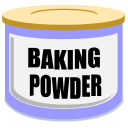



Kitchen chemistry is important in the real world because without it, we would not be able to enjoy cookies and other baked goods, preform science experiments, or use cleaning supplies! You may wonder, how can this be?
Now, let's travel even deeper into the world of chemistry so we can get a better understanding!











Reactions are very important in the world of kitchen chemistry because it is how substances like sugar and wheat communicate. By communication, they either call each other or mix together. One reaction is called the Maillard reaction. If you have made cookies before, did you know you are using the Maillard reaction?
The Maillard reaction is when sugar communicates with wheat, to make a golden brown color on the top of the baked good. The Maillard reaction looks just like a fresh baked cookie!
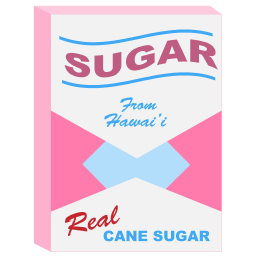
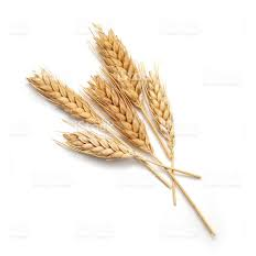


MAILLARD REACTION:


There are many other ways that substances communicate with each other too!! If we were to talk about all of the reactions, we would be here for hours, and hours, and hours and hours....
To break it down, there are two types of reactions, endothermic and exothermic. Even though these words seem really big, the definition is easier to understand when it is broken down.
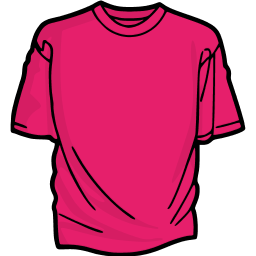


Exothermic and endothermic.



The Maillard reaction.
Gluten=water+wheat flour
Acids+baking soda= carbon dioxide
Yeast activates with water and uses sugars as food.

Exothermic means to release energy. Just like a candle releases heat when it burns.
Endothermic means to consume energy from the surrounding energy. An example of this would be baked goods consuming or taking heat from the oven to make the final result of a baked good!
These reactions help us to realize what a reaction can be called and how we can categorize it.
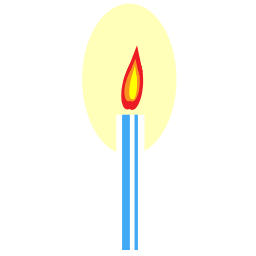
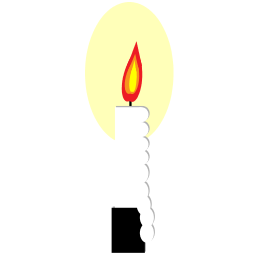
Exothermic.
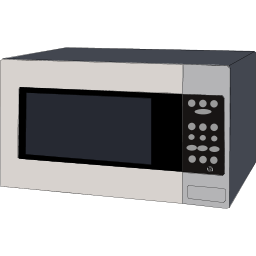

Endothermic.

Also, the different communications between liquids in the world of chemistry can be determined in three categories, bases, acids, or neutrals.
Sometimes, you may think of a lemon when you hear the word acid. That is because acids make food taste sour. Acids are solutions.
Bases take the sourness out of the acids. Or, the bases level out the acids. Bases are substances.


Acids
(without bases)
Bases
(acids leveled out)

- Full access to our public library
- Save favorite books
- Interact with authors
- < BEGINNING
- END >
-
DOWNLOAD
-
LIKE
-
COMMENT()
-
SHARE
-
SAVE
-
BUY THIS BOOK
(from $5.19+) -
BUY THIS BOOK
(from $5.19+) - DOWNLOAD
- LIKE
- COMMENT ()
- SHARE
- SAVE
- Report
-
BUY
-
LIKE
-
COMMENT()
-
SHARE
- Excessive Violence
- Harassment
- Offensive Pictures
- Spelling & Grammar Errors
- Unfinished
- Other Problem





COMMENTS
Click 'X' to report any negative comments. Thanks!