Dedicated to my first client with autism, Brennan.

Table of contents
- Introduction- 3
- Talking to Your Friend with Autism- 4
- Common Characteristics- 5-6
- Adaptive Behavior-8
- What is the Spectrum of Autism?-9
- How Autism is Treated- 10
- Inclusion-11
Introduction
Welcome to the world seen quite differently by people with Autism or Autism Spectrum Disorder (ASD.) Usually, children are diagnosed at an early age because of the apparent symptoms or signs they show. There are all kinds of people who have Autism. Let's take a look at the different aspects so that we may better understand our friends!

Hi there, my name is Jacob and I would like to follow along and help you and others learn important facts about Autism!
Talking to Your Friend with Autism
You may notice that your friend with Autism does not always seem to want to make friends or talk to others. A lot of times, it is extremely difficult for people with Autism to communicate with others. Usually, when a person with Autism does not respond immediately to something you say, he or she is experiencing Sensory Sensitivity. This means there is too much noise or it may be too crowded in the area you are in.

I really do like to make friends and talk to others, but a lot of times I don't know how to. To be a helpful friend, give me time to respond and feedback on different things I say.
Common Characteristics
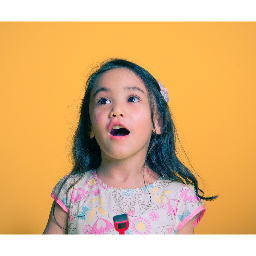
You may notice your friend repeating the same actions over and over again. He or she may check, clean or count items many times. These are called compulsions. Your friend may also repeat what you say or repeat words from movies or recordings. This is called Echolalia.
Common Characteristics
People with Autism have many interests and hobbies. A lot of times, your friend will stay very focused on one hobby and might talk about it several times during conversation. This is called perseveration.
Sometimes, it can be hard for friends with Autism to find new interests. To be a good friend, make sure to keep your friend included in activities with others and show him or her different ways to have fun!

Common Characteristics
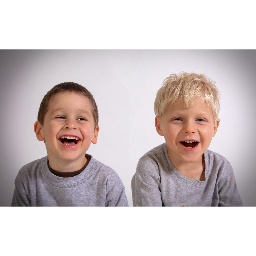
You may notice your friend with autism flaps his hands, makes strange noises or repeats sentences or words frequently. Stimming happens when your friend is nervous, happy, or anxious. This is perfectly normal and you should not be alarmed or become nervous when this happens.
Remember, it is so important to let your friend be himself/herself at all times!
Adaptive Behavior
As mentioned in Common Characteristics, it is important to keep your friend with autism included in different games and after school activities with other people. This will increase their adaptive behavior, which is the ability to adjust to new experiences, interact with new people and participate in new activities and experiences.

- Full access to our public library
- Save favorite books
- Interact with authors
- < BEGINNING
- END >
-
DOWNLOAD
-
LIKE(1)
-
COMMENT()
-
SHARE
-
SAVE
-
BUY THIS BOOK
(from $2.99+) -
BUY THIS BOOK
(from $2.99+) - DOWNLOAD
- LIKE (1)
- COMMENT ()
- SHARE
- SAVE
- Report
-
BUY
-
LIKE(1)
-
COMMENT()
-
SHARE
- Excessive Violence
- Harassment
- Offensive Pictures
- Spelling & Grammar Errors
- Unfinished
- Other Problem





COMMENTS
Click 'X' to report any negative comments. Thanks!