








Dedicated to my wonderful sixth grade teachers:
Mrs. Lamb - Math
Ms. Pauley - Social Studies
Mrs. Roulley - English
Mr. Miller - Science
And my elective teachers so far:
Mr. Quinones - Spanish Exploratory
Ms. Parson - Tech Education
My relatives, and friends :)

Introduction
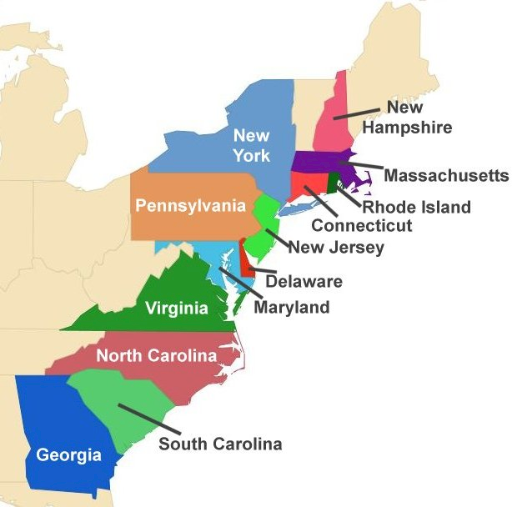
Imagine if you couldn't provide enough supplies for your family. What would you do? Or if you were threatened to be prosecuted because of the religion you believed in? Well, if you lived in the 1600's, you would've traveled to one of the thirteen colonies, which later became the original thirteen United States.
The thirteen colonies can be separated based on their climates and their religions they believed in. Join me through this journey to find out about the thirteen colonies and their characteristics!


Chapter 1: New England Colonies
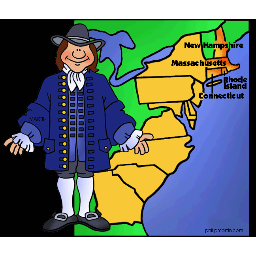
The New England colonies are New Hampshire, Massachusetts, Connecticut, and Rhode Island. The important locations located here were Plymouth and Massachusetts Bay (Read next pages.) This area was located in the Appalachian Highlands region. Since their climate was very cold because they were up north, they had poor soil, had short growing seasons, and their exports were ships, naval supplies, metal tools, and dry fish. That also brings up that since the soil was so cold, they had to fish for food.


Social Life | Religion | Education
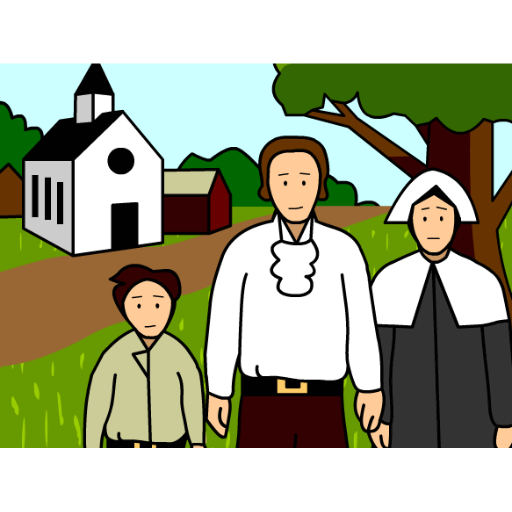
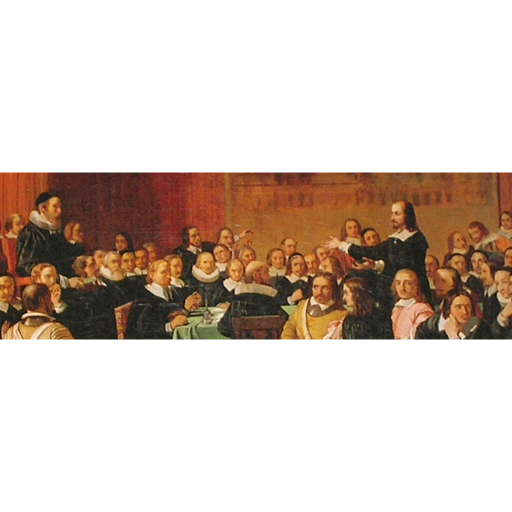
Mostly Puritans and Separatists (Pilgrims of Plymouth) lived here. They had town meetings in meeting houses and also church services. Also, religion was integrated in children's education. But Africans were treated differently and probably couldn't receive the same rights as the English.


Plymouth, Massachusetts
This area was home to the separatists, or pilgrims. They came here to escape religious persecution or have religious freedom. The rest of the characteristics are the same as all of the rest of the New England colonies.


Massachusetts Bay
This was where the puritans settled to have religious freedom. They believed that everyone is equal in the eyes of God, unlike the Anglicans or the Church of England. The rest of the characteristics are the same as all of the rest of the New England colonies.


Chapter 2: Mid-Atlantic Colonies
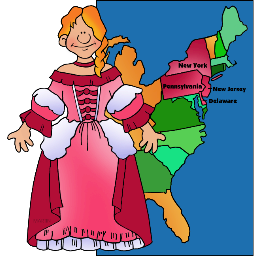
The Mid-Atlantic colonies are New York, Pennsylvania (see next pages), New Jersey, and Delaware. This relatively moderate area was mostly located in the Appalachian Highlands, but also a little bit of the Coastal Plain. Based on their mild climate, their exports were livestock, grain, and fish.


Social Life | Religion | Education
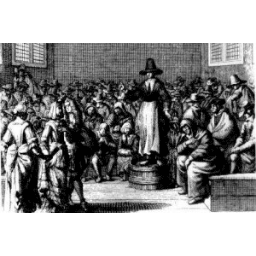
Mostly Quakers lived here but there were varieties of people that lived here such as the Dutch and French. The things that was different from the other colonies was that everyone was accepted and were all treated equally. Therefore, people has lots of religious freedom here.


Freedom of Religion
Quakers
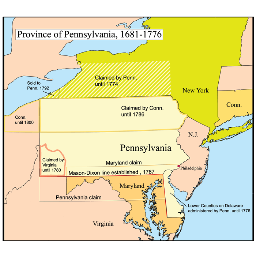
Map
Pennsylvania
This state was where all religions were welcome including Quakers. Therefore, all of the colonists came there for religious freedom. Every other characteristic is the same for all of the other states in the Mid-Atlantic colonies.

- Full access to our public library
- Save favorite books
- Interact with authors

The 13 Colonies

- < BEGINNING
- END >
-
DOWNLOAD
-
LIKE(3)
-
COMMENT()
-
SHARE
-
SAVE
-
BUY THIS BOOK
(from $3.19+) -
BUY THIS BOOK
(from $3.19+) - DOWNLOAD
- LIKE (3)
- COMMENT ()
- SHARE
- SAVE
- Report
-
BUY
-
LIKE(3)
-
COMMENT()
-
SHARE
- Excessive Violence
- Harassment
- Offensive Pictures
- Spelling & Grammar Errors
- Unfinished
- Other Problem

COMMENTS
Click 'X' to report any negative comments. Thanks!