
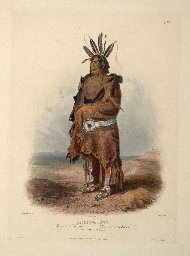
is for Arikara
The Arikara settled near the Mandan and Hidatsa people when they entered North Dakota in 1825. They are also called the Sahnish. “Herman G. and Johnson, L. (2012)”.

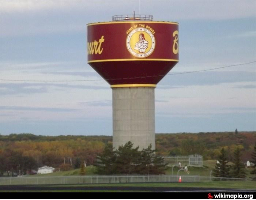
is for Belcourt
Headquarters of the Turtle Mountain Band of Chippewa and is the largest Indian community in North Dakota. “Herman G. and Johnson, L. (2012)”.

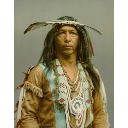
is for Chippewa

Came to North Dakota from the forests of Wisconsin and Minnesota. They live in wigwams and are skilled fur trappers. They are also called the Ojiwa. “Herman G. and Johnson, L. (2012)”.
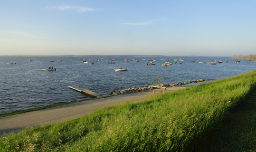
is for Devils Lake
Devils Lake is the Largest body of water in North Dakota. The Dakota name for Devils Lake is Spirit Lake. “Herman G. and Johnson, L. (2012)”.

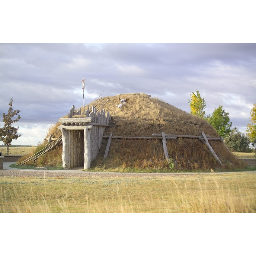
is for Earthlodge
Dome-shaped home made of logs and covered with willow branches, grass, and earth. Used by Mandan, Hidatsa, and Arikara tribes.“Herman G. and Johnson, L. (2012)”.

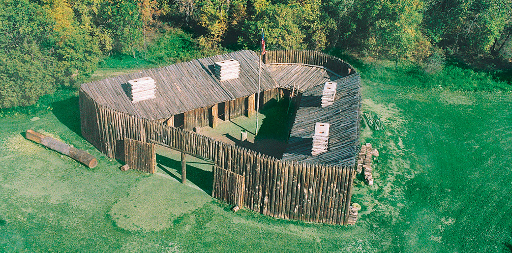
is for Fort Clark
Trading post near Washburn where the smallpox epidemic of 1837 started. “Herman G. and Johnson, L. (2012)”.

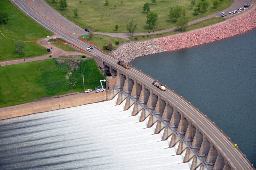
is for Garrison Dam
Built on the Missouri River in the 1950s. Built to block the flow of water to control downstream.“Herman G. and Johnson, L. (2012)”.

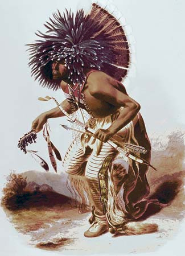
is for Hidatsa
Settled near Mandan people about 400 years ago. They moved from forests of Minnesota to Eastern North Dakota about 100 years before that. “Herman G. and Johnson, L. (2012)”.

is for Immunity
Protection from disease. “Herman G. and Johnson, L. (2012)”.


is for Jewelry
Native Americans use varies parts of animals to make jewelry. “Herman G. and Johnson, L. (2012)”.

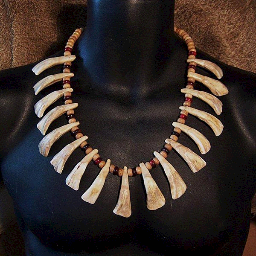
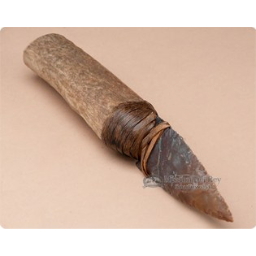
is for Knives
The Native American people make and use knives for various daily tasks. “Herman G. and Johnson, L. (2012)”.

is for Lakota Sioux
The Lakota Sioux is made of of seven major tribes and is the most nomadic of the three Sioux groups. They were expert horsemen. “Herman G. and Johnson, L. (2012)”.

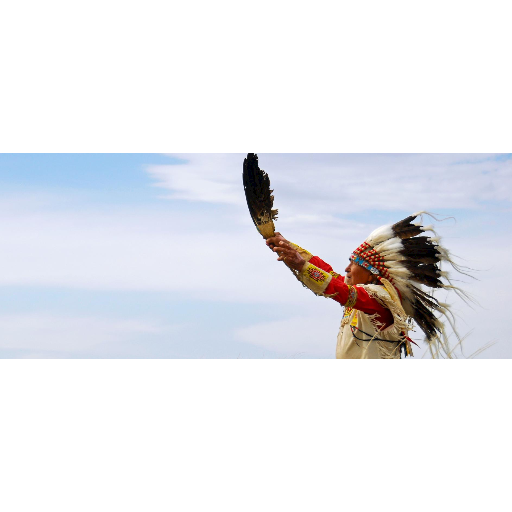
is for Mandan
First modern Indian tribe in North Dakota. They settled along the Missouri River about 900 years ago. “Herman G. and Johnson, L. (2012)”.

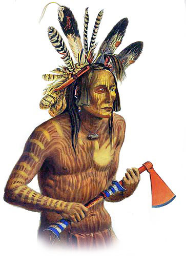
is for Nakota Sioux
Settled in South Dakota and southern North Dakota after they were pushed from Minnesota by the Chippewa. They are divided into two tribes. “Herman G. and Johnson, L. (2012)”.

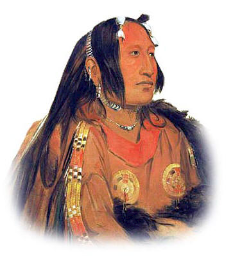
is for Oyate
Formally the Sisseton Wahpeton Tribe. Comprised of two bands or sub-divisons. https://en.wikipedia.org/wiki/Sisseton_Wahpeton_Oyate

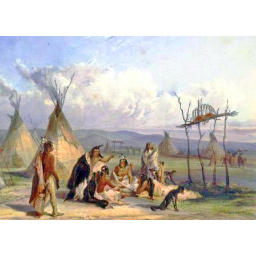
is for Plains Nomadic People
Lived in all parts of North Dakota, they probably came from forests in the east. May have been ancestors of the Sioux Indians. “Herman G. and Johnson, L. (2012)”.

- Full access to our public library
- Save favorite books
- Interact with authors
- < BEGINNING
- END >
-
DOWNLOAD
-
LIKE(1)
-
COMMENT()
-
SHARE
-
SAVE
-
BUY THIS BOOK
(from $5.39+) -
BUY THIS BOOK
(from $5.39+) - DOWNLOAD
- LIKE (1)
- COMMENT ()
- SHARE
- SAVE
- Report
-
BUY
-
LIKE(1)
-
COMMENT()
-
SHARE
- Excessive Violence
- Harassment
- Offensive Pictures
- Spelling & Grammar Errors
- Unfinished
- Other Problem





COMMENTS
Click 'X' to report any negative comments. Thanks!