
Families, also known as groups, are important to understand. Elements in the same group have similar reactivity and chemical properties because they have the same number of valence electrons.
Periods also represent a similarity between their elements. All elements in the same period have the same number of electron orbitals.
Groups
Periods

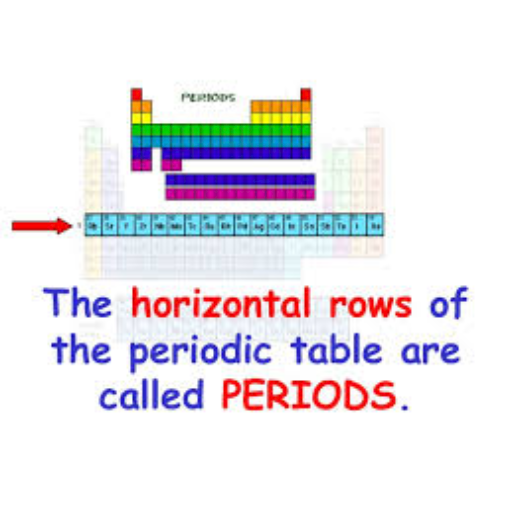
Protons indeed do have an effect on the placements of elements in the periodic table. Generally, the higher the number of protons gets, the farther down the periodic table you will find it.
Protons: Effect on Placement
Elements in the table are sorted by atomic number, and the atomic number is equal to the number of protons in the element.
Why are the number of protons important in the periodic table?


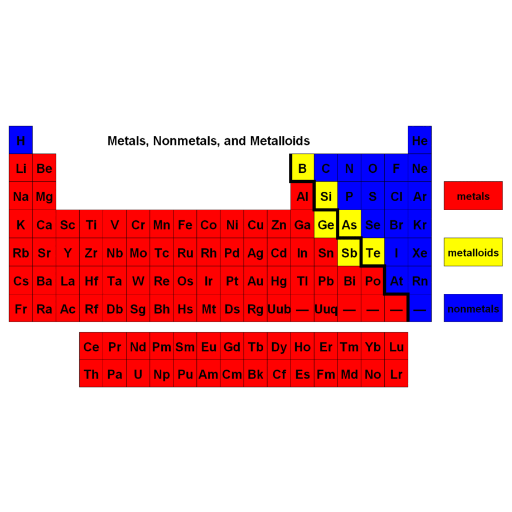
Metals: These are very good conductors of heat and electricity. They have a luster and are malleable. They are found on the left of the zig zag on the periodic table.
Metalloids: They are semiconductors and the malleability and luster is dependent on the element (no specific malleability or luster). They are found on the zig zag.
Non Metals: These are found to the right of the zig zag and these elements are insulators and are not shiny.
The number of valence electrons in an element also contributes to the placement of an element in the periodic table. The number of valence electrons changes the way that elements are grouped (families/groups). For instance, group 1 has elements that have 1 valence electron, group 2 has elements that have 2 valence electrons, and so on. The units digit of the group number is the number of valence electrons in the elements of that group. The only exception to this rule is the transition metal group.
Valence Electrons: Placement
Valence Electrons: Reactivity
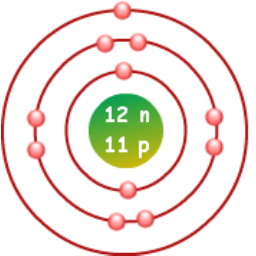
Valence electrons affect reactivity of an element because reactivity is simply created by the losing or gaining of valence electrons. For example, sodium and chlorine bond because chlorine has 7 valence electrons and sodium has 1. Sodium gives its valence electron to chlorine and therefore creates a bond with it.
Alkali Metals
They react very well with water, forming substances like hydroxides and hydrogen gas. Alkali metals also have very low melting and boiling points. These metals are also very malleable and soft.
Lithium, sodium, and potassium are some of the elements in the alkali metals group.
Sodium
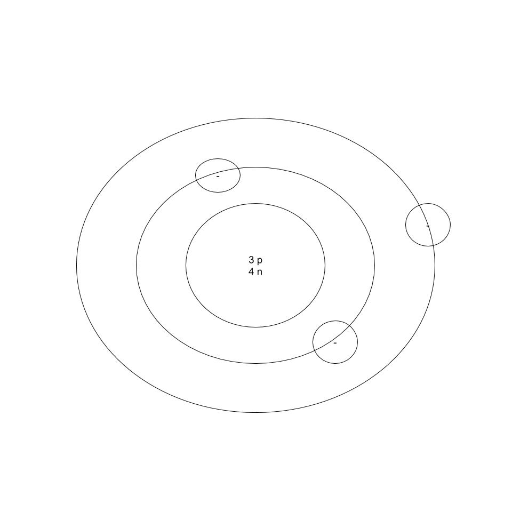
Lithium
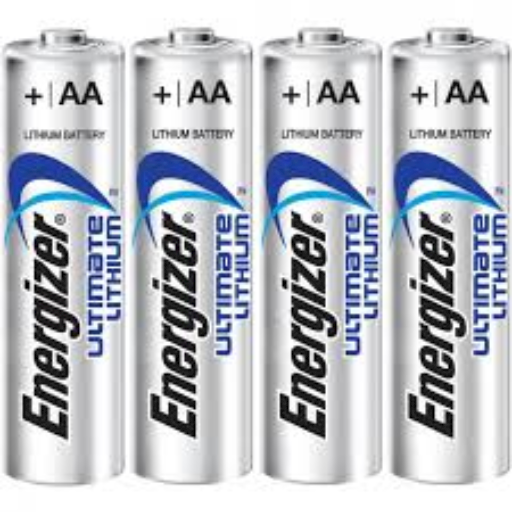
Lithium is used to make efficient batteries and can be used to help stabilize the effects of bipolar disorder.
Sodium can be used to make salt and it is used in baking soda.
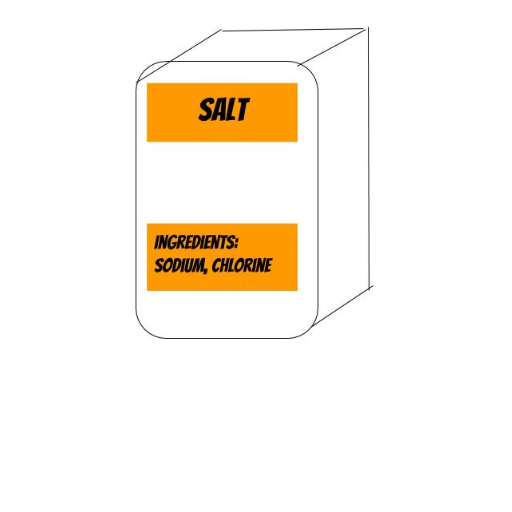
Sodium in Table Salt
Lithium in a Battery
Alkaline Earth Metals
These metals have very high melting and boiling points. They have a very low density as well. They are silver in color and are ductile.
Beryllium, magnesium, and calcium are three of the six elements in the alkaline earth metals family.
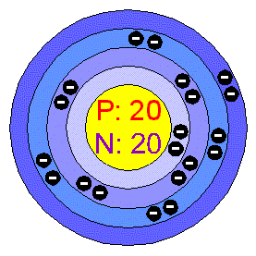
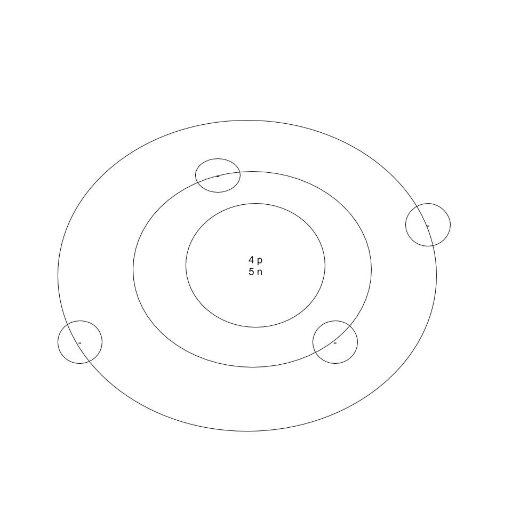
Calcium
Beryllium
Beryllium is used in high speed airplanes and can be found in satellites and missiles.
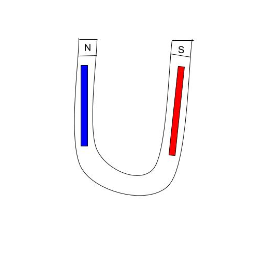
Strontium can be used to make certain types of magnets and is sometimes used for cancer treatment.

Beryllium in an Airplane
Strontium in a Magnet
Transition Metals
Cobalt, manganese, and gold are three of the many transition metals.
These metals have high melting/boiling points. They are hard to the touch. They also have high densities and are good conductors.
Titanium
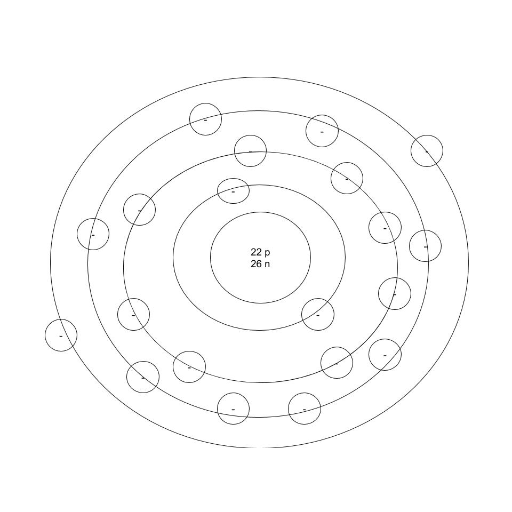
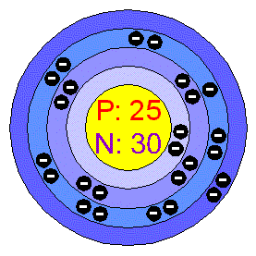
Manganese
Titanium is used everywhere from laptops to bicycles to watches.
Tungsten is used in television tubes and can be found in the filaments of light bulbs.
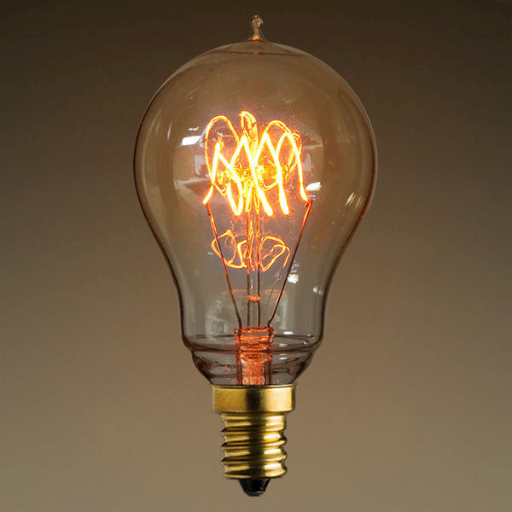
Tungsten in a Light Bulb
Boron Family
They have a low melting point (except for boron). They are good electrical conductors. Generally, as the temperature increases, so does the reactivity for this family.
Boron, aluminum, and thallium are three elements from this group.
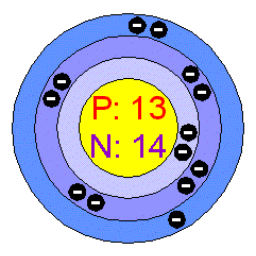
Aluminum
Boron
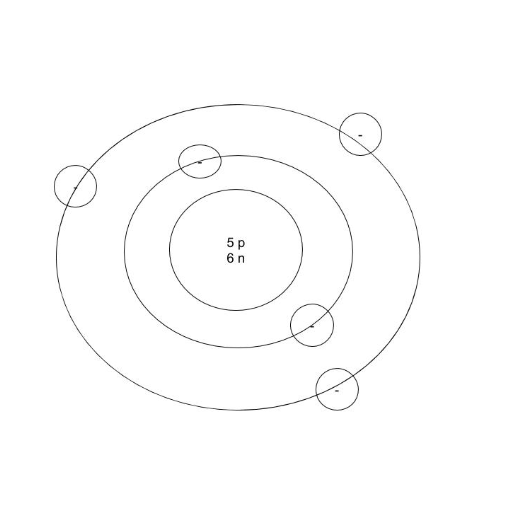
Boron is used as a rocket fuel igniter. They are also found in eye drops and washing powder.
Aluminum is used everywhere from kitchen utensils to airplanes to window frames.

Boron in Eye Drops
Carbon Family
Some elements, such as carbon and silicon, are not very reactive. As you go down the group, the melting point lowers, as carbon has a very high melting point. Also as you go down the group, the conductivity increases.
Carbon, silicon, and germanium are three elements of the group.
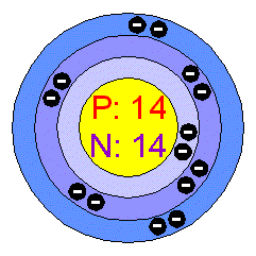
Silicon
Carbon
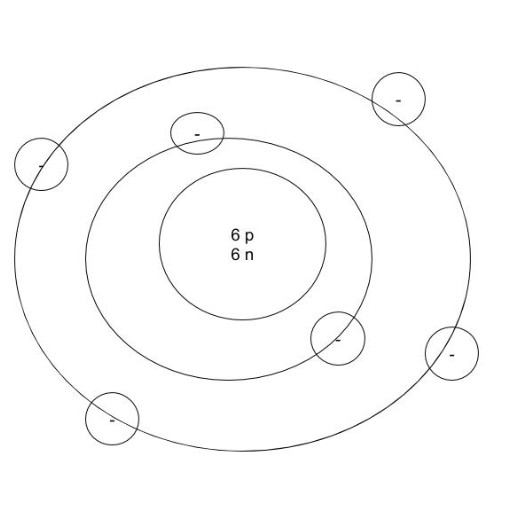
Carbon is found in fuels and oils such as coal and gasoline. It is also a major component of steel.
Silicon is taken by many with weak bones, people that have heart disease, and hair loss. It is also good for curing digestive system disorders.
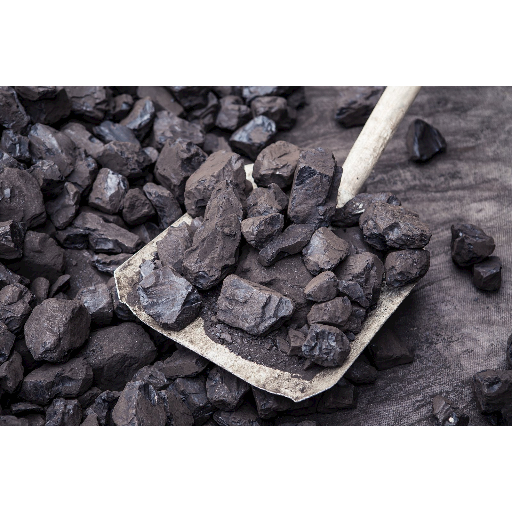
Carbon in Coal
- Full access to our public library
- Save favorite books
- Interact with authors
- < BEGINNING
- END >
-
DOWNLOAD
-
LIKE(1)
-
COMMENT()
-
SHARE
-
SAVE
-
BUY THIS BOOK
(from $8.79+) -
BUY THIS BOOK
(from $8.79+) - DOWNLOAD
- LIKE (1)
- COMMENT ()
- SHARE
- SAVE
- Report
-
BUY
-
LIKE(1)
-
COMMENT()
-
SHARE
- Excessive Violence
- Harassment
- Offensive Pictures
- Spelling & Grammar Errors
- Unfinished
- Other Problem






COMMENTS
Click 'X' to report any negative comments. Thanks!