Table of Contents Page 19: George H.W. Bush
Pages 2-4: Vocabulary Definitions Page 20: Bill Clinton
Pages 5-6: Early Years of Vietnam Page 21: George W Bush
Page 7-8: The Year of 1968 Page 22: Barrack Obama
Page 9-10: Later Years of Vietnam
Pages 11-12: 1960's Culture
Pages 13-14: Vietnam Timeline
Page 15: Watergate Scandal
Page 16: Gerald Ford's Presidency
Page 17: Jimmy Carter's Presidency
Page 18: Reagan's Presidency

Ho Chi Minh: leader of Indochinese Communist Party
Dien Bien Phu: where Vietnam overran French outpost
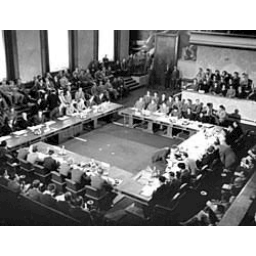
Geneva Accords: temporarily divided Vietnam along 17th parallel
Ngo Dinh Diem: South Vietnam's anti-communist president
Vietcong: Southern communist opposition group
Gulf of Tonkin Resolution: authorized LBJ to take necessary measures to retaliate
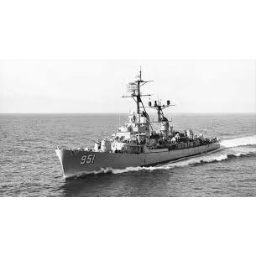
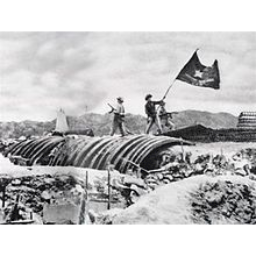
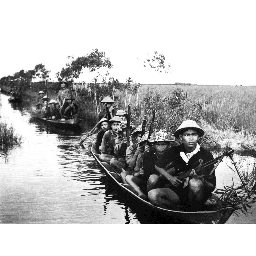
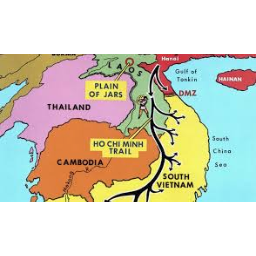
Ho Chi Minh Trail: Ho Chi Minh supplied arms to Vietcong group on this trail
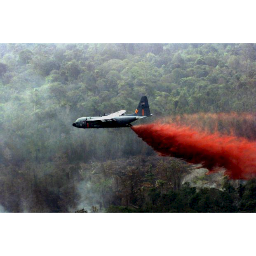
Napalm: a gasoline-based bomb
Agent Orange: a leaf-killing toxic chemical
Credibility Gap: difference between what the Johnson administration was reporting and what really happened
Vietnamization: Nixon's idea to end US involvement in Vietnam War
Silent Majority: Americans who supported US efforts in Vietnam
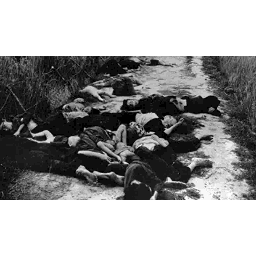
My Lai Massacre: 200 innocent Vietnamese citizens who lived in My Lai were killed by US platoon on March 16, 1968
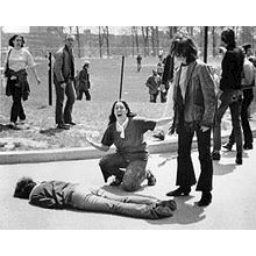
Kent State University: massive student protest that led to four people being killed
Pentagon Papers: proved that LBJ was lying about his intentions with the Vietnam War
War Powers Act: President must inform Congress within 48 hours of sending forces into hostile area without declaration of war
Why did the US get involved? To prevent the spread of communism
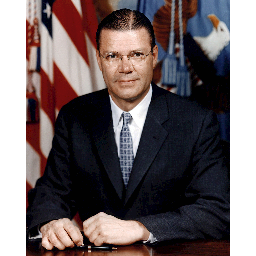
Who was Robert McNamara? 8th secretary of defense, served during the war
What did the Gulf of Tonkin Resolution give Johnson the power to do? Allowed President Johnson to take any steps that he knew needed to be done to promote security of worldwide peace and safety in southeast Asia.
What was fighting like in Vietnam compared to other wars? It was a civil war before the US intruded
Why did the Tet Offensive change the public perception of the war? America's people gave up belief that there was a way to win the war.
MLK Assassination
*April 4th, 1968
*James Earl Ray shot him while he was standing on the balcony of his hotel room in Memphis
Bobby Kennedy's Assassination
*June 5th, 1968
*Shot after winning California presidential campaign
*Died next day in hospital, conspiracy theory
Tet Offensive
*January 30th, 1968 - September 23rd, 1968
*Largest military campaigns of Vietnam War
*VietCong vs. South Vietnamese Army
What was Nixon’s strategy on Vietnam? Vietnamization
What happened at Kent State? Students killed by National Guard due to violent protests
What was the trial surrounding the My Lai Massacre so significant? Trial was hidden from public
When did the U.S. leave Vietnam? March 29th, 1973
How were soldiers treated when they arrived home? Treated as lesser of a human
How many people died and were wounded in Vietnam? Approximately 58,000
How much money did the U.S. spend? More than $173 billion
What is a hippie? Someone who refuses to conform to society and customs of American ways.
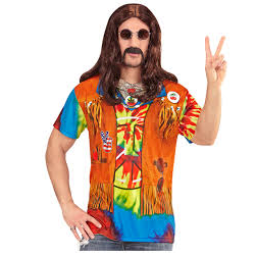
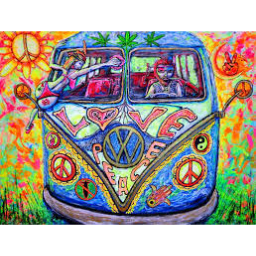
Drug Use- LSD, marijuana, and shrooms were popular during the time period
Politics- assassination of MLK and Bobby Kennedy, Cold War, Missile Crisis
Civil Rights Movement- fighting for equal rights and no segregation between whites and blacks
July 1954- Geneva Accords signed
August 2, 1964- Gulf of Tonkin Incident
August 10,1964 - Gulf of Tonkin Resolution passed
Jan 30, 1968- Tet Offensive
March 16, 1968- My Lai Massace
- Full access to our public library
- Save favorite books
- Interact with authors
- < BEGINNING
- END >
-
DOWNLOAD
-
LIKE
-
COMMENT()
-
SHARE
-
SAVE
-
BUY THIS BOOK
(from $4.19+) -
BUY THIS BOOK
(from $4.19+) - DOWNLOAD
- LIKE
- COMMENT ()
- SHARE
- SAVE
- Report
-
BUY
-
LIKE
-
COMMENT()
-
SHARE
- Excessive Violence
- Harassment
- Offensive Pictures
- Spelling & Grammar Errors
- Unfinished
- Other Problem





COMMENTS
Click 'X' to report any negative comments. Thanks!