 I dedicate this book to the wonderful local children
in West Tennessee who help their parents decrease
usage of utilities every day by turning off the lights,
the water and their plugged-in electronic devices
after using them.
Additionally, I dedicate this book to the children in
Bangladesh--and on every continent--who go without
lights, water and the modern day communications
convenience every day.
Go Green!
This book was created and published on StoryJumper™
©2010 StoryJumper, Inc. All rights reserved.
Publish your own children's book:
www.storyjumper.com

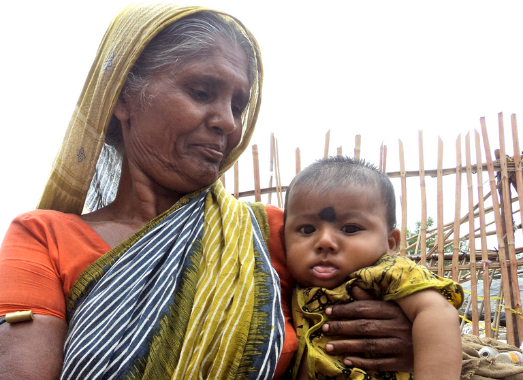
My name is Marta. My friend Daphne and I read
about an overpopulated country in Southeast Asia called
Bangladesh.
There are 150,000,000 people in Bangladesh
but 95% of its natural forests and 50% of its freshwater
wetlands are lost or degraded.
Daphne and I love this picture of a proud
grandmother who is caring for her grandchild. The photo
reminded us of many grandmothers in our city who also
care for their grandchildren.
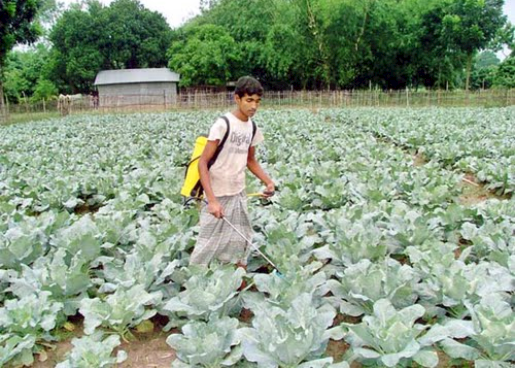
At first, we were very sad after reading about
Bangladesh because we learned that the people there
don't have a lot of resources. Then, after doing further
research, we began to feel a little bit better because
Daphne found this photo of food growing!
This seems like a very important job in a country with
so many people and so few resources. This man
is helping people and the environment in Bangladesh
by caring for the soil and feeding the community.
We decided that farmers are really important in
every country and we thought about establishing a
garden in our community, too. We had never thought
about farmers in the U.S.A. until then.
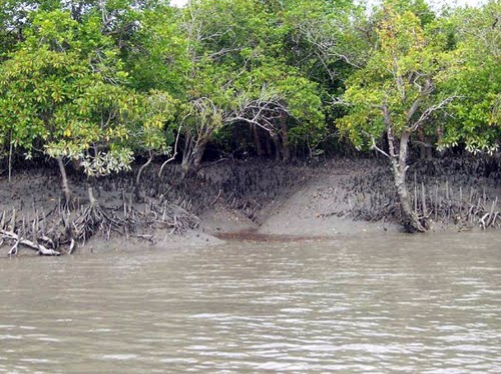
So, we added the task of researching how to start a
community garden to our to-do list! We researched
some other places in Bangladesh and, unfortunately, we
found that many areas lacked care. (We found the photo
on www.panoramio.com, which is a great resource for
free photos.)
This picture of soil erosion on the river bank is a
great example of what can happen when people cut
wood for heat or for houses without planning and
reforestation.
Daphne said, "Wow, it looks like the trees are just
tired." I thought they were just tired of trying to hold
the land together, but it was disturbing. I said, "We
must start a garden immediately."
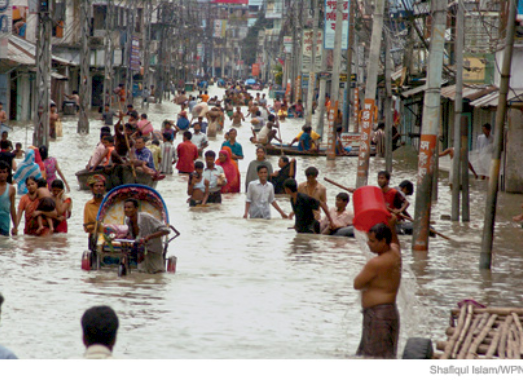
Suddenly--before we could think more about our
community garden--my father found this picture of a
monsoon in Bangladesh in the January/February 2008
edition of Atlantic Monthly Magazine!
An article by Robert Kaplan explained that a whole
village was underwater! In this picture, people are
evacuating because several dams collapsed.
Daphne and I absolutely could not believe that
Bangladesh was the size of Iowa--with more people than
Russia and with half the population of the United States!
And, on top of all of this, there is 20% - 60% flooding in
the country annually!
After reading all of this, Daphne suggested that we
begin to support Heifer International. We heard about it
from our GOT TECH CAMP 2012 instructor. She said we
could do fundraisers in our school and talk about how
students can prevent what is happening in Bangladesh
from happening in West Tennessee. Or, she said, we
could plant a garden.
Heifer.org helps people to learn to feed themselves,
by caring for animals. They also help people learn to
live sustainably by using animal by-products and waste.
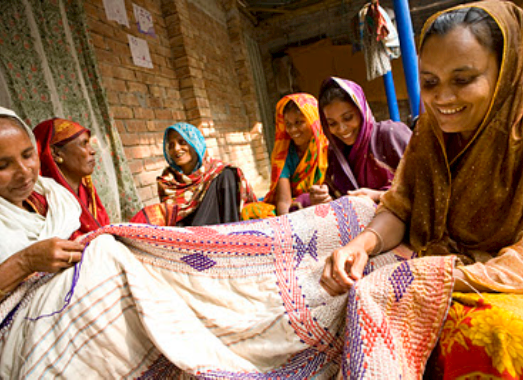
There are five Heifer Project International projects in
Bangladesh. These women are doing Naksha Katha
(quilting). It will help them raise funds. Could we do that
too?
You've previewed 12 of 19 pages.
To read more:
Click Sign Up (Free)- Full access to our public library
- Save favorite books
- Interact with authors


- < BEGINNING
- END >
-
DOWNLOAD
-
LIKE(2)
-
COMMENT()
-
SHARE
-
SAVE
-
BUY THIS BOOK
(from $3.79+) -
BUY THIS BOOK
(from $3.79+) - DOWNLOAD
- LIKE (2)
- COMMENT ()
- SHARE
- SAVE
- Report
-
BUY
-
LIKE(2)
-
COMMENT()
-
SHARE
- Excessive Violence
- Harassment
- Offensive Pictures
- Spelling & Grammar Errors
- Unfinished
- Other Problem





COMMENTS
Click 'X' to report any negative comments. Thanks!