I would like to dedicate this book to my husband and my children. The hours and days it took for me to make this book and what they are willing to support me through means so much. I also dedicate this book to any other moms who are going back to school. DON'T GIVE UP! You are well equipped for what you have been called to. One day, with our degrees in hand, we will look back at these days and smile, knowing we always put our best forward.
Megan

**Before you read**
There are a few things I would like to mention before you dive in. In the world of vitamins and minerals, and how the body uses them or how they metabolize, it is important to know the difference between fat soluble and water soluble because there is a difference, and vitamins can be either.
Fat soluble vitamins such as A and E will not dissolve in water, and therefore are absorbed with greater potency when taken or eaten along with higher fat content foods. The body can then use these that have been absorbed into tissue and the liver for future use.
Adversely, water-soluble vitamins such as the B complex and vitamin C are easily washed away through food storage and preparation as well as once absorbed, depleted through urine. They are unable to be stored for later use within the body. These such vitamins have to be replenished daily so that the body is able to function through daily activities.
Free Radicals
You will see the words "free radicals" within this book and I wanted to explain in detail why certain vitamins play a key role as antioxidants and in protecting the body from such foreign chemicals.
Free radicals are molecules that can either donate an electron or accept an electron from other molecules making them, for lack of better terms, "reducers"-in our bodies, these are molecules create domino effects and cause molecules to break apart or be damaged. Antioxidants are the protectors of our body cells and keep excess electrons so that free radicals don't destroy more cells.
Should I supplement?
Overall, in my opinion from what I have learned, my answer would be no, UNLESS directed by your doctor or for reasons of pre-existing conditions that won't allow you to absorb vitamins and minerals on your own through daily diet. The dangers of overdose on certain vitamins is too risky and unnecessary when you take into consideration, all you have to do is EAT! I get that some foods we just don't like, but truth be told, from what I have learned, the more colorful your plate, the better off you will be in the long run.
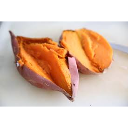
Vitamin A, a fat soluble vitamin, helps maintain eye health, immune system strength and making tiny humans. You need to get plenty of Vitamin A by eating yummy foods such as salmon, delicious veggies like broccoli, sweet potato and carrots, and tangy fruits like apricots and mangos.
The RDA for vitamin A is dependent upon weight and reproduction age but studies have recommended between 700/900 mcg a day.
It's other name is RETINOL
Awesome eyes, hearty immune system and making babies


Too much vitamin A?
Notice the colors of these pages? Well that's about what color you may notice in your skin tone if you consume more vitamin A than your body needs. If you intake a pro vitamin, added amounts cause you to feel dizzy, give you some headaches and even make you a bit queasy. Expecting moms need to be wary of too much because it can cause some defects. Insufficient vitamin A is rare, however not enough can lead to a condition called Xerophthalmia(say that five times fast) and left untreated can lead to blindness. Thanks to vitamin A, it helps to maintain strong teeth and bones, mucous membranes and skin tissue.



is for vitamin Bs, yes I said B's, which have nothing to do with cute little honey makers. Let's meet the B vitamins, because there's several. Vitamin B3, which is also called Niacin functions in the body by converting food into glucose that we use as energy. It also helps to produce macro-molecules such as fatty acids and cholesterol. (Hey this sounds familiar) and it helps to facilitate our response to stress and repair DNA. Remember our adrenal glands located on top of our kidneys, with the help of Niacin, a certain hormone is produced that removes harmful chemicals from our liver.
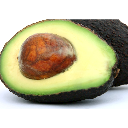
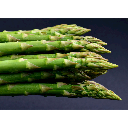
Too much Niacin can cause flushing of the skin with dizziness, rapid heartbeat, itching, nausea and vomiting. Pellagra, or Niacin deficiency can cause fatigue, thick scaly rash on skin, headache and even depression. RDA for Niacin ranges for men and women between 14 and 16 mg. The next time you grab an avocado, or eat a delicious bowl of spinach leaf salad, or crunching on a spear of asparagus, you are ingesting great sources of Vitamin B3 as well as boosting overall heart
health


Vitamin B6, also called pyridoxine, has many important functions in the body, one of them being producing hemoglobin, yea, that special protein that carries oxygen throughout your body!
The RDA for vitamin B6 ranges depending on age and sex, but for numbers sake, 1.2-1.3 mg for ages of 14-50. Pyridoxine deficiencies are uncommon in the US, however symptoms include anemia (makes sense huh?) itchy rashes, cracks at the corners of the mouth, and weak immune system.
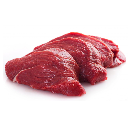

Vitamin B6 helps us to break down proteins that we ingest from food and break down stored carbs to convert them to glucose to use as fuel. Have you ever wondered where neurotransmitters come from, or how they're made? (wait, what's a neurotransmitter?-the special "brain chemicals" that keep you functioning) Thanks to Vitamin B6, these neurotransmitters are made along with some pretty special hormones like estrogen and testosterone.

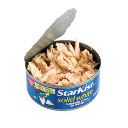
It is important to eat foods that contain both Niacin and Pyridoxine because our body can not store it or reuse it when it is needed, you either get it or you don't, but be sure not to overdo it. Too much Vitamin B6 can cause ataxia-lack of coordination of voluntary movements, heartburn and nausea, photo-sensitivity and oddly enough, a reduced ability to sense pain-it's not a superhero trick, don't try it, your body depends on it!

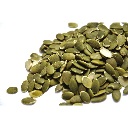
Biotin, along with other B vitamins, helps the body metabolize the macro molecules of food. It is also known as vitamin B7 and is critical in the development of a fetus. Contrary to popular belief, biotin does not magically make your hair grow faster and stronger, however it does play a role in the overall maintenance of the body's integumentary system-you know, your covering, hair, skin and nails.
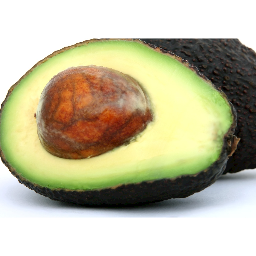

Foods rich in Biotin
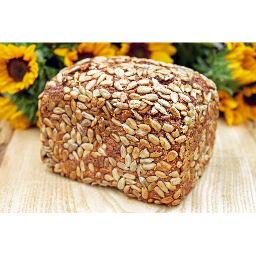
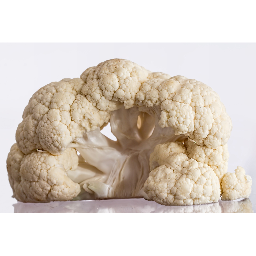
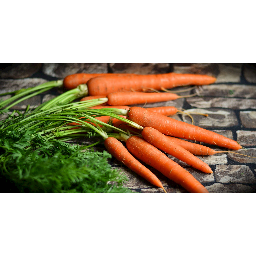
So how much Biotin do we need? Roughly 30 mcg is what is recommended for adults over the age of 19. Biotin acts as an enzyme that helps break down fats, proteins and carbs into energy. If there is too little Biotin, the body shows symptoms of muscle aches and pains, cramps, tingling limbs, nerve damage, hair loss and dry, irritated skin.
Brings a whole new meaning to "making your stomach curl" huh? Well, here ladies and gentlemen is where Vitamin B12 gets broken down from foods from animal sources. Eggs, beef, trout, oysters and milk, all are great sources of B12. Along with it's buddies, the B vitamins help maintian overall health and function. With the help of intrinsic factor and hydrochloric acid from the stomach, vitamin B12is properly absorbed; that is of course assuming you dont have pernicious anemia-



In this case, the body is unable to make intrinsic factor and because of this, they are unable to absorb vitamin B12. Infants that have a deficiency show signs of developmental delays and inability to really grow or thrive. Another condition associated with taking needed amounts of B12 is the avoidance of megaliblastic anemia which causes individuals to feel tired, weak or lethargic.
Our RDA for vitamin B12 is around 2.4 mcg a day. Thanks to fortified foods as well as readily abundant animal sourced foods, vitamin B12 deficiency is very uncommon, unless you're a vegan-it is very improtant to be sure to supplement this essential vitamin your body uses for nerve and blood cell health and DNA production. Deficiency symptoms include pale skin, lightheadedness, tingling or muscle weakness, vision loss, depression, loss of apetite, constipation or diahrrea (sounds like a pretty rough day).
arotene, beta carotene-the super ingredient for vitamin A

Beautiful, arent they? Theses foods are high in beta carotene, the pigment that actually gets converted into vitamin A in the body. Being an antioxidant, it protects the body from free radicals by preventing oxidation or breakdown of molecules. RDA is not specific, however studies have shown that between 15-180mg per day.
Did you know that 4 servings of beta carotene a day may help keep cancer and heart disease away?

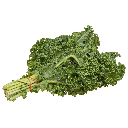
Remember to include foods such as carrots,spinach, kale and winter squash to jumpstart the process beta carotene absorption.
Levels of high Beta carotene in the blood can lead to skin discoloration as well as in the nails. Insufficient amounts of it can lead to night blindness, low resistance to infection and dry skin.
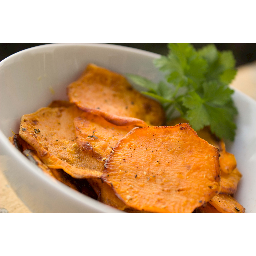
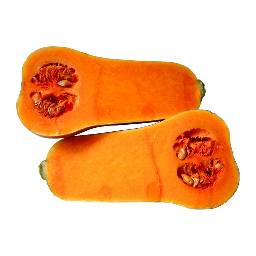
Foods high in Beta Carotene:
Think "the color orange....carotene..."
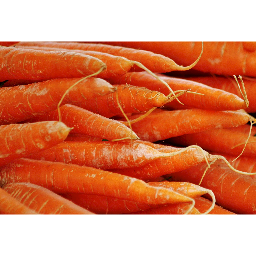
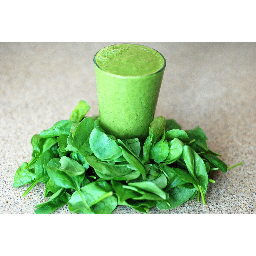
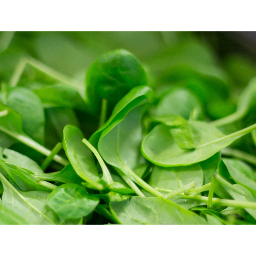
I know it's not orange, but spinach is an excellent source of beta carotene.


ver heard of ascorbic acid? Did you know you actually need it? News to me and you, its vitamin C! So what does vitamin C do for us? ALOT!


Why do i have this gross picture? Collagen! Vitamin C prompts the production of collagen in wound repair within the body, as well as with wrinkle control and premature aging.
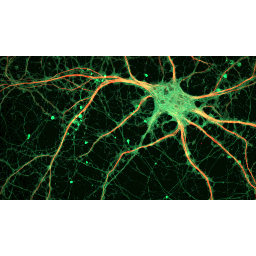
Vitamin C also helps with maintenance of the basement membrane,found deep within epithelial cells. This type of tissue is found everywhere throughout the body in different membranes and cavities such as the stomach and even the blood vessels. It also helps with neurotransmitter synthesis, (yes those crazy brain chemicals again) and their function in transport of electrical signals in the brain.
In addition to these, vitamin C helps promote a healthy immune system and bone development. As an antioxidant, Vitamin C helps fight oxidative stress that is put on bone as we age. In immunity, vitamin c promotes the production of antibodies, B and T cells ( white blood cells that fight off foreign invaders, phagocytic action (your body's trash men) and your body's response to vaccines! The list goes on and on as far as immunity, but be sure to get your vitamin C!
Not just a myth of pirates, but Scurvy, a vitamin C deficiency, can show symptoms of bruising, bleeding gums, fatigue and rash if there is a significant lack for 3 or so months. Too much vitamin C can cause diarrhea, nausea, heartburn, abdominal cramps and even insomnia. The RDA for adults is between 65-90 mg daily.
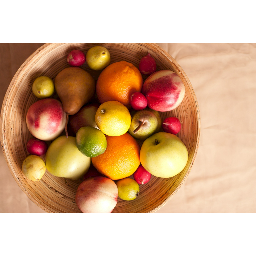
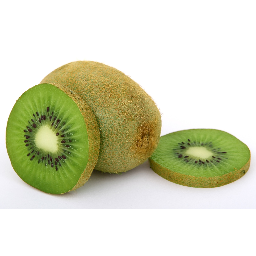
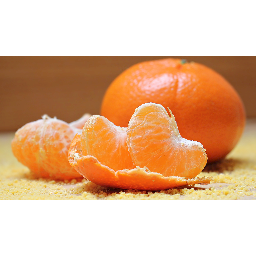

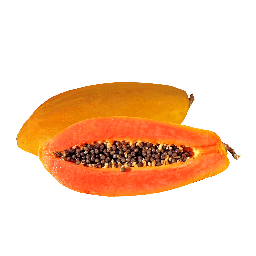
Foods high in vitamin C include, guava, oranges, strawberries, kiwi, re and green bell peppers, papaya, and black currant cherries provide essential collagen production within the body.
OLATE-from the latin word "follium"-think leafy greens-that is where you will find an excellent source of this essential vitamin. Folate, being the natural form of vitamin B9, enters the bloodstream for production of DNA and other genetic material as well as cell division. Our RDA for folate is aroun 400 mcg a day, but increases as an expectant or nursing mother.

So what happens when you don't get enough folate into your diet?Like much of the RDA advises, people in the US rarely have a deficiency, but like low levels of vitamin B12, folate deficiency can cause weakness, fatigue, irritability, open sores on the mouth and tongue, even the color of hair, sin and nails. EAT YOUR GREENS!
Get Your dose of folate eating these greens and grains!

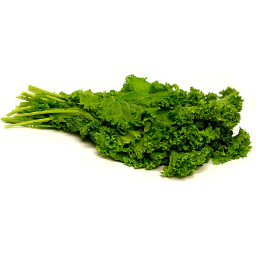

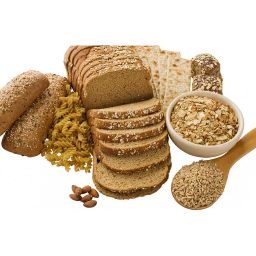

Did you know that there is another vitamin that helps protect your cells form free radicals as well as helping prevent your cells from premature aging? Thanks to Vitamin E, this fat-soluble antioxidant plays a key role in protecting your cells, consider it like a body guard. It also plays a key role keeping your immune system on guard and strong to fight against viruses and invading bacteria.
Vitamin E- "The Body Guard"
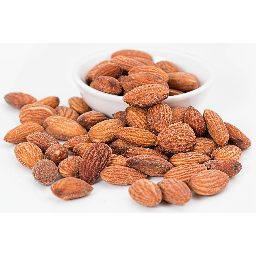
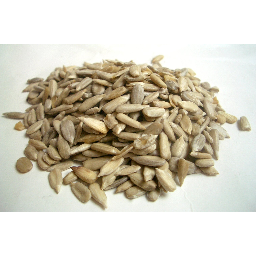
Our recommended daily dose of vitamin E for teens 14 and up is about 15 mg. Another common name for vitamin E that you may have heard of is called Tocopherol. There are eight different forms of vitamin e; beta, alpha, gamma and delta, as well as four tocoterinols-alpha Tocopherol (aka-vitamin e) is the most potent form of this vitamin and can be found predominantly in nuts such as almonds, hazelnuts and peanuts.
Since it is a fat soluble vitamin, and can be stored in the body, overdose of vitamin e is not common, but if you are supplementing with synthetic vitamins, there is a higher risk you can encounter too much. Anemia, ataxia(loss of control of body movements) delayed of impaired immune function and nerve damage are all issues associated with vitamin e deficiency. Too much vitamin e can cause hemorrhaging or even hemorrhagic stroke. Here's the key-eat your vitamins, don't overdo them with the fake stuff, you'll get plenty if you eat the right kind.
Vitamin E foods



Our bodies also rely on several minerals, to mention a few, iron, calcium, sodium, magnesium and selenium. These five are sub divided into two different types of minerals called macro-minerals and trace minerals, both are needed but they play specific roles into helping the body function like making hormones and enzymes. They also help our brain, heart, muscles and bones stay healthy and strong. Lets take a closer look at each one and why it matters to get your recommended daily dose of each one.
Calcium, our body's most abundant element, has several key roles in the maintence of our machine. One of the macro-minerals, Calcium is found in foods like yogurt, okra, cheese, broccoli, kale, almonds and yes, milk. Calcium plays a huge role in muscle contraction, nerve transmission, hormone secretion and regulation of the body's PH. Our RDA is roughly 1,000 mg.

- Full access to our public library
- Save favorite books
- Interact with authors
- < BEGINNING
- END >
-
DOWNLOAD
-
LIKE(1)
-
COMMENT()
-
SHARE
-
SAVE
-
BUY THIS BOOK
(from $10.79+) -
BUY THIS BOOK
(from $10.79+) - DOWNLOAD
- LIKE (1)
- COMMENT ()
- SHARE
- SAVE
- Report
-
BUY
-
LIKE(1)
-
COMMENT()
-
SHARE
- Excessive Violence
- Harassment
- Offensive Pictures
- Spelling & Grammar Errors
- Unfinished
- Other Problem






COMMENTS
Click 'X' to report any negative comments. Thanks!