This book is dedicated to my boys, Christian and Kayden. Everything I do is so I am able to give them the best life possible.

is for Ascorbic acid (Vitamin C)
Ascorbic acid is involved in the production of collagen, protein metabolism, and wound healing. It is also an antioxidant.
It limits the damage from free radicals and is said to be involved in delaying the development of certain cancers and cardiovascular disease.
A deficiency in Vitamin C can lead to scurvy. Signs and symptoms include fatigue, malaise, inflammation and bleeding of the gums, along with the loss of teeth.



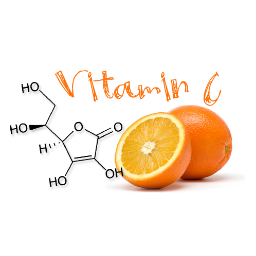
Vitamin C has a low toxicity. However, many people who ingest a large amount of Vitamin C complain of GI disturbances such as nausea, vomiting, and diarrhea.
According to the NIH the RDA varies according to age and sex. Smokers need to increase their Vitamin C intake by 35 mg/day
RDA for Adults
Male Female
90mg 75mg

is for Vitamin A



Vitamin A is a fat soluble vitamin. It is important for vision,
cell growth, and is important in the normal formation of the
heart, lungs, kidneys, and other organs. Vitamin A is an essential component of rhodopsin, a protein that absorbs light.
Vitamin A deficiency is rare here in the US. It mainly occurs with excessive diarrhea. Ironically a deficit in vitamin A can also cause diarrhea. Xerophthalmia is the most common symptom of vitamin A deficiency in children and pregnant women. Signs of xerohthalmia is night blindness, or trouble seeing in the dark.Vitamin A deficiency is one of the top causes of preventable blindness in children.
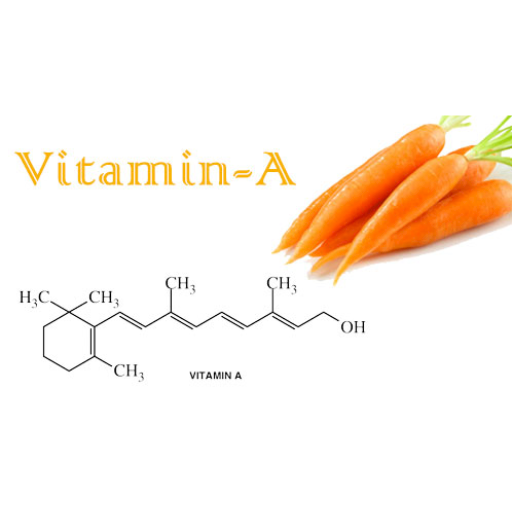
http://www.vitaminrelief.org/vitamin-a/
RDA for Adults
Men Women
900mcg 700mcg
The body stores excess amounts of Vitamin A in the liver. If a person injest too much Vitamin A through food or supplements they can get hypervitaminosis A. It can cause an increase in intracranial pressure, dizziness, nausea, headache, joint pain, coma, and possibly lead to death.
Hypervitaminosis A can cause liver damage that may not be reversible.
is for Vitamin B6


Vitamin B6 plays a role in cognitive development, gluconeogenesis, glycogenolysis, and immune health. It is involved in the production on lymphocytes and interleukin-2. Vitamin B6 in involved in over 100 different enzyme reactions.
A in vitamin B6 usually comes from an underlying issue, such as kidney diseases, and Celiac's disease.
.In infants, vitamin B6 deficiency causes irritability, abnormally acute hearing, and convulsive seizures.



RDA for Adults
1.3mg
With vitamin B6 being a water soluble vitamin toxicity is rare. Some adverse effects are dermatological lesions, photosensitivity, and GI problems.

is for Vitamin B12
Vitamin B12 is essential for red blood cell formation, neurological
function, and DNA synthesis.
Signs of vitamin B12 deficiency includes fatigue, weakness,
constipation, loss of appetite, and weight loss . Numbness and tingling in the hands and feet, can also occur. Other symptoms of vitamin B12 deficiency include difficulty maintaining balance, depression, confusion,
dementia, poor memory, and soreness of the mouth or tongue.
Vitamin B12 deficiency is treated will B12 injections. It is
important to receive treatment immediately before any
damage is permanent.

RDA for Adults
2.4mcg
Vitamin B12 is water soluble and the chance of toxicity occuring is extremely rare. There is no upper limit for Vitamin B12.
is for Beta Carotene
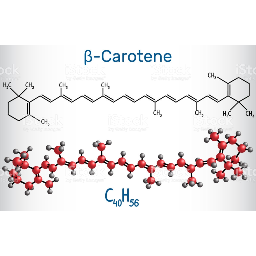
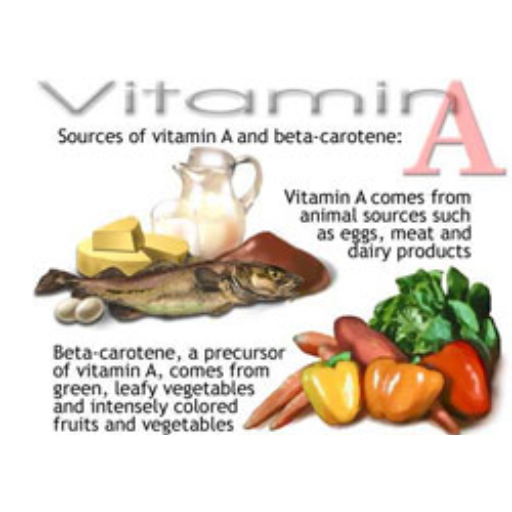
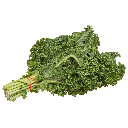
Beta Carotene is part of a group that is named Vitamin A. It is a precursor to vitamin A. Beta carotene is a carotenoid and an antioxidant.
One study showed that smokers with high beta carotene intake might have an increased risk of
lung cancer.




is for Biotin (Vitamin H)
Biotin is a water soluble vitamin that is also stored in the liver.
It helps turn the carbohydrates, fats, and proteins in the food you eat into the energy you need. It is an important vitamin for healthy hair, skin, and nails.
It is a cofactor for five carboxylases (propionyl-CoA carboxylase, pyruvate carboxylase, methylcrotonyl-CoA carboxylase [MCC],
acetyl-CoA carboxylase 1, and acetyl-CoA carboxylase 2) that catalyze critical steps in the metabolism of fatty acids, glucose, and amino acids(NIH.gov).

RDA for Adults
30mcg
Biotin deficiency are rare. Most signs and symptoms of a deficiency is thinning of the hair and hair loss, dry scaly skin, conjunctivitis, brittle nails, depression, and lethargy. Developmental delays can be noticed in infants.
There is no UL for biotin listed and toxicity is rare. Although excessive use of biotin can result in false lab results.

is for Calcium

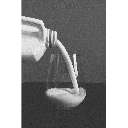
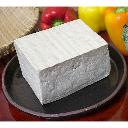
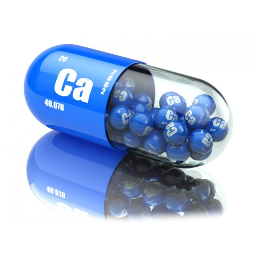
Less than 1% of the body's calcium level is used to support certain metabolic functions. These include vasoconstriction and vasodiltation, muscle contractions, and cell-signaling. Extracellular calcium is regulated through the kidneys. When more calcium is needed it is released from the bones.
Diuretics, surgery, and renal failure can cause a deficiency in calcium. This is known as hypocalcemia. Signs and symptoms include muscle cramps, numbness and tingling of the hands and fingers, convulsions, and abnormal heart beats. Untreated hypocalcemia can lead to death.
A long term deficiency can lead to osteoporosis.



RDA for Adults
1000mg
Levels of calcium above normal range is called hypercalcemia. it can lead to kidney problems, vascular calcification, hypercalciuria, and kidney stones. Hypercalcemia is usually caused by hyperparathyroidism or a parathyroidectomy.
is for Vitamin D



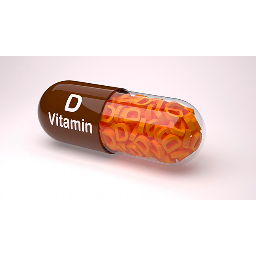
Vitamin D is needed to be able to absorb calcium. . It is also needed for bone growth and bone remodeling by osteoblasts and osteoclasts. Osteoblasts build the bone bake up and osteoclasts break them down. Vitamin D also helps with cell growth, immune function, and helps to reduce inflammation. Without sufficient vitamin D, bones can become thin, brittle, or misshapen.

RDA for Adults
15mcg

A deficiency in Vitamin D usually occurs from another problem, such as, inadequate sun exposure, and lactose intolerance. Rickets can occur in children who are deficient in Vitamin D. When it occurs in an adult it is no longer called rickets but now referred to as osteomalacia.
Excessive vitamin D can cause symptoms such as anorexia, weight loss, polyuria, and heart arrhythmias. It can also cause vascular and tissue calcification, which can lead to heart and kidney failure.
is for Vitamin E


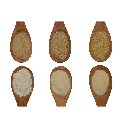

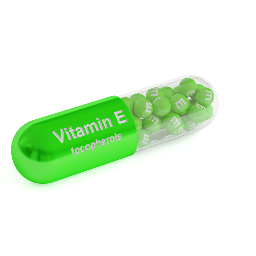
Vitamin E is a fat soluble vitamin that is used for immune health, cell signaling, gene expression. It is also an antioxidant that stops the production of ROS (reactive oxygen species) formed when fat undergoes oxidation (NIH.gov).
Since vitamin E is absorbed in the digestive tract people with malabsorption disorders usually have a deficiency in vitamin E. Some symptoms include peripheral neuropathy, ataxia, retinopathy, and an impaired immune response. People with Chrohn's, cystic fibrosis, and abetalipoprtoteinemia must take a water soluble version of vitamin E called tocopheryl polythylene glycol-1000 succinate.


RDA for Adults
15mg
There has been no side effects recorded from consuming vitamin E in food. High doses of the vitamin E supplement, alpha tocopheryl, has caused hemorrhages in patients.

is for Folate (Vitamin B9)



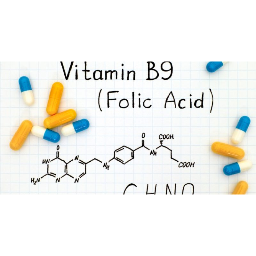
Folate, or folic acid, is a water soluble vitamin. It is needed to make DNA and other genetic material. It is important for girls and women to increase there intake of folate before they have children.
A deficiency in folate while pregnant can lead to neural tube defects, preterm delivery, and fetal growth retardation.
Folate deficiency can also produce soreness and shallow ulcerations in the tongue and oral mucosa; changes in skin, hair, or fingernail pigmentation; and elevated blood concentrations of homocysteine. Getting too little folate can result in megaloblastic anemia, which causes weakness, fatigue, trouble concentrating, irritability, headache, heart palpitations, and shortness of breath. (NIH.gov)
RDA for Adults
400mcg
Excessice folate from foods has not been known to cause a toxicity.However, supplemental folic acid supplements my increase the progression of preneoplastic lesions, increasing the risk of colorectal and possibly other forms of cancer in certain individuals(NIH.gov).
is for Iron

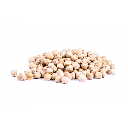

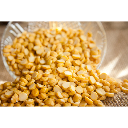

Iron is important for growth, development, cellular functioning, and synthesis of some hormones and connective tissue. It is also an important part of hemoglobin. Without iron oxygen is not able to attach to the hemoglobin molecule.
RDA for Adults
Male Female
8mg 18mg
Iron deficiency is usually associated with poor diet, malabsorptive disorders, and blood loss. Iron deficiency anemia is common in half of the US. Signs and symptoms seen with iron deficiency anemia are usually fatigue, the inability to keep warm, and GI disturbances.
Excessive consumption of iron can lead to multiple organ failure.
Between 1983 and 2000, at least 43 U.S. children died from ingesting supplements containing high doses of iron (36–443 mg iron/kg body weight) (NIH.gov)
Hemochromatosis, a disease caused by a mutation in the hemochromatosis (HFE) gene, is associated with an excessive buildup of iron in the body. (NIov).gH
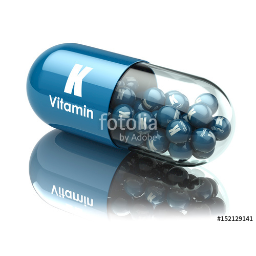
is for Vitamin K

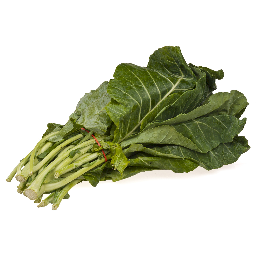

Vitamin K is a fat soluble vitamin that is synthesized by the liver. It is involved in blood clotting.
Warfarin (Coumadin®) is an anticoagulant that antagonizes the activity of vitamin K and, in turn, prothrombin.
Vitamin K deficiency can cause a decrease in bone mineralization. It can also cause bleeding and hemmorhage.
Newborns receive a shot of Vitamin K within a few hours of birth to help with their clotting process.
RDA for Adults
Male Female
120mcg 90mcg
There has been no adverse effects listed with vitamin K consumption from food or supplements.
Vitamin K has a low risk of toxicity and therefore has no UL listed.

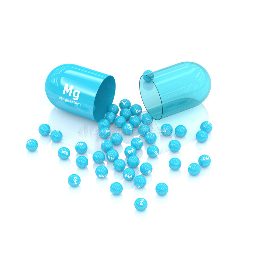
is for Magnesium




Magnesium is required for energy production, oxidative phosphorylation, and glycolysis. It contributes to the structural development of bone and is required for the synthesis of DNA, and RNA.(NIH.gov) It is involved in over 300 enzyme reactions and is involved in the active transport of calcium and potassium ions
RDA for Adults
Male Female
420mg 320mg
Low magnesium levels are usually secondary to other problems such as chronic alcoholism.
Symptoms of magnesium deficiency include loss of appetite, nausea, vomiting, fatigue, and weakness. As magnesium deficiency worsens, numbness, tingling, muscle contractions and cramps, seizures, personality changes, abnormal heart rhythms, and coronary spasms can occur.
Magnesium has a low risk of toxicity when ingested in food.High doses of magnesium from dietary supplements or medications often result in GI upset, which includes diarrhea that can be accompanied by nausea and abdominal cramping
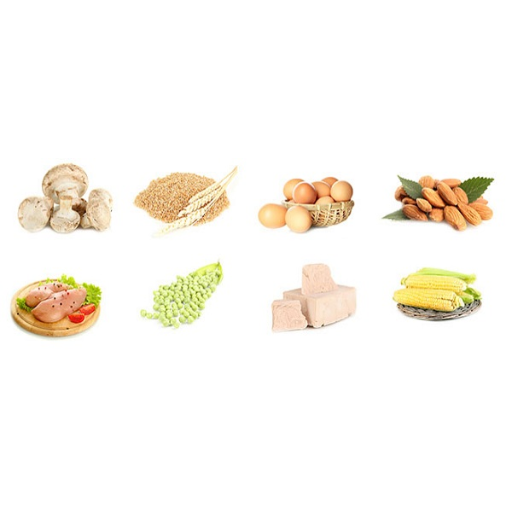
is for Niacin (Vitamin B3)

Niacin is also known as nicotinic acid. It is a water soluble vitamin. It helps lower LDL (bad cholesterol) and raise the levels of HDL (good cholesterol).
- Full access to our public library
- Save favorite books
- Interact with authors
- < BEGINNING
- END >
-
DOWNLOAD
-
LIKE(1)
-
COMMENT()
-
SHARE
-
SAVE
-
BUY THIS BOOK
(from $8.59+) -
BUY THIS BOOK
(from $8.59+) - DOWNLOAD
- LIKE (1)
- COMMENT ()
- SHARE
- SAVE
- Report
-
BUY
-
LIKE(1)
-
COMMENT()
-
SHARE
- Excessive Violence
- Harassment
- Offensive Pictures
- Spelling & Grammar Errors
- Unfinished
- Other Problem





COMMENTS
Click 'X' to report any negative comments. Thanks!