
This book contains information about the history of schooling and has been written by the following schools:
OŠ "Vladimir Nazor", Duga Resa, CROATIA
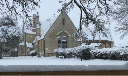
Sherborne C of E Primary School, Sherborne, ENGLAND
Jamali Primary School, Jamali, FINLAND
De Zijlwijkschool, Leiden, THE NETHERLANDS
Szkoła Podstawowa nr 42, Częstochowa, POLAND
CEIP Bec de L’Àguila , San Vicente del Raspeig, SPAIN
This book has been produced as part of an Erasmus+ schools project and is fully funded by the European Commission - May 2019

First records about beginning of primary education for boys in Duga Resa dated 1771.
The first male and female school was opened in 1875.
In the 50's education program became 8 years long.
1976 school got it's name "Vladimir Nazor".
Compared to today, there were more pupils then (over 1000).
During Homeland War our school suffered only one hit into the roof. The Radio School was the only way children could learn.
Today there are 2 primary schools and one high school in Duga Resa.

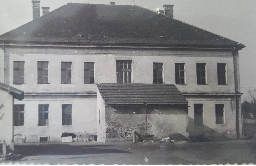
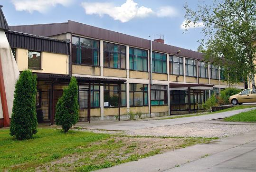
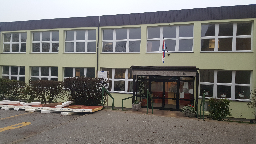
The History of Sherborne C of E Primary School


1824: Sherborne School was founded - just for boys. Girls took lessons in a separate building in the village.
1868: The current school was built and opened for both boys and girls.
1897: Several boys punished for following hounds instead of attending school
1907: Children were allowed a half day holiday to witness the funeral of Lady Sherborne
1935: School closed for King George V’s Silver Jubilee. An oak tree was planted (our school logo).
1947: The grounds of the school were at last clear of snow for the first time in eight weeks
1953: A flagpole was erected at the bottom of the playground for the Coronation of Queen Elizabeth II
1968: Centenary of the school with the planting of a magnolia tree in the playground
1977: School closed for Silver Jubilee of Queen Elizabeth II
1989: A beech walk was created in Sherborne Grounds
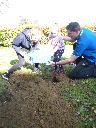
2018: 150 years of the school was celebrated with burying a time capsule, planting an orchard and many other events

In 1947 local farmers decided that it's time to start a school in village of Jamali and they also donated school building trees. The school started on the 15th October 1947 in a farm house nearby the future school building. In the beginning there was only one teacher.
After three years school started in a new school building and the school got another teacher. In the school there was an apartment for the teachers. The teachers had to live at the school.
In 1957-58 there were 86 pupils and school got the third teacher.
In 1960's there was a time that Finnish people moved from countryside to the cities or to Sweden. Amount of pupils slowly started to decrease.
In 1980's there were minimum of pupils on 21.
The school was in danger to get closed.
A new part of the school was built in 1998.
It included a gymnastic hall and dressing rooms.
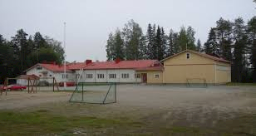
The History of Jamali school
Our school was founded in 1976. The Zijlwijkschool has existed for 43 years. In 2015 2 school came together to make one big school. Those 2 school were called 'the Zijlwijkschool' and 'the Kompas'. We now have 2 buildings. one is for the our children aged 4-8 years old and the other is for children aged 9-12 years old
At the Zijlwijkschool we teach English from group 1. We use a method for this where pop music is the basis of all lessons. In the lessons, the theme of the song is used to teach students English, during which various topics are discussed
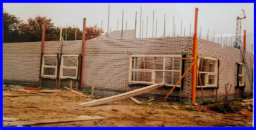
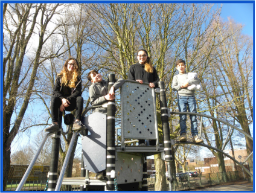

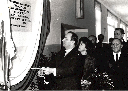
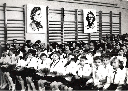
Our school was opened on 30 November 1966. It was a typical 8 year primary school, which was built to celebrate the 1000th anniversary of our country. In the first year there were 1,5 thousand students and the classes consisted of 40 people. It got the name Jan Brzechwa – a famous poet and author of many tales and poems for children. At the opening, the widow after Jan Brzechwa was present.
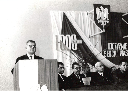
In 1976, during the 10th anniversary celebrated in The Philharmonic Hall, the school was funded the standard, which since then has always been present at every school celebrations.
Our school has always been the best in the city not only at learning and sport, but at art, too.
Downstairs, on the ground floor there are students’ paintings in " The Art Gallery of Alumnus".
In 1999/2000, due to the governmental changes, the school “lost” two years and all the students finished school after year 6. It lasted till the next reform of education which took place in 2017.
Nowadays 400 students in years 0-8 attend our school. Year 8 students have to write their final exams in 3 subjects: Polish language and literature, Maths and English.
The first headmaster was Bogdan Wiekiera. Now, our headteacher is Jacek Włodyka.


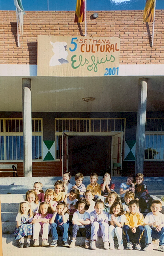
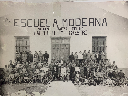
At the beginning of the XIX c., researchers have found documents of a school in San Vicente, which was just a small village with 250 inhabitants surrounded by farming fields. The village became independent from the city of Alicante some years later.
During the XX c. and due to the industrialization, the town had a strong transformation. Population increased dramatically and thus more schools were built to face the needs of young families coming to live and work.
Our school, CEIP Bec de l'Àguila, was built in the 1980s. Nowadays San Vicente has around 65.000 inhabitants, twelve primary schools, five secondary schools and a very important university.
"Children and adults were respecting teachers. If a teacher hit you, you would get punished physically by your parents.“ - 50's
"While performing for comrade Tito I was really nervous so I forgot my script and decided to improvise. My parents had to come to school to explain why I haven't learned my text properly.“ - 80's
"I remember my first lesson in the 1st grade was "Greetings“. We had to walk to school for 4 miles and during those walks we would loudly say "good afternoon“ to everyone." - 60's
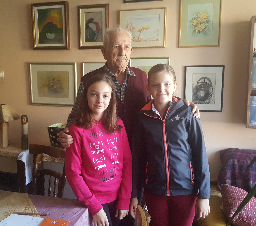
Miroslav Šantek-former headteacher
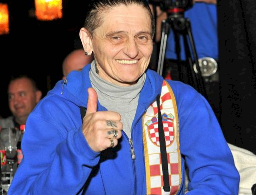
Marija Matuzić-footbal player
"It was very strict but fair." - 70's
"In my time the school got it's first 2 computers. If we wanted to type just a few words we would have to wait in line.“ - 90's
"If haven't learned a song by heart I had to stay in the classroom after school until I did. Just imagine having to explain to your parents were you've been.“ - 70's
"Those were the days!" - 40th's
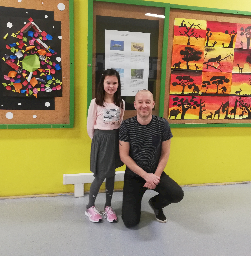
Goran Topolovac - musician
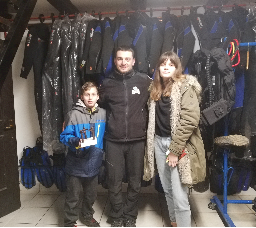
Nikica Spudić - diver and Pride of Croatia
'In winter, free milk was sometimes frozen in the bottles!'
'I still remember super tests on Friday where we got tested on the weekly news.'

'We had to sleep on camp beds every afternoon whilst the teacher did her knitting.'
'We used to have swimming lessons in the pool behind the pub in the village.`
'We used to have to walk across the road to the canteen to collect our lunch because the food was not made on the premise.'
'There used to be a cat called Bobby (the headmaster's cat) who was usually found wondering around the classrooms, he lived till 18 years of age.'
'Once a year we would go Rosehip picking, taken them to school and they would be sent off to make Rosehip syrup.'
'Toliets were outside. In the winter, everyone was quick as possible because of the cold.'
'I once tried to kick a football over the school but it smashed the window and went onto the Headmaster's school dinner plate.'
'My Headmaster was very kind and memorable. He got very annoyed about litter and he would lecture us in assembly.'
' There were 2 classes. The receptionist had a week day off, so when I was in year 6, I used to answer the phone . We all used to play recorder and we did all the music for the plays.'
'In 1969, the school purchased a television. We were surprised to be allowed to watch television during school time.'
It was nice to borrow books from the school library.
The school week was six days long. Summer holiday started in June and school in September.
We had a week-long potato harvest holiday in autumn.
The pupils had to clear the snow out of the school yard in the winter.
After the Christmas celebration each pupil received a paper bag with an apple, a gingerbread and a candy. The cook had cut a hole in each bag so that anyone couldn't blow it up.
We made the ski tracks by ourselves, the teacher ahead and the pupils behind.
There was a frozen ice field in the school yard. The pupils carried water there.
"We played a lot of football in sports lessons. Our teacher played with us. He always had to be in the winning team."
"The teachers smoked in the teachers' room during the breaks. Smoke came into the corridor and the classrooms."
"In one lesson the teacher made gunpowder in the mortar. Suddenly it exploded!"
"One pupil threw the trash on the floor. The teacher got angry about it and threw the waste basket so hard on the floor that it was broken. There was no waste basket in the class for many weeks."
"The teacher secretly ate candies in lessons. He was yawning his hand in front of the mouth and in the same time he put the candy in his mouth."

We liked to play football
The situation was very different because it was just after the war.
We loved to play outside. We didn't have computers like today.
As punishment we had to sit in the corner wearing a hat
"We broke the window in the classroom. My friend sat on the windowsill and pushed it with his body. We all laughed, threw away the broken glass ... and it was our big secret."
" I won a title of a School Miss"
"One day I found a big envelope at the front door. It was full of money so I took it to the headteacher. It turned out it was the money for a school trip for 3 classes. He announced my name at the school assembly. I was sooo proud."
" I forgot to put on a skirt under my uniform"
"One day my friend was wrapped in toilet paper and waited secretly behind the door. When a Maths teacher opened the door, she saw a big mummy walking towards her and ....she almost fainted. We all laughed like crazy"
"As seen in the photo, some schools had the name of the teacher on it" 1940s
"One classmate hanged on a football goal but it wasn't tied on the floor. the goal hit my friend on his head and teachers had to take them to hospital"
"Boys and girls were split in different buildings, and playgrounds were divided by fences or hedges" (1940s)
"My teacher let me go out everyday to check if the food I had left cooking in the fire was ready and put it out. I was only ten." (1940s)
"My teacher Mrs Rose had a furry white cat. He spent the morning sleeping in his cushion on the teacher's table" (1960s)
"Every Monday the flag was raised and all the pupils lined up had to sing the hymn and cry "Viva Franco" at the end" (1960's)
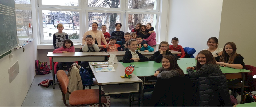
https://youtu.be/oVm0zT0pUBQ
https://youtu.be/pRjYN1JfFfQ
"Mali bratec Ivo i mala Marica"
"Himna zadrugara"
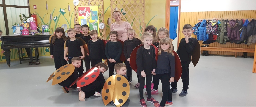
"Bubamarac"
https://youtu.be/NYQMHr5HLNc


https://youtu.be/m1Cf0QczhuE
https://youtu.be/jBrR72SuQkc
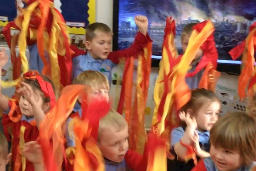
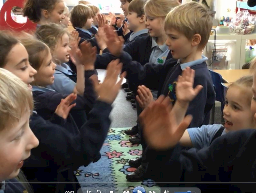
We learned a very old and popular song, that all school children in England know, called 'London's Burning'. It was first written in 1580 as 'Scotland's Burning', but soon became associated with London's great fire after 1666.

Another popular tradition in England is clapping songs. One of the most well-known songs is, 'A Sailor went to Sea, Sea, Sea'. Children make up their own verses and actions. We had lots of fun doing this!


Oravan pesä
This song tells about the squirrel's nest, located at the top of the spruce under the branches. The little squirrels play, eat and sleep there.
The lyrics of the song are written by Finnish poet Ingeborg Hellén.
The song is composed by Pekka Juhani Hannikainen. His birthplace is only 40 km from Jamali school.

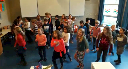
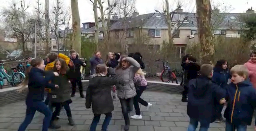
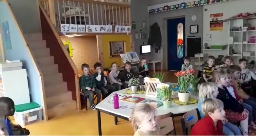
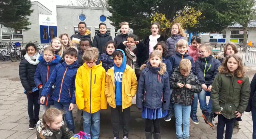
Vader Jacob
Vader Jacob
Slaapt gij nog?
Slaapt gij nog?
Alle klokken luiden
Alle klokken luiden
Bim, bam, bom
Bim, bam, bom
Slaap kindje, slaap
Daar buiten loopt een schaap
Een schaap met witte voetjes
Dat drinkt zijn melk zo zoetjes
Slaap, kindje, slaap
Daar buiten loopt een schaap
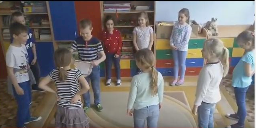
https://youtu.be/rJiprjAWZ5g
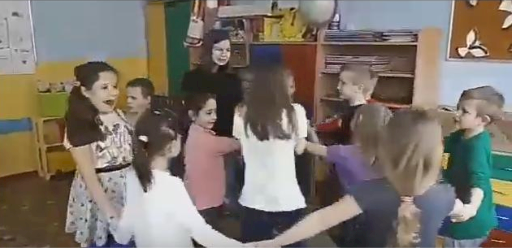
https://youtu.be/CbqVOw7ropk


"Mam chusteczkę haftowaną"
"Rolnik sam w dolinie"e"
Most of the songs you can find here are ring-a-rose style songs, or playground game songs. For example, "El cocherito leré" is a song for skipping game, or "El patio de mi casa is a ring-a-rose song" where children have to do some actions while moving.

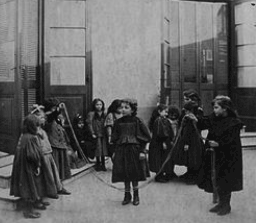
Spanish traditional songs
"La farola de palacio
se está muriendo de risa
al ver a los estudiantes
con corbata y sin camisa"
"El cocherito leré
me dijo anoche leré
que si quería leré
montar en coche leré
y yo le dije leré
con gran salero leré
no quiero coche leré
que me mareo leré.


La farola de palacio
http://bit.ly/lafarolade
Cómo planta usted las flores
http://bit.ly/comoplanta


"Cómo planta usted las flores, a la moda a la moda
Cómo planta usted las flores a la moda de París"
"Vlak u snijegu"
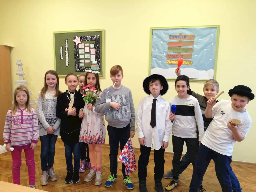
https://youtu.be/YQKj3uFOHfY
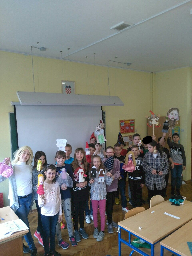
"Šuma striborova"

RABBIT HOLE
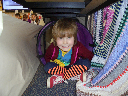
At the beginning of the story Alice follows a white rabbit down a rabbit hole. When she is going down the hole she sees many things like pictures. We made the rabbit hole by putting together tables and putting blankets over the top to make it dark.
OPTICAL ILLUSIONS
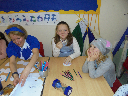
Alice in Wonderland is based on a real Victorian girl called Alice. She would have played with optical illusions so we made some! We made two pictures and a slab of cardboard in the middle that you flip.
b
Alice in Wonderland
THE LOBSTER QUADRILLE
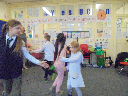
Alice meets a Lobster and a Mock Turtle who is always sad. She learns a dance called 'The Lobster Quadrille'. We learnt this dance too.
TEA PARTY
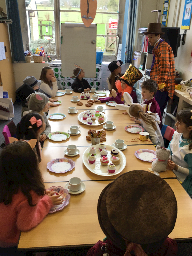
In Alice in Wonderland she has a tea party with the Mad Hatter, the March Hare and a Dormouse. In the tea party Alice feels a bit uncomfortable because everyone around her is mad! We had a tea party too. We had cups of tea and solved some riddles.
CROQUET
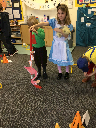
In Alice in Wonderland, Alice plays a game of croquet with the Queen of Hearts. They use flamingos as sticks and hedgehogs (rolled up) as balls. We stuck pictures of flamingos onto hockey sticks and used different sized balls for the hedgehogs.
JAM TARTS
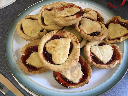
In the story, the Queen of Hearts loves jam tarts, but the Knave of Hearts steals them. We made some jam tarts with the ‘Queen of Hearts’.
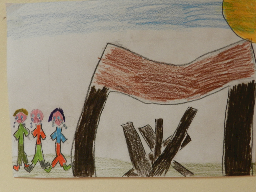
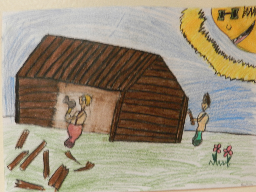
THE LIGHT INTO THE HOUSE (Hölmölä means the place where silly people lives.)
The house of Hölmölä was too dark. Since no one wanted to be in the dark, they had to get the light into the house. But how? They discussed and pondered very hard. Finally someone came up with the idea, that the world is full of light and they have bags to carry the light into the house. Men grapped some light in their bags and carried it into the house. At the same time women brought the darkness out with their bags. They thought that this is the way they will get the house much brighter.
Matti, the neighbor, came to Hölmölä while they were carrying the light in and darkness out. Someone told him what they were doing. Matti made a proposal to them how to make the house brighter. He took an ax, went to the house and cut a small hole in the wall, a window. Hölmölä people went into the house and they saw how much light came throuhg the window. So simple but good idea!
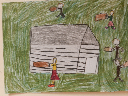
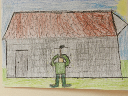
After Matti went back home they decided to expand the window. They made it larger and larger and finally there wasn't any wall left. The house was really bright, but they wanted more light. They decided to make another window and in a little while another wall was gone. Still they would have wanted more light, but while they were cutting the third wall, the whole house collapsed. Hölmölä people was little sad because of their house. But after all it didn't matter because now there was plenty of light.
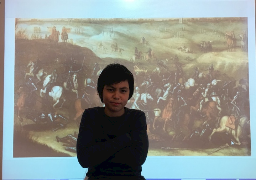
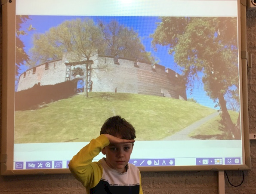
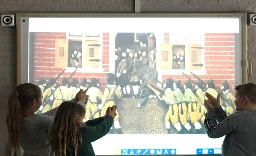
Spanish soldiers surrounded the city of Leiden. The residents of Leiden collected as much food as possible and closed the gates to the city. The Siege lasted a long time and the food ran out.
The 'Geuzen' broke the dikes and saved the people of Leiden.
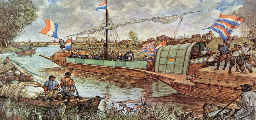
3rd of October 1574
"Pan kotek był chory"
"Na straganie"
https://youtu.be/bu4IdFpa57s
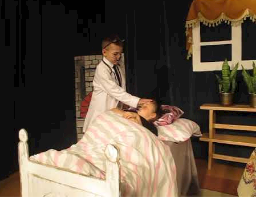
https://youtu.be/oJwstLOnNno
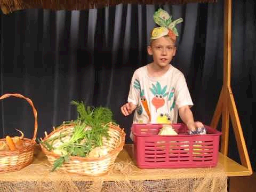


There are lots of popular stories for children in the Spanish tradition: Most of them have been told from parents to children until someone has written them in a book.
Sopa de piedra is a tale or fable that has different versions, for example Nail soup is a tale from Northern Europe.
El rey y la semilla is a moral tale about honesty and integrity. It's got a Chinese version with the China emperor as the main character.
Other famous stories are: El pastor mentiroso, las princesas delicadas, la oveja negra...
SPANISH TRADITIONAL STORIES
TIP
Don't miss our Youtube traditional stories in English!!
The seed
http://bit.ly/lasemillabec
Stone Soup
http://bit.ly/sopadepiedra


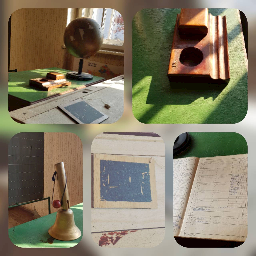
In the past Croatian students had no Religion and IT. They taught Penmanship-style of handwriting, Household-handcrafts(goblen,tapestry,crochet etc),
General defends(shooting, gaining
knowledge about guns and ammunition),
Russian or German instead English.
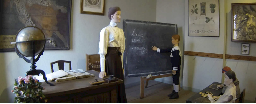
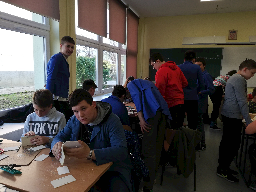
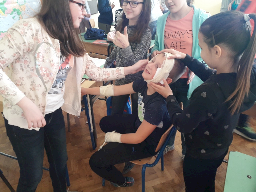
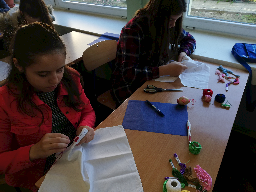
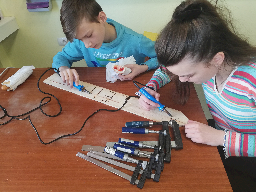
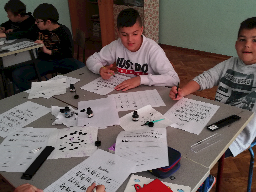
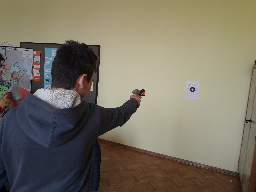
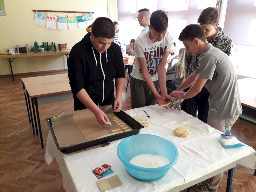
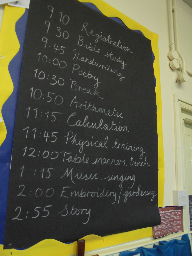
History Day
The timetable for the day
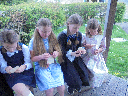
Sewing for girls
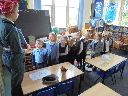
Lessons
Punishments
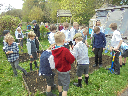
Gardening for boys
Physical training
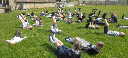
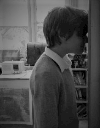
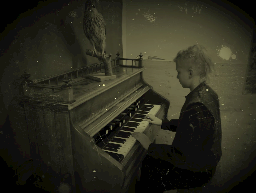
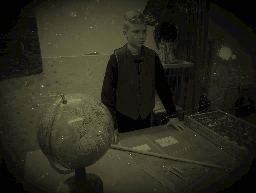
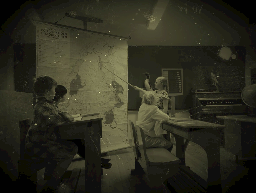
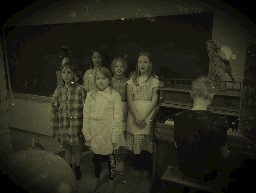
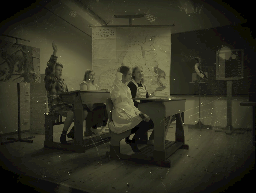
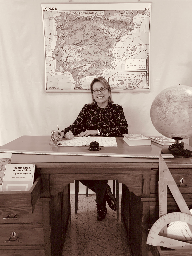
A teacher was one of the most important person in the village and was greatly appreciated by students and parents.
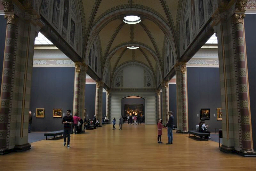
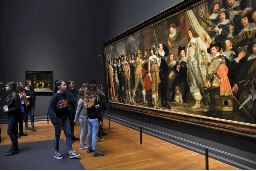
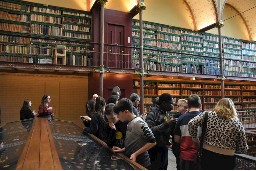
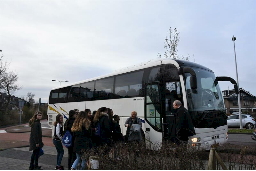
2019: The year of Rembrandt
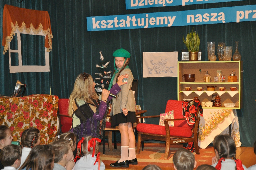
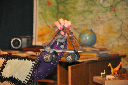
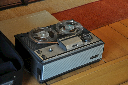
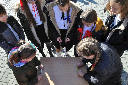
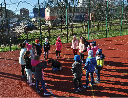
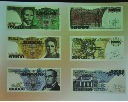
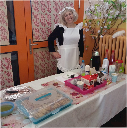
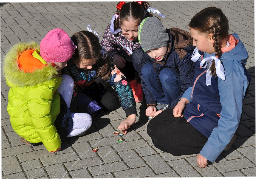
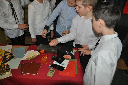
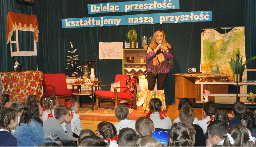
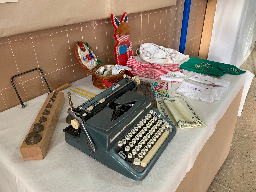
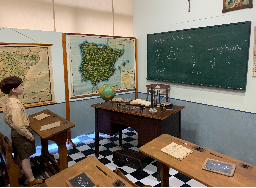
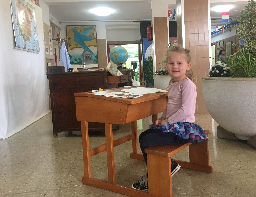
In the past, Spanish schools were very different. There weren't any ball pens, so pupils had to write with ink and pens. Calligraphy, Maths, sewing and crafts were very important.
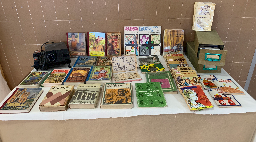
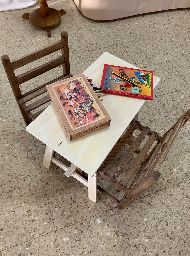
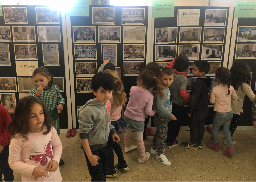
During our history days we could learn a lot about old schools.
f
d
s
s
s
cc
r
.
.

Back then people ate a lot of vegetables and fruits. They also ate "žganci" (cornmush) and they ate "Prežgana juha" (some kind of a soup made out of flour). They were all villagers and they were healthy and ate what they made themselves.

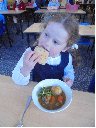

In school they drank milk and ate bread with butter.
.
n
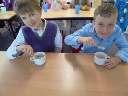
Year 5 or 6 would have to make coffee for the teachers at break time, on the stove in a pan, in the staff room on their own!
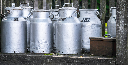
School dinners were provided for free for those who required them. For all children a bottle of milk was provided.
Children didn't have much and were very grateful for what they did have.
rice pudding
stew and cabbage
About food...
The pupils picked up lingonberries every autumn and brought them to the school kitchen. The chef made lingonberry porridge for the pupils during the school year.
The pupil organizers of the class brought the warm
food from the school kitchen to the
classroom in a bucket.
The teacher shared the food on the pupils' plates.
Pupils brought milk and bread from home to school.
Common school meals were pancakes made of blood, liver casserole, pea soup, boiled potatoes and pork sauce, meatballs and mashed potatoes and sausage soup.
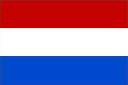
What children in the Netherlands used to drink at school?
In the Netherlands, school milk was distributed to school from the 1930's to the 1980's. In the 1930's it turned out that milk had a positive influence on the development of children. Free milk was distributed to schools because it was good for the growth and concentration.
What children in the Netherlands used to eat at school?
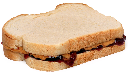
During school time the children are nothing and only drank milk. Most children went home during the break. They then ate a hot meal. It consisted of boiled potatoes, vegetables and meat. In the morning and evening they ate sandwiches with butter and cheese, jam or peanut butter.
The food in Polish school canteens in the past was quite boring and tasteless. During the break, the students got a mug of hot, usually burnt, milk and the terrible smell of it spread around school.
Breakfast for children in the past consisted mostly of a bowl of hot milk soup: rice,noodles, or semolina mixed with milk.
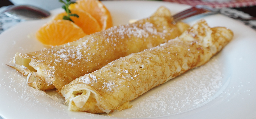
The most popular lunches (paid by parents)served in the school canteen were: noodles with white cheese, butter and cinnamon, pancakes with white cheese, dumplings stuffed with white cheese,too. Some students brought their packed lunches to school and they were usually jam or cheese sandwiches and an apple.


v

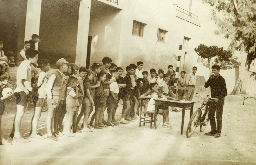
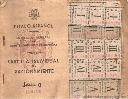

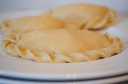
After the war, Spain was very poor and people could hardly buy some food. Meat, fish and eggs were expensive and difficult to find, so people ate soups, bread and vegetables like lentils and beans. At school children were offered a glass of milk thanks to the american help during the 1950s
FOOD

- Full access to our public library
- Save favorite books
- Interact with authors
- < BEGINNING
- END >
-
DOWNLOAD
-
LIKE(5)
-
COMMENT()
-
SHARE
-
SAVE
-
BUY THIS BOOK
(from $16.19+) -
BUY THIS BOOK
(from $16.19+) - DOWNLOAD
- LIKE (5)
- COMMENT ()
- SHARE
- SAVE
- Report
-
BUY
-
LIKE(5)
-
COMMENT()
-
SHARE
- Excessive Violence
- Harassment
- Offensive Pictures
- Spelling & Grammar Errors
- Unfinished
- Other Problem





COMMENTS
Click 'X' to report any negative comments. Thanks!