To Mr. Tumminello

S0, what's the deal with hydroelectric energy?
Hydroelectric power is produced from generators driven by turbines which turn falling or fast flowing water into mechanical energy.
There are four parts of a Hydroelectric Plant

Wow! That's a lot of water!
A Dam raises the water level of the river to create falling water. It also controls the flow of water. The reservoir that is formed is, in effect, stored energy.
This is a water turbine!
A Turbine is activated when the force of falling water pushing against the turbine's blades causing it to spin. A water turbine is much like a windmill, except the energy is provided by falling water instead of wind. The turbine converts the kinetic energy of falling water into mechanical energy.

Water tanks like these will hold purified water!
A Generator is connected to the turbine by shafts and possibly gears so when the turbine spins it causes the generator to spin also. This converts the mechanical energy from the turbine into electric energy.
This is a portable transmission line!
Transmission lines Conduct electricity from the hydropower plant to homes and business.
Hydroelectric energy requires several forms of equipment and conditions
Hydroelectric electricity needs a steady source of water. The power produced from a plant depends on the pressure and volume of water. The higher the pressure the less water flow is needed, and the lower the pressure the more water flow is required.
This is a Pelton Wheel!
Hydro-power equipment is normally divided into three groups, high pressure, medium pressure and flow rates are low, medium and high. High pressure system include a pipe line (pen-stock) and usually a "Pelton" type wheel.
Pelton wheels are normally used where the height of the water drop exceeds 70 meters and they are 80.90% efficient. A Pelton wheel turbine controls generator output by restricting water flow from a high pressure nozzle
This is a Japanese woodblock print of a waterwheel
WHO DISCOVERED HYDROELECTRIC ENERGY?
The power of falling water has been used to produce electricity for over 135 years.
Some of the earliest innovations in using water power were conceived in China during the Han Dynasty between 202 BC and 9 AD.
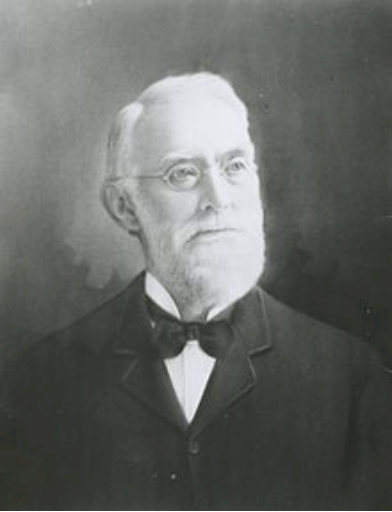
This is Lester Allan Pelton, the creator of the Pelton Wheel!
The availability of water power has long been closely associated with kick-starting economic growth. When Richard Arkwright set up Cromford Mill in England’s Derwent valley in 1771 to spin cotton and so set up one of the world’s first factory systems, hydropower was the energy source he used.
-> In the 1870s, American inventor Lester Allan Pelton developed the Pelton wheel
-> In 1849, British–American engineer James Francis developed the first modern water turbine
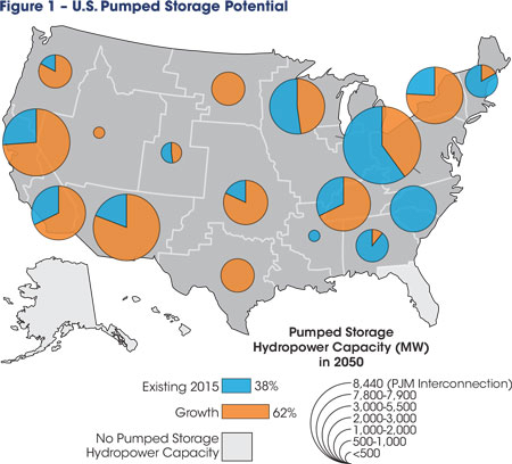
Here's an image depicting the growth of hydroelectric energy!
OUR FUTURE WITH HYDROPOWER
Hydropower is one of the most established and ready sources of renewable energy, and with 1.2 billion people living without electricity
Hydropower makes up 74% of the world’s total renewable electricity generation and 16% of the world’s electricity is generated by hydropower. The current capacity of hydropower could be tripled if all available resources are harnessed.
The International Energy Agency (IEA) would like the output of hydroelectricity to be doubled globally by 2050
So what's so great about hydroelectric energy?
Hydroelectric Energy is one of the few clean fuel sources! This means that it won’t pollute the atmosphere like many mass energy sources. (1)
It is also a renewable power source, making it a more reliable and affordable source than fossil fuels that are rapidly being depleted. (2)
- Full access to our public library
- Save favorite books
- Interact with authors
- < BEGINNING
- END >
-
DOWNLOAD
-
LIKE(3)
-
COMMENT()
-
SHARE
-
SAVE
-
BUY THIS BOOK
(from $6.99+) -
BUY THIS BOOK
(from $6.99+) - DOWNLOAD
- LIKE (3)
- COMMENT ()
- SHARE
- SAVE
- Report
-
BUY
-
LIKE(3)
-
COMMENT()
-
SHARE
- Excessive Violence
- Harassment
- Offensive Pictures
- Spelling & Grammar Errors
- Unfinished
- Other Problem





COMMENTS
Click 'X' to report any negative comments. Thanks!