

This book has been dedicated to children's learning. Information that any child should know how our body is able to protect us with our "Lines Of Defenses".


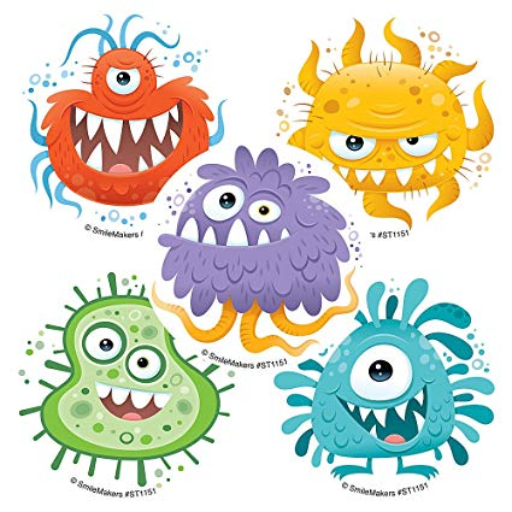
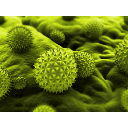
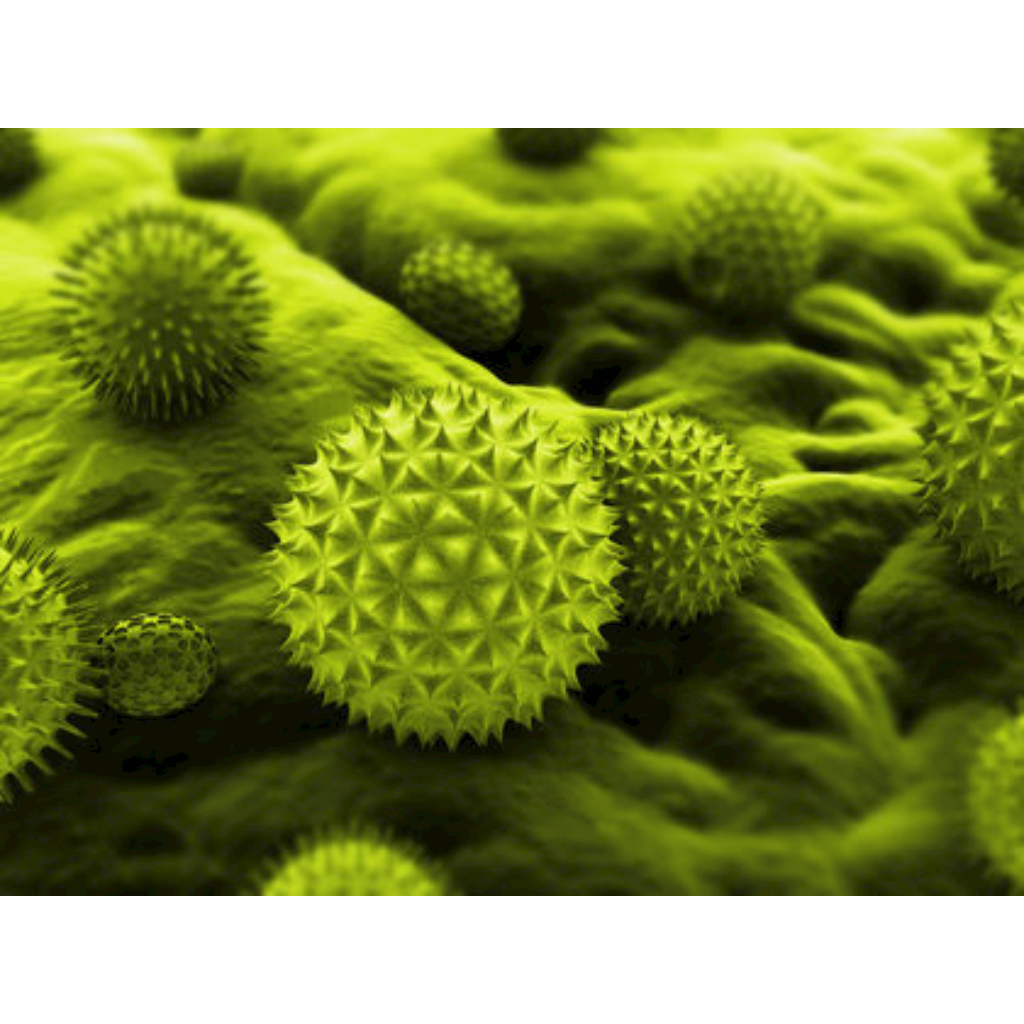
Your body has a two-line defense(white and red blood cells) system against pathogens (germs) that make you sick. Pathogens include bacteria, viruses, toxins, parasites and fungi.

What are Bacteria ?
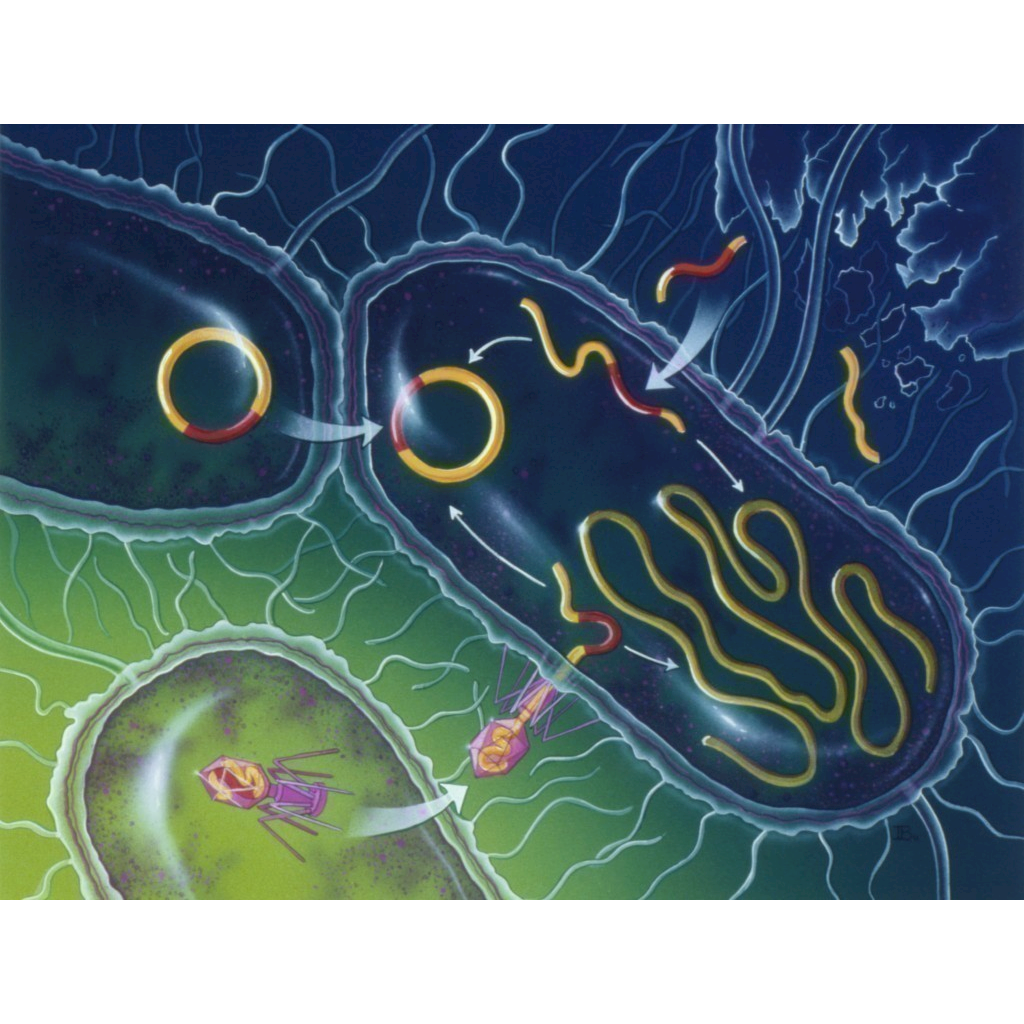
Bacteria are tiny living organisms, also called microorganisms, so small they cannot be seen with the naked eye but can be observed using a microscope.

What are Parasites?
A parasite is an organism that lives on or in a host organism and gets its food from or at the expense of its host. There are three main classes of parasites that can cause disease in humans: protozoa, helminths, and ectoparasites.

What are Fungy ?
A fungus is any member of the group of eukaryotic organisms that includes microorganisms such as yeasts and molds, as well as the more familiar mushrooms. These organisms are classified as a kingdom, fungi, which is separate from the other eukaryotic life kingdoms of plants and animals.

The lines of Defense what we have are:
o Non-specific defense
o Specific defense
o Skin
o Nose hair
o Mucus
o Inflammation
o B-cells
o Antibodies
o T-cells
o Phagocytes


Non-Specific Defense
First Line of Nonspecific Defenses. The body's surface defenses are nonspecific, meaning they do not target specific pathogens. Your skin is the first of your immune system's nonspecific defenses against pathogens. Skin acts as a nearly impenetrable barrier to invading pathogens, keeping them outside the body.

Specific Defense
Specific Defense (The Immune System) The immune system is the third line of defense. It consists of mechanisms and agents that target specific antigens (Ags). An antigen is any molecule, usually a protein or polysaccharide, that can be identified as foreign (nonself) or self.

Skin
The skin is an organ of protection. The primary function of the skin is to act as a barrier. The skin provides protection from: mechanical impacts and pressure, variations in temperature, micro-organisms, radiation and chemicals.

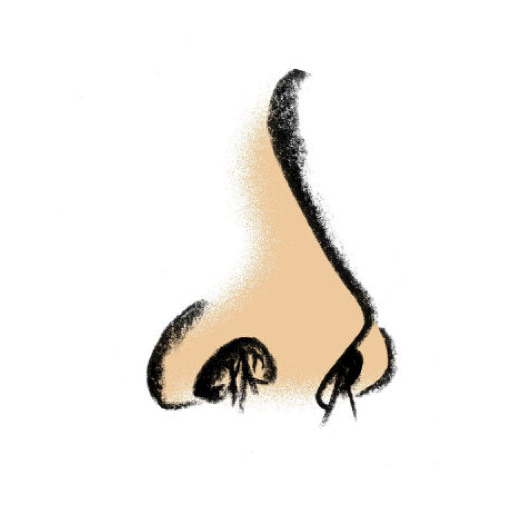
Hair in the nose is one of the body's first lines of defense against harmful environmental pathogens such as germs, fungus, and spores. Another purpose for nose hair is to provide additional humidity to the inhaled air. As the air passes through the nasal passages, the mucus and hair provide heat and moisture.
Nose Hair

- Full access to our public library
- Save favorite books
- Interact with authors

- < BEGINNING
- END >
-
DOWNLOAD
-
LIKE(1)
-
COMMENT()
-
SHARE
-
SAVE
-
BUY THIS BOOK
(from $6.19+) -
BUY THIS BOOK
(from $6.19+) - DOWNLOAD
- LIKE (1)
- COMMENT ()
- SHARE
- SAVE
- Report
-
BUY
-
LIKE(1)
-
COMMENT()
-
SHARE
- Excessive Violence
- Harassment
- Offensive Pictures
- Spelling & Grammar Errors
- Unfinished
- Other Problem

COMMENTS
Click 'X' to report any negative comments. Thanks!