I dedicate this to my grandfather who lived in Ethiopia and passed away due to cancer. He loved it there and I will be exploring it on his behalf.

is for A horizon
On Cam's journey, he visits the A horizon first in the third world country of Ethiopia. The A horizon is frequently the top layer of soil. It is a zone of organic material and minerals that have been mixed together.

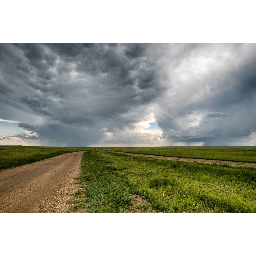
is for B horizon
After, the A horizon, he visits the B horizon next. This is a soil horizon composed primarily of mineral material with very little organic material. It is characterized by an accumulation of clay.

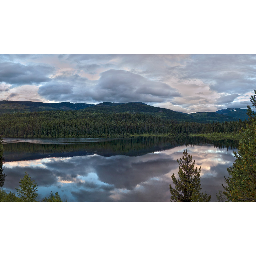
is for C horizon

After the B horizon, Cam visits the C horizon thirdly. This is the least weathered soil horizon compared to the others. It always occurs beneath the B horizon and is similar to the parent material.
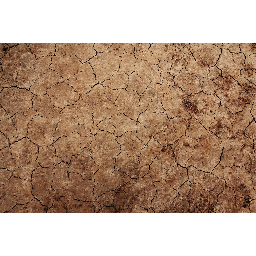
is for Dam

After the C horizon, Cam goes to the dam which is a barrier that runs across a river or a stream to control the flow of water. It prevents the flow of water or loose solid materials. These solid materials could either be soil or snow.
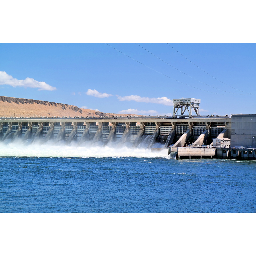
is for Earthquake

While Cam is at the dam, a crazy earthquake is taking place in another third world country called Nigeria. This does not effect him but is still very disturbing. An earthquake is the sudden movement of Earth's crust caused by a release of potential energy along a geologic fault and usually causing a vibration of Earth surface.
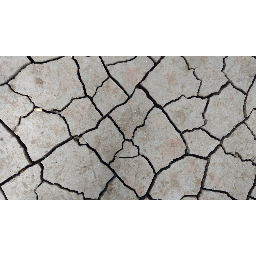
is for Famine

In these third world countries such as Ethiopia and Nigeria, famine is very common and a big reason in the abundant amount of deaths every year. The condition in which food insecurity is so extreme that large numbers of deaths occur in a given area over a relatively short period.
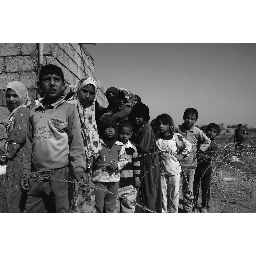
is for greenhouse gases

Cam notices surprisingly high amount of greenhouse gases in Ethiopia. Greenhouse gases are gases in Earth's atmosphere that trap heat near the surface. The largest source of greenhouse gas emissions from human activities in the United States is from burning fossil fuels for electricity, heat, and transportation. It traps heat and is dangerous.
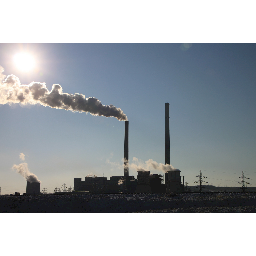
is for Hypothesis

Cam makes a hypothesis that the greenhouse gases will cause more diseases and harm the health of several individuals. A hypothesis is a testable conjecture about how something works. It is something more than a wild guess but less than a well-established theory. In science, a hypothesis needs to go through a lot of testing before it gets labeled a theory.

is for igneous rock

As Cam makes his hypothesis, he thinks about igneous rocks and how cool it would be to have one. An igneous rock is a rock formed directly from magma. Because igneous rocks form from the cooling of lava and magma, they can be found around areas where volcanic activity is or has been present. Cam wishes he was near a volcano so that he can have an igneous rock.
is for joule

As Cam gets sad that he does not have an igneous rock, his mind goes towards joules and to his fascination with electricity. A joule is an amount of energy used when a 1-watt electrical device is turned on for one second. It is a derived unit of energy in the International System of Units.

is for keystone species

Cam goes to the savanna and encounters several keystone species. A keystone species is a species that plays a far more important role in its community than its relative abundance might suggest. However, he does not encounter the keystone species that he hopes to see and is upset about it.
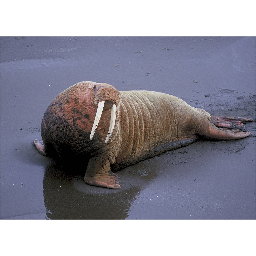
is for least concern species

While in the savanna, Cam sees a few least concern species. These are species that are widespread and abundant. The species that fascinates him the most is the African buffalo, but he is too scared to observe it so he keeps his distance.
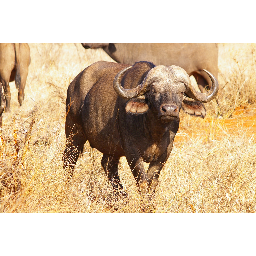
is for malnourished

Cam notices that some of these least concern species are malnourished. They have a diet that lacks the correct balance of proteins, carbohydrates, vitamins, and minerals. Cam wishes that he could help these animals, but does not have any food which makes him feel sad.
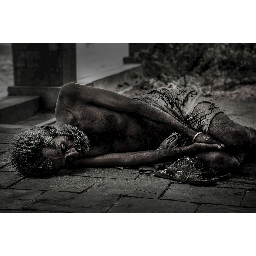
is for neurotoxins

In the savanna, Cam encounters several snakes with neurotoxins in their brains. This is a chemical that disrupts the nervous system of animals. These poisons are used by the snakes for protection against predators or for capturing prey.

is for O horizon

After the savanna, Cam goes to the O horizon. The O horizon is the organic horizon at the surface of many soils, composed of organic detritus in various stages of decomposition. The layer of loose leaves and organic debris at the surface of the soil.
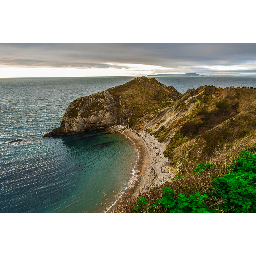
is for pioneer species

In the O horizon, Cam sees a pioneer species called Lyme grass. Pioneer species is a species that can colonize new areas rapidly and grow well in full sunshine. This bright blue, cool-season ornamental grass maintains it coloring throughout the growing season.
- Full access to our public library
- Save favorite books
- Interact with authors
Thank you for reading! I hope you enjoyed it and got to learn a little bit more about environmental science and what i experienced in my time at Ethiopia.
- < BEGINNING
- END >
-
DOWNLOAD
-
LIKE(1)
-
COMMENT()
-
SHARE
-
SAVE
-
BUY THIS BOOK
(from $5.39+) -
BUY THIS BOOK
(from $5.39+) - DOWNLOAD
- LIKE (1)
- COMMENT ()
- SHARE
- SAVE
- Report
-
BUY
-
LIKE(1)
-
COMMENT()
-
SHARE
- Excessive Violence
- Harassment
- Offensive Pictures
- Spelling & Grammar Errors
- Unfinished
- Other Problem





COMMENTS
Click 'X' to report any negative comments. Thanks!