for my fellow classmates...

is for vitamin A!
Vitamin A (retinol) helps in the body in many ways. It helps the body maintain healthy teeth, mucus membranes, skin, and helps promote good vision. For your body to use vitamin A, it must covert it into retinal and retinoic acid. After it is converted, it is kept in the liver for later use. When needed, it binds to proteins and enters the bloodstream for your body's use. If you don't have enough vitamin A you may experience dry skin, infertility, and delayed growth. On the other hand, too much vitamin A results in dizziness, nausea, coma, and even death. The RDA for vitamin A is between 700mcg- 900mcg for men and women.




is for Biotin and Beta Carotene!
Biotin helps your nails and hair! Also, it helps enzymes work properly and and is important for energy metabolism. If you have low biotin levels you may experience loss of body hair, rashes, pinkeye, seizures, and nervous system disorders! On the other hand, if you have too much biotin you may experience itchiness, flushing, or rashes. There is no specific RDA for biotin, but the recommended dose is about 30 mcg a day.

Beta carotene is an antioxidant that converts to vitamin a! It helps with our skin, mucus membranes, immune system, and vision! Beta carotene helps protect the body from free radicals and this lowers the risk of developing cancer and heart disease. If you have too much beta carotene in your system your skin might turn a yellowish orange color, but don't worry! Its harmless! However if you don't get enough beta carotene you might suffer from a vitamin a deficiency. Signs of this include night blindness, dry skin, and delayed growth. There is no specific RDA for beta carotene, but the recommended dose is about 15-180 milligrams a day!




is for calcium!

Calcium helps your body clot blood and builds strong bones an teeth! Most calcium is stored in our bones, but cells and blood also contain calcium. Our body controls how much calcium is in our blood. If there not enough calcium in our blood, it is moved from the bones, weakening them. If you do not have enough calcium you may experience cramps, muscle spasms, and fatigue! However if you have too much calcium you might experience diarrhea, headaches, confusion, irregular heartbeat, and coma. The RDA for calcium depends on your age and sex. For men and women 19-50 years it is 1,000 mg.




is for vitamin D!

Vitamin D is known as the sunshine vitamin! It helps regulate your immune system neuromusclar system! Your body makes it itself, but only after skin exposure to sunlight.



is for vitamin E!

Vitamin E is an antioxidant that protects the bodies cells, tissues, and organs from free radicals. Vitamin E has been found to lower the risk of heart disease, cancer, and even dementia by inhibiting the production of reactive oxygen species molecules when fat undergoes oxidation. If you do not have enough vitamin E you may experience anemia, skeletal myopathy, and nerve damage. However, too much vitamin E may will result in nausea, stomach cramps, and blurred vision. The RDA for vitamin E is 15 mg.



is for folate!

Folate helps grow tissue, form red blood cells, and create new proteins! Also folate helps your body make genetic material and helps your cells divide. People that are pregnant and have anemia take folic acid for these reasons. If you have low levels of folate you might experience pale skin, fatigue, and headaches. However, if you have high folate levels you might have diarrhea, nausea, gas, and skin reactions. The RDA for adults is 400 mcg, but pregnant women should take 400-800 mcg daily.




is for vitamin H!

Vitamin H is also known as biotin! Vitamin H helps promote healthy hair and nail growth!


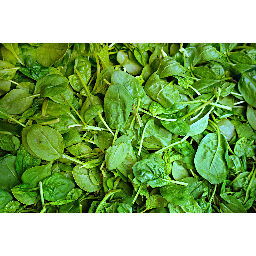
is for iron!

Iron carries oxygen from the lungs to blood cells and carries out carbon dioxide as waste. The iron hemoglobin binds with inhaled oxygen molecules and transfers oxygen to the rest of our body. If you don't have enough iron, you might develop anemia and not have enough healthy oxygen carrying blood cells. Signs of iron deficiency are headaches, fatigue, and pale skin. However, if you have too much iron you might have gastrointestinal and nervous system side effects. It is important to maintain healthy iron levels. The RDA for iron is 8mg for males 19 and over and 18mg for women 19-50.

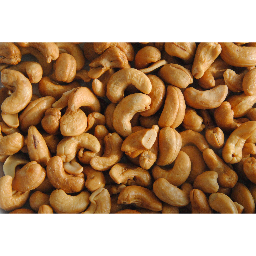


is for Vitamin K!

Vitamin K plays an important role in blood clotting, bone metabolism, and regulating blood calcium levels!
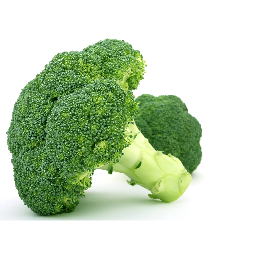



is for magnesium!

Magnesium is a mineral that helps the body maintain bone strength and a healthy heartbeat. Also, magnesium works with enzymes to help produce and transport energy to aid the digestion of proteins. If you do not have enough magnesium you may experience headaches, fatigue, poor memory, and muscle spasms. On the other hand, high levels of magnesium may result in kidney damage, abdominal cramping, and dehydration. The RDA for magnesium is 350mg for males and 300mg for females.

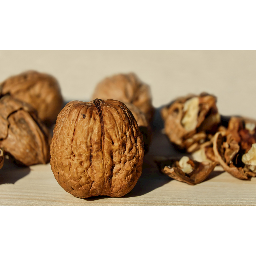

is for niacin!

Niacin is an important nutrient that helps the body lower cholesterol levels and lower cardiovascular risk. Also, niacin plays a role in converting carbohydrates into glucose and keeps the nervous system working properly. High levels of niacin can lead to many complications such as rapid heart beat, vomiting, and liver damage. However, if you do not have enough niacin you may experience fatigue, memory loss, and a swollen mouth. The RDA for niacin is 16mg fro males and 14mg a day for females.
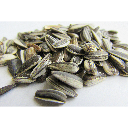


Is for Omega 3 fatty acids!

Omega three fatty acids are essential fats! They help in making hormones, regulating blood clotting, and with inflammation. Also omega 3's have been found to improve eye and brain health.


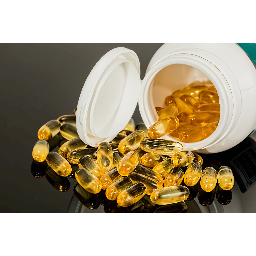
is for pyridoxine (vitamin B6)!

Pyridoxine or vitamin B6 is used to maintain healthy nerves, skin, and red blood cells. Also, it has been to prevent and treat the nerve disorder, peripheral neuropathy. Vitamin B6 carries out its functions by helping with the production of hemoglobin and hormones like serotonin and melatonin. If your body has too much pyridoxine you may experience skin sores, light sensitivity ,and nerve problems. However, if you do not have enough vitamin B6 you may have skin rashes, mood changes, and a weak immune system. To keep your body healthy it i important to have a healthy amount of vitamin B6. The RDA for vitamin B6 is 1.3 mg for men and women 19-50 years.

- Full access to our public library
- Save favorite books
- Interact with authors
- < BEGINNING
- END >
-
DOWNLOAD
-
LIKE(1)
-
COMMENT()
-
SHARE
-
SAVE
-
BUY THIS BOOK
(from $5.39+) -
BUY THIS BOOK
(from $5.39+) - DOWNLOAD
- LIKE (1)
- COMMENT ()
- SHARE
- SAVE
- Report
-
BUY
-
LIKE(1)
-
COMMENT()
-
SHARE
- Excessive Violence
- Harassment
- Offensive Pictures
- Spelling & Grammar Errors
- Unfinished
- Other Problem





COMMENTS
Click 'X' to report any negative comments. Thanks!