
Birth should be a joyous occasion for any family. Pain soon forgotten, it should be a day of making memories with a new life that has been brought into this world. This however, isn't always the case, especially in mother's who have just had a child with great difficulty, such as Wren's. In these instances, with mass trauma, these children can obtain cerebral palsy; as they are in such a delicate stage of life.
Cerebral Pasly is a congenital, but not a genetic condition. It occurs before, during, or slightly after birth when a child receives a traumatic head injury or brain damage. In Wren's case, her mother is a diabetic and did not receive her insulin during the delivery, resulting in major oxygen loss to the baby in a span of fifteen minutes when her mother went into shock. Wren now has cerebral palsy; but her parent's aren't quite aware just yet.
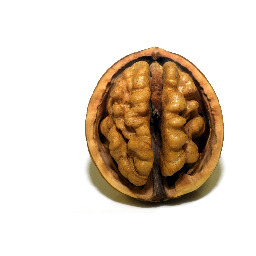
Wren's parents were first informed about her condition soon after birth, due to the traumatic circumstances of her birth. A CT scan and a variety of other tests were informed to confirm this. This left her parent's with many questions, but one stood out the furthest: What will this do to her?
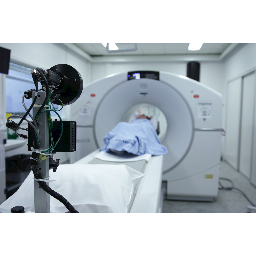
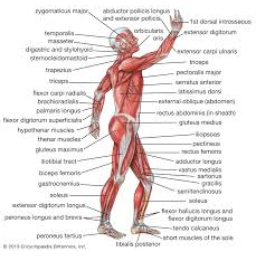
The condition would affect Wren's nervous system; but it would not yet be known how. Since cerebral palsy is brain damage in a infant, it is impossible to determine how it will affect that infant later in life. However, the severity of the condition can be determined; and Wren's is moderate to severe. This likely means that her muscle system will be affected as well.
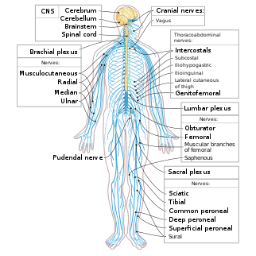
Wren began to grow older; and her symptoms as a infant began to morph into her symptoms as a child. While she had been floppy and had trouble engaging as a baby, she began to show severe delays in her walking skills, eventually it was discovered that she would probably never walk. By the age of four she was wheelchair bound due to her muscles being incredibly stiff, and on top of this she experienced great pain in her feet.
Wren also began to exhibit difficulty speaking, being unable to form her words correctly. The disability was beginning to make itself more obvious as she was diagnosed with epilepsy, vision impairment, and severe intellectual impairment, similar to a person with Autism or a common learning disability. For Wren's parents, it was all becoming far too real.
Though Wren's parents had always known that they needed to treat her condition, they began to look at it more seriously when her speech milestones had clearly not been met. However, the damage had been done, and they knew the only treatment would be to lessen and cure the damage as much as physically possible.
Wren's parents had a lot of options, and began to look at what would benefit their daughter most. Their main concern was with how stiff her muscles had become, so she was immediately prescribed Valium to help her relax. Immediately they noticed a difference in how she moved and her flexibility.
Due to Wren having brain damage, her parents knew that she would never be cured. However, they began to invest in speech therapies to help her communicate better, and previously where there had been no words, there were now breakthroughs such as "dog" and "ball." Enthused with this development, her parents also invested in physical therapy to help her begin to walk again, and some occupational therapies to let her begin to feel a sense of independence.
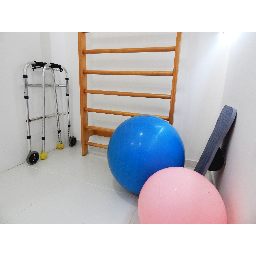
Wren's parents had definitely made the right choice with her. She was beginning to speak, use the bathroom by herself, and was even beginning to walk a little. However, not everyone is as lucky as Wren. A friend from Wren's school for special needs, Dylan, also was diagnosed with cerebral palsy at the age of two. He came from a poor middle class family, and though he had a medical condition, none of the therapy's were covered by his insurance. Dylan was alone and left to suffer untreated.
Wren was there to witness all of Dylan's shortcomings. While cerebral palsy is not fatal, it can lead to him being severely uncomfortable. While Wren was able to move, and talk some more, and thrive in her treatments, Dylan was becoming weaker. His muscles contorted to the point of almost being stone, unable to speak, or even move at all, he was nothing but a statue. He was wheelchair bound, and if he dint get treatment fast, it would likely be that way forever.
Wren and Dylan's quality of life ended up being incredibly different. Wren could now move, and though still fundamentally disabled, she could make her voice and opinion known. As she got older, she could walk slowly, discuss topics she enjoyed, and do day to day functions by herself
Untreated Cerebral Palsy is much different. Dylan's quality of life generally got worse; stiff and unable to move, being fed through a g-tube, and living inside himself unable to escape were only the beginning of his nightmare. Seizures and general degrading health were soon to be in his future.
- Full access to our public library
- Save favorite books
- Interact with authors
- < BEGINNING
- END >
-
DOWNLOAD
-
LIKE(1)
-
COMMENT()
-
SHARE
-
SAVE
-
BUY THIS BOOK
(from $4.39+) -
BUY THIS BOOK
(from $4.39+) - DOWNLOAD
- LIKE (1)
- COMMENT ()
- SHARE
- SAVE
- Report
-
BUY
-
LIKE(1)
-
COMMENT()
-
SHARE
- Excessive Violence
- Harassment
- Offensive Pictures
- Spelling & Grammar Errors
- Unfinished
- Other Problem






COMMENTS
Click 'X' to report any negative comments. Thanks!