Project participants - teachers:
1.Elena Kulbokiene, Lolita Petraitiene Petrauskiene- Plateliai Gymnasium,
Lithuania
2.Bjørn Larsen, Henrik Teglstrup- Hjemb¨æk Efterskole, Denmark
3. Laura Uzlovska, Jeļena Jevdokimova, Iveta Leišavniece - Rīgas Reinholda Šmēlinga vidusskola, Latvia

The project "ABC of Nature. Advanced methodology and materials to develop teenage students' knowledge about national nature parks in Denmark, Latvia, and Lithuania."
September 2018- May 2021

NPJP-2018/10159
PVS ID 3839
The aim of the project is - to establish educational, cultural, development partnership among students and pedagogical staff of participating schools; to promote innovative products, exchange of good practice in the field of environment education; to promote mutual Nordic-Baltic cultural understanding; to discuss how to preserve beauty of nature in national nature parks, appreciate its importance in human life and history; to develop, share relevant materials of environment education within the context of regional nature and culture heritage. During the project, tasks aimed at development of teenagers' environment research skills are made, field trip routes formed , 'green' lessons in the national nature parks held, and an authentic e-book created
Content
Chapter 1. Experience seminar in Plateliai, Lithuania p.5- 27
Chapter 2. Learning material created by Lithuanian project
participants in Lithuania p.28-40
Chapter 3. Experience seminar in Hjembæk Efterskole, Denmark
p.41-52
Chapter 4. Learning materials created in Denmark p.53 -81
Chapter 5. Digital experience seminar in Riga, Latvia p. 82-126
Chapter 6. Learning material about the Gauja National park in Latvia, created by Latvian project participants. p. 127-164
Chapter 1
Experience seminar of the project in Plateliai gymnasium and Zemaitija National park, Lithuania
08.04.2019.-12.04.2019.
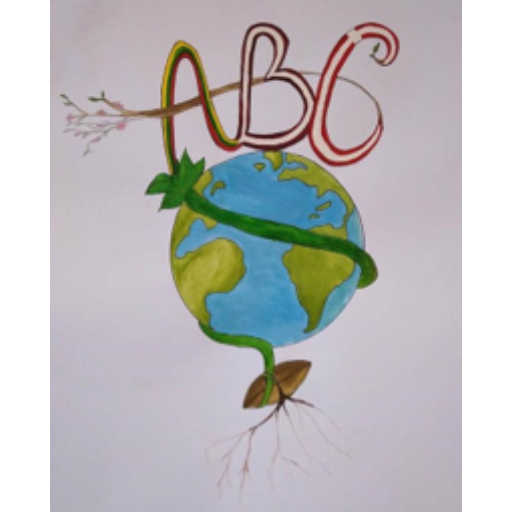
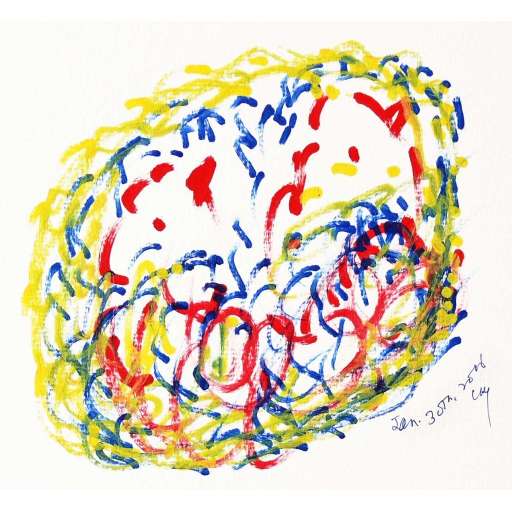
Project logo created by Lithuanian students -project participants
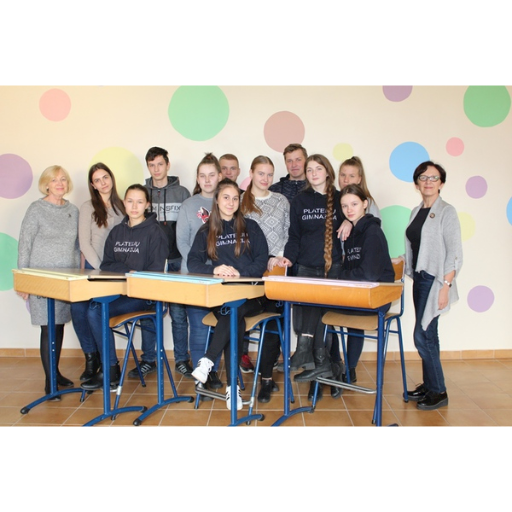
Lithuanian project team
Participating students from Latvia, Lithuania, Denmark
Students from Hjembæk Efterskole:
Jens
Thomas
Malene
Oliver
Sofie
Students from Riga Reinholds Smelings secondary school:
Ričards
Madara
Laura
Artis
Valentīns
Ralfs
Students from Plateliai gymnasium:
Viktorija Akvile Vilte
Viktorija Deimante
Neda Kotryna
Kamile Kristina
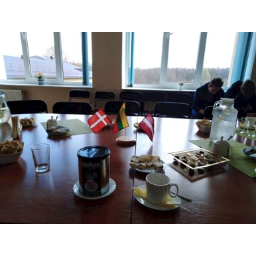
Welcome to Plateliai gymnasium
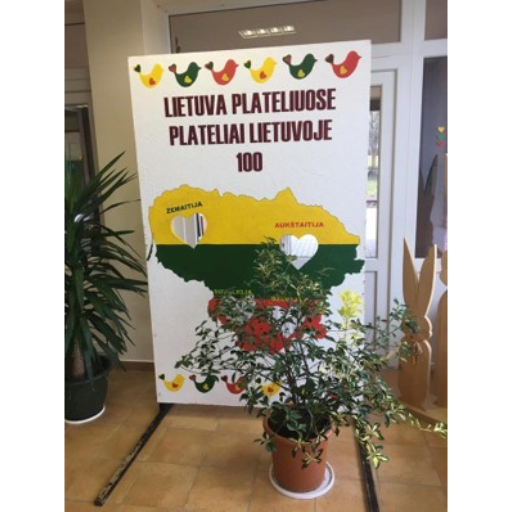
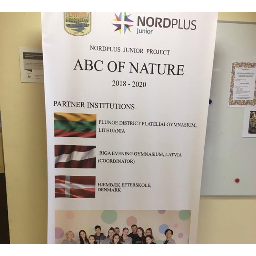
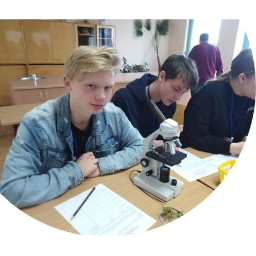
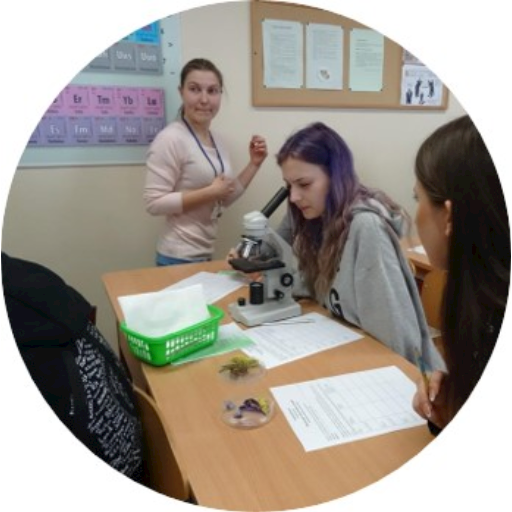
Science and IT lesson
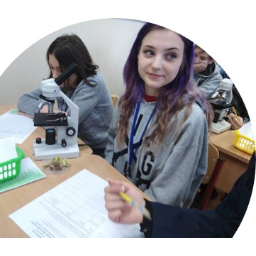
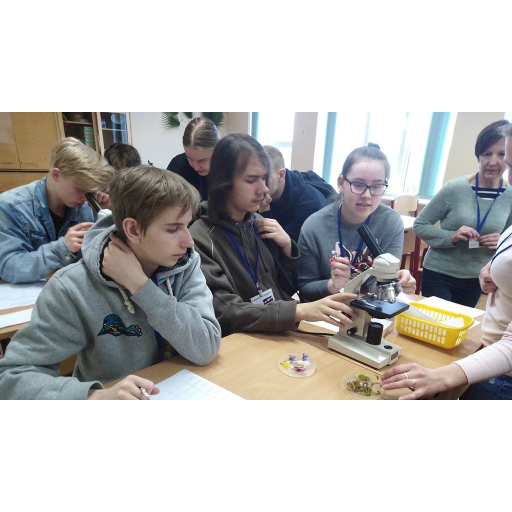
A lesson and research about plant blossoms and pollen at Plateliai gymnasium
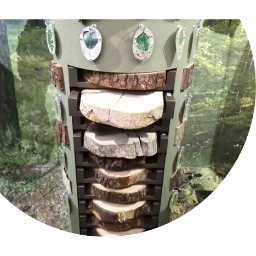
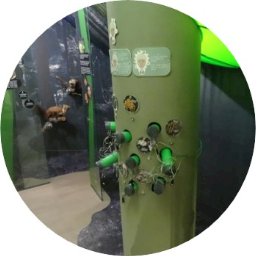
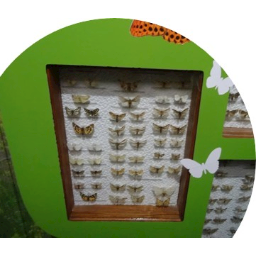
'Green' lesson in the information center of Zemaitija National Park. Learning activities included
- acquiring variety of trees
- recognizing plants and herb scents
- becoming aware of butterfly richness
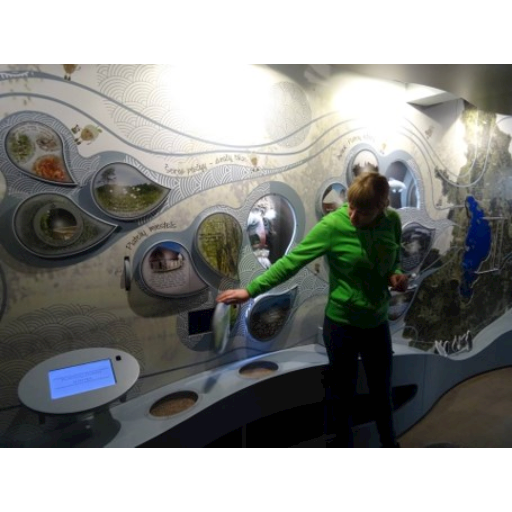
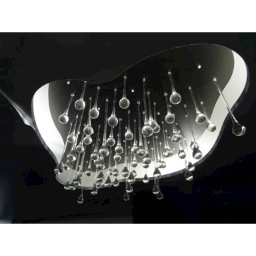
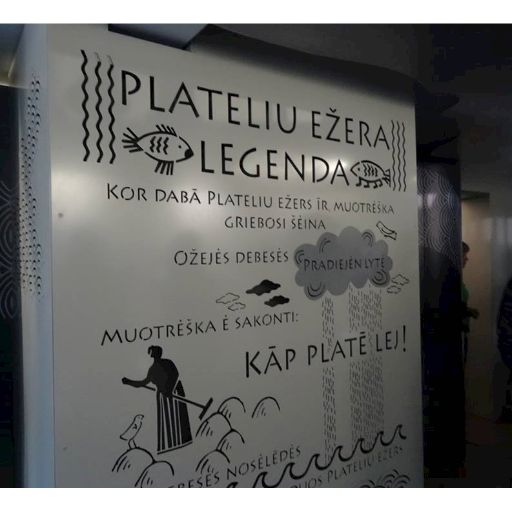
Legend about Plateliai lake
Plateliai lake is the largest and deepest lake in the Lowlands. The deepest point is about 50 meters. The lake is very meander around a number of hills, the highest of them - 20-30 on the hill - is looming wooded Plokštinė plokščiakalvė. It was equipped with plates for the Soviet era missile base, which from 2012 onwards. is open to visitors during the Cold War Museum. The lake has seven islands called very creative - Calves, Briedsalė, Castle Island, as well as Pliksalė, Gaidsalė, Ubagsalė, Šončelio Island and Auksalės Kreiviškiai and peninsulas. The most interesting is the Castle Island. Even more interesting sounds Legend of the Lake name: It is said that once the lake stretched away to the west. But during a storm tornado grabbed him and began to carry them to the east. From the lake-cloud rained heavily. One Low exclaimed with surprise: "But it lej! ... Plate lej" (ie widespread rains). It turns out, i*+s a former lake-cloud password by uttering all its water Vortex stormed into the hills.
https://www.visitlithuania.net/nature/lakes/1502-plateliai-lake-
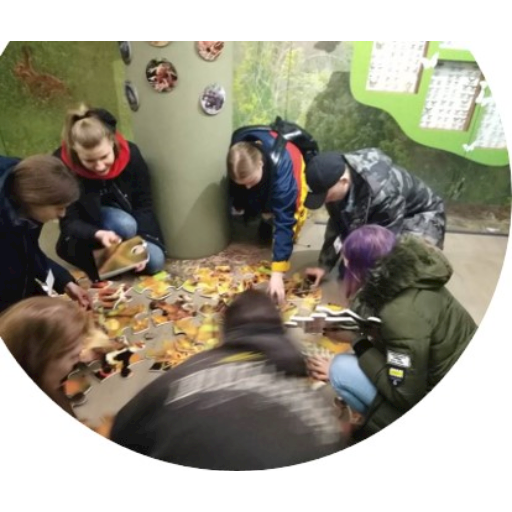
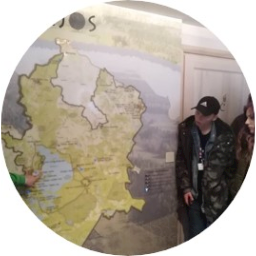
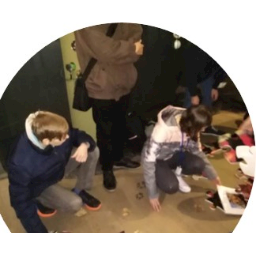
In the Information center of Zemaitija National park, making puzzles and playing games, students are learning in international groups
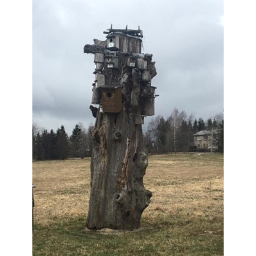
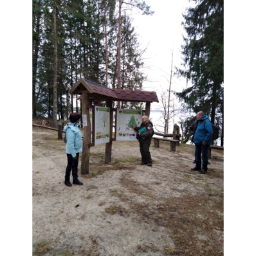
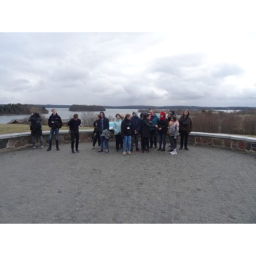
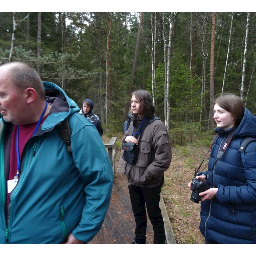
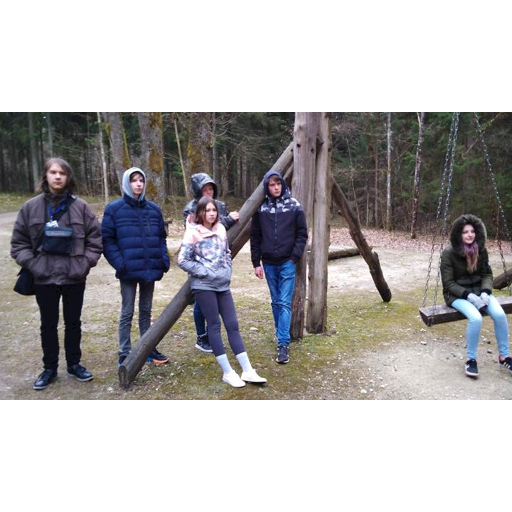
In Zemaitija national park. Students and teachers are hiking, learning and bird watching along Šeire nature trail. The length of the trail is 4.1 km.
Exclusiveness of trail experience: active way to acquaint with nature, Gaudupis bog, lake Piktežeris, shore of lake Plateliai.
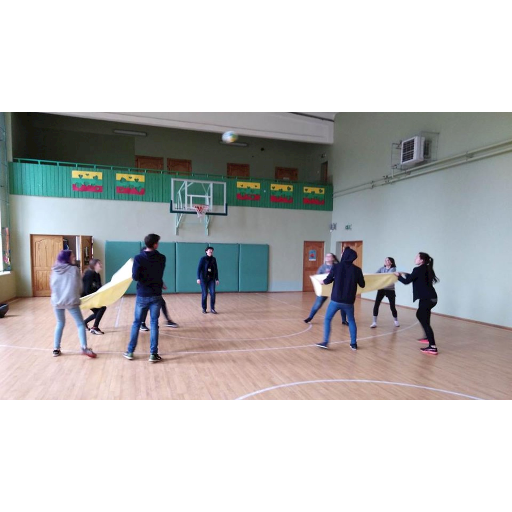
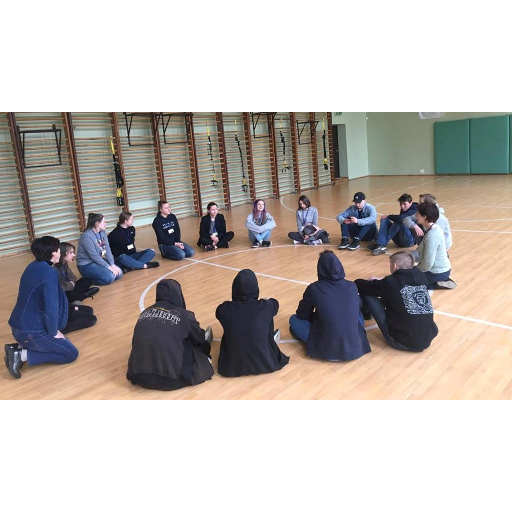
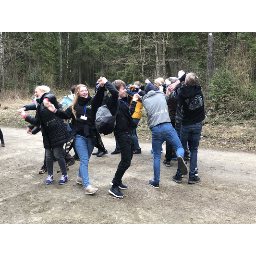
Communication in the form of games.
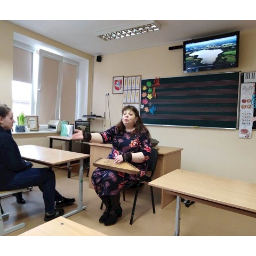
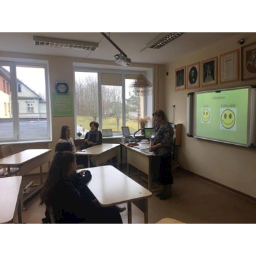
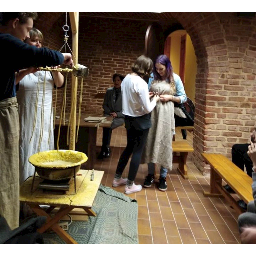
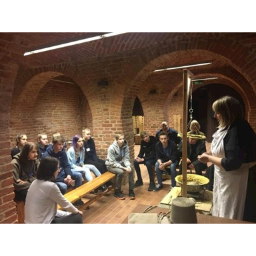
Sharing culture:
singing a Lithuanian folk song in Music lesson, learning new Lithuanian words in the Lithuanian lesson, making wax candles in Plateliai Art and Craft centre,
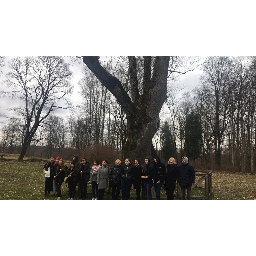
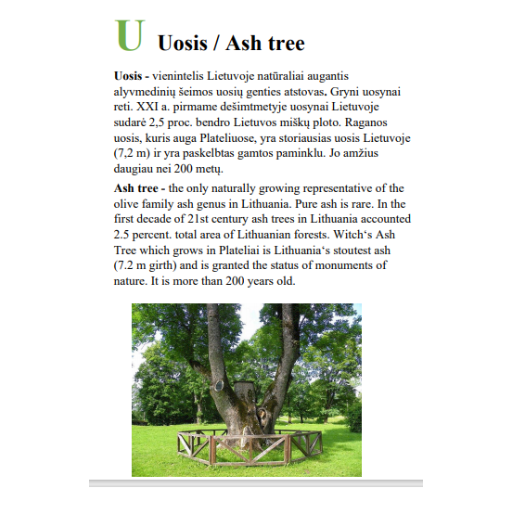
learning the legend and taking a photo at the Witch's tree.
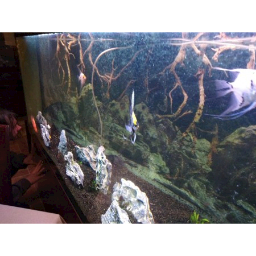
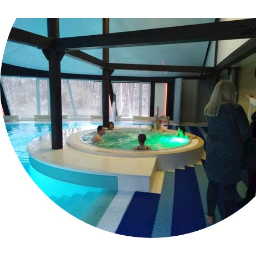
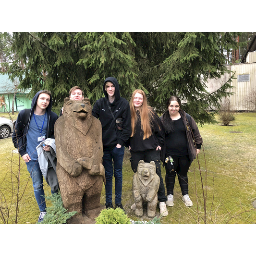
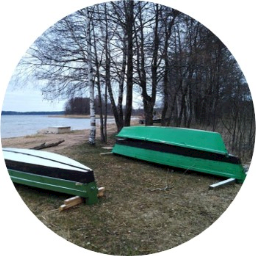
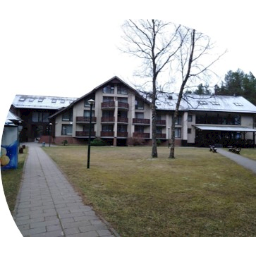
During their time in the hotel "Linelis" in Zemaitija National park, students enjoyed observing fish in the aquarium, swimming in the swimming pool, walking along the lake, taking photos with the wooden animals, and having dinner together.
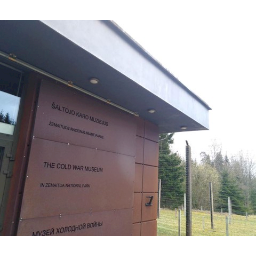
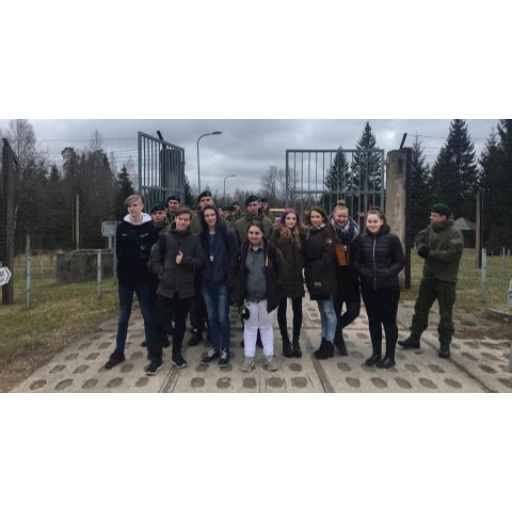
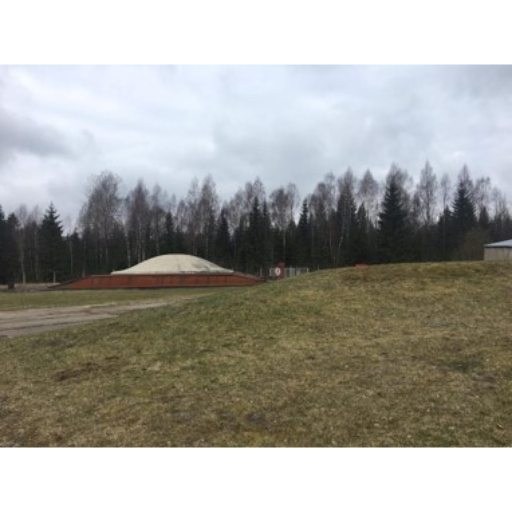
Learning in the Cold War Museum in Zemaitija National park.
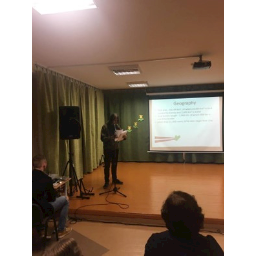
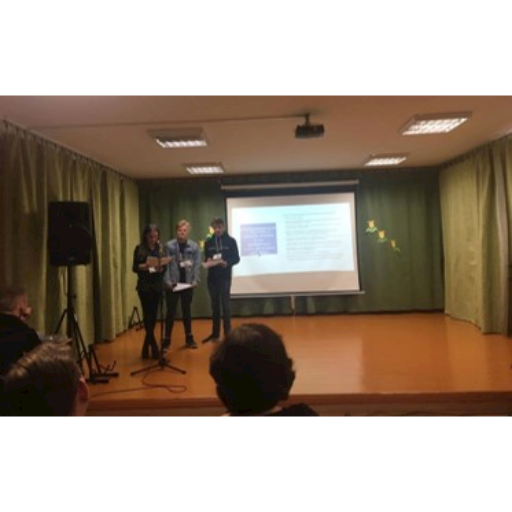
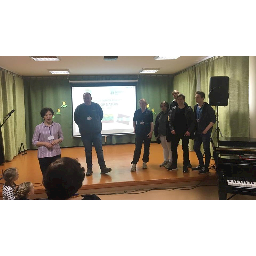
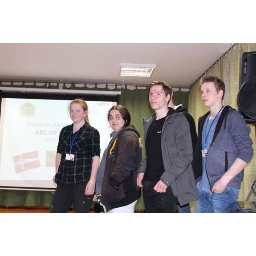
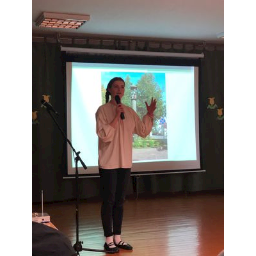
Final event of the experience seminar in Plateliai.
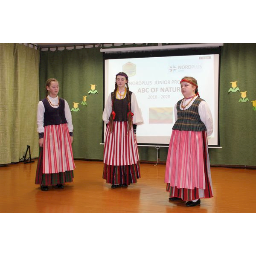
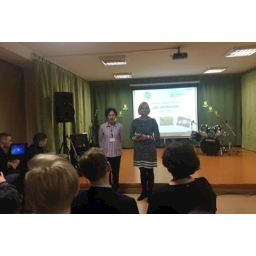
Students and teachers, project participants, are making presentations about their countries and schools.
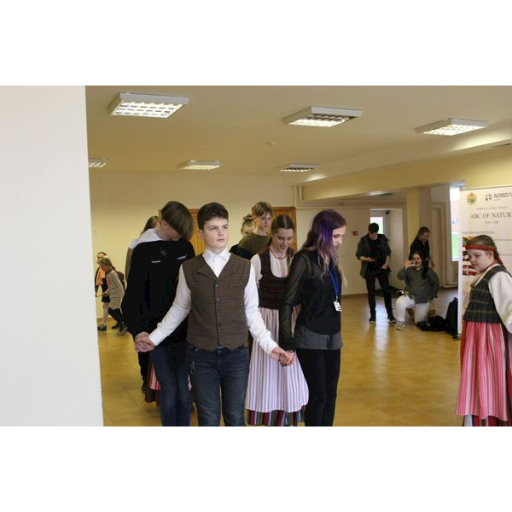
The folk group of Plateliai gymnasium invited project participants to join the dancing activities.
Chapter 2. Learning material created by Lithuanian project participants in Lithuania
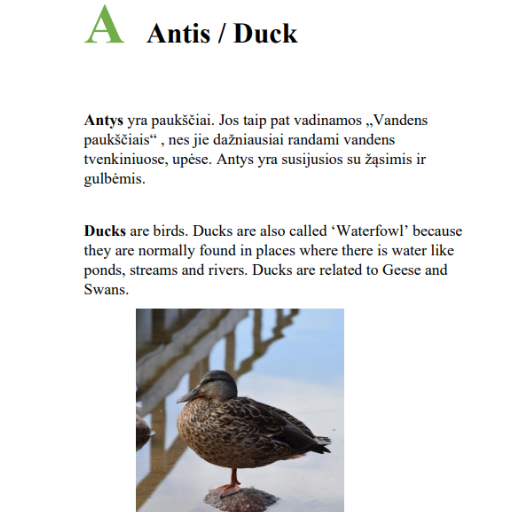
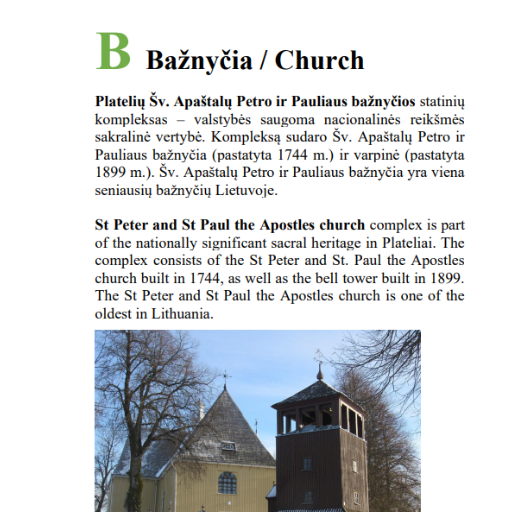
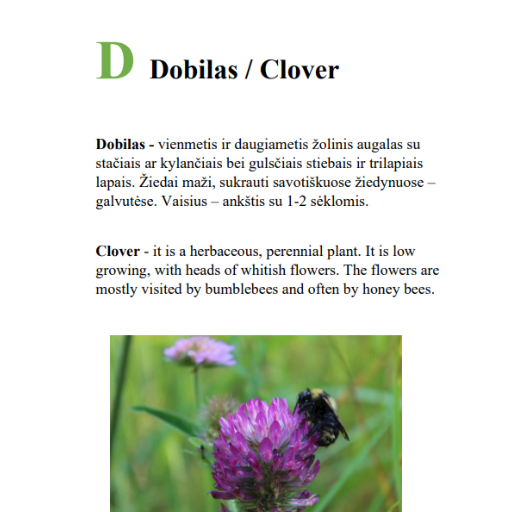
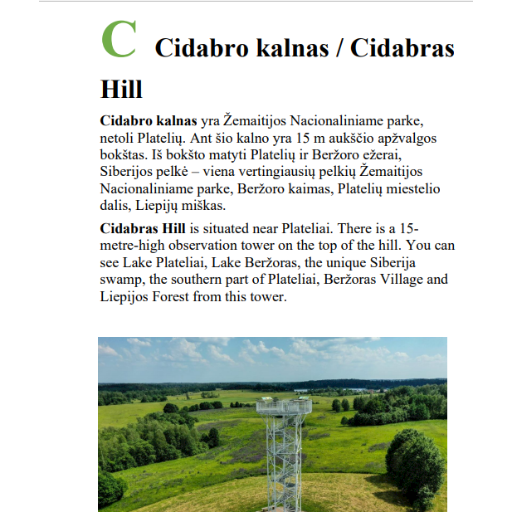
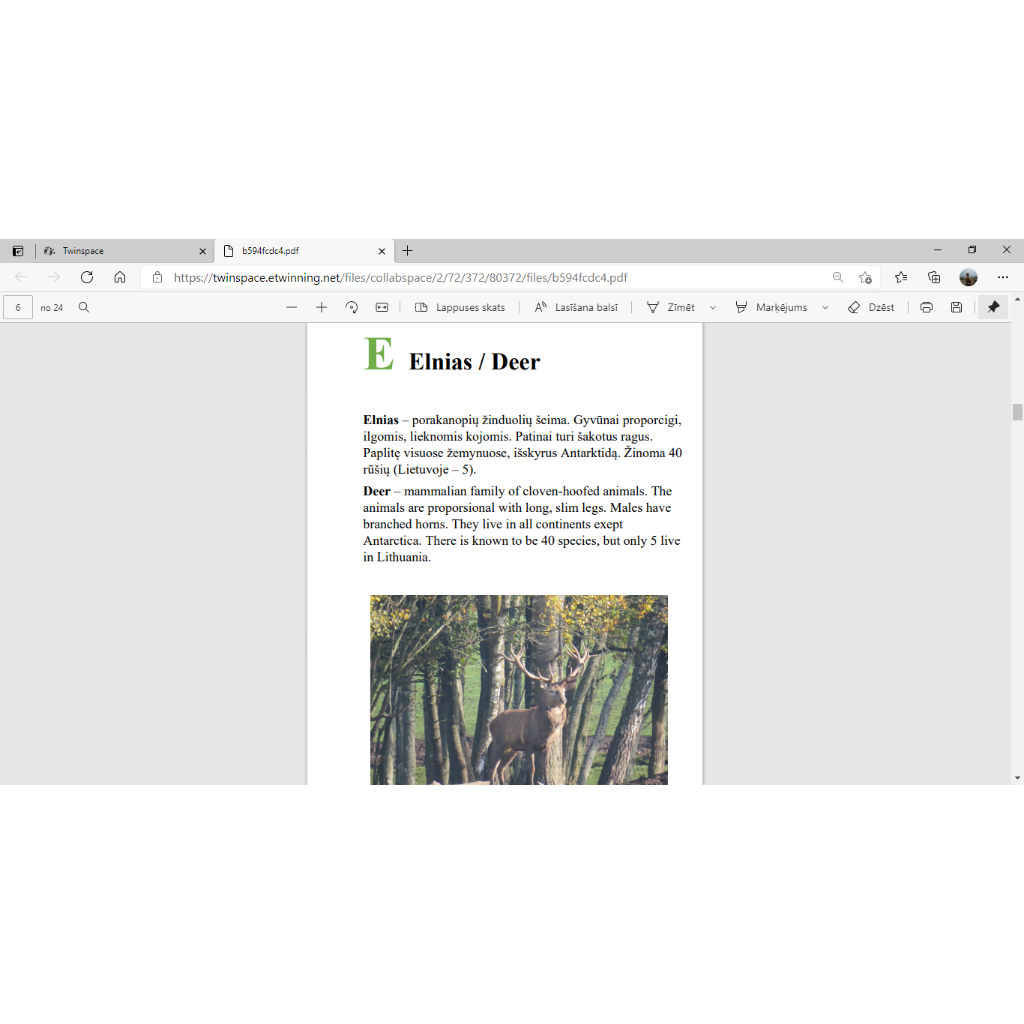
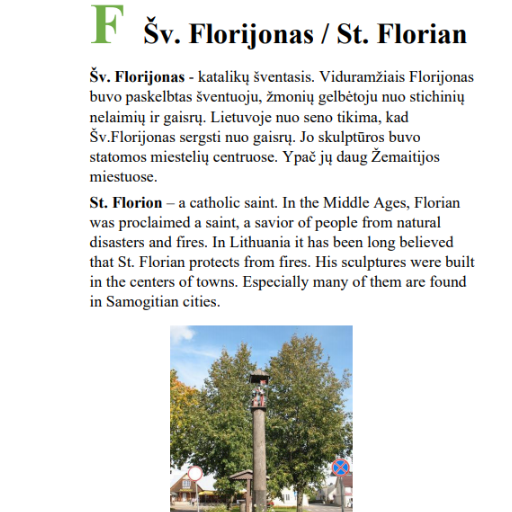
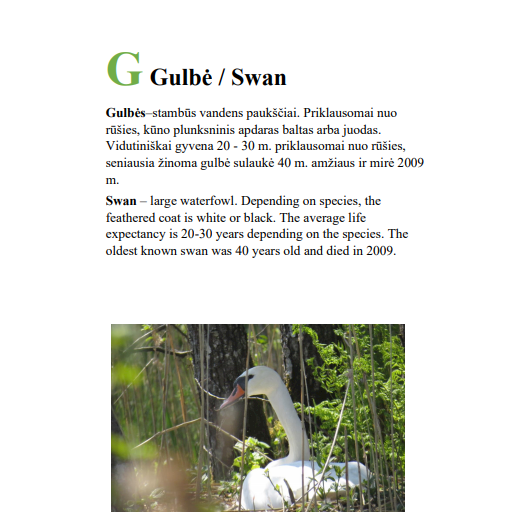
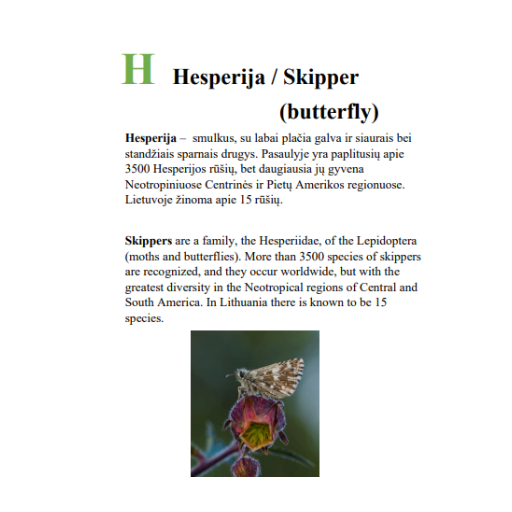
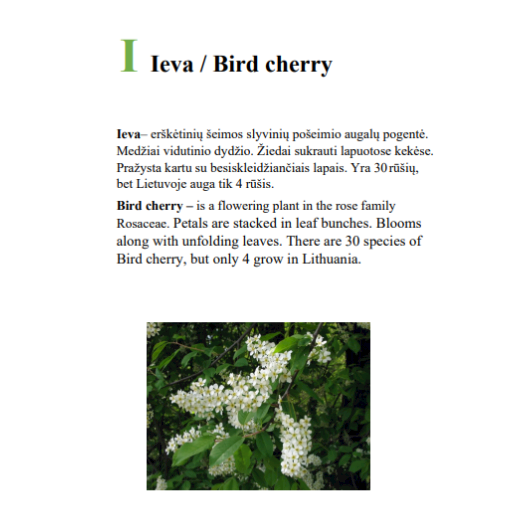
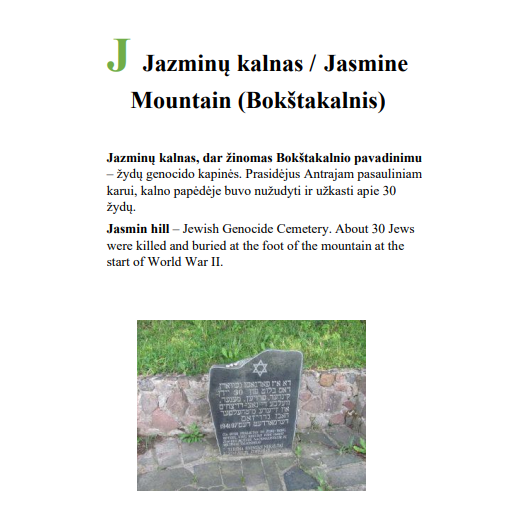
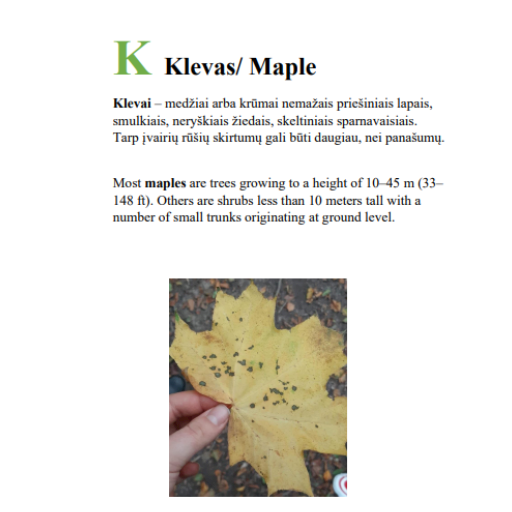
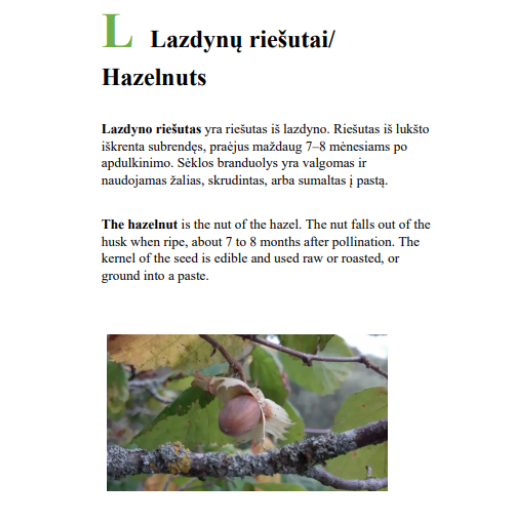
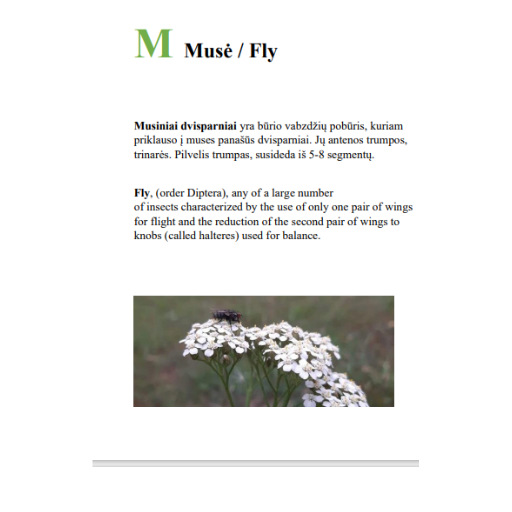
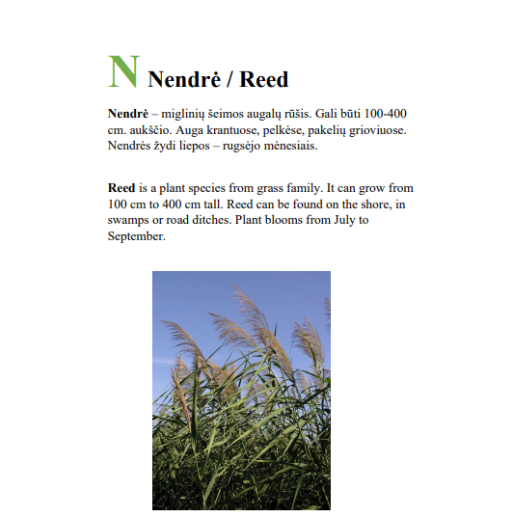
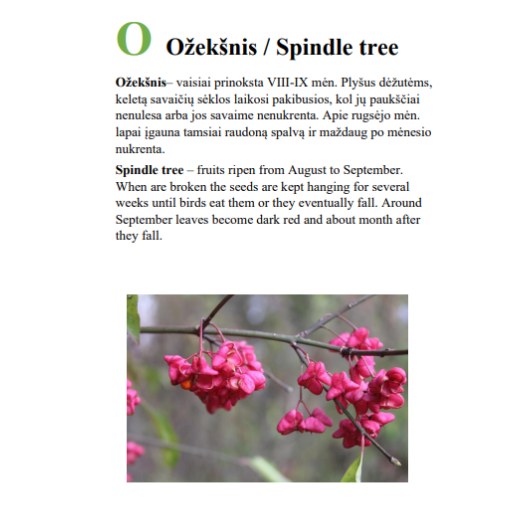
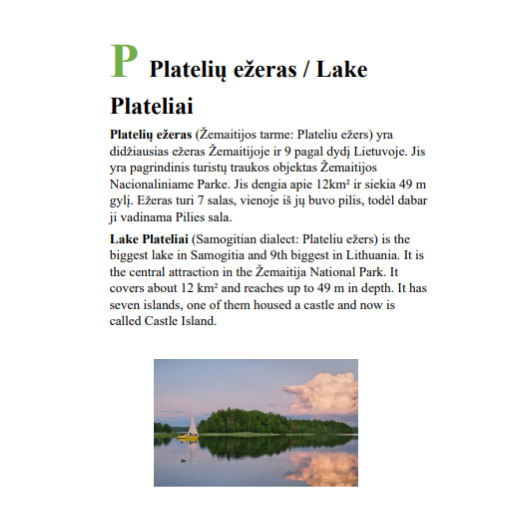
Chapter 3.
Experience seminar in Hjembæk Efterskole, Geopark Odsherred, Nyvang Open Air Museum in Denmark
30.09.2019.-04.10.2019.
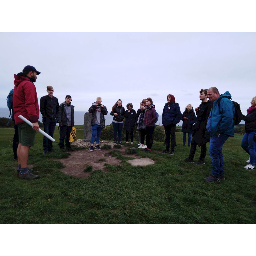
Students and teachers from Riga Reinholds Smelings secondary school, Plateliai gymnasium, and the hosting Hjembaek Efterskole participated in the experience seminar in Denmark.
In the photo the project group is listening to the guide on the top of Vejrhoj hill, in Odsherred Geopark.
One of the aims of the experience seminar in Denmark was to learn more about Hjembaek boarding school, its teachers and students. The visiting group of students from Latvia and Lithuania stayed in the boarding school for 5 days and had to comply with its rules, timetable, and social life. Project activities were the following: 1)all project participants went on a field trip to Geopark Odsherred, an object of European Heritage, explored its nature, the beauty and uniqueness of the coast line; 2)another very interesting field trip and "green lesson"was held in the Nyvang Open Air Museum, where project participants learned about the link between Danish natural and cultural heritage.
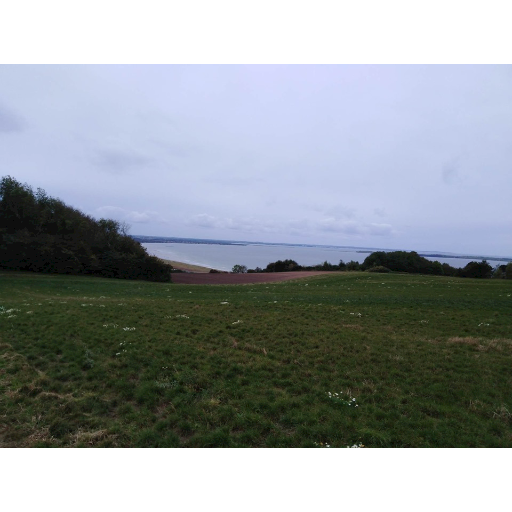
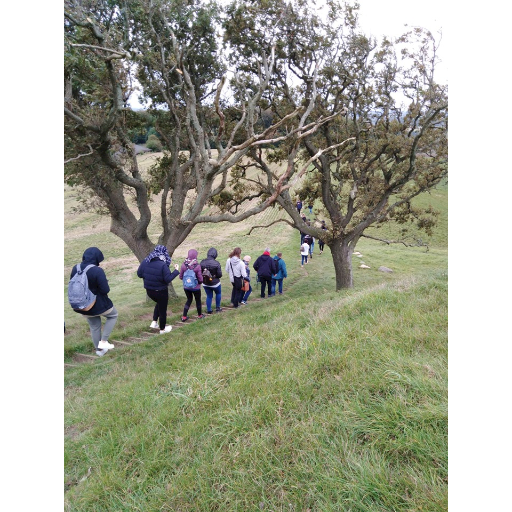
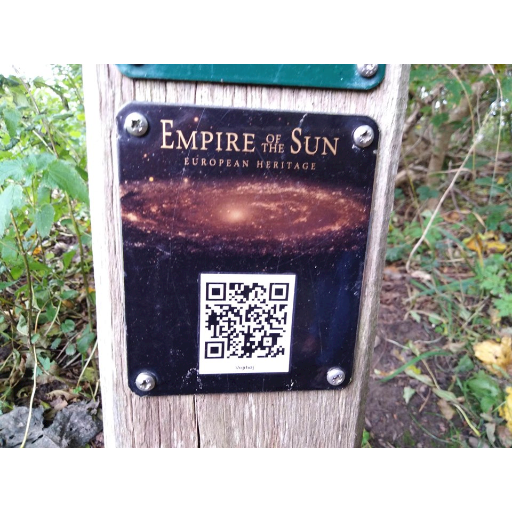
Hiking in Geopark Odsherred
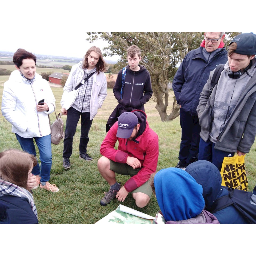
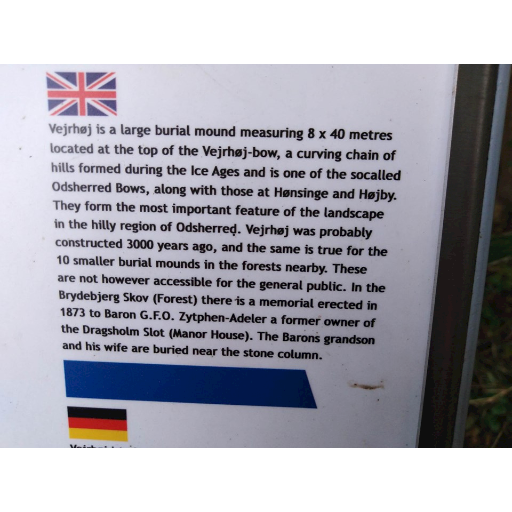
At Vejrhoj. Learning with the guide about the history and geography of Vejrhoj hill, about the phone application to compare the view in ancient times and now.
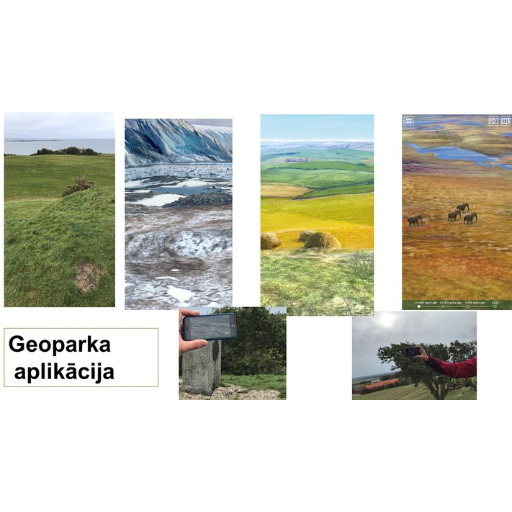
Phone application about history and geology of Odsherred Geopark. The current view and the one in ancient times can be compared.
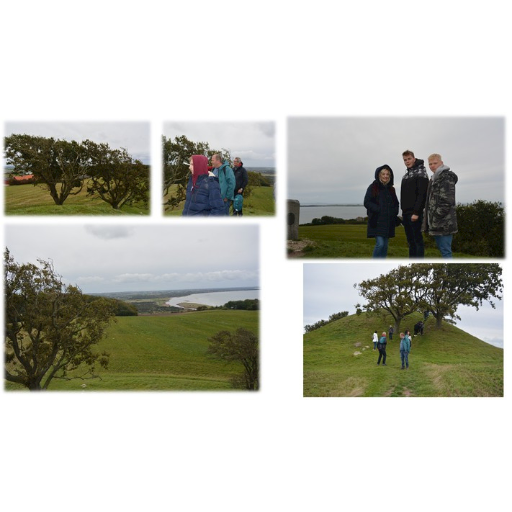
Students and teachers enjoying the view to the coastline and the landscape from Vejrhoj hill.
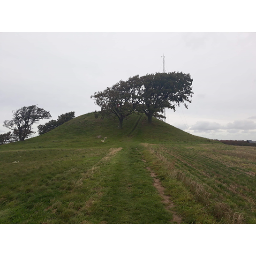
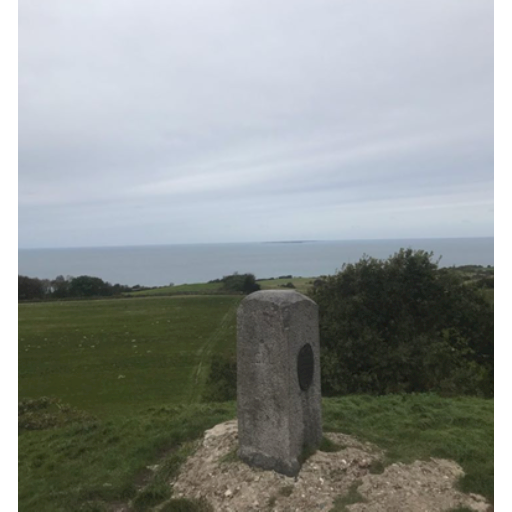
At Vejrhoj: view to the hill; a memory stone on top of the hill. Taking authentic photos of the interest objects in nature parks was one of the learning activities during experience seminars.
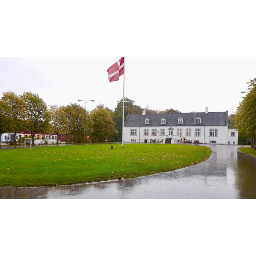
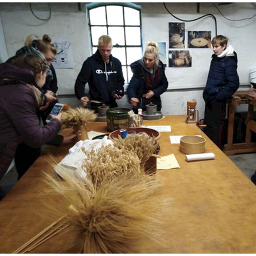
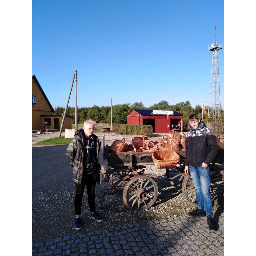
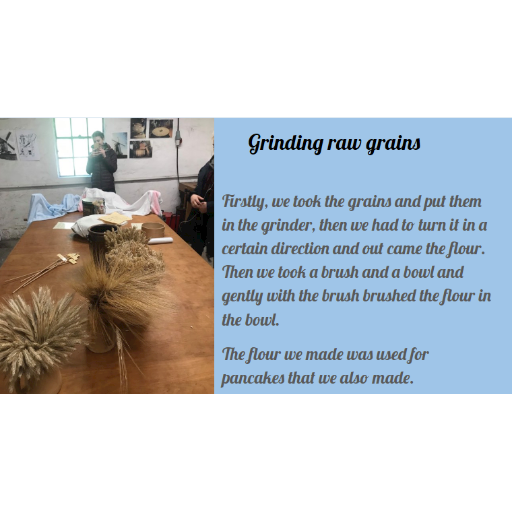
In Nyvang Open Air Museum students learned about Danish natural and cultural heritage, cooperative farming. Students also recognized types of grain, discovered how to grind grain, and baked pancakes for lunch from the flour they had made.
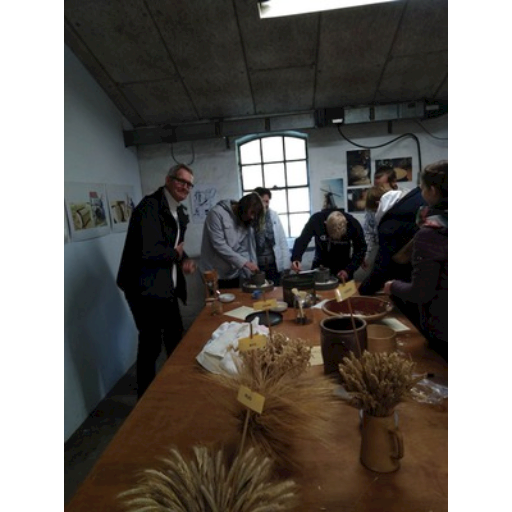
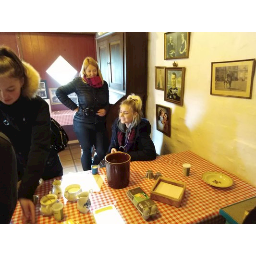
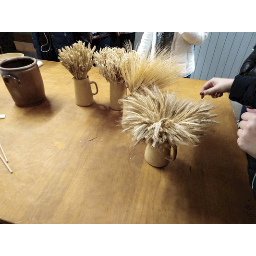
The activity of grinding grain and cooking pancakes.
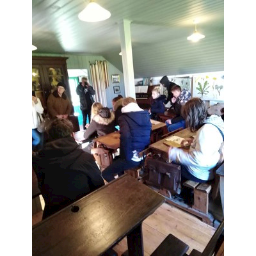
Students were studying for a while in the classroom of the historical cooperative school. Historical buildings, rich collections of unique farm and household objects were very interesting in Nyvang.
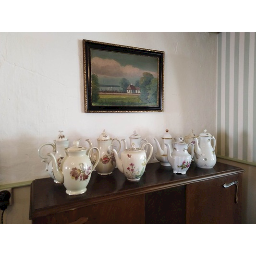
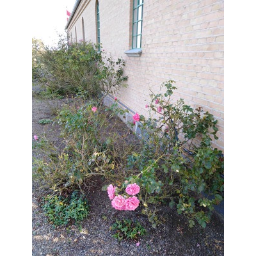
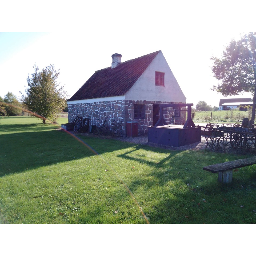
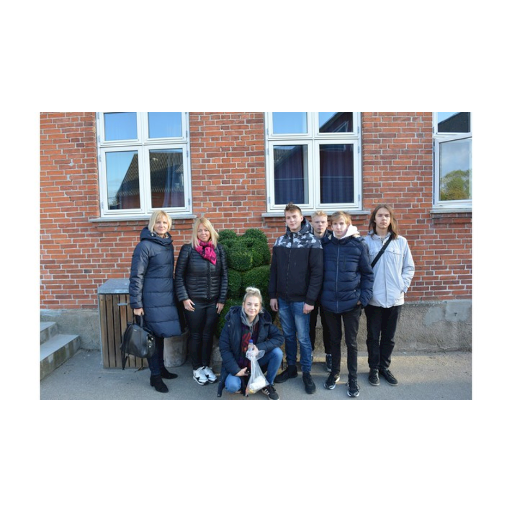
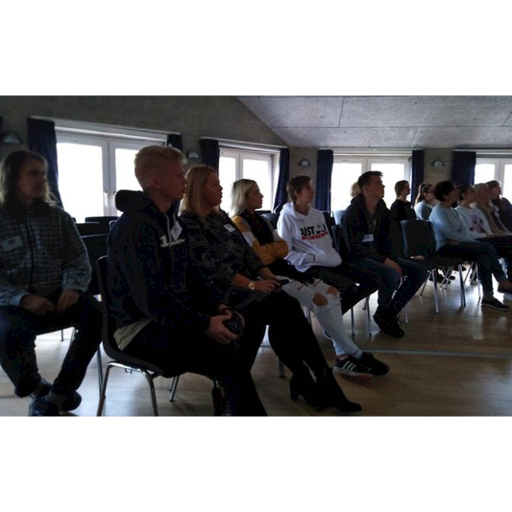
On the last seminar day 03.10.2019. in Hjembaek Efterskole, students collaborated in international groups, each group creating a presentation about what they had learned during the seminar, then they shared with the presentations and impressions. The material is arranged alphabetically and added to this e-book Chapter 4.
Chapter 4
Learning materials created in Hjembaek school, Denmark
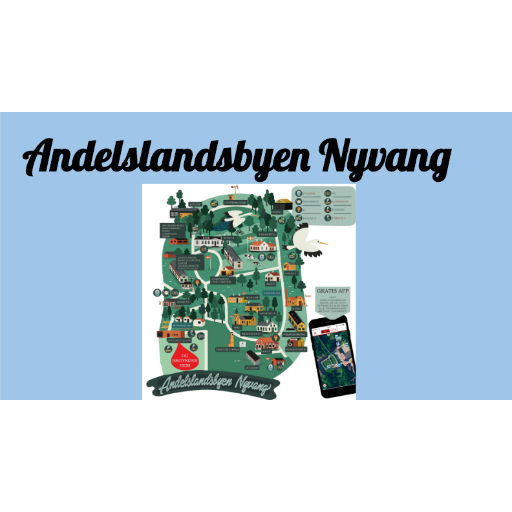
Andelslandsbyen Nyvang - a cooperative village called Nyvang - is a historical open-air experience center in Holbaek, North Zealand. Nyvang is an old 44 ha property and was founded in the year of 1992.
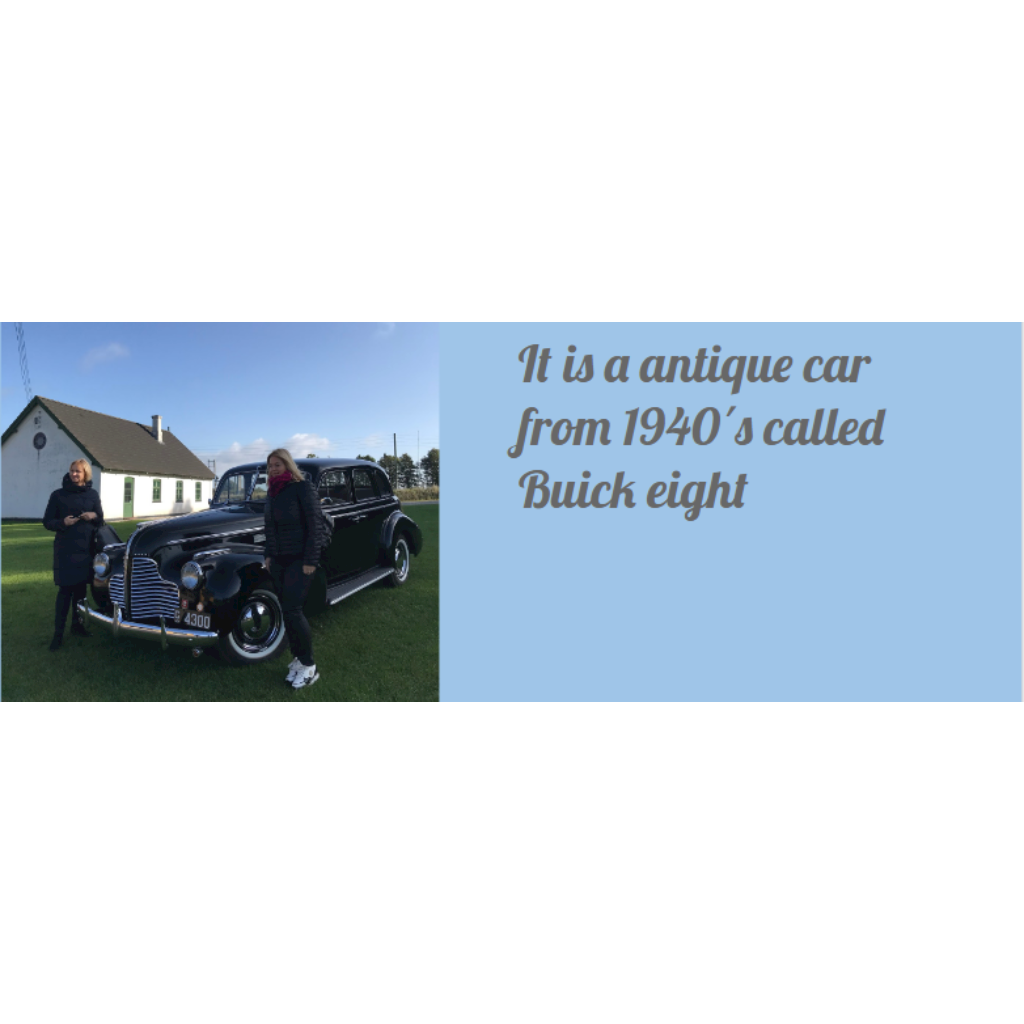
An antique car in Nyvang museum
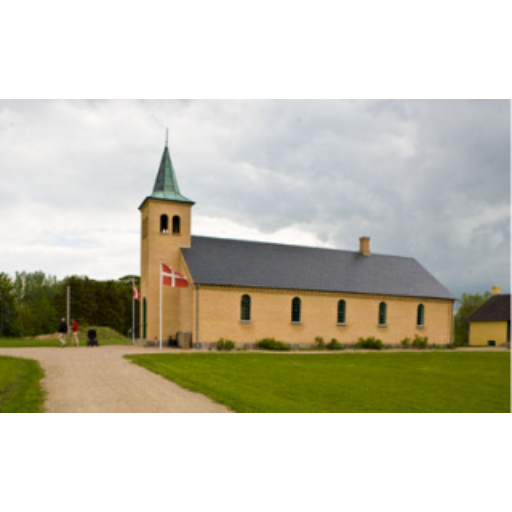
A church. Once a month there is a church service and there have been baptisms and weddings. Next to the church is a small building. The upper part was designed for a Bible club for the children and in the corner stands a tree organ, popularly called a hymn bike. The lower part was a horse stable for the riding horses.
Dairy factory
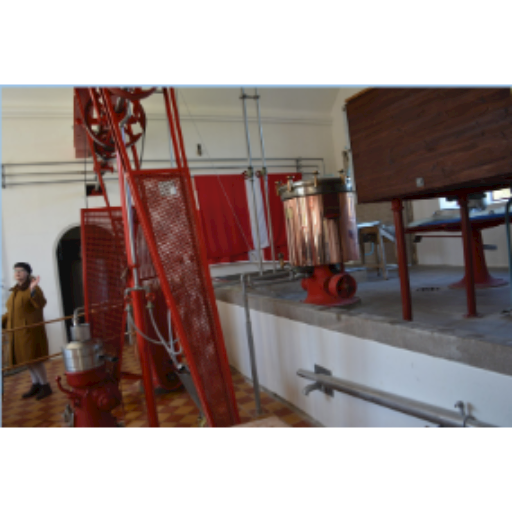
An old cooperative dairy. In the dairy there is a very big wood burning kettle to heat water into steam, which is used for power transmission to the jumble of drive belts running the dairy machinery.
The factory dates back to the 20th century, when the adult farmers were done with school they had to go to work because money was a problem back then and working in the diary factory was one of the jobs they did.
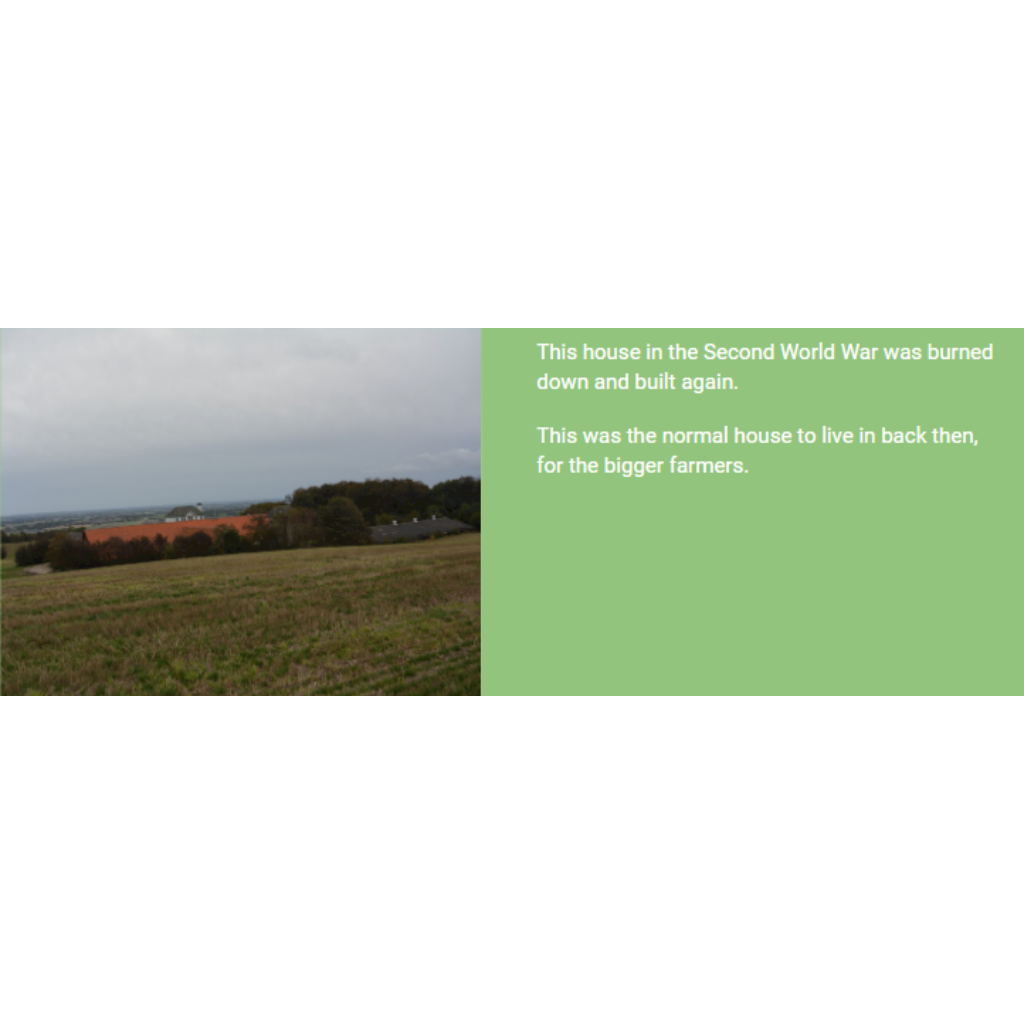
A farmer's house in Nyvang museum.
It was burnt down during the second World War, but then it was rebuilt. It was a typical bigger farmer's house back then.
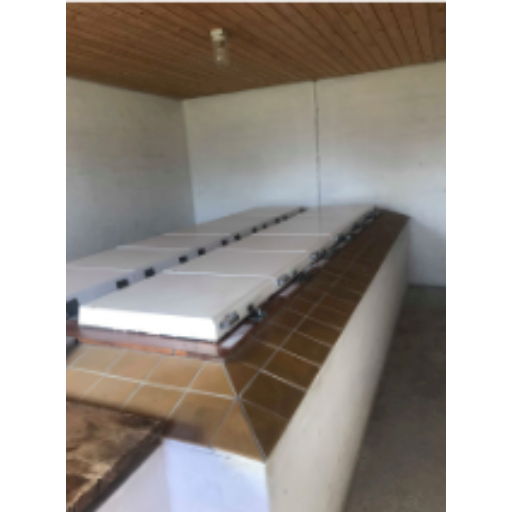
Freezinghouse
The freezinghouse was a cooperative way to have a freezer in the countryside many years ago.
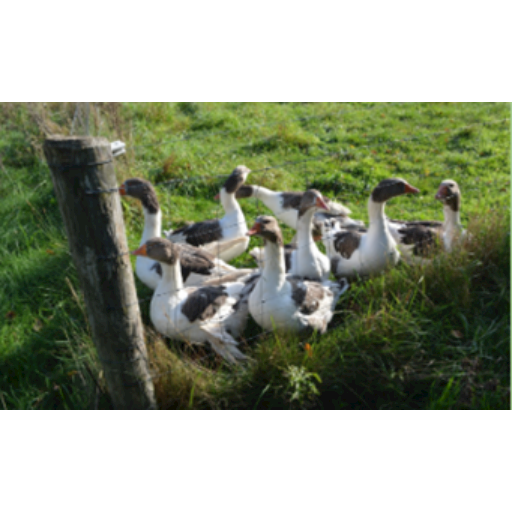
Geese in Nyvang museum
The geese looked pretty angry, were very loud. But they looked very healthy.
Geopark Odsherred
The first geopark in Denmark. A geopark is a land area with a special geology.
The geopark is approximately 10 km from Hjembaek.
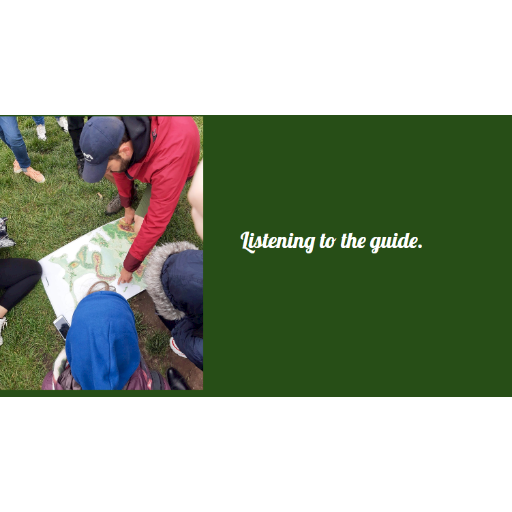
A guide in Geopark Odsherred. We learned about interesting geological and historical features of the place. We got to know about a phone application which shows historical view from the hill to the landscape and to the unique coastline.
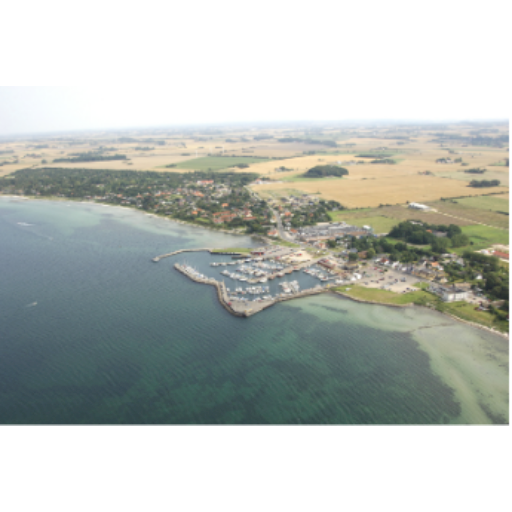
Havnsø
Havnsø is a fishing village with a population of 973 people.
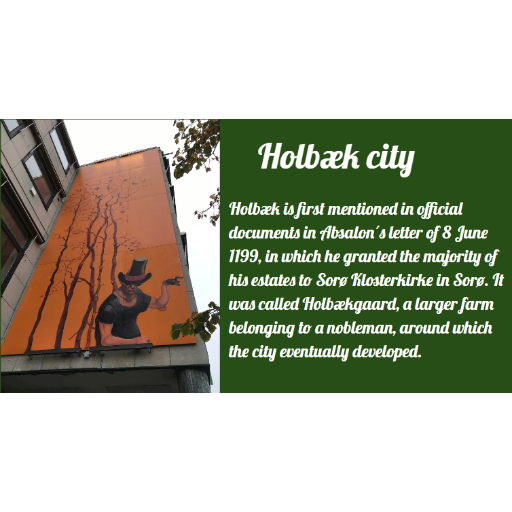
Holbæk City
Holbaek is a town in the northeast Zealand with a population of 30.000 people. The photo above is from the center of Holbaek.
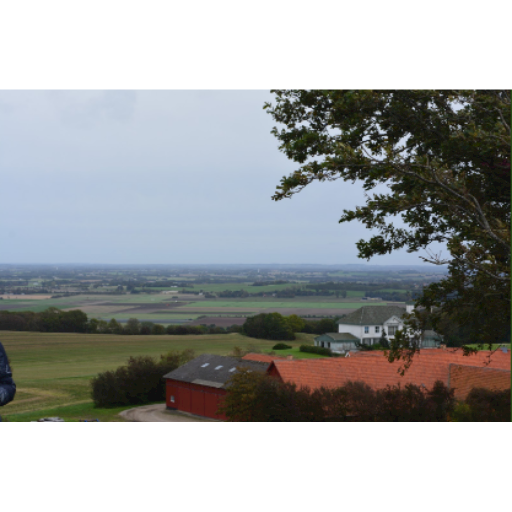
Landscape in Geopark Odsherred
A landscape which has been formed by the ice caps.
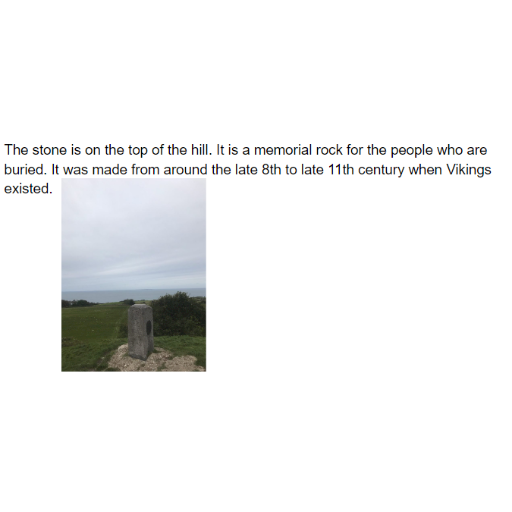
Memory stone in Odsherred
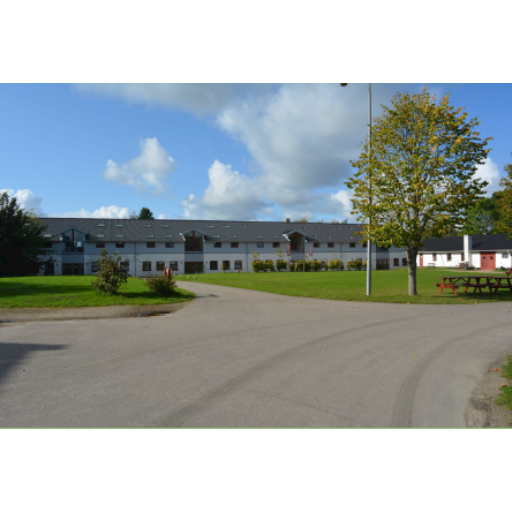
Museum
This is the old museum Nyvang. Nyvang is located in the village.
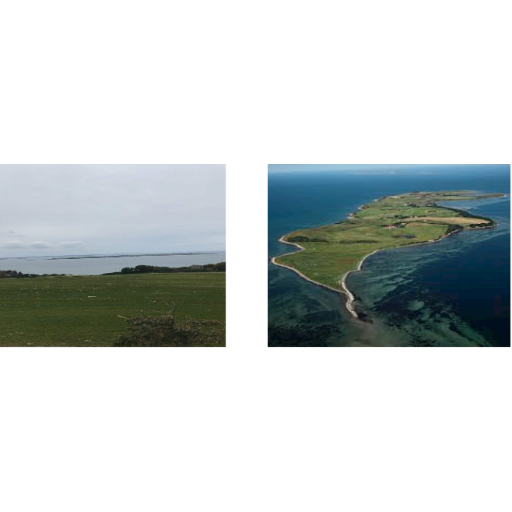
Nexelø
Nexelø is a small island. The island is 2,2 km2 and hosts 19 people.
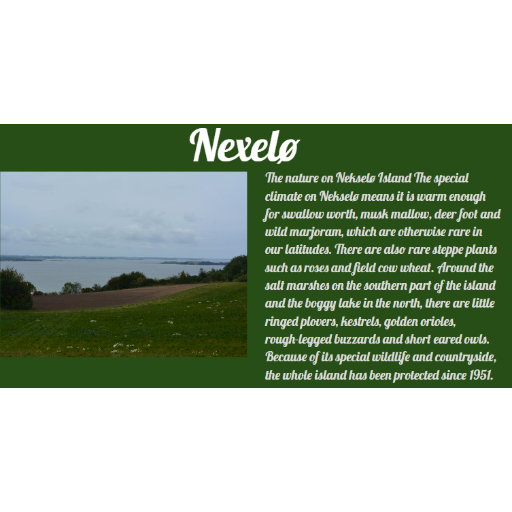
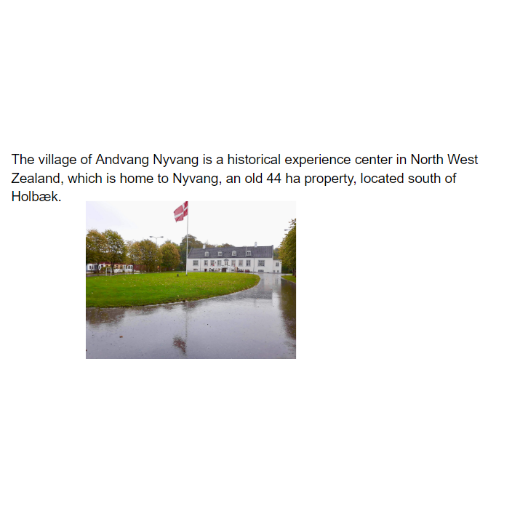
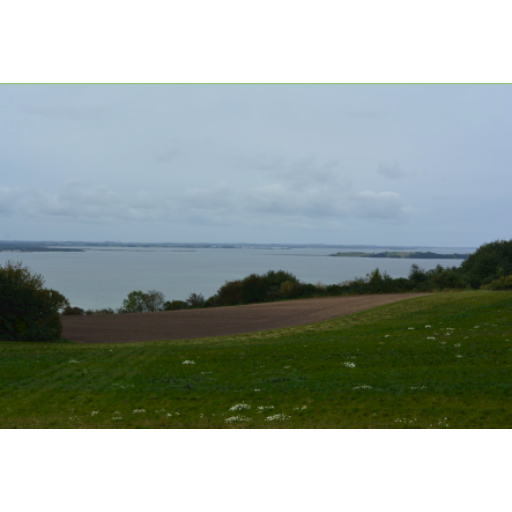
Sea and island
The sea is called “Sejerø Bugten”. The Bay of Sejerø.
The island is called Sejerø with a population of 400 people. The largest village on the island is Sejerby hosting half of the 400 people.
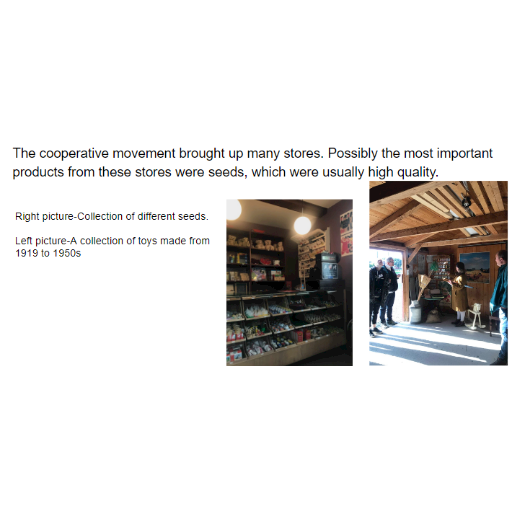
Shops in Nyvang
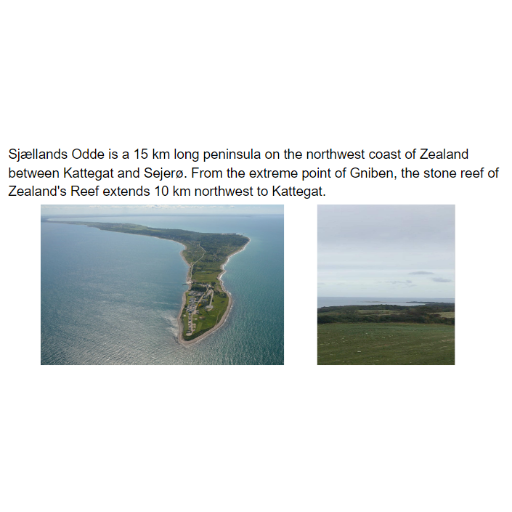
Sjællands Odde
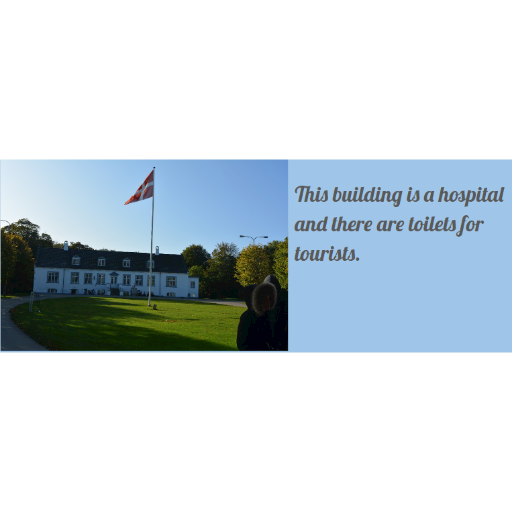
Sygestue (Hospital)
The hospital is in Nyvang
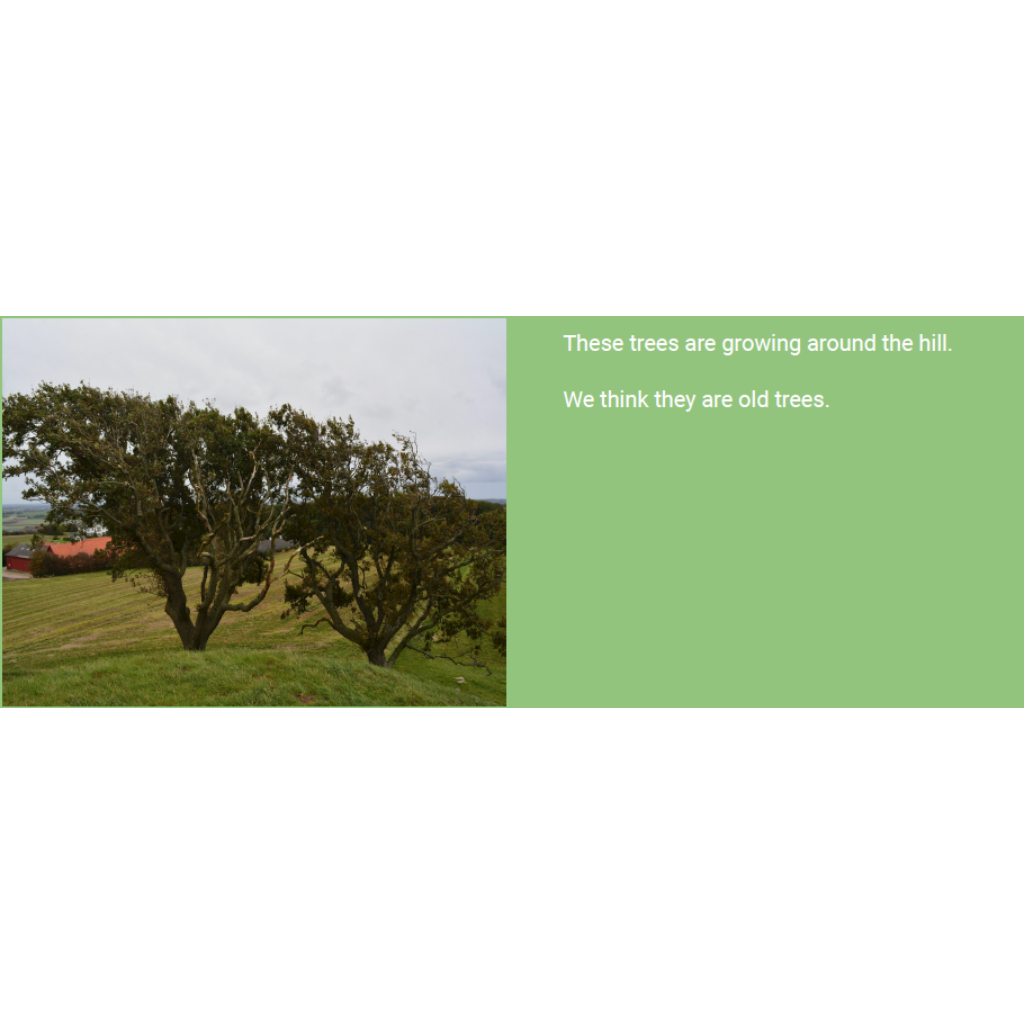
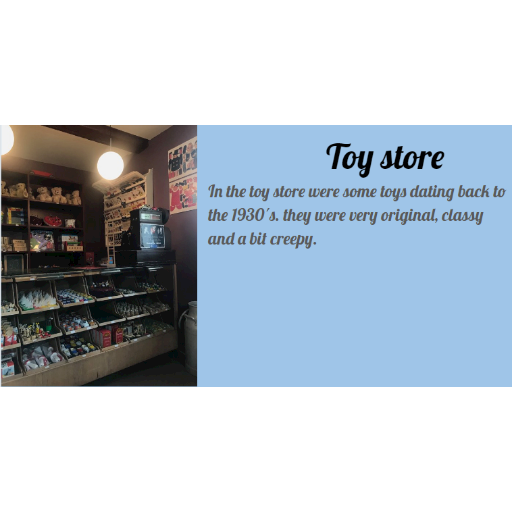
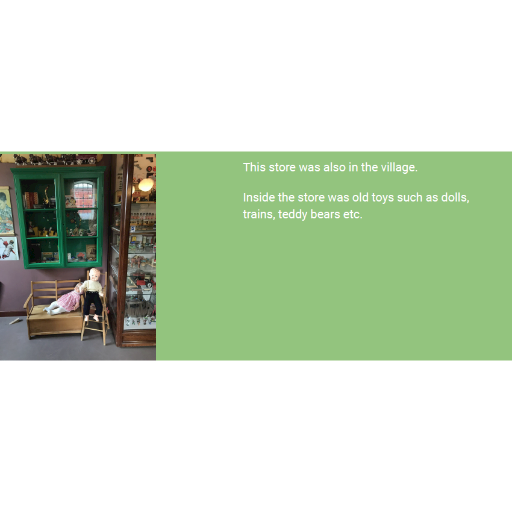
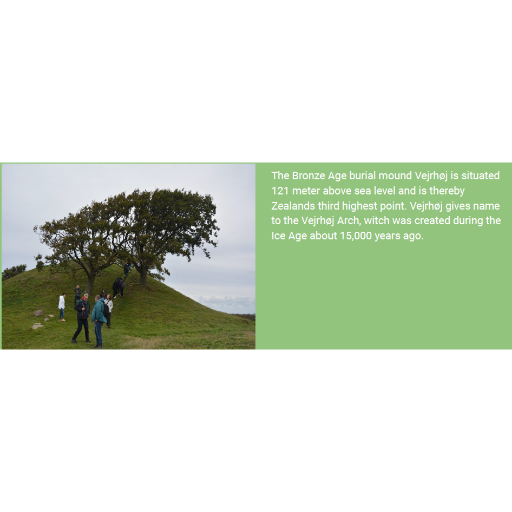
The trees in Odsherred Geopark
Vejrhøj
“Vejrhøj” from Odsherred Geopark.
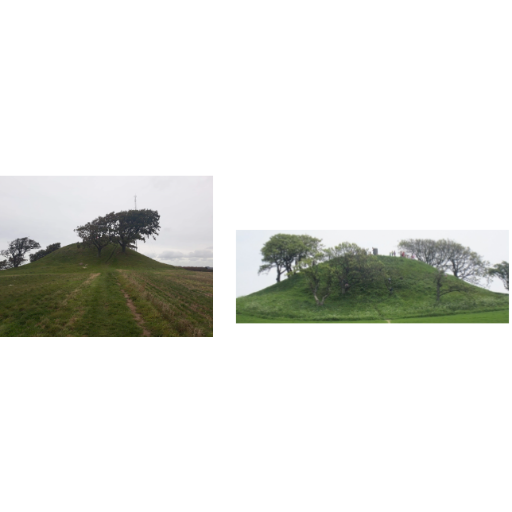
Vejrhoj hill in Odsherred Geopark with the Memory Stone on the top of it.
Chapter 5
Digital experience seminar in Riga Reinholds Smelings secondary school
12-16 April, 2021
Preparatory Zoom meetings of the project teachers 22 March and 9 April, 2021
Preparatory Zoom meetings of the students and teachers of Riga RSSS 1-11 April, 2021
April 12, 2021 Participants: students and teachers from each participating school. Time 13.30 and 14:15 Zoom
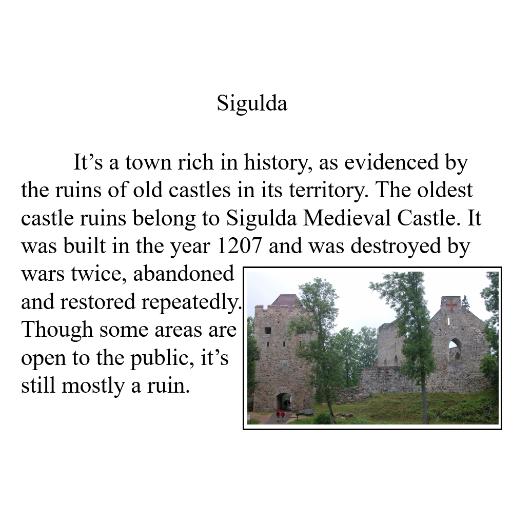
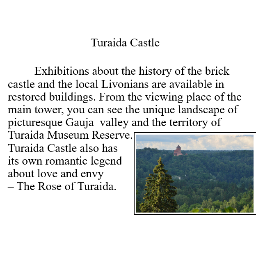
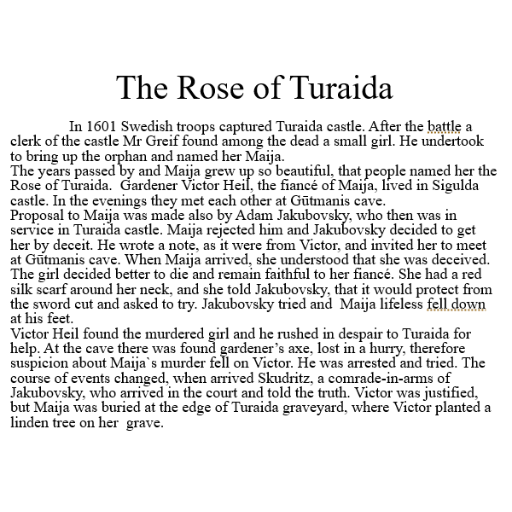
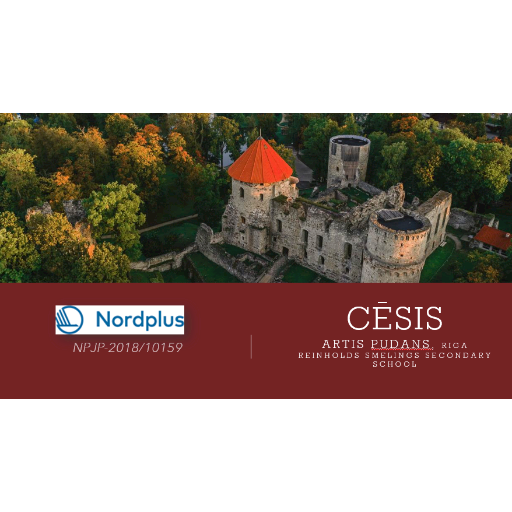
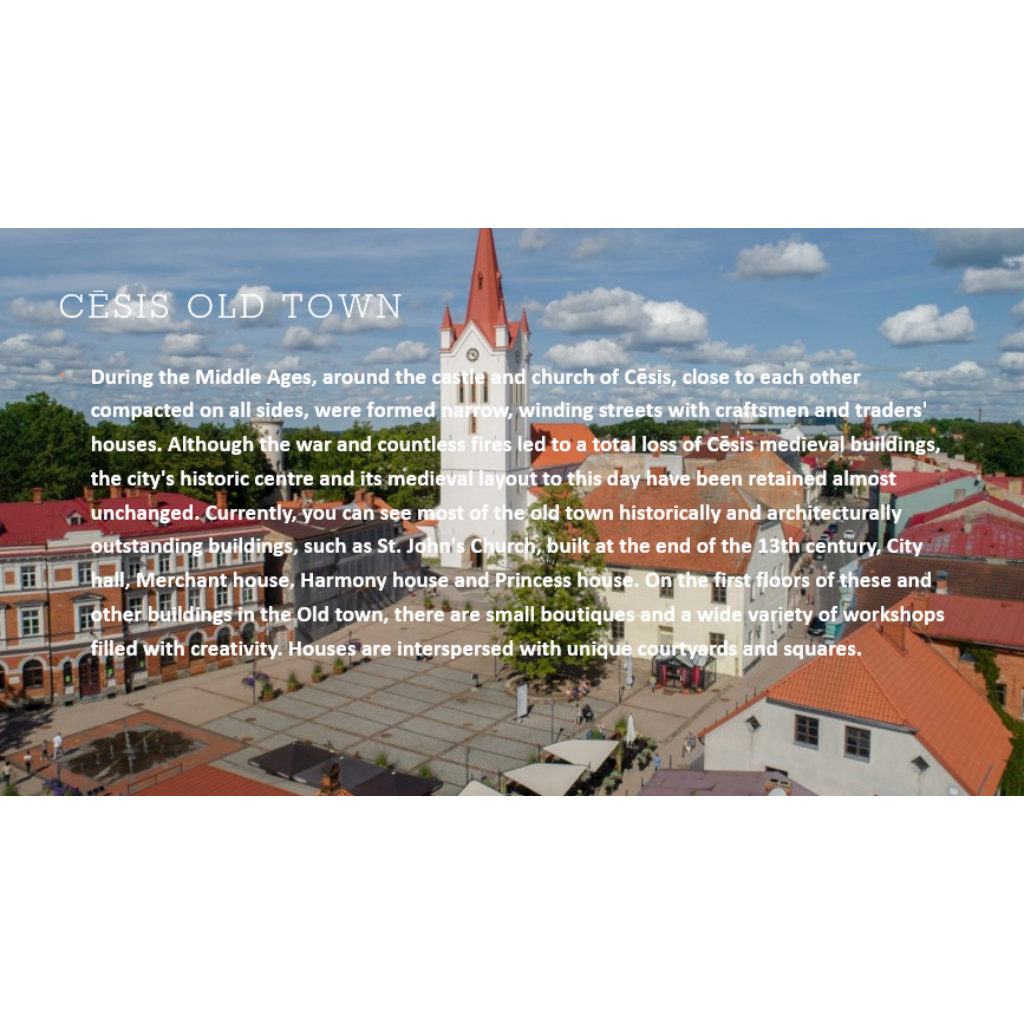
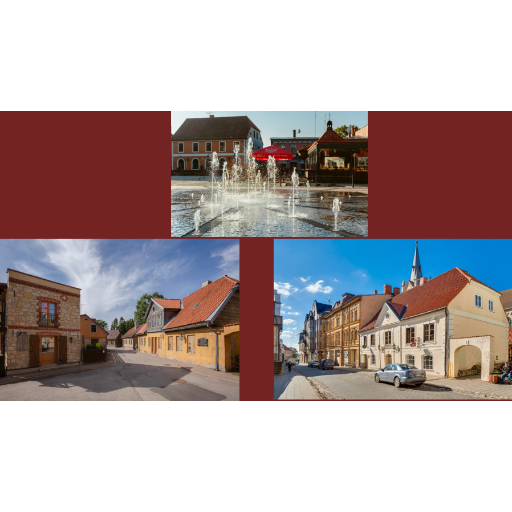
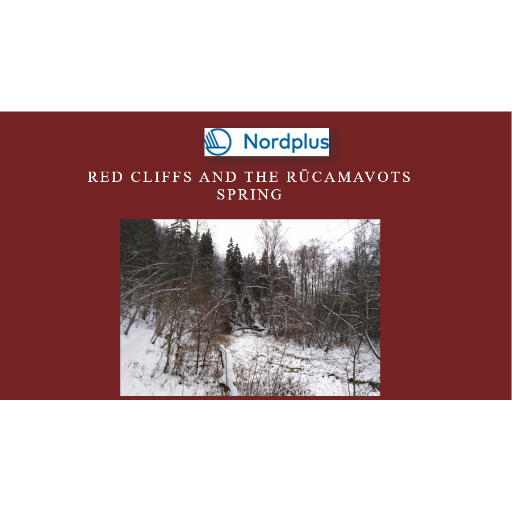
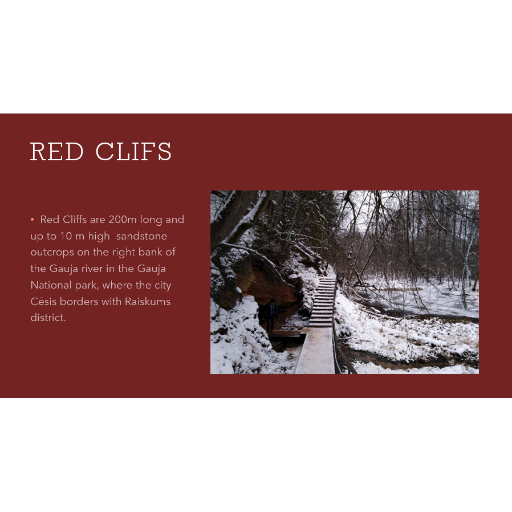
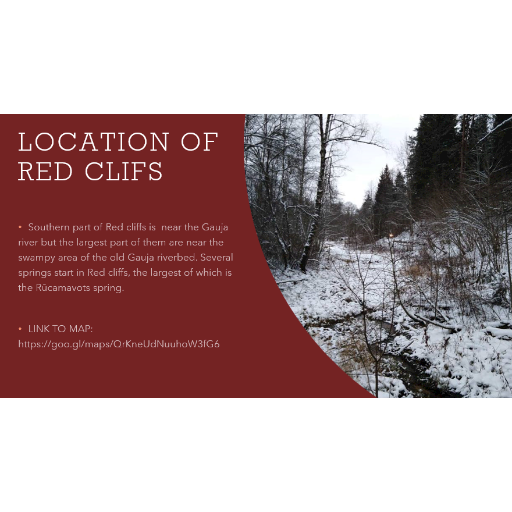
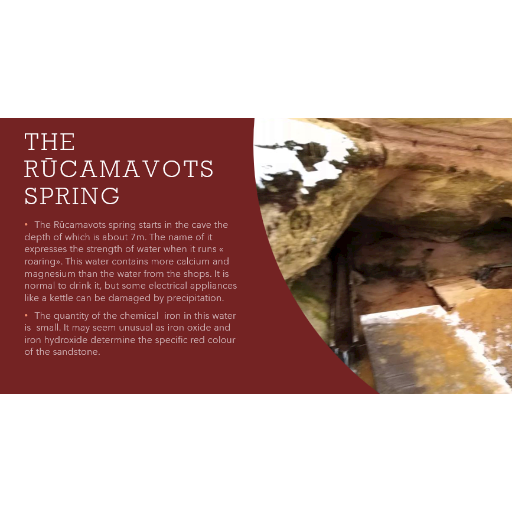
1. Virtual excursion to the Gauja National Park in Latvia: 1)Valentins Sima’s presentation about Sigulda, Turaida Castle, a video, 2)Artis Pudan’s presentation about Cēsis, Red Cliffs, Brasla, a video
April 13, 2021 Time 13.30 and 14:15 Zoom
Exchange of good learning practices.
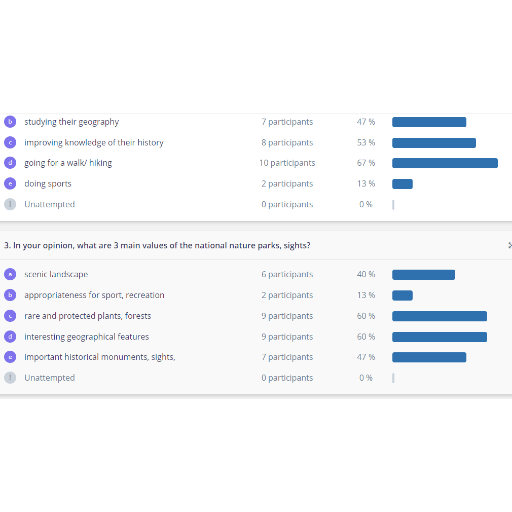
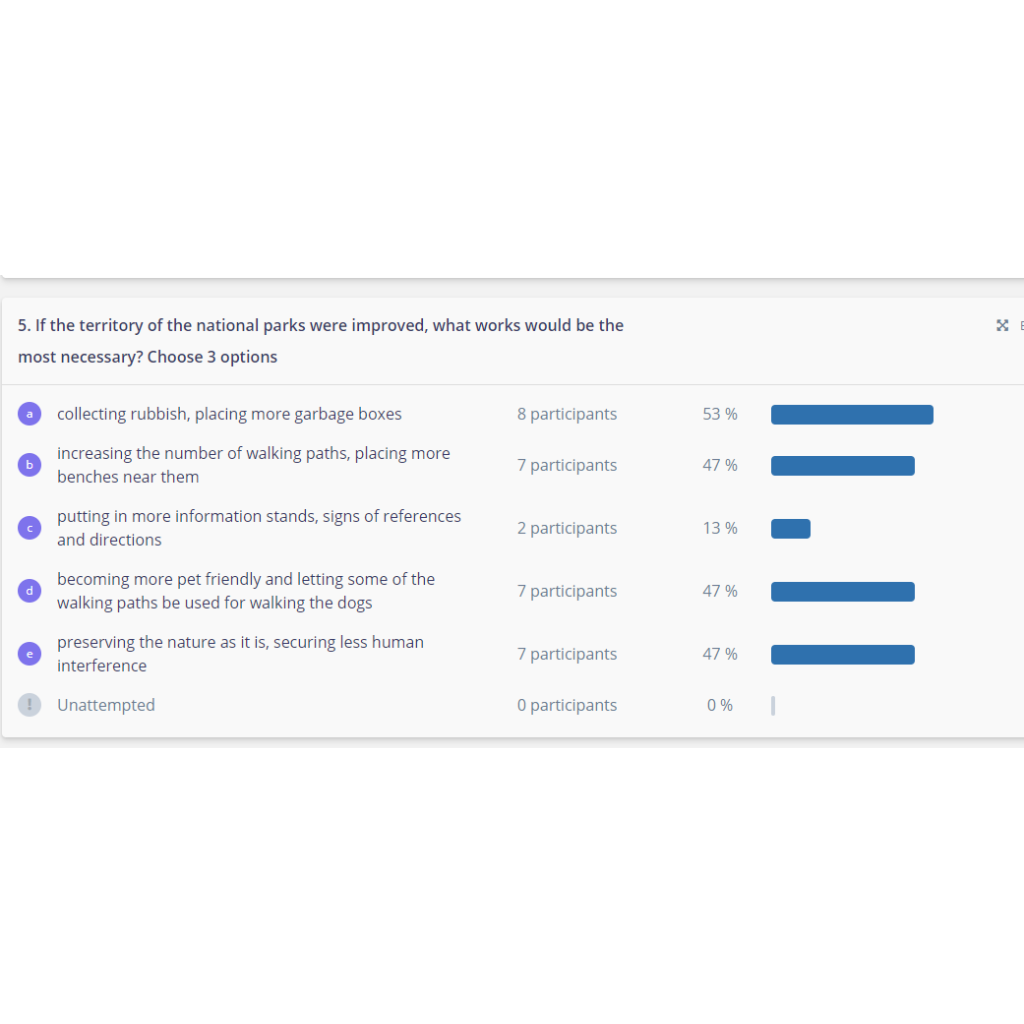
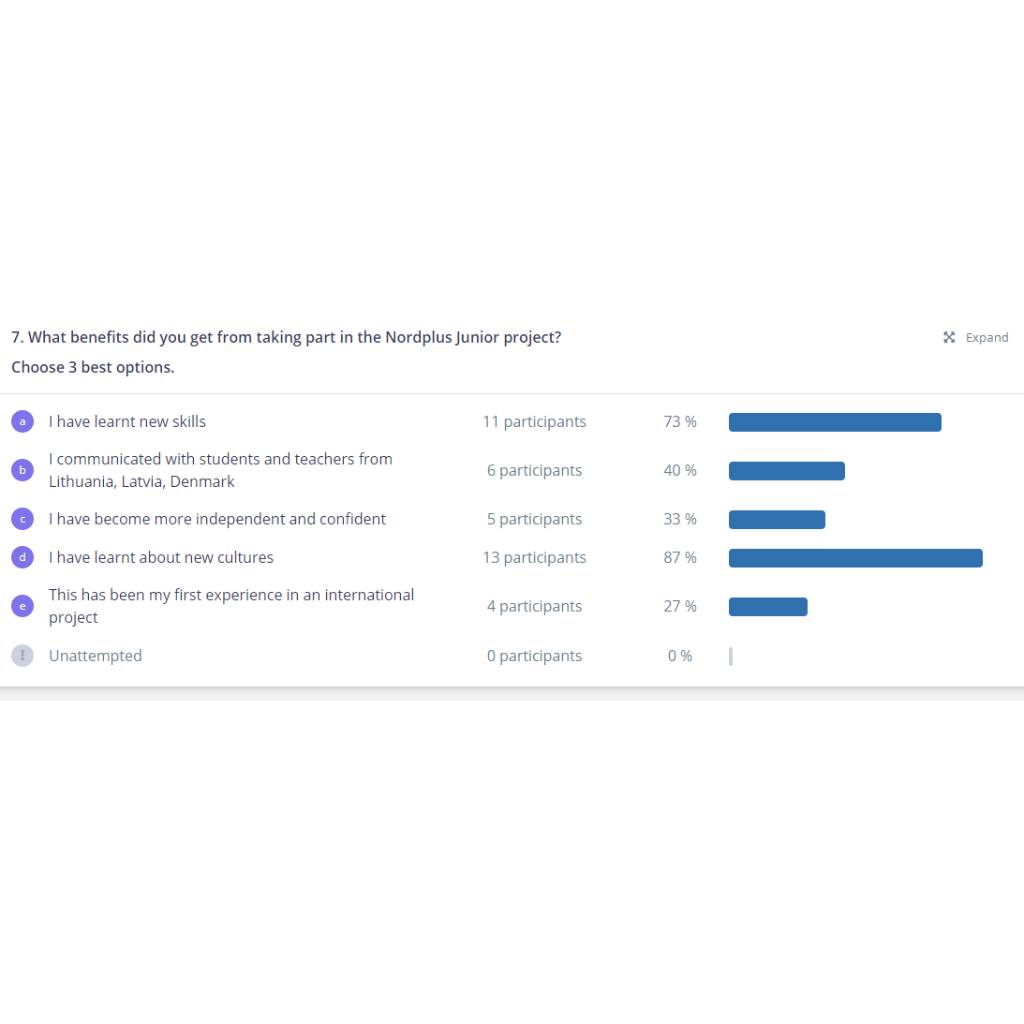
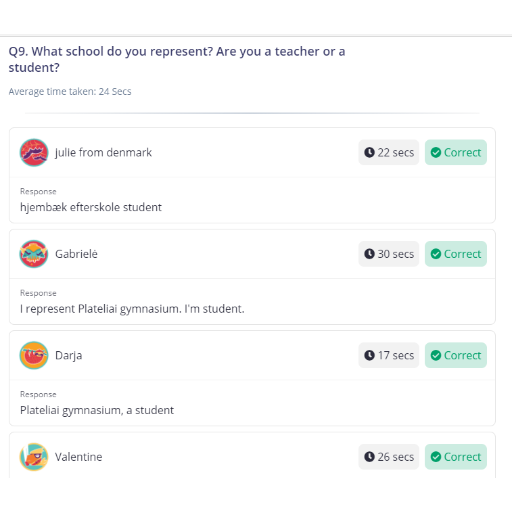
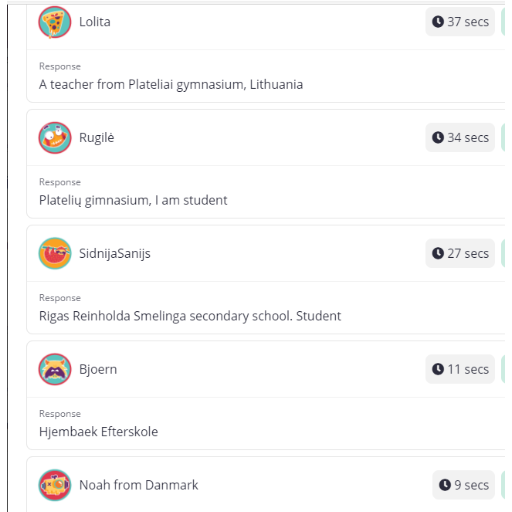
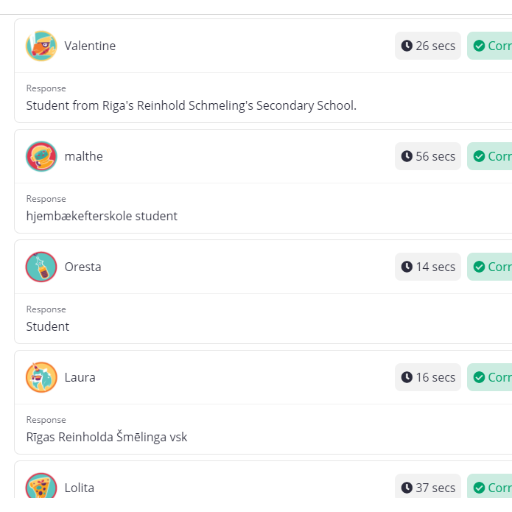
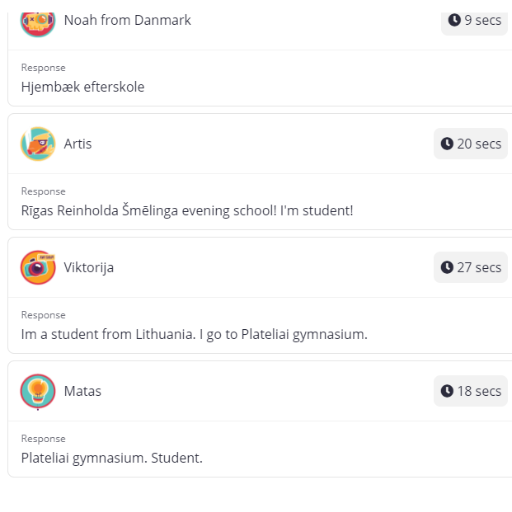
2. Presentation about the project work by students of Plateliai Gymnasium, interactive learning activity on Kahoot platform
3. The best moments of our Nordplus project by Hjembaek school students
4. Summary - work on e-book by Iveta Leisavniece, Riga RSS school
“Learning Anthology Nordplus Junior NPJP-2018/10159”,
https://www.storyjumper.com/book/read/75242965/5e0ca51c729ab
April 14, 2021 Activities on eTwinning
April 15-16, 2021 Work on the e-book
https://www.storyjumper.com/book/read/75242965/5e0ca51c729ab
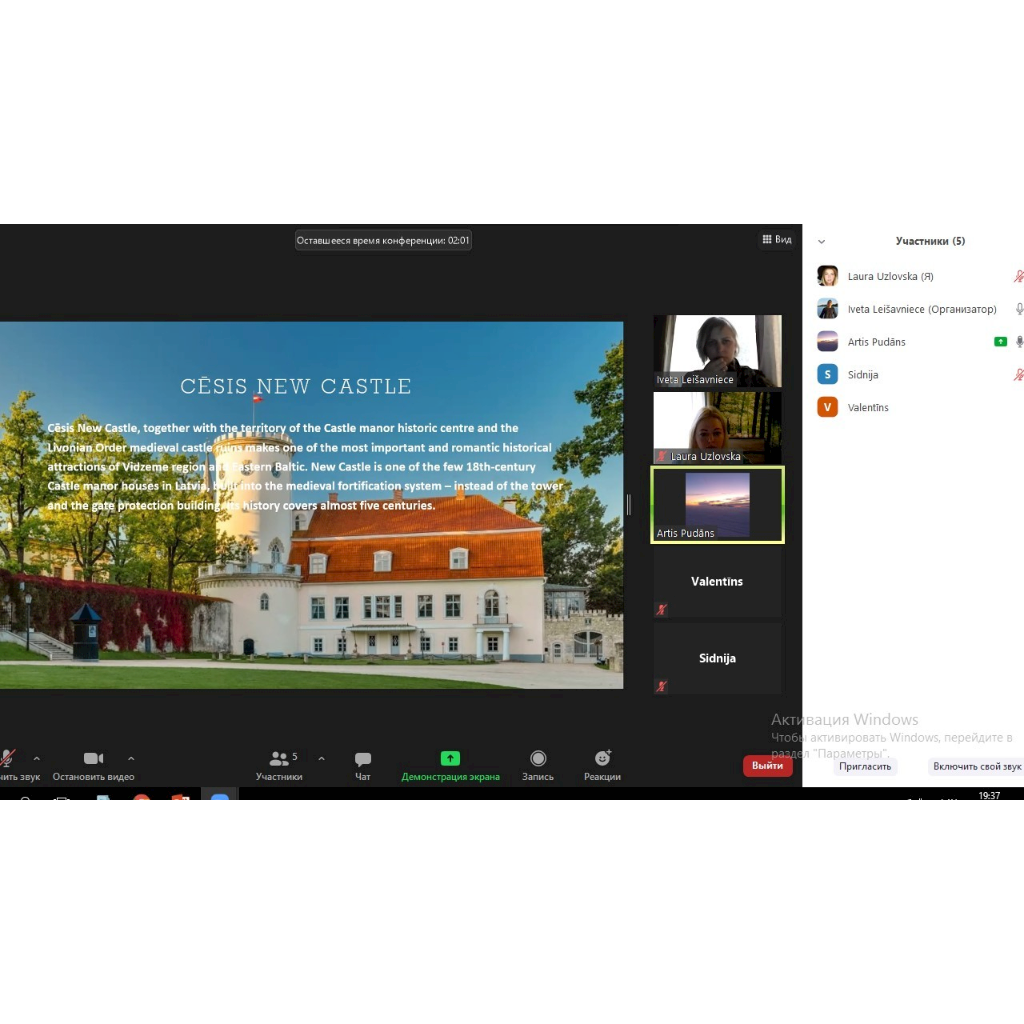
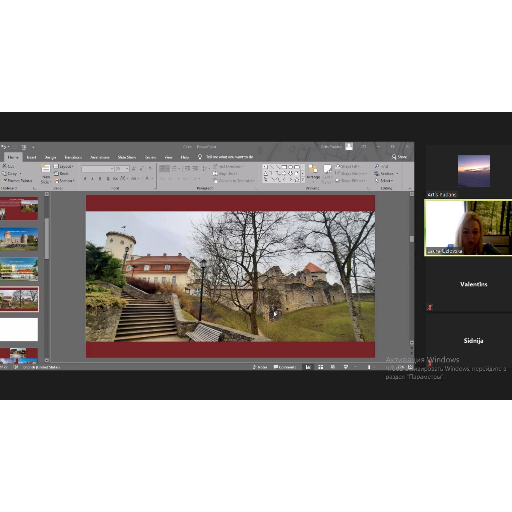
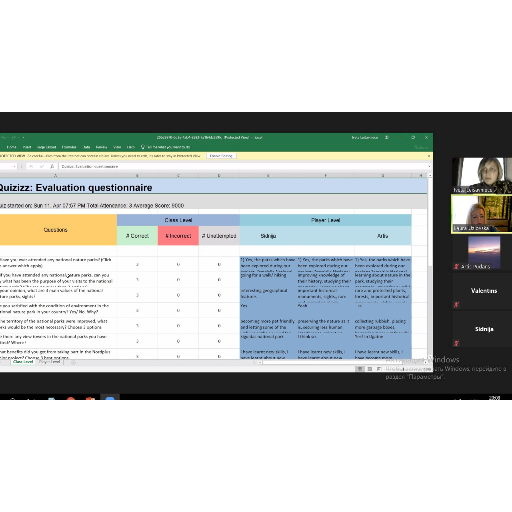
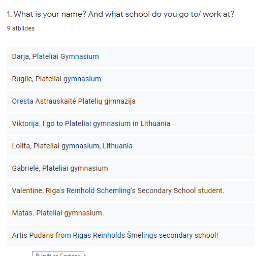
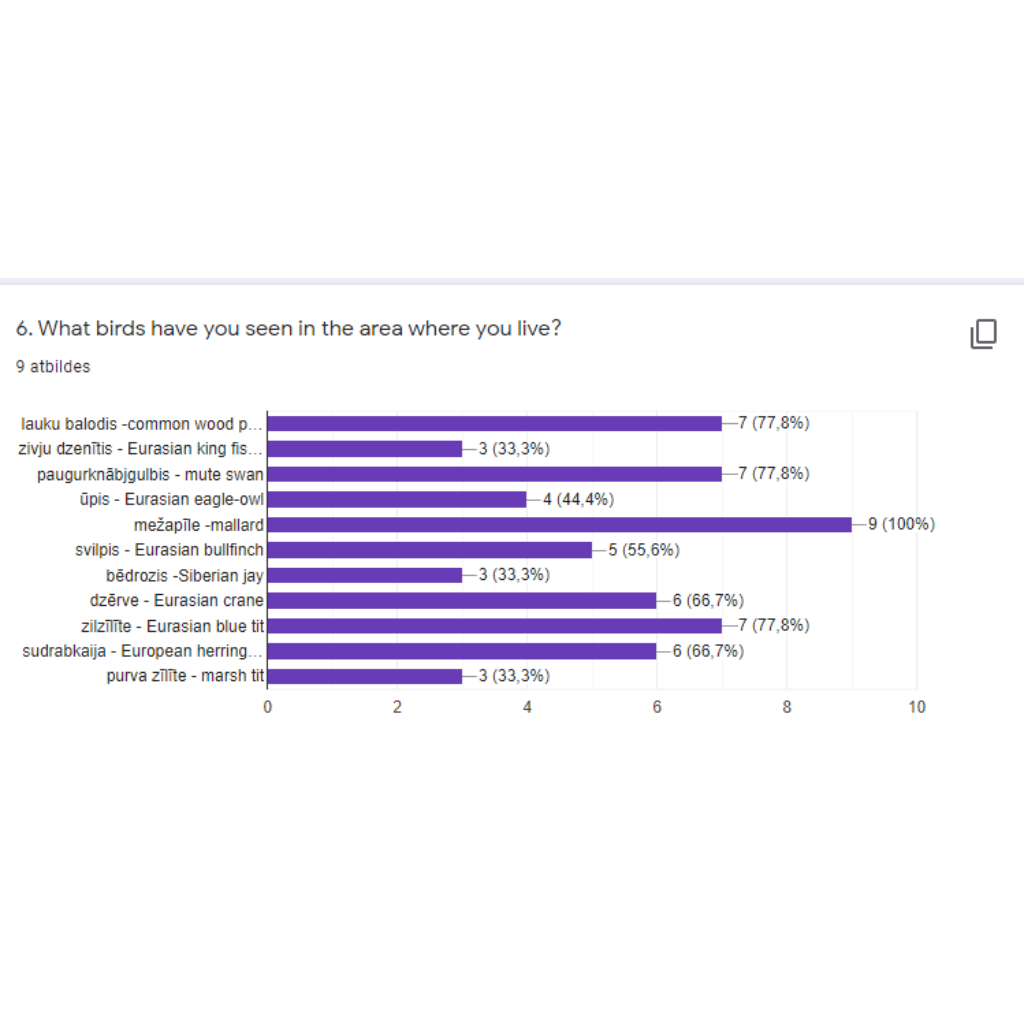
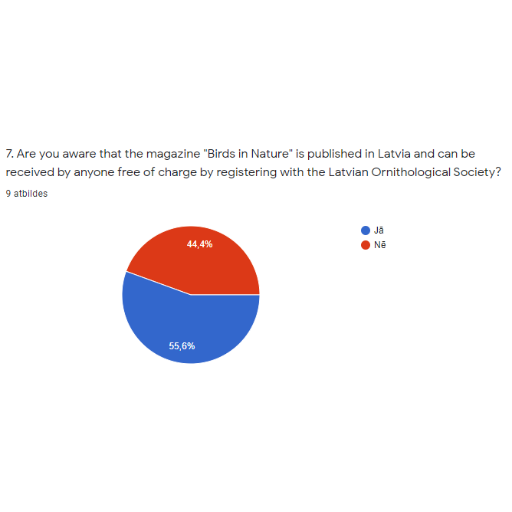
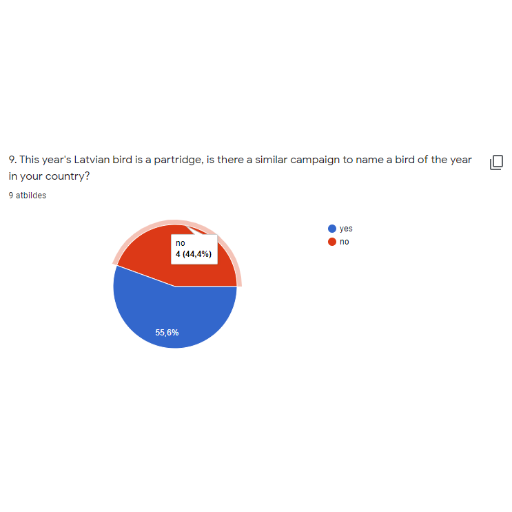
Preparatory Zoom meetings of the students and teachers of Riga RSSS 1-11 April, 2021
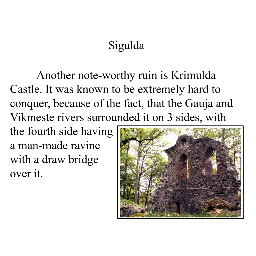
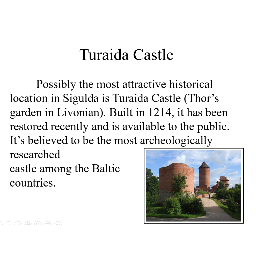
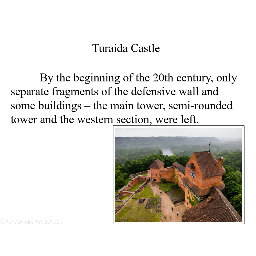
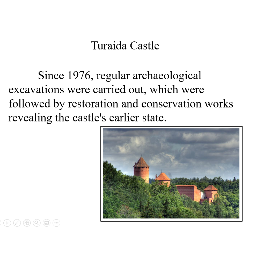
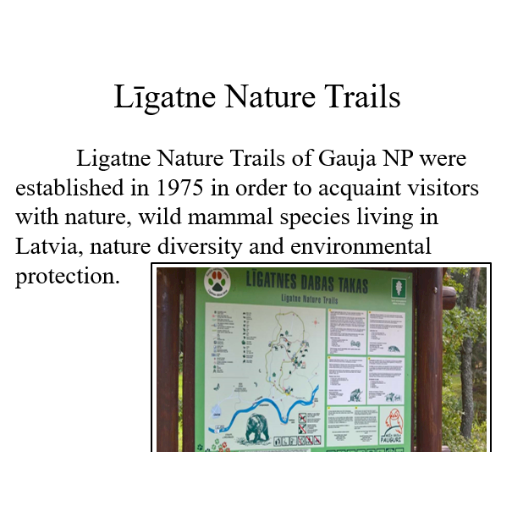
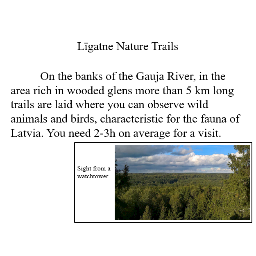
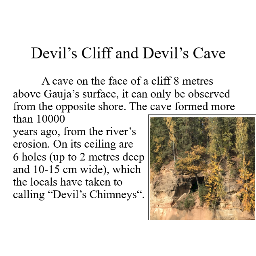
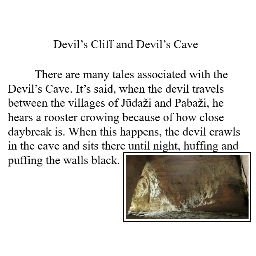
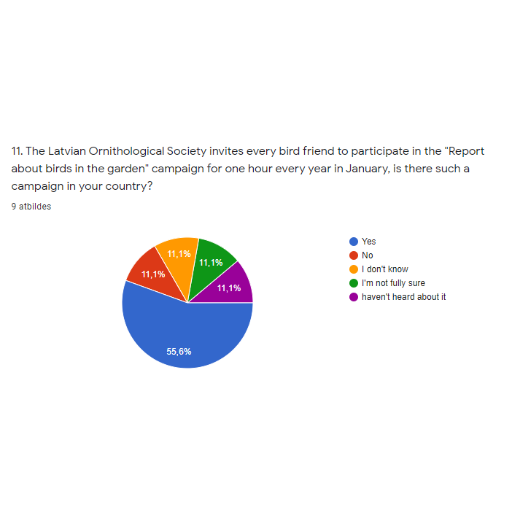
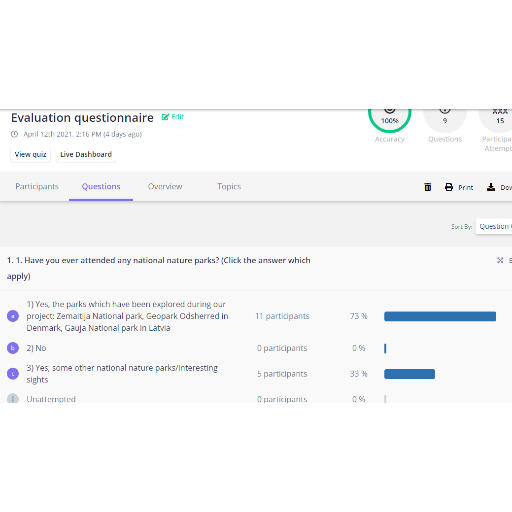
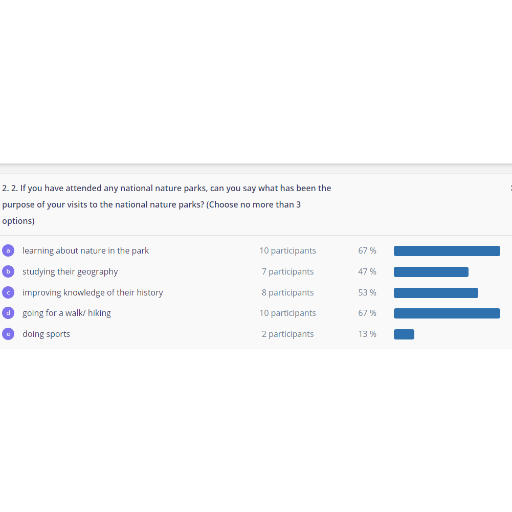



Chapter 6
The Gauja National Park, Latvia
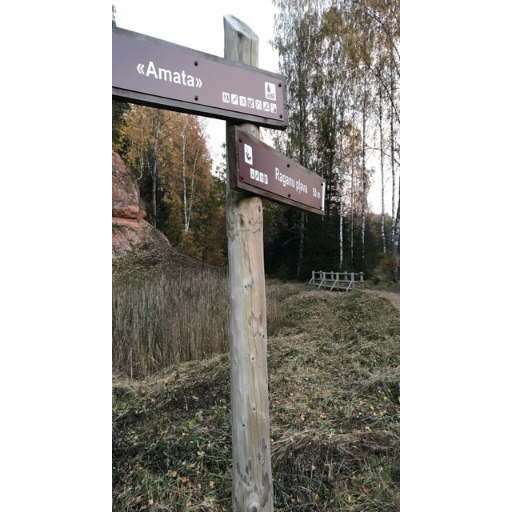
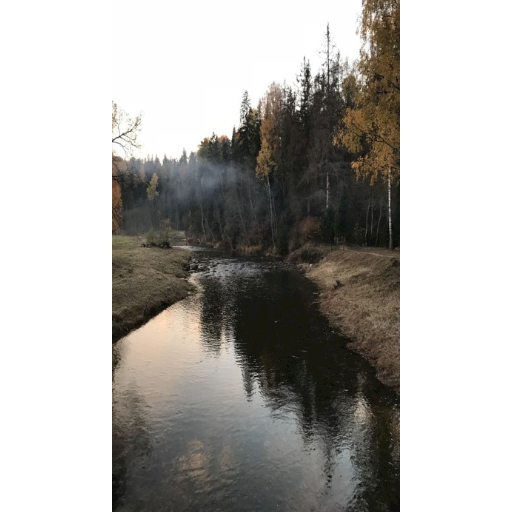
The Amata River
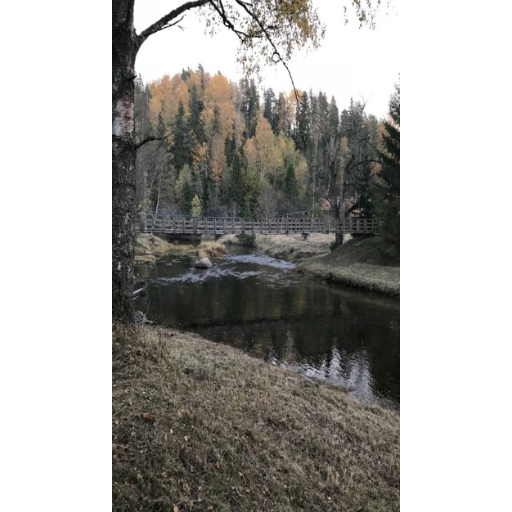
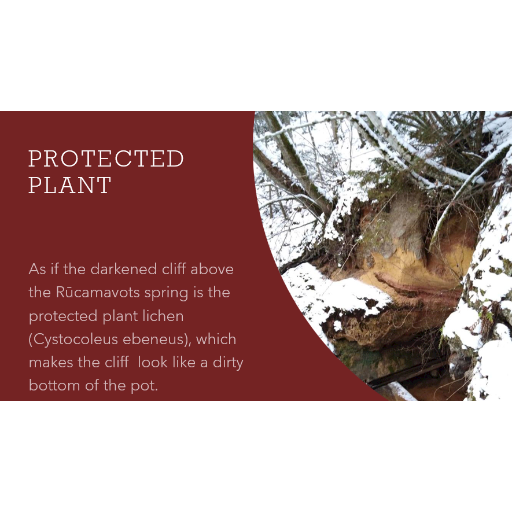
Amata ancient valley is not only important for its natural landscapes. Its shores are rich in dolomite and sandstone outcrops, revealing the pages of earth's history 350-400 million years ago, when Latvian territory was covered by the sea. Amata's ancient valley is rich in geological monuments, many of which are under national protection. The small section of the Amata ancient valley from the Riga Veclaicene (A2) to the Gauja estuary offers more than 20 dolomite and sandstone outcrops - Devonian sedimentary rocks.
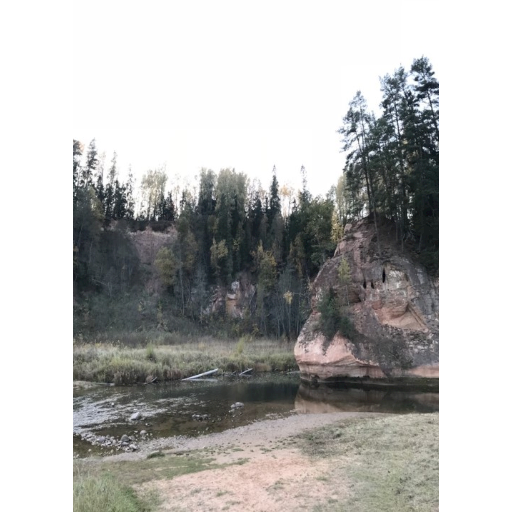
Zvarte Rock is one of the most scenic sandstone outcrops on the banks of the Amata River and in the Gauja National Park in general. It lies beautifully surrounded by forests and meadows. Zvarte Rock is famous for its mythical stories. Here in ancient times, witches gathered, danced and danced to the very first rooster songs.
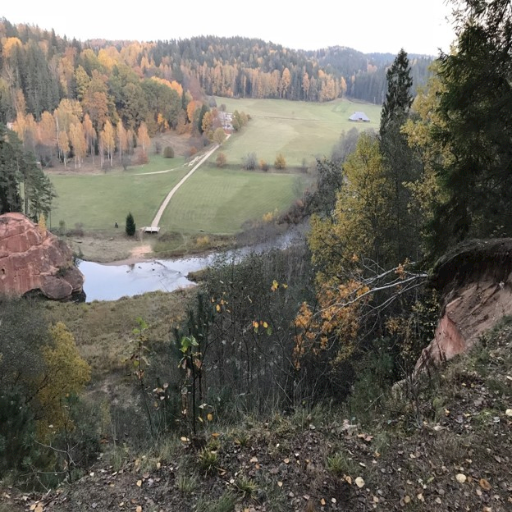
Amata Trail. Suitable for hiking, Nordic walking, bird watching. There are 43 geocaching locations on this trail. It’s not suitable for bikes. Trail is located only on the right bank of the river Amata. Sandstone and dolomite outcrops, landscapes, diverse flora. Ainavu cliff- 46 m, the highest in Latvia.
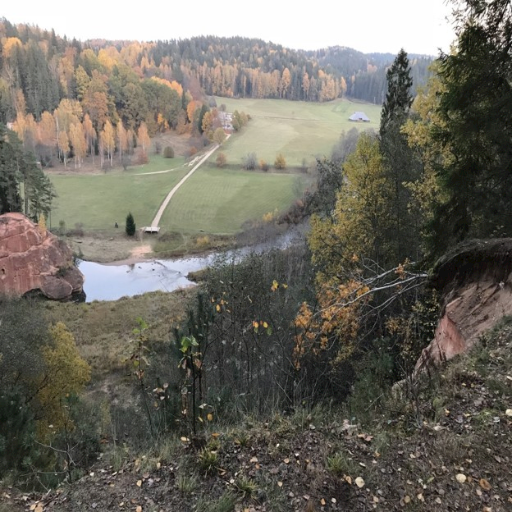
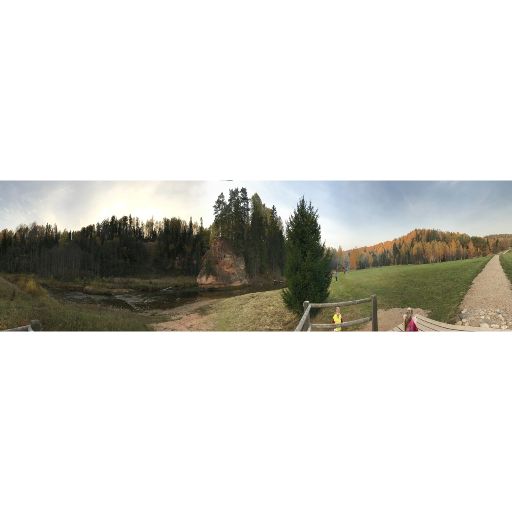
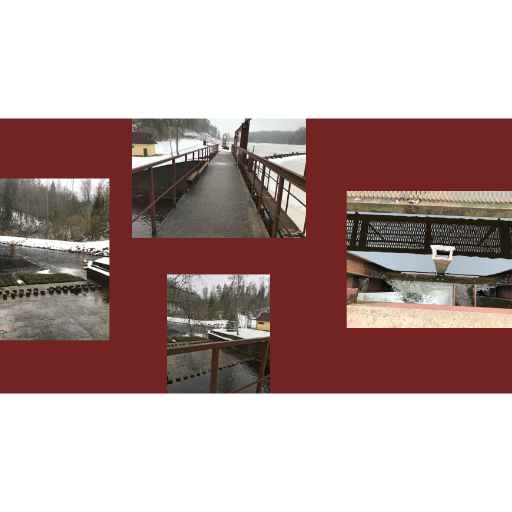
The Brasla Reservoir was established between 1925 and 1927 on the Brasla River, for the production of electricity for the Brasla HPP for the city of Cesis. The old hydroelectric power plant 400 m from the water reservoir is currently located in the state-owned Brasla fish farm and has not been generating electricity since 1970. The new Brasla hydroelectric power station was built in 2000 completely new, at a new site near the Brasla Reservoir.
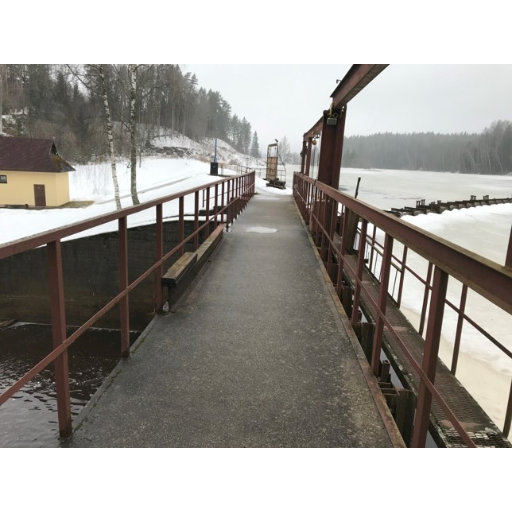
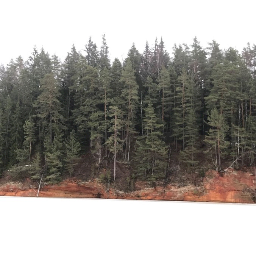
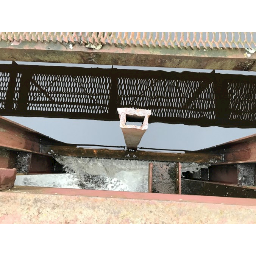
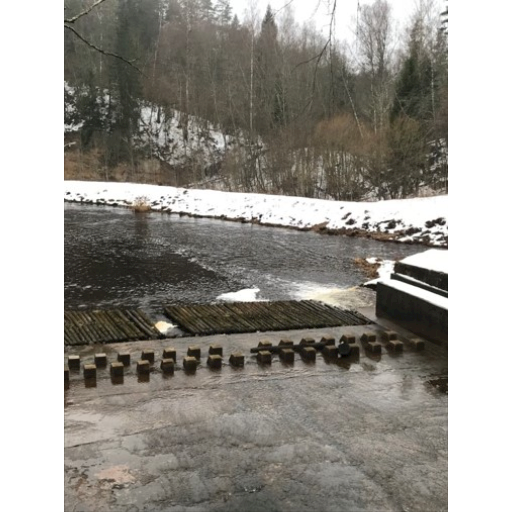
The Brasla Reservoir
Braslas ūdenskrātuve
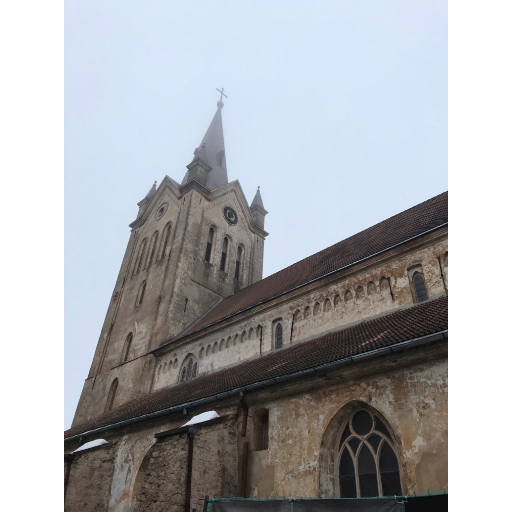
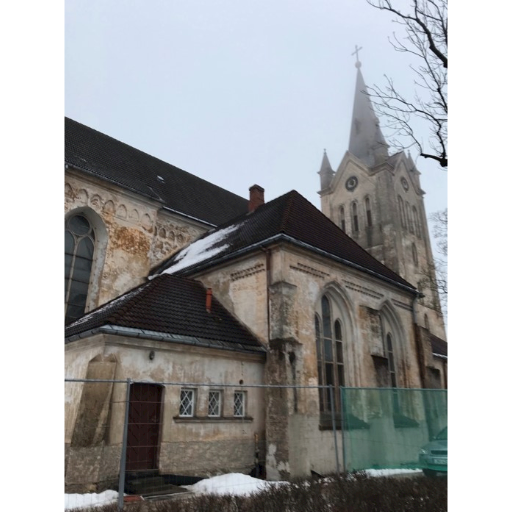
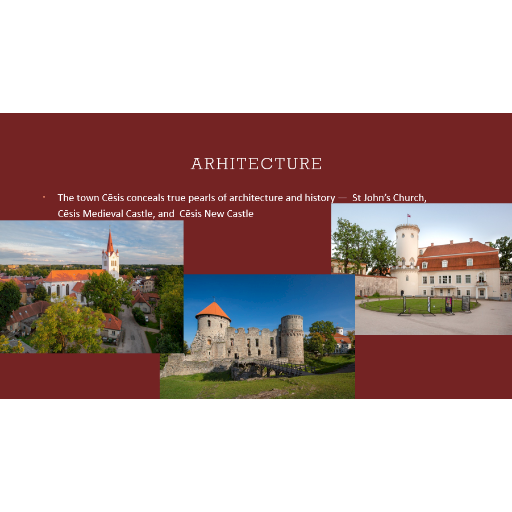
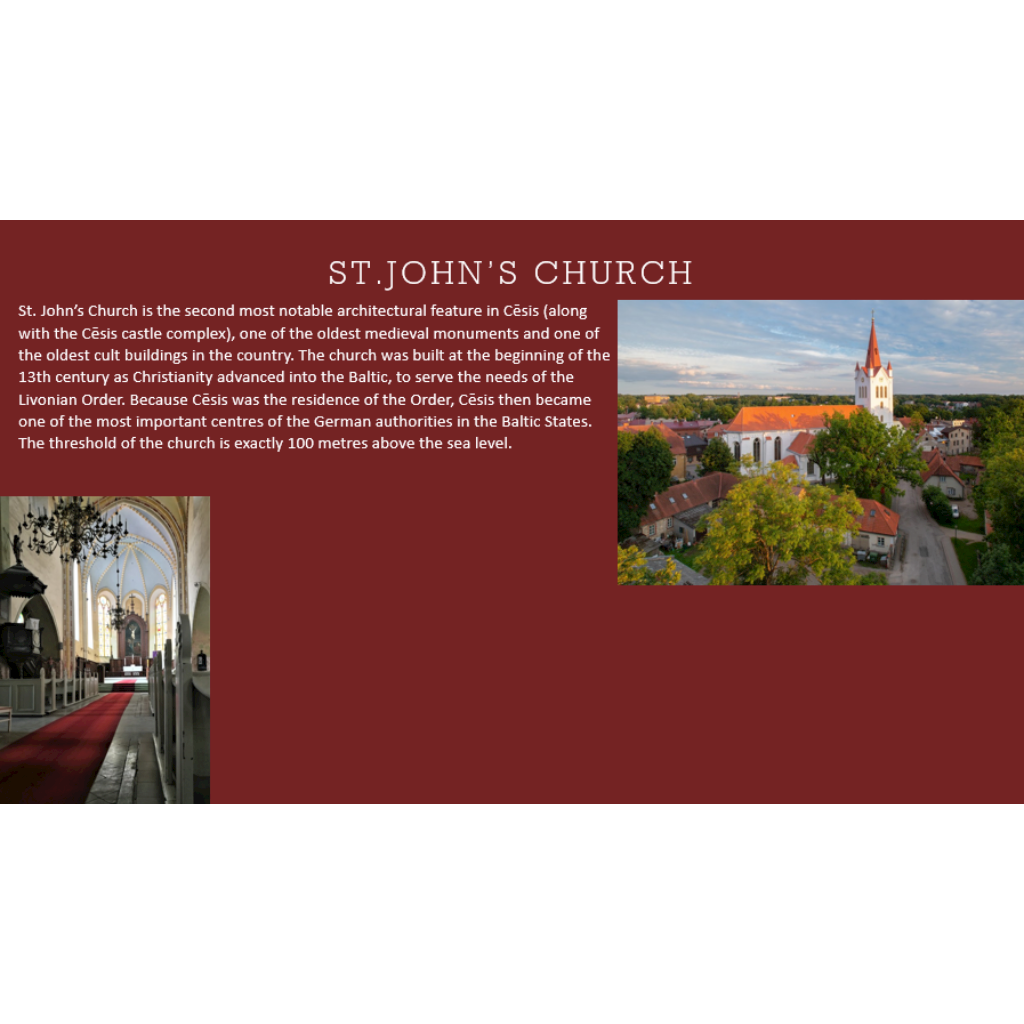
Cēsu Svētā Jāņa luterāņu baznīca
ST.Johns Evangelical Lutheran Church in Cēsis
It is one of the oldest Gothic stone churches in Latvia and the largest medieval basilica in Latvia outside Riga. In the 16th century it became one of the reformation centres of Northern Latvia. In 1582 the church became a Catholic cathedral, but since 1629 it has been a Lutheran church. Many outstanding Livonian statesmen of the 15th and 16th centuries - several masters of the Livonian Order - are buried in the church - Johans Freitāgs fon Loringhofe (1494), Valters fon Pletenbergs (1535), Hermans fon Brigenejs (1549), and Bishop of Cēsis Andrejs Patrīcijs Nideckis (1587).
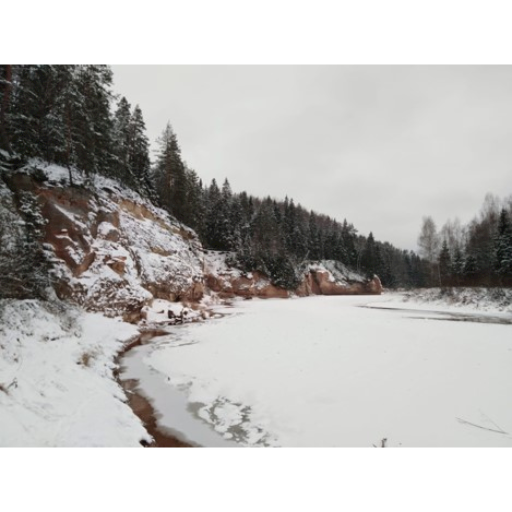
Ērgļu Klintis
Eagle Cliffs
Eagle Cliffs (also Erglu Ciffs, Organ Cliffs, Pieškaļi Rock and Pieškalnu Rock) are Devonian sandstone outcrops on the left bank of the Gauja. Eagle Cliffs is a protected geological nature monument of national importance, as well as a protected habitat of Latvian and European Union importance. The rocks are approximately 700 meters long and 18-26 meters high. They are located about 6.5 km from Cēsis, in Priekuļi Parish. The Devonian sandstone, which forms this natural feature, has oblique strata, as well as phosphoric inclusions and Devonian fish fossils. There are traces of migration of iron compounds inside the rock, which look like rusty bands. It also contains fractures caused by tectonic processes during the formation of the Gauja valley.
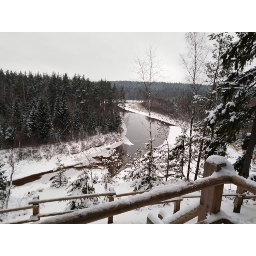
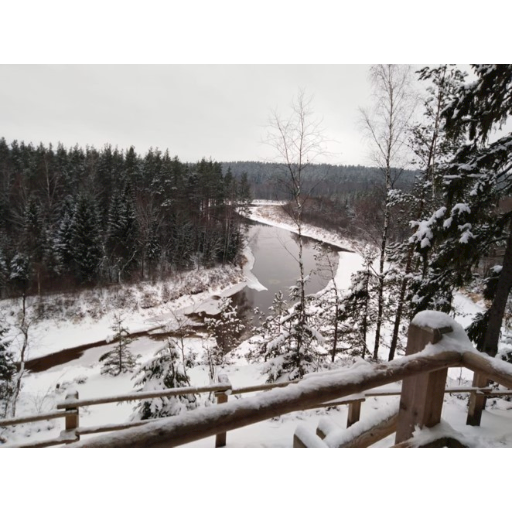
Gauja pie Ērgļu klintīm
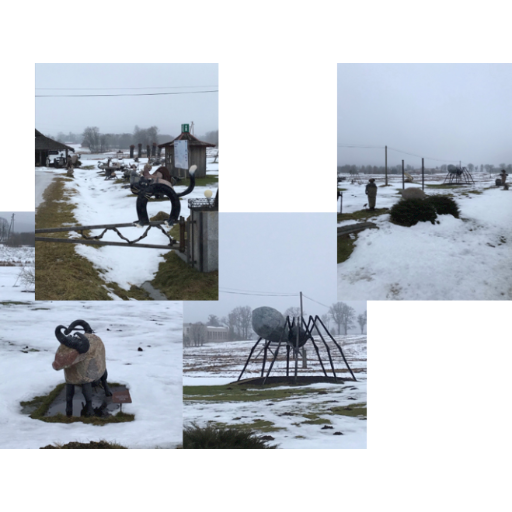
Boulder products in
"Ezeriņi"
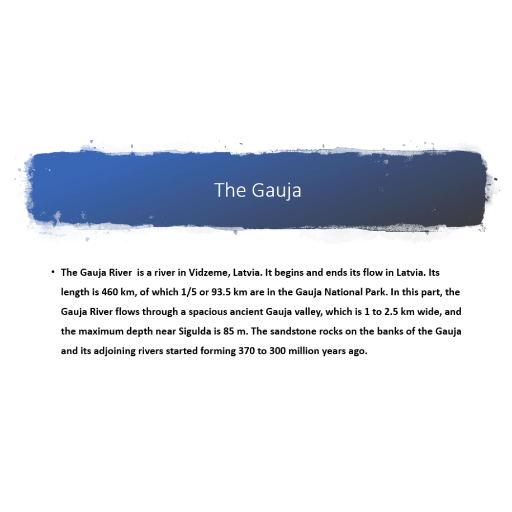
The Gauja river
The Gauja in Vidzeme, is the most beautiful and cunning river in Latvia, starting in Piebalga, in the middle of Vidzeme. The only great river that starts and finishes its flow in Latvia. The overall length is 460 kilometers, of which 93.5 kilometers are in the Gauja National Park. Tributary rivers of the Gauja in the entire area of the Gauja National Park are rapid rivers.
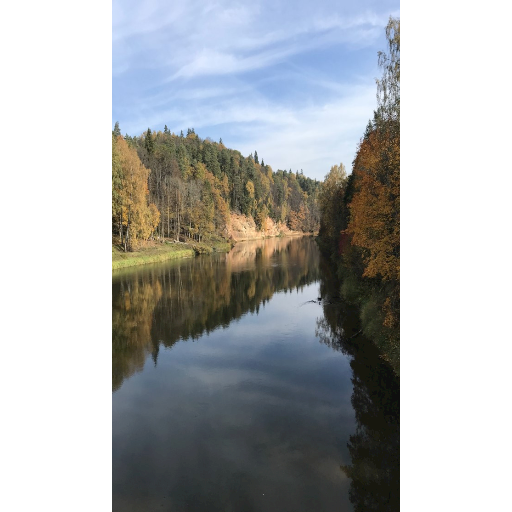
Gauja no Kājinieku Tilta
The Gauja River from Pedestrians' Bridge
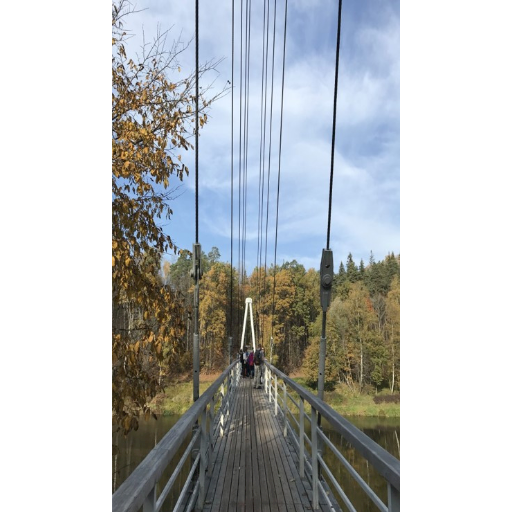
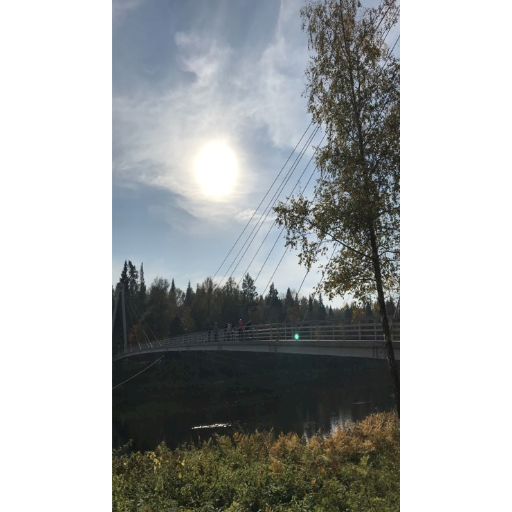
Pedestrians' Bridge over the Gauja River
The Pedestrians’ bridge over the Gauja River near the Devil’s Cave (Velnala) is a bridge 300 meters below the Krimulda Velnala. It was opened in 1979. The bridge was built to provide a view of the Devil’s Cave from the opposite bank of the River Gauja and to create a circular route for the visitors of the Gauja valley on both sides of the river. The Suspension Pedestrians’ Bridge was designed between 1977 and 1979 by Jānis Zavickis and Astrīda Ādmine.
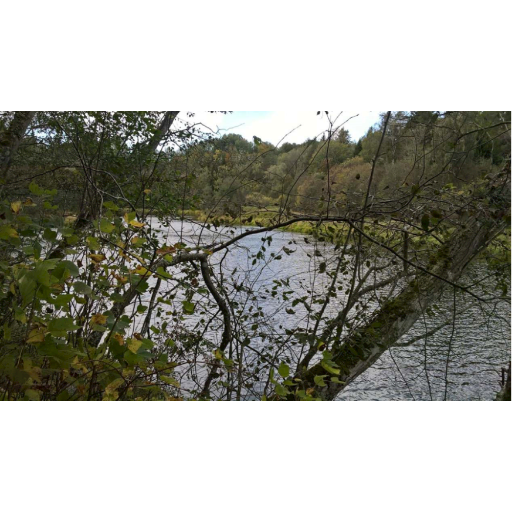
The Gauja
Kraukļkalna rock
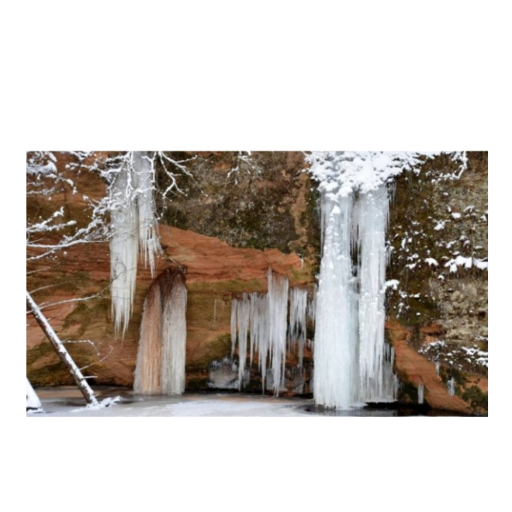
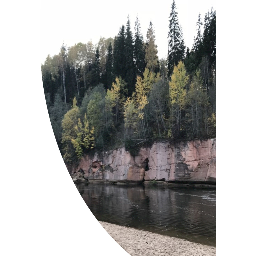
Ķūķu Cliffs
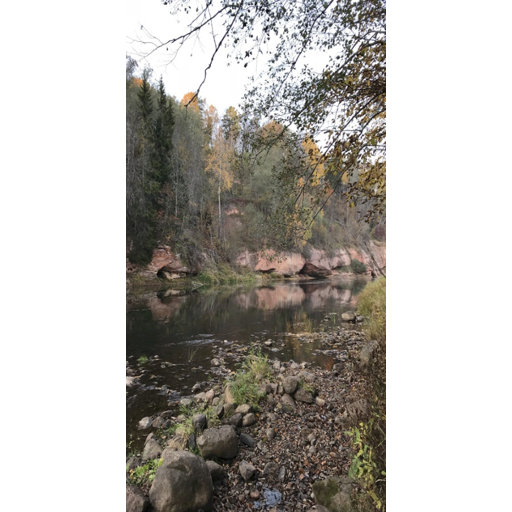
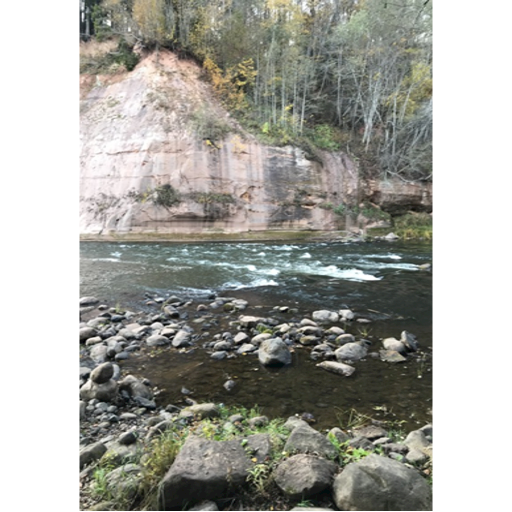
Ķūķu Cliffs are one of the most impressive rocks on the banks of the Gauja River .
At first, the rock is six meters high, reddish, with springs running above it. 70 meters ahead the highest part begins. There is no homogeneous sandstone wall at all heights. At the top is a dusty sedimentary rock and reddish clay, then the slope becomes more slanting , and in some places shrubs grow. Just at the foot is a light sandstone wall with leaching niches, five to six meters high. The red clay rocks also paint the rocks below. Then again, at the length of 60 meters, there is a sandstone wall of six to seven meters high, which finishes with a small niche.
Ķūķu Cave
It is said that the cliffs got their name from the nearby houses.
Ķūķu porridge or Ķūķis was a traditional Latvian dish during the winter solstice.
Due to the more multistage rapids alongside the cliffs, rafters in ancient times called the majestic cliffs "Rapid Rocks".
In the middle of the rocks there is a peculiar cave - the Ķūķu cave, which has been formed in sandstone by the water itself and is accessible only during the low water period.
Ķūķu Cliffs -the Highest Devonian Rock Outcrop
The Kūķu cliffs are popular not only for being the highest Devonian rock outcrop in Latvia, but also for the Kūķu rapids, which are well remembered by water tourists
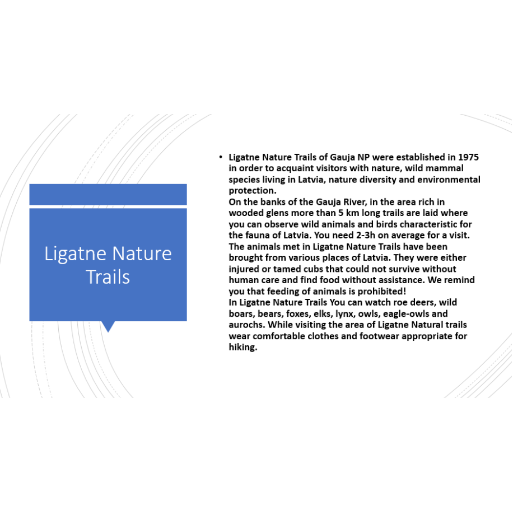
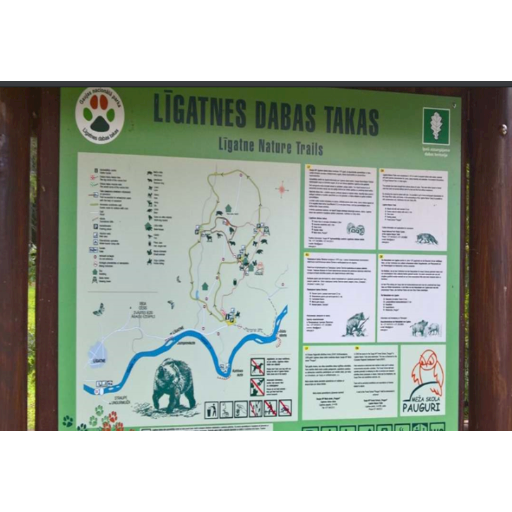
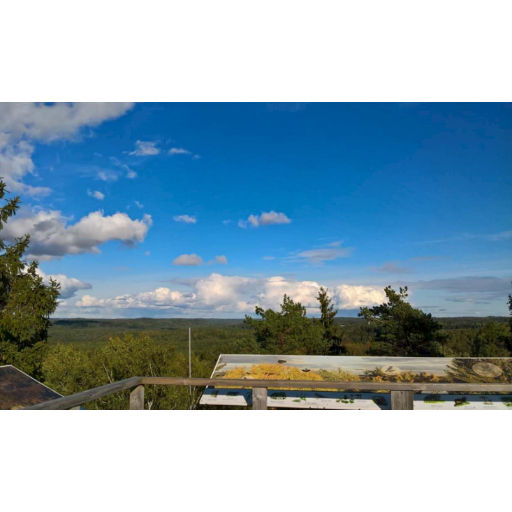
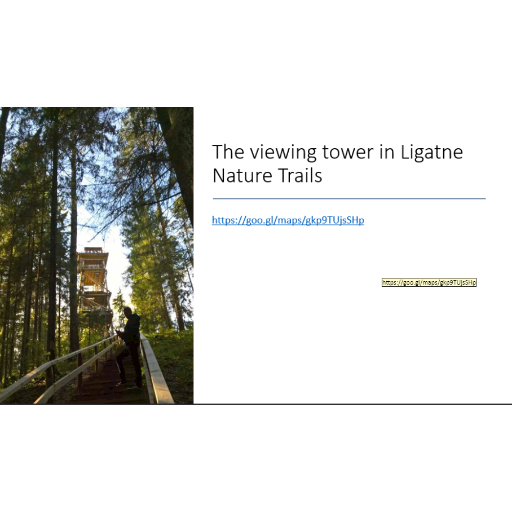
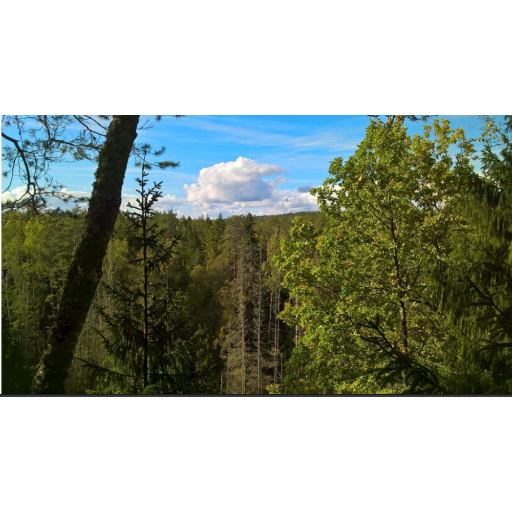
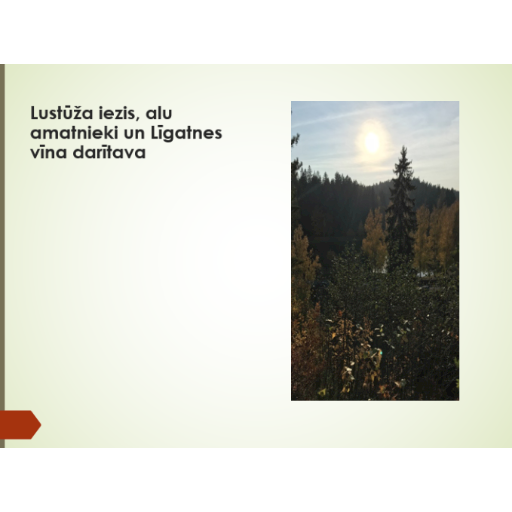
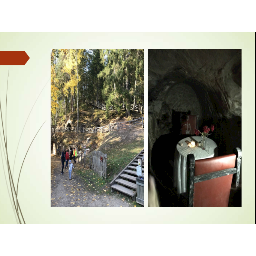
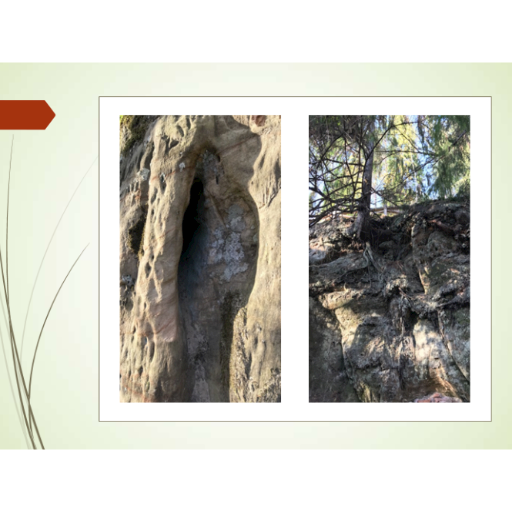
Learning materials in Ligatne Nature trails. Flora and Fauna of the Gauja National Park
National Nature Parks
National nature park is a state protected wide area which is characterised by nationally important and outstanding natural formations and culture sites, landscapes not changed or little modified by human activity, diversity of habitats, richness of historical monuments and cultural features.
According to International Union for Conservation of Nature and Natural Resources (IUCN), national parks are included in the 2nd category of protected nature territories. By 2003 IUCN had comprised 3881 territories in this category, the total area of them reaching 4 413 142 square kilometres.
Not always the territory called national park complies to the understanding of such area by IUCN, this issue refers also to national parks in Latvia.
The largest national park is North East Greenland National Park (picture 1). It was founded 21st May 1974. Its area is 972 000 km2.
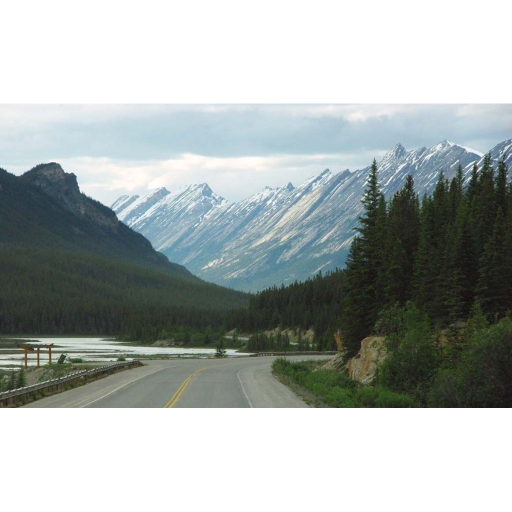
1.att. Ziemeļaustrumu Grenlandes nacionālais parks
Largest National Park - Northeast Greenland National Park, Denmark
National parks in Latvia
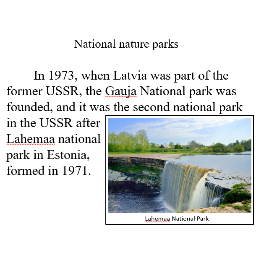
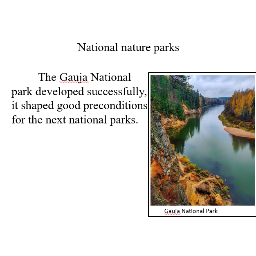
There are 4 national parks in Latvia. They cover approximately 3,2% of Latvia territory. Not long before the World War 2, foundation of Sigulda national park was started but it was never formally created. In 1973, when Latvia was part of the former USSR, the Gauja National park was founded, and it was the second national park in the USSR after Lahema national park in Estonia, formed in 1971. The Gauja National park developed successfully, it shaped good preconditions for the next national parks.
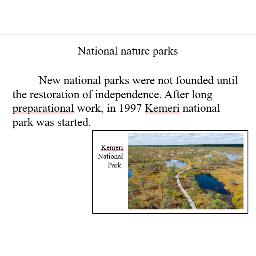
New national parks were not founded until the restoration of independence. After long preparational work, in 1997 Kemeri national park was started.
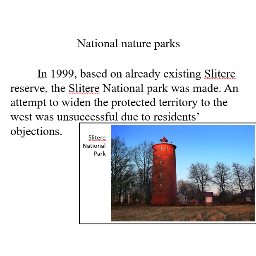
In 1999, based on already existing Slitere reserve, the Slitere National park was made. An attempt to widen the protected territory to the west was unsuccessful due to residents’ objections.
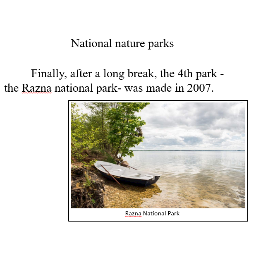
Finally after a long break the 4th park - the Razna national park- was made in 2007.
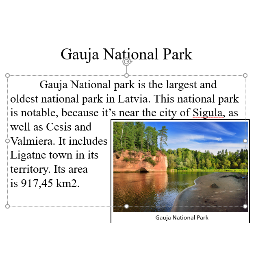
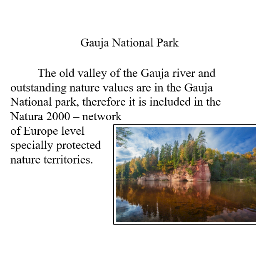
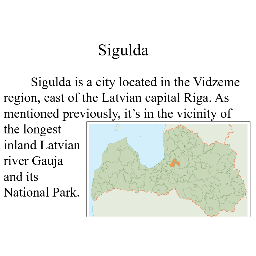
1. Gauja National park is the largest and oldest national park in Latvia. It stretches in Vidzeme covering Sigulda, Cesis, Valmiera surroundings, it includes Ligatne town. Its area is 917,45 km2.
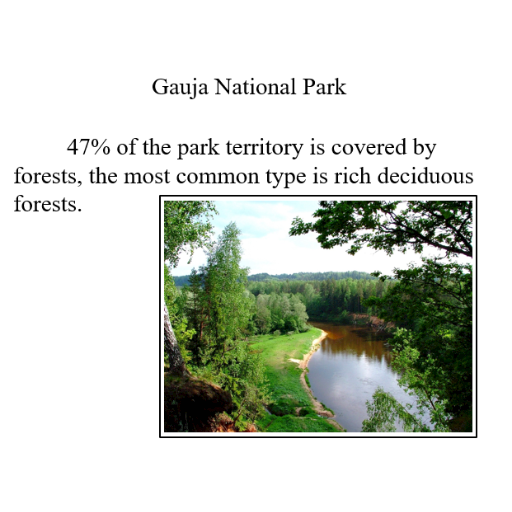
The old valley of the Gauja river and outstanding nature values are in the Gauja National park, therefore it is included in the Natura 2000 – network of Europe level specially protected nature territories. 47% of the park territory is covered by forests, the most common type is rich deciduous forests.
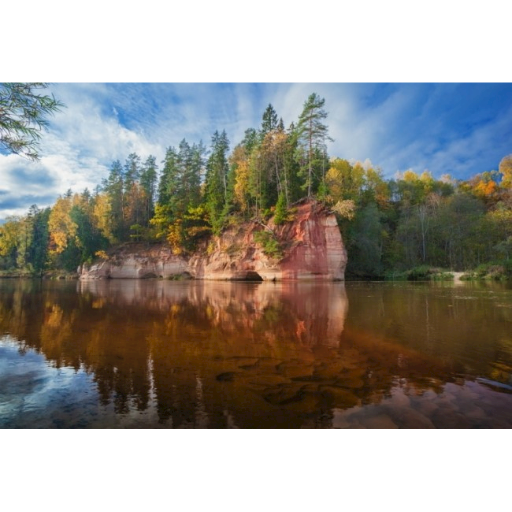
2. Kemeri National park is the third largest national park in Latvia, it covers the west part of Jurmala territory, and stretches in Jelgava, Babite, Engure, Lapmezciems districts. The area is 381,65 km2 (including 1954 hectares of sea water area). The formation process of mineral water and medicinal curative sludge takes place in Kemeri national park, and some time ago it served as a reason for the development of health resort industry.
Diversity and wideness of moors, bogs, and lagoon lakes such as Dunieris, Kanieris, Slokas lake, Valguma lake, illustrate Kemeri National park. The largest moors are Big Kemeri moorland and Witches’ swamp.
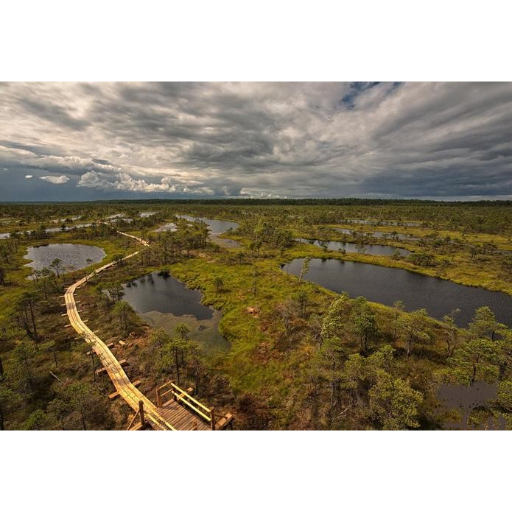
Kemeri moorland path
3. Slitere National park is the smallest national park in Latvia. It is in the north of Dundaga district, in the territory of Dundaga and Kolka parish. It covers 265 km2. It is washed by the Irbe strait and Riga Bay waters of the Baltic sea.
In Slitere National park it is possible to explore almost all stages of the Baltic sea development. Blue Hills is an ancient coast of Baltic ice lake, where rich in species broadleaf forests grow. Dune ridges and bogs were formed long time ago. An essential part of Slitere National park is the coast of the Baltic sea with its sandy beaches, dry meadows, and dunes covered by pine trees.
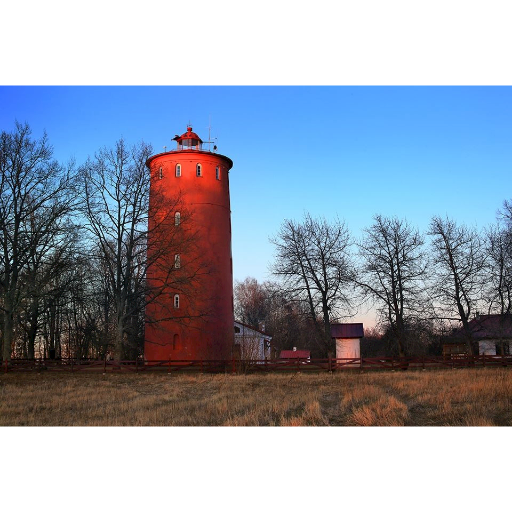
Slitere lighthouse
4. Razna National park is the youngest and the second largest from the four national parks in Latvia. It is in Latgale- Rezekne district, partly in Dagda and Ludza districts. Its territory covers 532 km2, it is near Raznas lake, in the central part of Latgale highland.
Raznas lake is the largest lake in Latvia in terms of its water volume and often is called the Latgale sea. The banks of the lake are covered with pebbles, which is very unusual for the lakes in Latvia. Popular tourist destinations are Cloud Hill (remains of Volkenberg wall can be seen too), Big Lime Hill (the highest point in Latgale and the third highest in Latvia), and the farmhouse Andrupene. As a unique place Ezezers (Hedgehog Lake) needs to be mentioned, as it is the richest in islands lake in Latvia (there are 33-36 islands). The location of it - Dagda region.
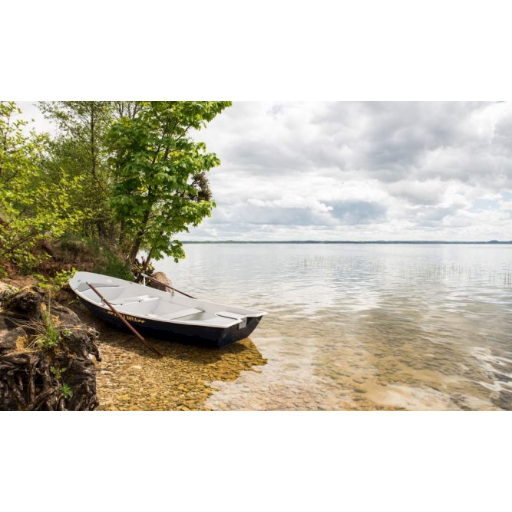
Razna lake
Thank you for your attention !
- < BEGINNING
- END >
-
DOWNLOAD
-
LIKE
-
COMMENT()
-
SHARE
-
BUY THIS BOOK
(from $32.59+) -
BUY THIS BOOK
(from $32.59+) - DOWNLOAD
- LIKE
- COMMENT ()
- SHARE
- Report
-
BUY
-
LIKE
-
COMMENT()
-
SHARE
- Excessive Violence
- Harassment
- Offensive Pictures
- Spelling & Grammar Errors
- Unfinished
- Other Problem





COMMENTS
Click 'X' to report any negative comments. Thanks!