
TO MRS PURCELL, THANK YOU FOR ALL YOU DO!

Table of Contents:
A:Ascaris Roundworm
B:Box Jellyfish
C: Crocodile
D: Dumbo Octopus
E: Elephant
F:Ferrett
G:Garden Snail
H: Hummingbird
I: PoIson Tree Frog
J: Skipjack Tuna
K:BlacK Widow
L: Lobster
M: Mussels
N:Common stingray
O: Atlantic Pearl Oyster
P:Bottlenose Dolphin
Q: Quail
R: Crayfish
S:Chinese Mantis
T:Bedforeds Flatworm
U:Lemur
V: Vampire Bat
W: Killer Whale
X:Mexican Hairless Dog
Y:Yellow Tube Sponge
Z:Zerba
A: Ascaris roundworm
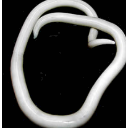
The Ascaris lumbricoides is in Phylum Nematoda, Class Chromadorea, Order Ascaridida, Family Ascarididae. The scientific name is Ascaris lumbricoides. It is known as large roundworm. This round worm is unique as it can live inside humans and grow up to 35 cm long. This is a parasite and lives inside of the host. I chose this animal because we watched a documentary about them. This animal is not on IUCN but is common as 1 in 6 people in the world are affected by a roundworm parasite.This animal is protected by skin that is tougher so it can live inside of a human, and still survive. It moves through until it finds a place in the intestines. It moves by moving segments. It releases many eggs inside the human, and the humans poop out the eggs where they are spread. The are asexual and oviparous. These animals are poikilothermic and ectothermic and they get water and food from the host. When the host eats and drinks the parasite gets its nutrients this way. They have cutaneous respiration as they breathe through their skin. The blood flows through their body as they have closed circulation.

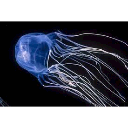
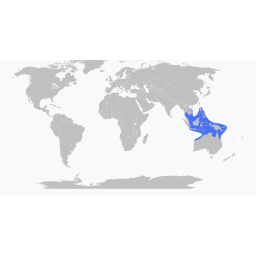
The box jellyfish we are talking about is the sea wasp, it is in the phylum Cnidaria, Class Cubozoa, Order Chirodropida, Family Chirodropidae, Genus Chironex, Species fleckeri. Its scientific name is Chironex fleckeri. A fun fact is that this organism is known for at least 64 deaths in Australia as it has one of the deadliest venom in the world in its tentacles. It is located in coastal water from North Australia to Malasia. These animals are not at risk according to IUCN. These animals are cnidarian so they have a hydrostatic skeleton and need water for support. These jellyfish move by contraction when they are in medusa form. They are sessile in Polyp form. Jellyfish feed on plankton and nutrients in the water. These animals maintain homeostasis by cutaneous respiration through the skin and this acts as diffusion.Muscular contraction help with movement and movement of fluids of water. Jellyfish get rid of their eggs and sperm into the water where they then fertilize. This is oviparous and asexually. These animals are poikilothermic.
B: Box Jellyfish
C: Crocodile
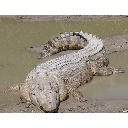

The Saltwater Crocodile is a reptile that is a species of crocodile. It is in the Phylum Chordata, Class Reptilia, Order Crocodilia,. Family Crocodylidae, Genus Crocodylius, Family Porosus. Its scientific name is Crocodylus porosus. Its specific name is the saltwater crocodile. The saltwater crocodile is the largest species of crocodile and is very dangerous. The largest confirmed saltwater crocodile was 20 feet and 4 inches. I chose this animal because it can swim in freshwater and saltwater, and is an apex predator. Its location ranges from northern Australia to South-East Asia. The current IUCN status is least concern so it is not threatened. These animals are reptiles as they have scaled skin which acts as a barrier and protection for the internal organs. Also these animals have huge jaws for protection and this also helps they hunt. These animals have webbed feet and this helps them change directions in the water to help them move. These animals are carnivores as they hunt their food. They sneak up on prey that drink the water and the crocodile uses its massive jaws to kill and eat prey. Its jaws open very wide to swallow the food. It travels through body and out the anus with a complete tract. Crocodiles reproduce during a wet mating season and females lay eggs, meaning they are oviparous. They are ectothermic or cold blooded and rely on the environment to cool or heat their blood. Crocodiles have closed circulation and breath air, but can hold breath for up to 2 hours.
D: Dumbo Octopus
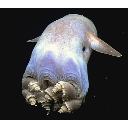
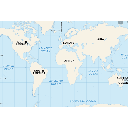
The animal chosen is the Dumbo Octopus. It is in the phylum Moluska, Class Cephalopda, Order Octopoda, Family Opisthoteutodae, Genus Grimpoteuthis, Species umbellata. The Scientific name is Cirroteuthis umbellata. I chose this animal because it is named after the popular movie elephant "Dumbo". This is because of the look of the octopus. The current IUCN status is least concern . This organism is found with world wide distribution and lives at depths of 300 to 4000 meters. These animals have a mantle and a beak to help them have support and also get food. They also have large fins of the side of the head to move. These animals swallow prey whole which is different than other octopuses. The have tentacles to grab prey and a complete digestive tract. They are able to Reproduce oviparously as the females lay her eggs in a very safe place, but the males are able to fertilize the eggs. These animals are ectothermic and become what the temperature is to maintain internal balance and heat. They are relatively unknown as they live at such deep depths.
E: Elephant
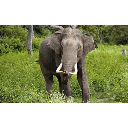
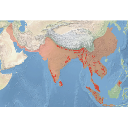
The animal I chose is the Asian Elephant. This animal is in the Phylum Chordata, Class Mammillia, Order Proboscidea, Family Elephantidea, Genus Elephas, Species E. maximus. Scientific name is Elephas Maximus. These animals are distributed throughout the continent Asia, but the numbers are being cut heavily. This means that the Asian elephant is endangered as numbers are drastically cut. I chose this animal because i read a story about these animals and how they love their young. A fun fact is that they are very intelligent and have a highly convoluted neurocortex which is also in humans and dolphins. They are endothermic and are able to regulate their own body temperature. The use their trunk to transport water to their mouths. They are herbivores and eat tree life and leaves, and this is digested through their complete digestive tract. They reproduce sexually and take live care of their youth to make sure the family survives. They travel in the herd and breath air into their lungs. They have closed circulatory system and gas exchange happens in the lungs.
F: Ferret
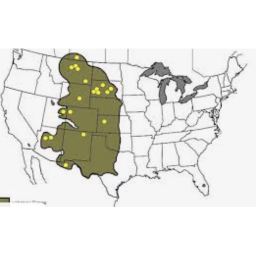
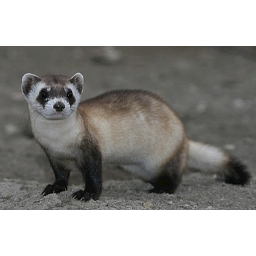
I decided to do the black footed ferret as my animal. Phylum Chordata, Class Mammillia, Order Carvinora, Family Mustelidae, Genus Mustel, Species M. Nigripes. Scientific name is Mustela Nigripes. Its location is in the great plains of the UNited States of America. I chose this animal because it is very cute and a fun fact is that up to 91% of its diet consists of prairie dogs. This species is considered endangered to the IUCN list. This means that they are at risk of dyeing out. These animals are carnivores and hunters and usually eat prairie dogs or other rodents they catch. They are excellent diggers, and have a complete digestive tract. They have sharp claws to dig and have jaws to catch prey. They breathe like humans with their lungs as they have a closed circulatory system. They also sexually reproduce to give live births which are viviparous. They are endothermic and they can regulate their own body temperature.
G: Garden Snail
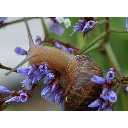
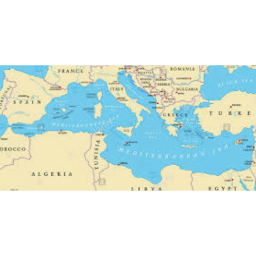
The animal I chose for G is the garden snail. It is in the Phylum Molluska, Class Gastropoda, Class Heterobranchia,, Family Helicidae, Genus Cornu, Species C. aspersum. Scientific name is C. aspersum. They are on IUCN as least concern as they are very plentiful. They were originally from the Mediterranean region, but they traveled around the world. I chose this animal because my dad complains about them being pests to his garden. A fun fact is that they are often eaten in France with a chewy texture. These are the typical snail so they feed off of the surface they rub on. This allows them to feed continuously and gain the needed nutrients to survive. These animals have a large shell for protection against predators, only problem is torsion. The garden snail reproduces sexually, but the female lays her eggs in 6 different batches. This means they are oviparous and lay eggs. Also they respire through lungs in the mantle cavity but they have open circulation. Also they are ectothermic and cannot control their body temperature so they need warmer places.
H: Hummingbird
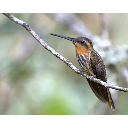
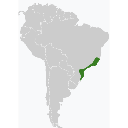
I chose to do the saw-billed hermit as my hummingbird example. It is Phylum Chordata, Class Aves, Order Apodiformes, Family Trochilidae, Genus Ramphodon, Species R. naevius. Its scientific name is Ramphodon naevius. This animals habitat is humid forests in. Southern America. On the mat it is on the coastal Eastern side and this is a small region. On the IUCN list they are near threatened. I chose this bird because hummingbirds have always interested me personally and a fun fact about them is that they are the smallest bird species in the world. This means that they are very small. They have a skeletal system where their bones are hollow which allows them to fly much easier than normal. Their quick flapping wings helps them soar, and their long beak helps them get pollen. This pollen is part of a complete digestive tract. These animals are endothermic which means they generate their own heat and they can regulate this. They reproduce sexually bur are oviparous as they lay eggs which hatch into live young.
I: poIson Tree Frog
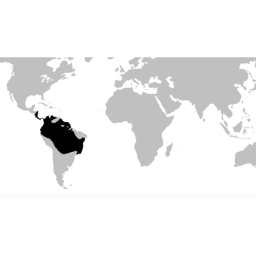
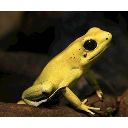
I chose the golden poison frog. It is in Phylum Chordata, Class Amphibia, Order Anura, Family Dendrobatidae, Genus Phyllobates, Species P. terribilis. Scientific name is Phyllobates terribilis. This animal lives in humid forests on the coast of Columbia, and its habitats are being destroyed by deforestation. This animal is a amphibian and is on the IUCN endangered species list due to rapid number of species loss. I chose this animal because of its color and a fun fact is that the level of poison comes from their diet. These animals eat lots of insects and digest them in their complete digestive tract. This animal also has a defense from predators in its poison. Its poison is very lethal and the bright colors are a beware to all its predators. This poison gland is in the skin and is how they survive. They are ectothermic and react to the environment around them which means they are cold blooded. Also they are frogs so they are amphibians. They sexually reproduce where the female leave eggs and is oviparous. These eggs then hatch in water where their tadpole grows into a frog.
J: SkipJack Tuna
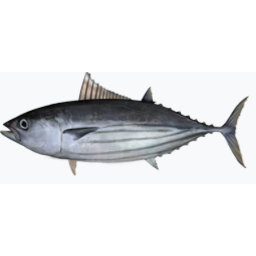
I chose the fish the Skipjack tuna. The Phylum is Chordata, Class Actinopterygii, Order Scombriformes,Family Scombridae, Genus Katsuwanus, Species K. Pelamis. Its scientific name is Katsuwanus pelamis. This animal lives in a tropical habitat and is found in tropical waters all around the world, that is why many of the oceans are present on the map. The current IUCN status is least concern as the numbers are very plentiful. I chose this animal because i love eating tuna on my sushi and a fun fact is that this fish is one of the most important fish for fisheries around the world. This animal has a complete digestive tract as it feeds on crustaceans and other fish. It eats with its mouth and then is excreted out the anus. These animals are ectothermic and poikilothermic as their body become the similar temperature of the water. These animals have gills and breathe the needed oxygen out of the water to survive and respirate. This is a osteichthyes which means it is a bony fish. These animals have closed circulation and have adapted to swim at a great speed. They reproduce by males and females producing eggs and sperm at the same time as they fertilize in the water.
K: Black Widow
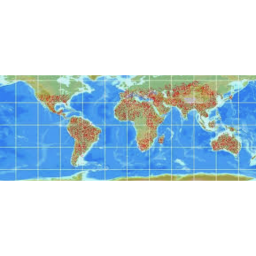
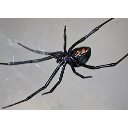
I chose the black widow. The Phylum is Arthropoda, Subphylum Chelicerata, Class Arachnida, Order Araneae, Family Theridiidae, Genus Latrodectus, Species L. variolus. The scientific name is Latrodectus variolus and is known as the Northern Black Widow. The Black Widow is found all over the world as shown in the map but the Northern Black widow is found in the Middle Atlantic States. I chose this animal because I saw this spider in Rhode Island and it was very scary. A fun fact is that only the females have deadly bites to humans. These animals make webs to trap their prey where they then wrap it and the consumer it. They have a complete digestive tract as the food flows throughout the body. They trap their food win web but have venom fangs and chelicerae for protection. This helps them capture prey as well. These animals have lungs to help them breathe air and survive. The reproduce sexually and the female lays eggs. This is oviparous behavior. They are ectothermic and react to the environment around them.
L: Lobster
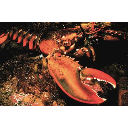
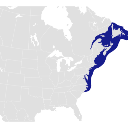
I chose the American Lobster as the letter L. Phylum Arthropoda, Subphylum Crustacea, Class Malacostraca, Order Decapoda, Family Nephropidae, Genus Homarus, Species H. americanus. The scientific name is Homarus americanus. This is talking about the lobster in the region off of the northeastern part of the United States, but lobsters in general are in every ocean. The IUCN is least concern as there are plentiful amount of lobster everywhere. I chose this animal because it is one of my favorite foods of all time. A fun fact about the lobster is that it is the largest crustacean and heaviest arthropod in existence. This animal is a crustacean and is ectothermic and poikilothermic meaning that the ocean is what regulates their temperature. They eat other crustaceans and anything they can get on the bottom of the sea. They have a hard exoskeleton which serves as protections along with their pincers. They also have maxillipeds as primary mouth parts to help them consume what they get. They have closed circulatory system and have gills to help them breathe underwater. The lobsters reproduce sexually and the female chooses when to fertilize her eggs which are laid, making them oviparous.
M: Mussels
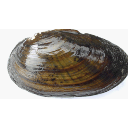
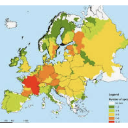
I chose the Thick Shelled River Mussel as my example for bivalve. This animal is in the Phylum Mollusca, Class Bivalvia,Order Unionida, Family Unionidae, Genus Unio, Species U. crassus. The scientific name is Unio crassus. This mussel lives in Europe and some parts of Western Asia, but pictured is the distribution in Europe. The IUCN lists this animal as endangered due to habitat loss in Europe. I chose this animal because its shell is very beautiful and it is directly affected by pollution. A fun fact is that this is a freshwater mussel and only uses fresh water. This animal is a filter feeder as water is brought in and the mussel is able to filter out the needed nutrients. It also has protection in the form of a hard shell. The mussel has a foot which helps it move around and get into a good place to feed, This animal has gills to help it breathe and has closed circulation. This animal is poikilothermic and ectothermic meaning the water determines the mussels temperature. The reproduce asexually as they release their eggs and sperm into the water and then these turn into eggs. This means they are oviparous.
N : Common Stingray

Kingdom: Animalia, phylum: chordata, class: chondrichthyes, order: myliobatiformes
Family: dasyatidae genus: dasyatis
Scientific name: dasyatis pastinaca
Facts: The liver is regarded as a delicacy. I see a lot of stingrays when I vacation.
Iucn: 3.1 near threatened
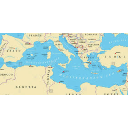
Environment habitat: In the Mediterranean and black seas. It is a bottom dwelling species and likes sandy bottoms in calm water.
Support, protection: It can inflict a severe wound with its serrated, venomous tail spine.
Diet: feeds on crustaceans , worms, and fish.
Reproduction: placental viviparous: embryos sustained by yolk then by uterine milk . they have two litters of pups per year.
Homeostasis: water temperature is a major facor in its ability to maintain homeostasis. Eyes on top of head allow them to survive in their environment and flat body to get under the sandy area. Poikilothermic.
Circulation: they breath through gills and have a biological addition of spiracles
O: Atlantic Pear Oyster
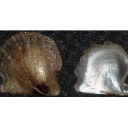
Kingdom: Animalia, phylum: Mollusca, class: bivalvia, order: pteriida, family: pteriidae, geus: pinctada
Scientific name: pinctada radiate
Commonly known as atlantic pearl oyster
Facts: It is harvested for oysters and may be 95% of the oyster catch due to the numbers of the species.
IUCN: not evaluated
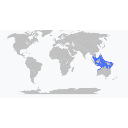
Environment: occurs in the indo pacific and Mediterranean sea. It attaches to hard substrates like rocks or shipwrecks.
Diet and digestion: filter feeders as they get nutrition from environment. They move with a foot mussel, have hard shell
Reproduction: mostly gonochronic, embryos develop into free swimming and then a bivalve.
Homeostasis: ocean codification and global warming affect the physiologic performance of marine calcifies like oysters. Ectothermic and poikilothermic.
Circulation: mainly open, has a heart and series of arteries. Heart has a single ventricle and two auricles
- Full access to our public library
- Save favorite books
- Interact with authors
- < BEGINNING
- END >
-
DOWNLOAD
-
LIKE(1)
-
COMMENT()
-
SHARE
-
SAVE
-
BUY THIS BOOK
(from $5.39+) -
BUY THIS BOOK
(from $5.39+) - DOWNLOAD
- LIKE (1)
- COMMENT ()
- SHARE
- SAVE
- Report
-
BUY
-
LIKE(1)
-
COMMENT()
-
SHARE
- Excessive Violence
- Harassment
- Offensive Pictures
- Spelling & Grammar Errors
- Unfinished
- Other Problem





COMMENTS
Click 'X' to report any negative comments. Thanks!