
Respiration: Reptiles use their lungs, like humans, to breathe in and distribute oxygen to vessels. Reptiles also have scales that keep them for being able to diffuse on skin.

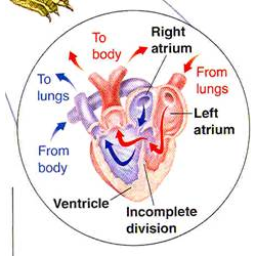
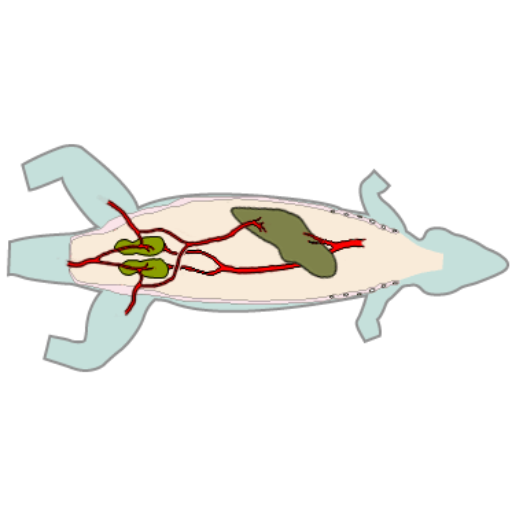
Circulation: Geckos are reptiles, which means they have closed circulation. Closed circulation means blood is closed within vessels, and oxygen is distributed throughout the body. They have a three chambered heart consisting of 2 atria and 3 ventricles.
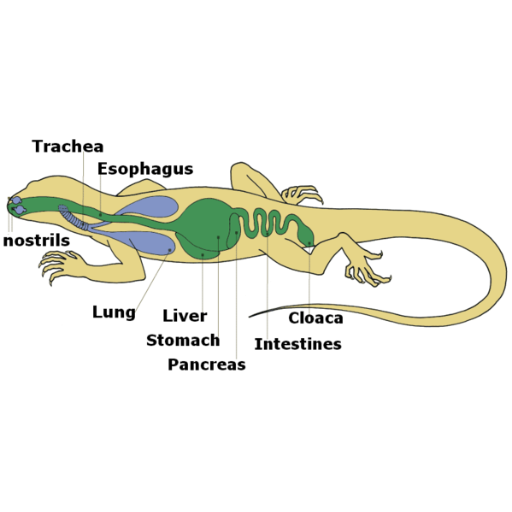
Digestion: The digestive tract in a gecko starts at the mouth and salivary glands, shifts to the esophagus, then the stomach, intestines, and finally the cloaca.

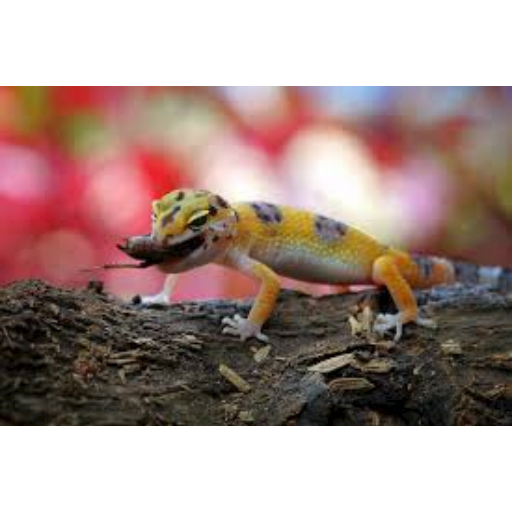
Nutrition and Food Getting: Geckos are mostly carnivores, but few are herbivores. They mainly eat small insects. Gecko's obtain food by hunting.

Support, Protection, and Movement: Geckos have adaptions such as being able to change appearance and color, moving fast, and releasing toxins. This protects the gecko from predators. The also have short legs and webbed feet used for running fast from predators. They also have a tail that catches them when they fall and to maneuver in the air.

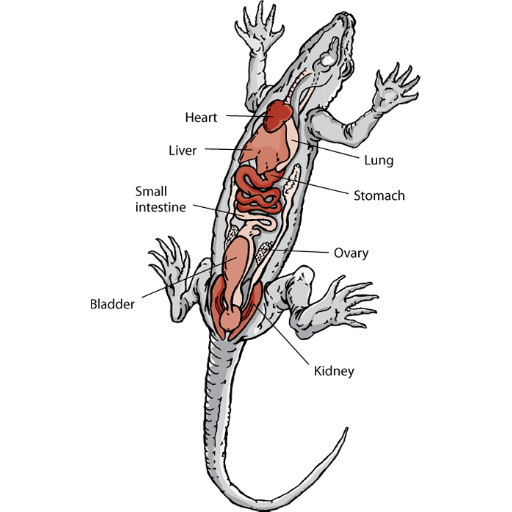
Osmotic Regulation and Excretion: Reptiles have salt glands near their eyes to get rid of excess salt in water. The renal vein sends clean water to the body while the renal artery takes in waste products to clear them. waste products (urine) are then sent to the bladder.

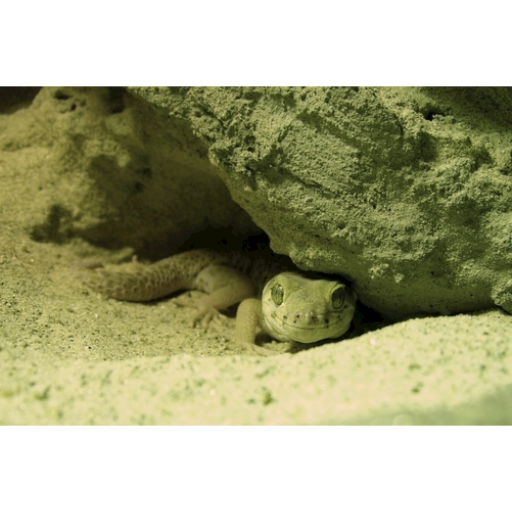
Temperature Regulation: Geckos are ectothermic, which means their internal temperature depends on their outside environment. The are also poikilotherms which means they cannot regulate their internal temperature, only by behavioral means. Because of this, they bask in the sun to retain heat or they burrow to release heat.

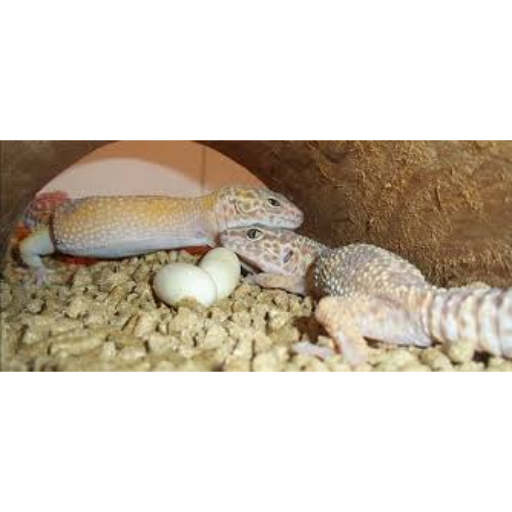
Reproduction: Geckos have internal fertilization and are sexual reproducers. They are also dioecious. temperature also affects the gender of the baby they produce, colder temperatures will produce more males while hotter temperatures will produce more females. Geckos also lay eggs with leathery shells and are oviparous.


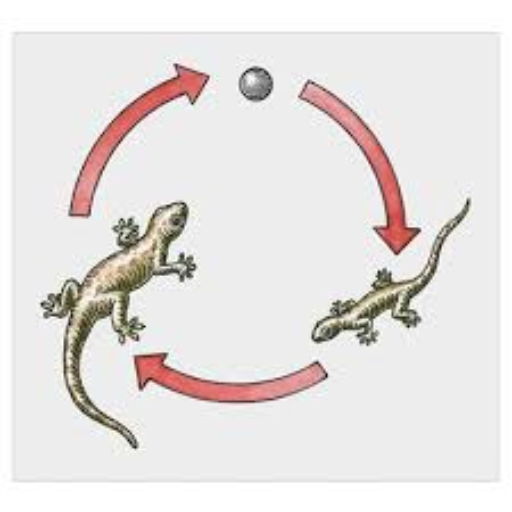
Development: Geckos start as a leathery egg and hatches after a span of two months. They then grow into a young gecko, eventually into an adult gecko. They then engage in reproduction and produce more offspring.
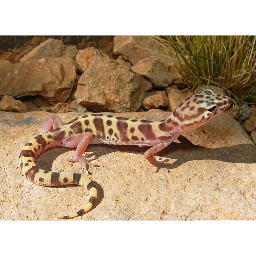
Mating behaviors: Male geckos will fight each other for females to reproduce with, and whoever wins the fight gets the female. They also engage in courtship rituals. This includes posturing, movements, vocalization, and even biting and pushing.

This is a male gecko posturing himself to attract a female to reproduce with
- Full access to our public library
- Save favorite books
- Interact with authors

- < BEGINNING
- END >
-
DOWNLOAD
-
LIKE(2)
-
COMMENT()
-
SHARE
-
SAVE
-
BUY THIS BOOK
(from $3.39+) -
BUY THIS BOOK
(from $3.39+) - DOWNLOAD
- LIKE (2)
- COMMENT ()
- SHARE
- SAVE
- Report
-
BUY
-
LIKE(2)
-
COMMENT()
-
SHARE
- Excessive Violence
- Harassment
- Offensive Pictures
- Spelling & Grammar Errors
- Unfinished
- Other Problem

COMMENTS
Click 'X' to report any negative comments. Thanks!