
A long time ago the Aztecs took a month to celebrate Mictecacihuatl, queen of the underworld and protector of bones. The bones were needed to create new life and would be stolen to do so. Mictecacihuatl would visit the land of the living once a year to check on these bones and make sure they received good care.

The celebration would change as the Spanish came to the land bringing Catholicism. The Aztec and Catholic ideas would blend creating the Day of the Dead as we know it today. The day changed from one worshiping the queen of the underworld to one that honors the dead.
The afterlife plays a huge role in this holiday as it is believed that the dead can visit their relatives one day a year. The family makes preparations to welcome and guide their guest to the land of the living. The family gets to feast with their loved ones from beyond on this day.
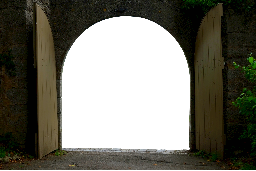
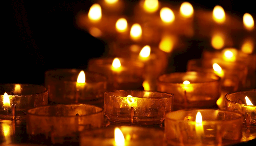
This holiday strays away from mourning and sadness to not insult the dead. The day is all about celebrating lives and having a good time. The day is lively, colorful, and festive as it honors the dead. The dead are treated as part of the community this one day a year.
A vital element to this holiday is the ofrenda which is an alter for the dead family members. Many things go on the alter such as photos of loved ones, a pitcher of water, food like Pan de Muerto and candy skulls, paper banners, and candles. The candles are often placed in the shape of a cross acting like a compass to guide the dead to the land of the living. Marigolds, butterflies, and toy skulls for children can also be found on the altar.
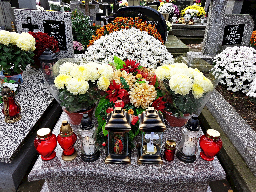
Families take time to clean up and decorate the grave sights of their loved ones. They do this even if they do not plan to celebrate at the grave sight. On the Day of the Dead the grave yard becomes a place of festivities and socialization.
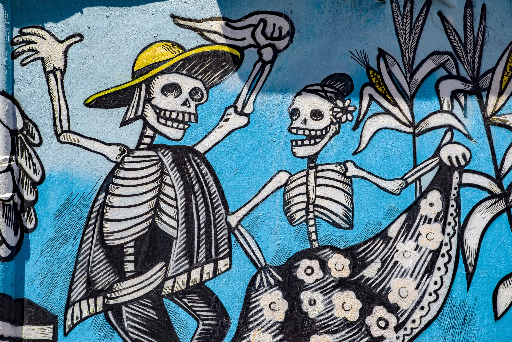
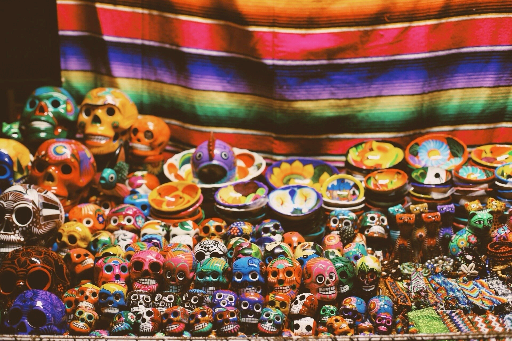
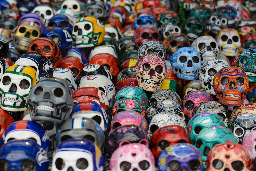
Skulls are everywhere you may look. Shops are full of sugar skulls, toy skeletons, and candy caskets of various sizes and shapes. These items are far from morbid as they are colorful, comical, and light.

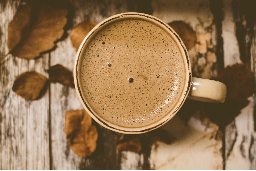
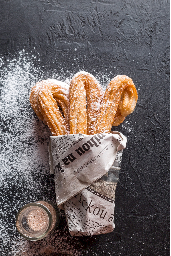
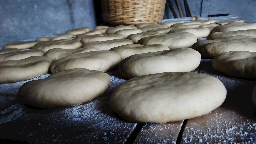
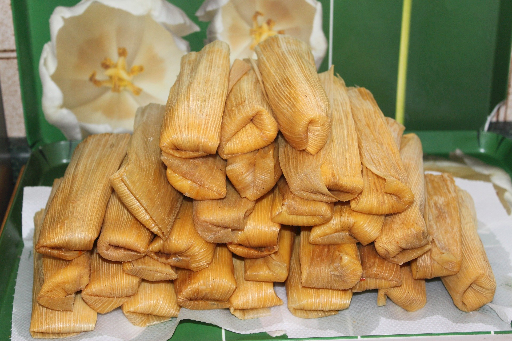
No holiday is complete without having food present. The families spend days before preparing food for this holiday. Food is one of the most important parts as the living plan a feast to enjoy with the dead. Pan de Muerto and sugar skulls are a big thing as these foods are often placed on the altars. There are plenty of other foods such as candied pumpkin, tamales, atole, mole, churros, milk fudge, and sweet potatoes that are made for the feasts. The feast isn't complete without Mexican hot chocolate to enjoy on a cold night of celebration.
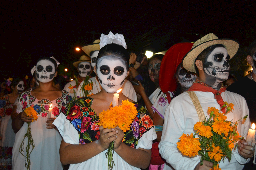
The Day of the Dead is not the same as Halloween though can be often confused with it. The Day of the Dead falls on the first and second days of November. November first is for honoring infants and children and November second is for honoring adult family members. People have their faces painted like skeletons and are dressed colorfully and festively.
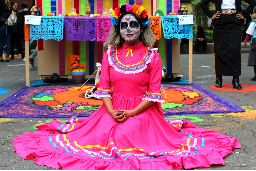
The Day of the Dead has come a long way from where it started. It may have only started in one area but grew to be accepted in other areas across the Spanish world. The US being so close to Mexico has even allowed for culture transfer. There are areas in America that have began to celebrate this holiday.
Brandes, Stanley “Iconography in Mexico’s Day of the Dead: Origins and Meaning” Ethnohistory Spring98, Vol. 45 Issue 2, p181. 38p. 5 Black and White Photographs. http://web.a.ebscohost.com.ezproxy.flcc.edu/doi 10.2307/483058 Accessed 18 Oct. 2019
“Day of the Dead” History 28 Oct 2019 https://www.history.com/topics/halloween/day-of-the-dead accessed November 16 “Day of the Dead Origins and History” Tripsavvy 3 July 2019, https://www.tripsavvy.com/day-of-dead-origins-and-history-1588705 accessed 18 Oct. 2019 “Día de los Muertos” National Geographic 17 Oct. 2012 https://www.nationalgeographic.org/media/dia-de-los-muertos/ accessed 18 Oct. 2019 “Day of the Dead Recipes” The Spruce Eats 10 Oct. 2019 https://www.thespruceeats.com/day-of-the-dead-food-and-recipes-4093075 Accessed November 16“Exploring the Traditions of Mexico’s Day of the Dead” Culture Trip 12 June 2018 https://theculturetrip.com/north-america/mexico/articles/day-of-the-dead-in-mexico-10-traditions-customs/ accessed November 16 “The Aztec Origins of Día de Los Muertos” STMU History Media 27 Sept. 2018, https://stmuhistorymedia.org/the-aztec-origins-dia-de-los-muertos/ accessed 18 Oct. 2019 “5 Facts about Día de los Muertos” Smithsonian 30 Oct. 2016 https://insider.si.edu/2016/10/5-facts-dia-de-los-muertos-day-dead/ Accessed 18 Oct. 2019
- < BEGINNING
- END >
-
DOWNLOAD
-
LIKE
-
COMMENT()
-
SHARE
-
BUY THIS BOOK
(from $2.99+) -
BUY THIS BOOK
(from $2.99+) - DOWNLOAD
- LIKE
- COMMENT ()
- SHARE
- Report
-
BUY
-
LIKE
-
COMMENT()
-
SHARE
- Excessive Violence
- Harassment
- Offensive Pictures
- Spelling & Grammar Errors
- Unfinished
- Other Problem





COMMENTS
Click 'X' to report any negative comments. Thanks!