
THE LIFE STORY OF A PRODUCT
BE FRIENDLY TO NATURE SAVE THE FOR FUTURE
GÜLSÜM URLU ANTALYA ANATOLIAN İMAM HATİP HIGH SCHOOL
LIFE IS STORY OF THE PAPER
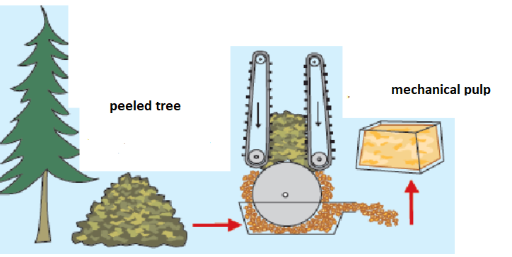
MECHANICAL DOUGH PROCESSING
Tree trunks are cut 1-2 meters long and the bark is removed. Then the wood is grinded with a fine saw and the fibers are separated in this way. The sawdust is purified and printed on a wet cardboard and sent to the paper mill. Therefore, its quality is hard and they are used for newspapers, telephone booklets and cheap books. In mechanical pulp, the fibers retain some of their wood structures and therefore are called wood paper.
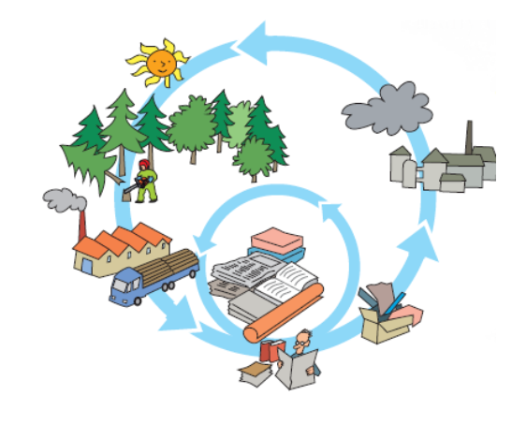
When we burn a paper, we release the previously stored carbon dioxide back into nature, along with the smoke released.
Recycled papers are made from old paper. The ink is erased and the pulp becomes a new paper. Some of them are used for making cardboard, some are used for making napkins and toilet paper.
During recycled paper making, half the energy used for making new paper is used and less water is required. Therefore, waste paper is used for recycled paper.
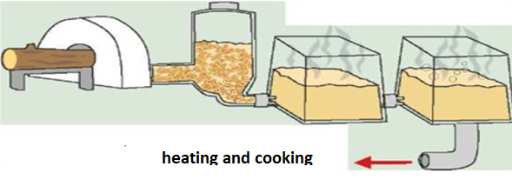
CHEMICAL DOUGH PROCESSING
Tree trunks are cut 1-2 meters long. The bark is removed and cut into small pieces as pieces of wood. These are immersed in water with different chemicals. This process is done under high pressure and temperature. The linine that binds the fibers is dissolved and the fibers are separated. The dough is then cleaned, washed, bleached and dried in a cardboard box and sent to the paper mill. Chemical pulp provides high quality paper. Some are bleached and written paper, books, envelopes, magazines, etc. is turned into. Unbleached paper is used as wallpaper and wrapping paper. In chemical pulp, fibers lose their wooden structure. This paper is called woodless paper.
MARIO CANNIZZO
I.I.S. ORSO MARIO CORBINO
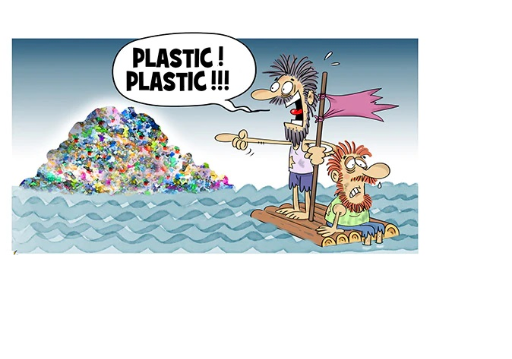
Plastic pollution at sea: causes, consequences and solutions
What is the current situation? Do we still have time to reverse course? How can we avoid ending up in a plastic sea?
If we filtered all the salty waters of the world, we would discover that every square kilometer of them contains about 46,000 suspended plastic micro particles.
Impressive numbers of a phenomenon that is not limited to the five "plastic islands" in continuous growth in the Oceans but also affects our Mediterranean Sea.
As UNESCO points out, the fragile balance of animal and plant marine life is shaken by the increasingly high concentration of plastics of all types and the food chain is suffering perhaps irreparable damage.
Have we reached a point of no return?
Do we still have time to reverse course?
Can we help reduce the amount of plastic that ends up at sea?
What are the possible remedies to reduce the use of plastic
According to the most reliable estimates, by 2050 we will have produced more than 25,000 million tons of plastic waste, the majority of which from domestic sources.
Only a small part will be recycled or incinerated.
In our small way, if we want to defend the health of the seas and preserve their life forms, the first thing to do is to change our purchasing habits.
Like? Applying the principles of the 4 R.
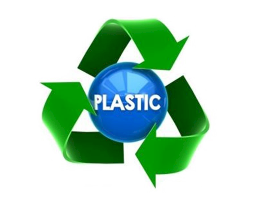
- Reduce: opt for products with less packaging, fabric bags, rechargeable batteries ...
- Reuse: choose the returnable void, glass instead of plastic ...
- Recycle: select waste, adopt separate collection ...
- Recovery: produce objects different from their original function, invent new uses ...

Nikoletta Seisopoulou
& students of
14th High School of Kallithea, Athens, Greece
The life cycle
of a
plastic
bottle

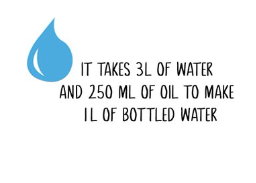
Plastic is made from oil which is extracted from earth...


The oil is made into pellets which are the basics of plastic manufacturing...

Pellets are melted into plastic bottles...


Bottles are transported to stores for purchase...


The majority of used bottles will end up in the environment, where they take up to 1000 years to start breaking down...






so....
so...


so...
so...
GÜLCAN KAPLAN
SİNCİK İMAM HATİP HIGH SCHOOL
The Life Story Of Your T-shirt
DESIGN
The first step on the story of a t-shirt is the design. This could happen up to six months before the t-shirt arrives in stores. Most of the t-shirts we buy on the High Street in the UK are also designed by designers in the UK. They make decisions about the style, colours and fibre content of a garment. The
buyer for the retailer will then decide on where in the world the garment is made and the next step on the t-shirts journe

COTTON PRODUCTION
Cotton is produced in many countries around the world including India. The growing season for cotton is between 150-180 days. The process of growing
cotton can use large amounts of water, fertilizers, pesticides and herbicides, although organic cotton production reduces these environmental impacts.
Cotton farming has traditionally been a very labour intensive process where the seeds are planted by hand, as well as weeding and harvesting. Some of
the more developed cotton farming countries are beginning to use mechanised techniques to undertake these tasks
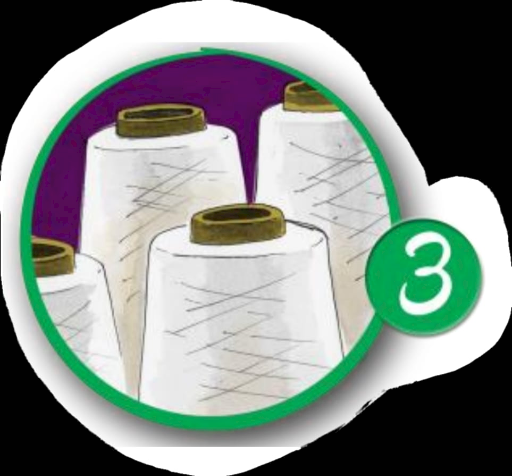
SPINNING
Cotton lint arrives at the mill in bales in places like Indonesia. The lint is blended and passed into carding machines that separates and aligns the
fibres to produce a rope-like strand. The rope-like strand is drawn and twisted as it is spun to produce the required thickness or ‘count’ of yarn needed for weaving.
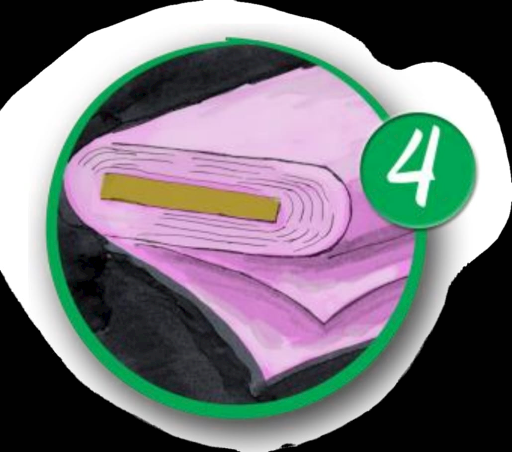
FABRİC PRODUCTION
The yarn is shipped to places like Bangladesh, where it is knitted into a jersey fabric ready for dyeing. The dry cotton jersey is passed through a trough of dye, the excess dye is then squeezed out and the fabric is finished to fix the
dyes and achieve the required handle and feel of the fabric.
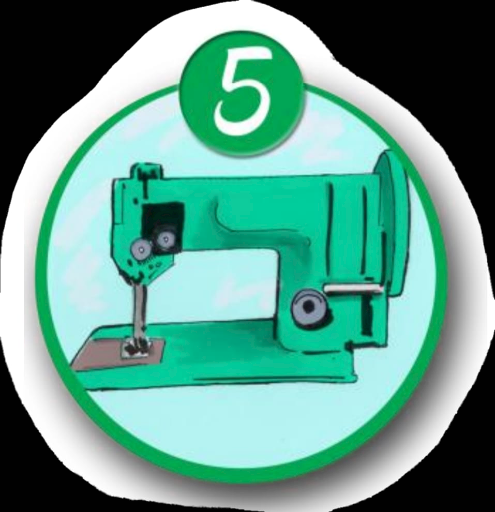
GARMENT PRODUCTION
The dyed fabric is shipped to the cutting and sewing factory. The fabric is allowed to relax to prevent shrinkage in the final garment and then cut into
the required pattern pieces. These pieces are then distributed to the machinists, often women, to sew together and make the garment. The garments are then labelled, pressed and packed ready for shipping back to the UK.
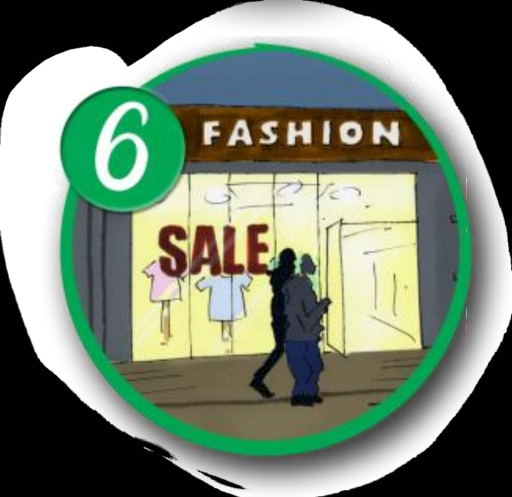
THE RETAILER
The t-shirts are shipped from countries like Bangladesh, China and Mauritius to the UK to the retailers’ distribution centres before arriving in stores for us to buy
IN-USE
Once in our homes we wear and wash our t-shirts. Washing our clothes accounts for between 15% and 40% of our total annual water consumption,depending on the amount of water our machines use or how often we wash
clothes.
RECYCLING
At the end of the life of a t-shirt it may be taken to a charity shop, a textile recycling bin or put into household rubbish. However, even heavily warn fibres can be reused. They may not be suitable to be used for creating new fabric, but could be recycled into new uses such as the stuffing for car seats
The High school of Mate Blazine Labin, Croatia
Sandra Juran , teacher and Croatian students team
Plastic and Human Health: A Lifecycle Approach to Plastic ...
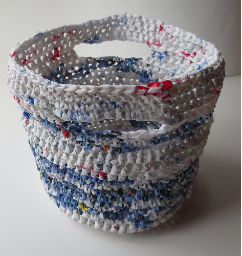
If animals can find waste useful, so can we.
We must insure that no plastic goes to waste, which means that we either have to reuse it or recycle it.
Despite being one of the most pervasive materials on the planet, plastic and its impact on human health is poorly understood. Human exposure to it grows with increasing plastic production and use.


ANIMALS ARE IN DANGER
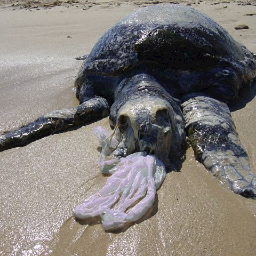
Animals are dying everyday due to them choking on plastic.
This due to lack of awareness among people.
Do not let them die, RECYCLE!!!
Even the big businesses and manufacturers use the 3R method so they can get the most use out of materials that might still be usable in some other ways. For example if you use kitchen paper in your household, you can recycle it into "brown" paper that's cheaper than normal paper so people or organizations who have no money to spend on the paper can spend less money on it, and still have the same effectiveness of a normal paper.
Even as an individual you can do your best to help nature and recycle. You might even save yourself some money, live a healthier lifestyle and feel better. You can also donate things you don't need to people who might find use for those things. Remember, it's never too late to do the right thing. :)
TOP 10 WAYS TO RECYCLE
AS AN INDIVIDUAL


- 1.Buy recycled paper and print on both sides.
- 2.Recycle your outdated technology.
- 3.Make recycling bins readily available.
- 4.Recycle your empty ink and toner cartridges.
- 5.Buy re-manufactured ink and toner cartridges.
- 6.Recycle old newspaper laying around in the office/school.
- 7.Look for recyclable options in everything you buy.
- 8.Buy rechargeable batteries.
- 9.Reuse your morning coffee cup.
- 10.Purchase rewritable CDs and DVDs so that you can reuse them from project to project.
How to recycle properly:
1.Know what you can and can not recycle
Read up on the recycling rules for your area
2.Recycle water
If you're a homeowner, consider rearranging your plumbing so that wastewater from your house is used to flush your toilet.
3.If you do not love something, let it go
Lots of charities welcome your donations. Groups like Freecycle and Recycler's Exchange exist to help you get rid of useful objects that you don't use.
4.Recycle electronics
Electronics recycling is becoming more common in many urban areas, battery recycling is ubiquitous, and there are a number of non-profit organizations that will take computer parts and turn them into working computers.
- 1.Recycling paper and wood saves trees and forests;
- 2.Recycling plastic means creating new plastic, which is a good thing, especially as it is usually made from fossil fuel hydrocarbons
- 3.As recycling saves energy it also reduces greenhouse gas emissions, which helps to tackle climate change
- 4.Reduces the amount of waste sent to landfills
BENEFITS OF RECYCLING
5.It reduces the big amounts of rubbish sent for incineration reduces
6.Recycling prevents habitat destruction
7.Creates jobs- studies have shown that for every one job in waste management there are four jobs in recycling
CONCLUSION
- we learned a lot of reasons why recycling is important for our community
-we learned about waste and how some waste can be reused/recycled into other products
-keeping recyclable items inside the Recycling Loop keeps them out of landfills and reduces pollution
- < BEGINNING
- END >
-
DOWNLOAD
-
LIKE(3)
-
COMMENT()
-
SHARE
-
BUY THIS BOOK
(from $12.39+) -
BUY THIS BOOK
(from $12.39+) - DOWNLOAD
- LIKE (3)
- COMMENT ()
- SHARE
- Report
-
BUY
-
LIKE(3)
-
COMMENT()
-
SHARE
- Excessive Violence
- Harassment
- Offensive Pictures
- Spelling & Grammar Errors
- Unfinished
- Other Problem





COMMENTS
Click 'X' to report any negative comments. Thanks!