
This book was created and published on StoryJumper™
©2010 StoryJumper, Inc. All rights reserved.
Publish your own children's book:
www.storyjumper.com

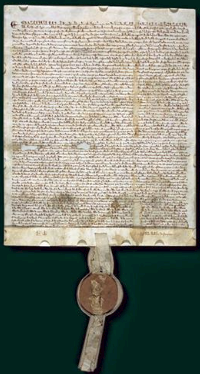
 Magna Carta
 1215
1215 It gave the British citizens their basic civil rights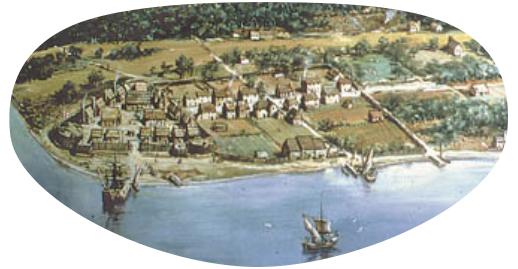
 JAMESTOWN
The first permanent settlement in the
colonies.
 1607
1607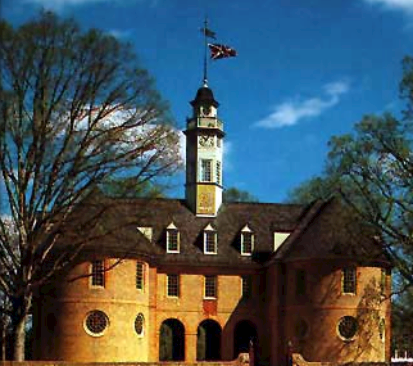
 House of Burgesses
 1619
1619 The House of Burgesses was the 1st Representative
 Goverment assembly in the colonies.
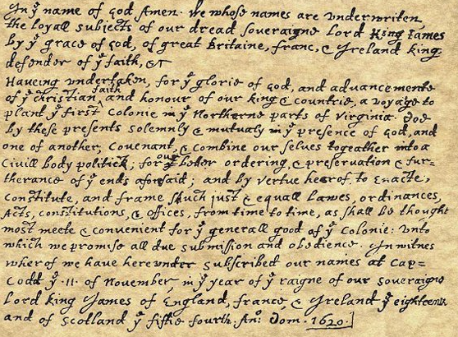
 Mayflower Compact
 1620
1620 Document that established self- government
for the english colonists
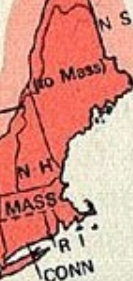
 New England Colonies
 The largest region in the colonies.
Religious beliefs are strict in the area.
New England colony contains,
New Hampshire, Rhode Island,
Massachusetts, an Connecticut.
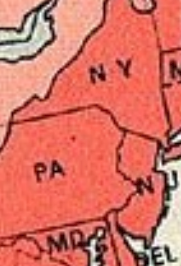
 Middle Colonies
 This region was considered the melting pot of the colonies. The region contained,
 New York, New Jersey, Pennsylvania, and Delaware.


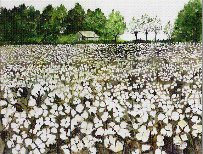
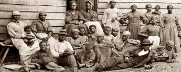
 THE SOUTHThe south region of the colonies contained,
Georgia, South Carolina, North Carolina, Virginia,
and Maryland. The South was know for its
agricultural lands and its "Religion is not that important"
beliefs.
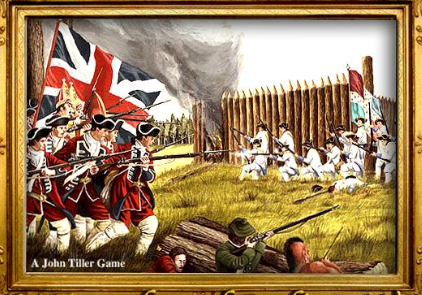
 French and Indian War1754-1763
 A war over fur trade and settlement boundaries.
With favorable terms for the British.
 TREATY OF
 Treaty of Paris
The treaty ended the French and Indian War.


 Proclamation of 1763
 1763
1763The English King Told settlers that
they could not settle west of the
Appalachian Mts.


 Sugar Act
Placed a taxes on sugar,molasses,and other
products shipped to the colonies.
 1764
1764

 I SAID LET ME STAY HERE!!
 Quartering Act
 1765
1765 Required colonists to house and supply
 British Soldiers.
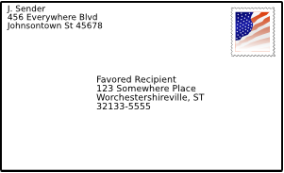

 Stamp Act
 1765
1765Required all legal and commercial documents to
carry an official stamp showing taxes has been
paid.
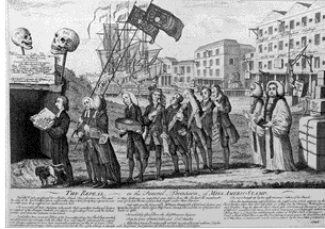
 Townshed Act
 1767
1767Suspended New York's assembly and
established taxes on goods brought into the
british colonies.
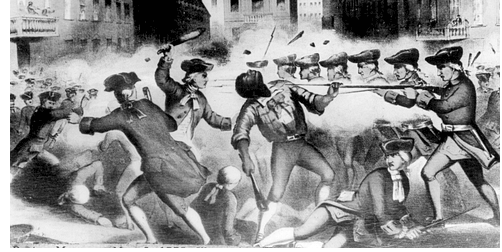
 A clash between British Soldiers and
 Boston Colonists, in which 5 colonists
were killed, including Crispus Attucks.
 Boston Massacre
 1770
1770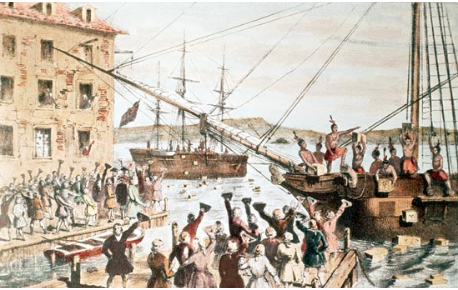
 1773
1773 The dumping of 342 chests of tea into the
 Boston Harbor by colonists to protest the Tea Act.
 Boston Tea Party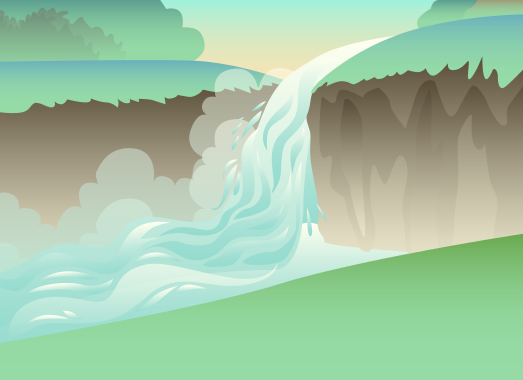


 PUNISHMENT!!!
 I HATE YOU!!!1774
 Intolerable Acts
A series of laws enacted by the Parliament to
punish Massachusetts colonists for the Boston
Tea Party.
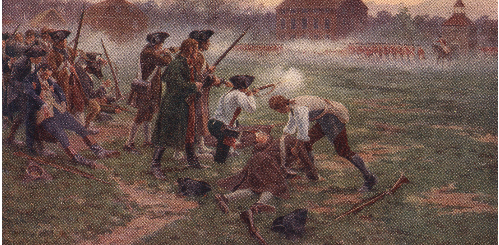 1775
1775 Lexington and Concord
The first battle of the Revolution.
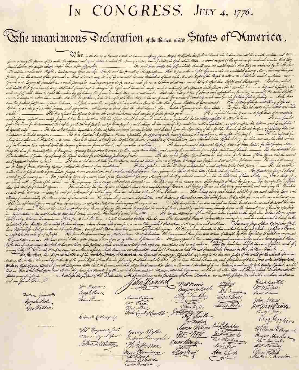
 Declaration of Independence
 1776
1776A document written by the colonists to declare
Independence from Britain.
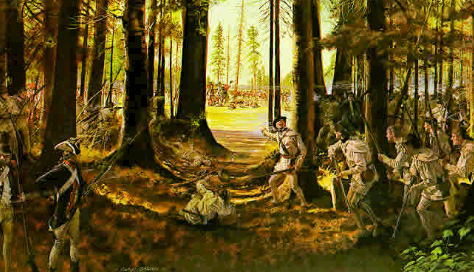
 1777
1777 Battle of Saratoga
The turning point of the Revolution. Favorable
for the colonies.
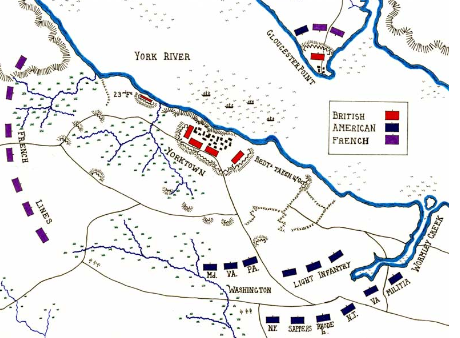 1781
1781 Battle of Yorktown
Last battle of the Revolution. Colonies win!!!
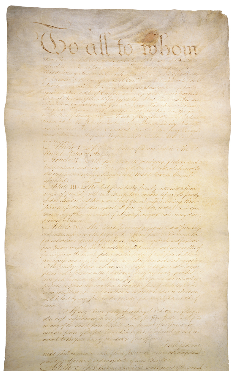 1781
1781 Articles of Confederation
First Attempt at a new government.
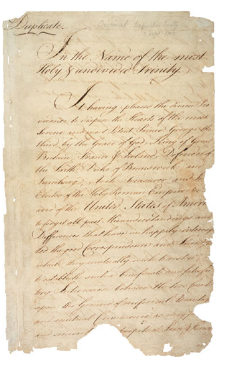
 Treaty of Paris 17831783
Ended Revolution giving US Independence.
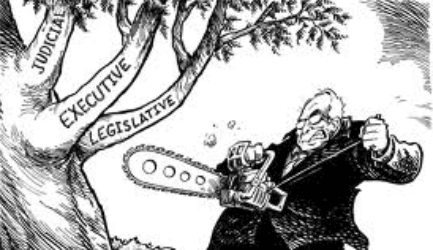 1787
1787 Created the the 3 branches of government
 The Great Compromise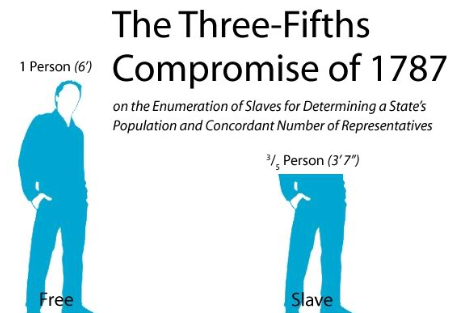
 three-fifths of the population of slaves would
be counted for the population of the state
 3/5th Compromise1787
 1st amendment1791
Congress shall make no law respecting an
establishment of religion, or prohibiting the free
exercise thereof; or abridging the freedom of
speech, or of the press; or the right of the
people peaceably to assemble, and to petition
the government for a redress of grievances
1791 2nd amendment
A well regulated militia, being necessary to the
security of a free state, the right of the people
to keep and bear arms, shall not be infringed.
1791 3rd amendment
No soldier shall, in time of peace be quartered
in any house, without the consent of the
owner, nor in time of war, but in a manner to
be prescribed by law
1791 4th amendment
The right of the people to be secure in their
persons, houses, papers, and effects, against
unreasonable searches and seizures, shall not
be violated, and no warrants shall issue, but
upon probable cause, supported by oath or
affirmation, and particularly describing the place
to be searched, and the persons or things to be
seized
5th amendment1791No person shall be held to answer for a capital, or
otherwise infamous crime, unless on a presentment or
indictment of a grand jury, except in cases arising in
the land or naval forces, or in the militia, when in actual
service in time of war or public danger; nor shall any
person be subject for the same offense to be twice put
in jeopardy of life or limb; nor shall be compelled in any
criminal case to be a witness against himself, nor be
deprived of life, liberty, or property, without due
process of law; nor shall private property be taken for
public use, without just compensation.
17916th amendmentIn all criminal prosecutions, the accused shall
enjoy the right to a speedy and public trial, by
an impartial jury of the state and district
wherein the crime shall have been committed,
which district shall have been previously
ascertained by law, and to be informed of the
nature and cause of the accusation; to be
confronted with the witnesses against him; to
have compulsory process for obtaining
witnesses in his favor, and to have the
assistance of counsel for his defense.
17917th AmendmentIn suits at common law, where the value in
controversy shall exceed twenty dollars, the
right of trial by jury shall be preserved, and no
fact tried by a jury, shall be otherwise
reexamined in any court of the United States,
than according to the rules of the common law.
You've previewed 67 of 103 pages.
To read more:
Click Sign Up (Free)- Full access to our public library
- Save favorite books
- Interact with authors

- < BEGINNING
- END >
-
DOWNLOAD
-
LIKE
-
COMMENT()
-
SHARE
-
SAVE
-
BUY THIS BOOK
(from $20.59+) -
BUY THIS BOOK
(from $20.59+) - DOWNLOAD
- LIKE
- COMMENT ()
- SHARE
- SAVE
- Report
-
BUY
-
LIKE
-
COMMENT()
-
SHARE
- Excessive Violence
- Harassment
- Offensive Pictures
- Spelling & Grammar Errors
- Unfinished
- Other Problem





COMMENTS
Click 'X' to report any negative comments. Thanks!