 colonization era
This book was created and published on StoryJumper™
©2010 StoryJumper, Inc. All rights reserved.
Publish your own children's book:
www.storyjumper.com

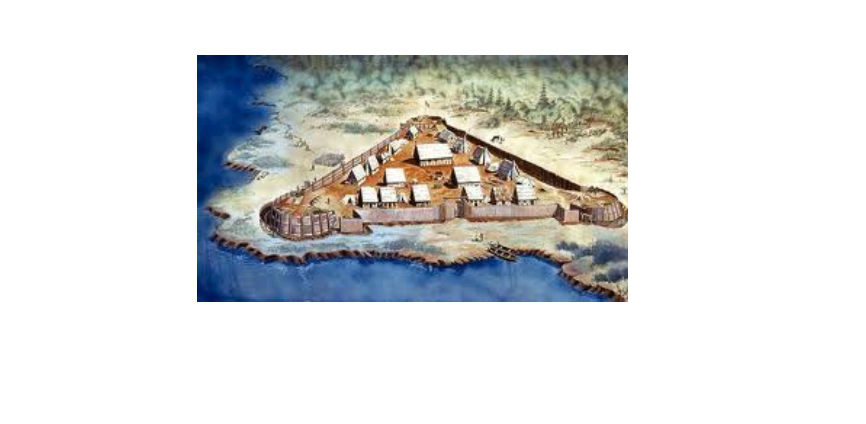
2
 Jamestown
1607
 First permanent English
 settlement in North America
3
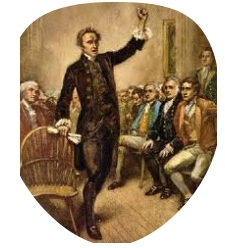
4
 House of Burgesses
1619
 First Representative Assembly
in the American Colonies
5
6
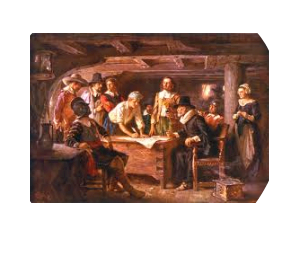
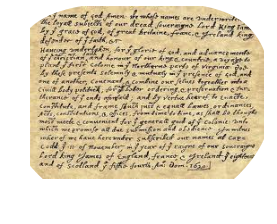
 Mayflower Compact
1620
 Agreement established by the men
who sailed
7

8
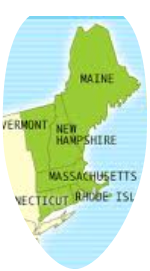
 New England colonies
 The new england colonies were democratic and voted to elect
representatives at town meetings. Fishing, trading, hunting, and
shipbuilding were very important to these colonies economy. Education
was very important and children were expected to read and write.
 Massachusetts, New Hampshire
Rhode Island, and Connecticut
9
10
 middle colonies
 If you owned land, you could vote. Farming and
having cattle was very important. There were many
skilled craftsman and mining was good for money.
If the parents were wealthy, a tutor could be hired
to teach their children.
 New York, New Jersey
Pennsylvania, and Delaware
11
12
 southern colonies
 If you owned land, only then could you vote.
Farming was the most important part of the
economics. Farming included tobacco, indigo,
and rice. There were no public schools but there
were private schools run by churches. Not
centered around religion. The cultures were
not very mixed because most people were from
England and belonged to the Church Of England
 Virginia, Maryland
North Carolina, South Carolina
and Georgia
13
14
 French and Indian war
 1764
 Conflict in North America that was part of a
 worldwide struggle between France and Britain;
britain defeated France and gained French Canada
15
16
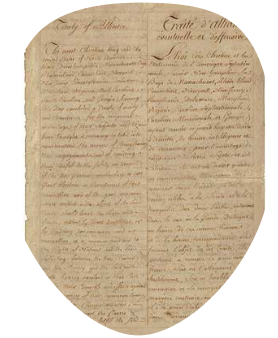
 Treaty of Paris 1763
 The treaty that ended the French and indian War.
 Britain gained all of north America east of the
Mississippi River.
17

18
 Proclamation of 1763
 An order which Britain prohibited its
 American Colonist to settle west of
the Appalachian Mountains
19
20
 sugar act
1764
 A law passed by Parliament that placed
a tax on sugar, molasses, and other
products shipped to the Colonies; it
also called for harsh punishment of
smugglers
21
22
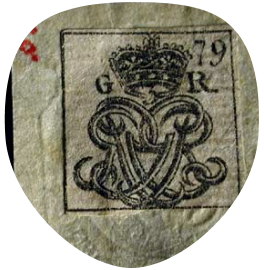
 stamp act
1765
 A law passed by Parliament that required
all legal and commercial documents to
carry an official stamp showing a tax had
been paid
23
24
 Quartering Act
1765
 A law passed by Parliament in 1765 that
 required the colonies to house and supply
British soldiers
25
26
 Townshend Act
1767
 A series of laws passed by Parliament
that suspended New York assembly
and established taxes on goods brought
into the british colonies.
27

28
 Boston Massacre
1770
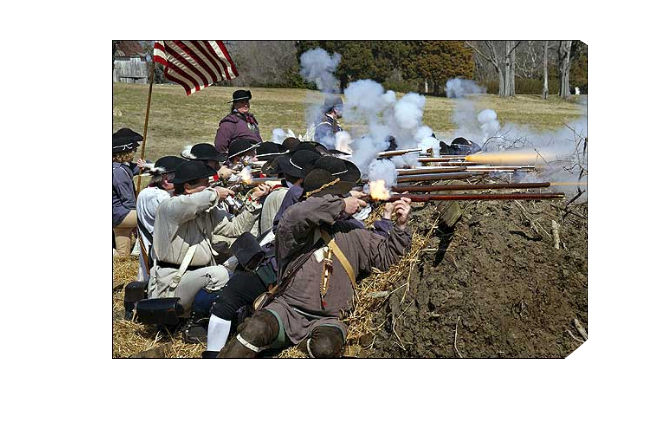
 A clash between British soldiers
and Boston colonist in which five
of the colonist, including Crispus
Attucks, were killed
29
30
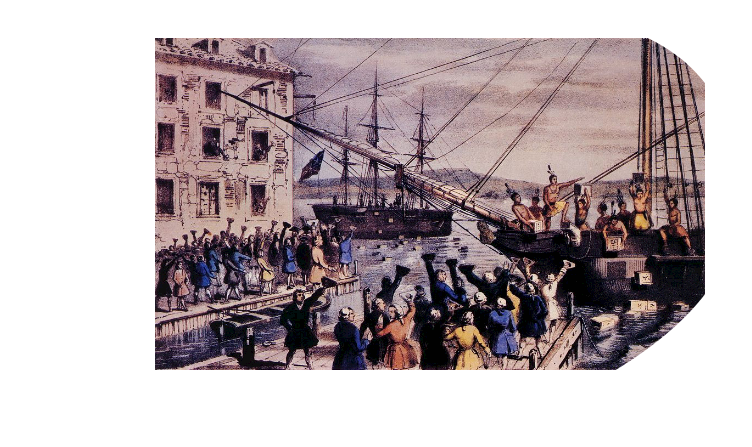
 Boston Tea Party
1770
 The dumping of 342 chests of tea into
Boston Harbor by colonist to protest
the tea act
31
32
 Intolerable Acts
1774
 A series of laws enacted my Parliament
 to punish Massachusetts colonist for the
Boston Tea Party
33

34
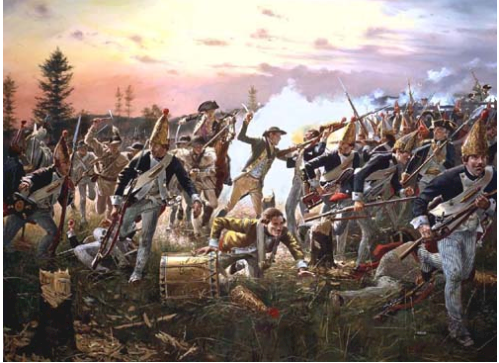
 Lexington and Concord
1775
 The first battles of the
 American Revolution!
35
36
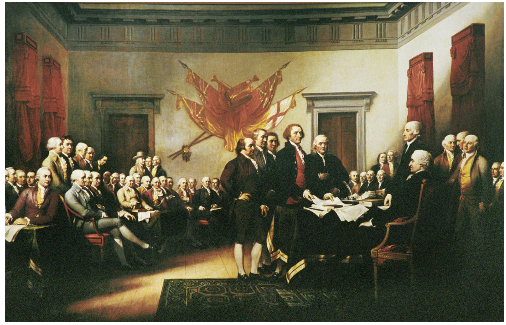
 Declaration of Independence
1776
 The document written in which the
colonies declared Independence
from Britain
37
38
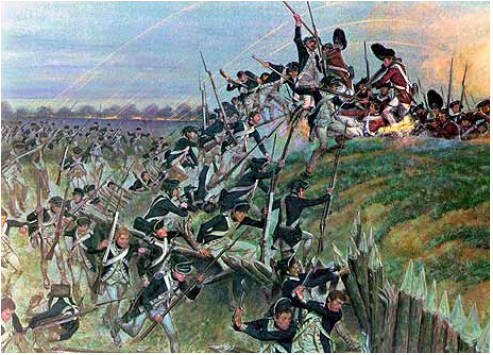
 Saratoga
1777
 This battle is the turning point of the
American Revolution. This was an victory
for the Americans. Many European
countries gave aide.
39
40
 Yorktown.
1781
 This is the last battle of the American
 Revolution and America wins
INDEPENDENCE!!!
41
42
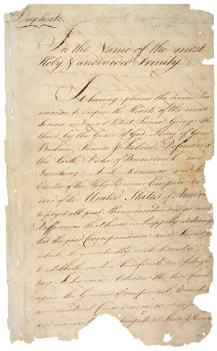
Treaty of Paris 1783 The treaty that ended the revolutionary war
confirming the independence of the United
States and setting the boundaries of the new
nation.
43

44
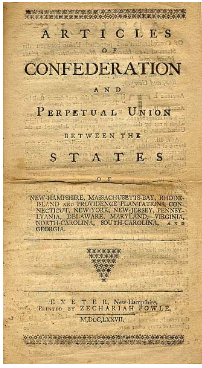
 Articles of Confederation
1777-1781
 A document, adopted by the continental
 congress in 1777 and finally approved
by the states in 1781, that outlined the
form of government of the new United
States
45
46
 7 principles of constitution
 Limited Government- the government
 has only the powers that the Constitution
to it
47
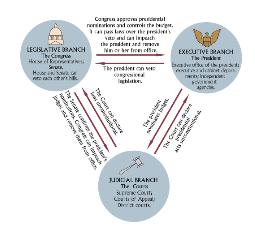
 Separation of Power-the Constitution divides the government into three branches:
Congress-legislative branch makes laws
President-executive branch carries out the laws
Courts-judicial branch explains and interprets the laws

48
 Limited Government-
the government has only the powers
that the Constitution gives to it
49
 Popular Sovereignty- the governments
 right to rule comes from the people
50
 Checks and Balances- each branch of
 government has the power to check or
limit the actions of the other two
51
 Federalism-division of power between
the federal government and the states.
52
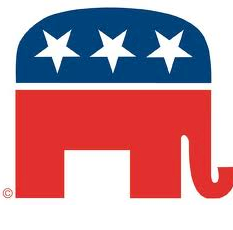
 Republicanism- citizens elect
representatives to carry out
their will
53
 Individual rights-The Constitution
protects individual rights such as freedom
of speech, freedom religion etc

54
55
56
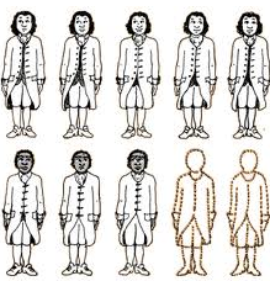
 3/5ths of slaves counted for taxation
and representation
 Three Fifths Compromise
57
58
 Great Compromise
1787
 combined new parts of the
 new jersey plan and the virginia
plan resulting in branches of
government and 2 houses
59
 Bill of Rights
 Congress shall make no law respecting an
 establishment of religion, or prohibiting the free
exercise thereof; or abridging the freedom of speech,
or of the press; or the right of the people peaceably
to assemble, and to petition the government for a
redress of grievances.amendment #1
60
You've previewed 60 of 92 pages.
To read more:
Click Sign Up (Free)Benefits:
- Full access to our public library
- Save favorite books
- Interact with authors
61

READ

- < BEGINNING
- END >
-
DOWNLOAD
-
LIKE
-
COMMENT()
-
SHARE
-
SAVE
BUY THIS BOOK (from $18.39+)
-
BUY THIS BOOK
(from $18.39+) -
BUY THIS BOOK
(from $18.39+) - DOWNLOAD
- LIKE
- COMMENT ()
- SHARE
- SAVE
- Report
Liked By
X
Encourage this author
-
BUY
-
LIKE
-
COMMENT()
-
SHARE
Problem with this book
X
- Excessive Violence
- Harassment
- Offensive Pictures
- Spelling & Grammar Errors
- Unfinished
- Other Problem
Which pages have problems?
Please describe the problem:
left text
right text
"U.S. History Timeline Project"
This text provides a chronological overview of key events and concepts in American history, from the establishment of Jamestown in 1607 to the end of the Civil War in 1865.
(93 pages)
Privacy level:
PUBLIC
5 reads
Report





COMMENTS
Click 'X' to report any negative comments. Thanks!