
This book was created and published on StoryJumper™
©2010 StoryJumper, Inc. All rights reserved.
Publish your own children's book:
www.storyjumper.com

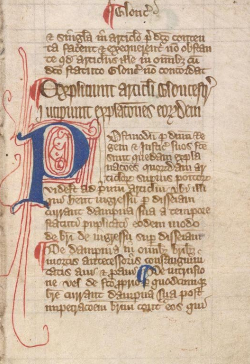

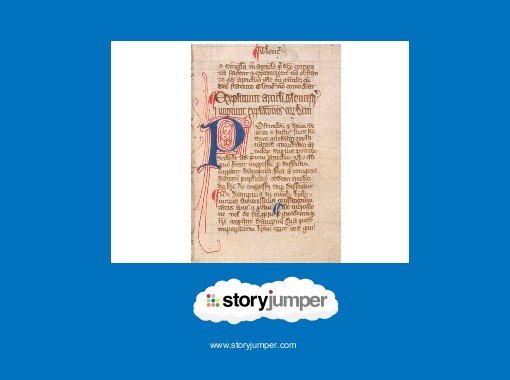
This documant gave citizens civil
rights and limited powers of the
kings
 1215
1215 Magna Carta


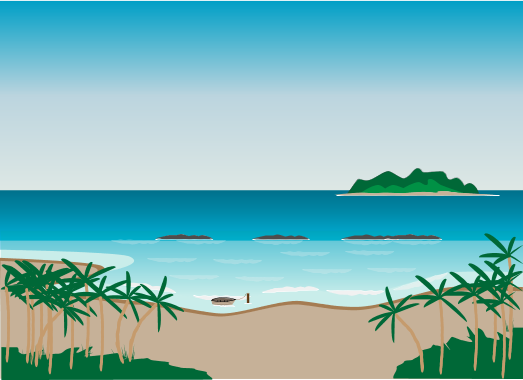
 Jamestown
This colony was the first
permanent settlement in the
colonies
 1607
1607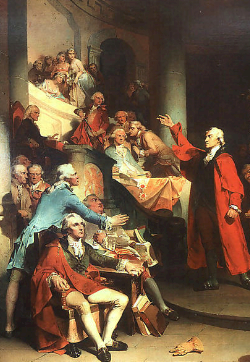
 House of Burgesses
 1619
1619This was the first
representative assembly in the
colonies
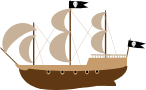




 Mayflower Compact
This document was an agreement made by the
Pilgrims. It introduced the idea of self
government
 1620
1620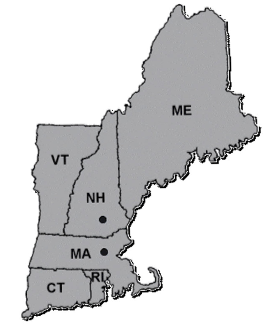
 New England Region
This region was big on industry and
trading. People didn't farm and were very
religious. A lot of people worked on the
docks
 Massachusetts, Rhode Island, Virginia, New Hampshire
 Middle Region
 New York, New Jersey, Pennsylvania, and Delaware
This region was the "melting pot" of the
colonies. It was open to all religions. They
mostly were working wit ships and on
farms. Made for religious and political
freedom






 Southern Colonies
 Virginia, Maryland, North and South Carolina, Georgia
This region was big on farming and slaving.
They weren't big on education or religion.
They barely talked to each other. They're
biggest cash crop was tobacco.
American
Revolution
Era

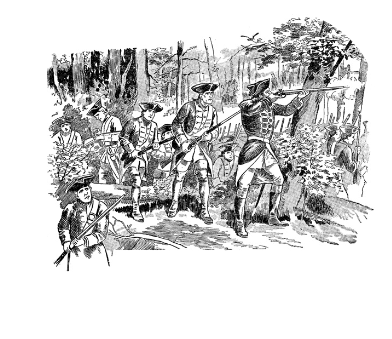
 French and
 Indian War
 1754-1763
This war was fought to find out who would
have control over the land in the colonies.
British won control

 Treaty of Paris
 1763
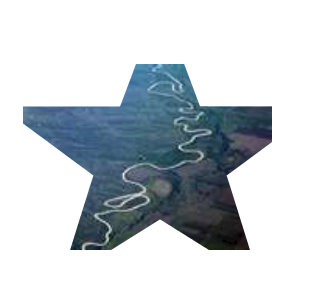
1763This document ended the French and
Indian war, Britiain gained all of North
America east of the Mississippi River.
 Proclamation of 1763
 1763
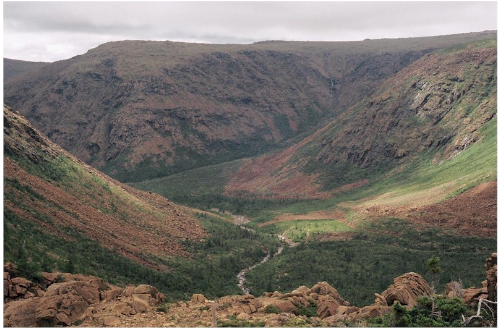
1763An order by Britain that prohibited
American colonists from settling west of
the Appalachian Mountains.

 Sugar Act1764
This law put a tax on sugar, molasses and
other products shipped to the colonies.
This act also called for harsh punishments
on smugglers

 Quartering Act1765
This act required colonists to house
soldiers and provide them with supplies.
This angered many colonists.
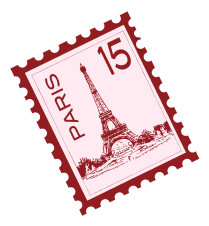
 Stamp Act1765
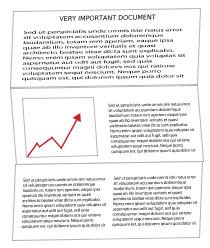
This law required all legal and
commercial documents to carry an
official stamp to show a tax had been
payed.




 Townshed Acts1767
This act suspended all New York
assembly's until they agreed to house
troops. They hoped this would anger
colonists less than the other acts
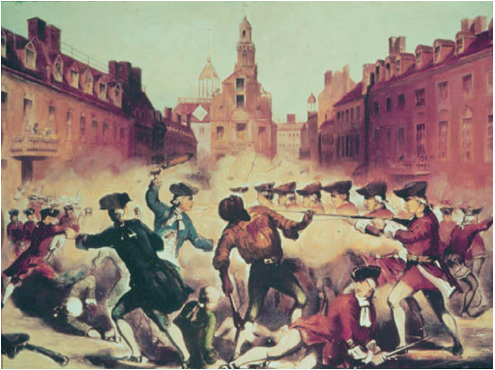
 Boston Massacre
 1770
1770Four laborers had been killed after a
fight had broke out. This outraged the
people of Boston



 Boston Tea Party1773
Protests against the Tea Act dumped
342 chests of tea into the harbor to
protest again the Tea Act. This was
organized by the Sons of Liberty.


 Intolerable Acts1774
Parliment passes a series of laws to
punish colonists and serve as a warning
to other colonies.
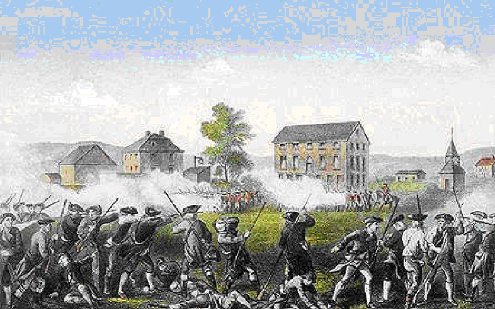
 Battle of Lexington
 and Concord
1775The first battle of the American
Revolution. British take the victory.

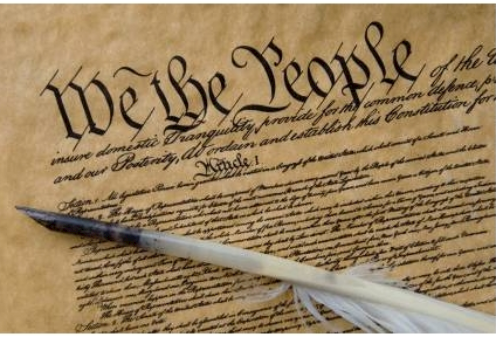 1776
1776A document to declare the colonists
freedom from Britain. After signed it
was sent to King George to ratify.
 Declaration of Independence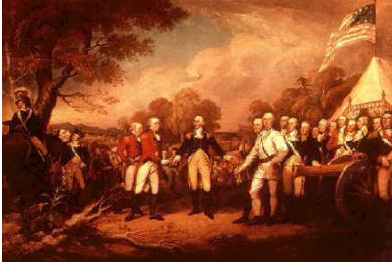
 Battle of Saratoga1777
This was the turning point of the war.
The Americans started to win.
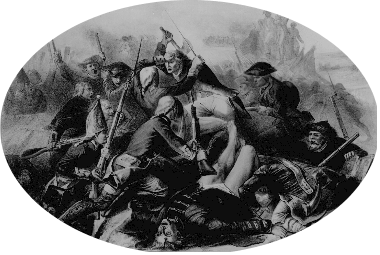
 Battle of Yorktown1781
The final battle of the revolution.
Americans take this victory and get
their independence.

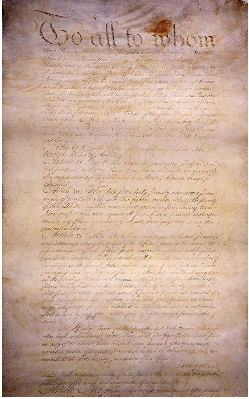
 Articles of Confederation
The first attempt at a government. This had to
be changed many times.
 1781
1781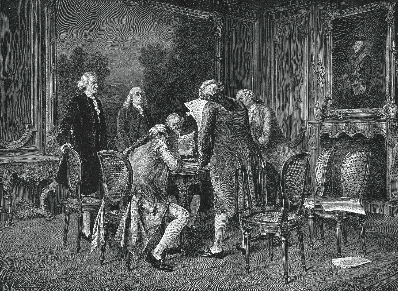
 Treaty of Paris
This officially ended the war. Both sides of the
war (british and Americans) signed it.
1783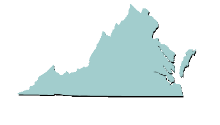

 1787
1787 Great compromise
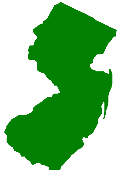
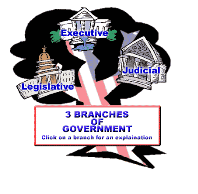
The Virginia and New Jersey Plans merge
together to create the Great Compromise,
where the are now 3 branches of government
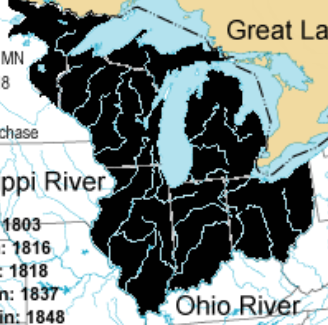 Northwest Ordinance1787
Explained how the Northwest Territory was
suppose to be governed and set settlers' rights
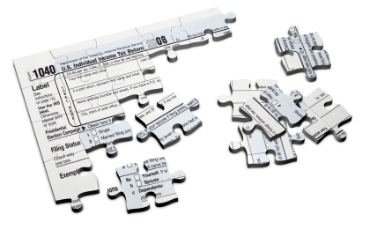
 3/5ths Compromise1787
3/5ths of the slave population would count
when setting taxes and representation on
states.
 7 Principles
Of The
Constitution
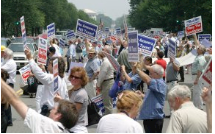
 Popular sovereignty
The political power comes from the people.
 1791
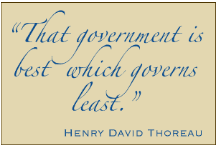
1791 Limited government
The government is limited and doesn't have all
power over the people. The government can't
make all the rules.
 1791
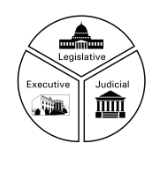
1791 Separation of Powers
Each of the 3 different branches have different
powers and cannot interfere with other
branches powers.
 1791
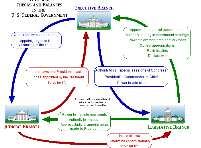
1791 Checks and Balances
Not every government is independent and on
their own. This system states that each branch
has a certain number of restraints on another
branch.
 1791
1791 Republicanism
The idea of governing our nation as an republic
instead of a monarchy.
 1791
1791 Federalism
A system where the power to govern is shared
between two governments. The state and
national governments each had different jobs
and some jobs they have are shared.
1791
You've previewed 62 of 94 pages.
To read more:
Click Sign Up (Free)- Full access to our public library
- Save favorite books
- Interact with authors

- < BEGINNING
- END >
-
DOWNLOAD
-
LIKE
-
COMMENT()
-
SHARE
-
SAVE
-
BUY THIS BOOK
(from $18.79+) -
BUY THIS BOOK
(from $18.79+) - DOWNLOAD
- LIKE
- COMMENT ()
- SHARE
- SAVE
- Report
-
BUY
-
LIKE
-
COMMENT()
-
SHARE
- Excessive Violence
- Harassment
- Offensive Pictures
- Spelling & Grammar Errors
- Unfinished
- Other Problem





COMMENTS
Click 'X' to report any negative comments. Thanks!