 COLONIZATION ERA
This book was created and published on StoryJumper™
©2010 StoryJumper, Inc. All rights reserved.
Publish your own children's book:
www.storyjumper.com

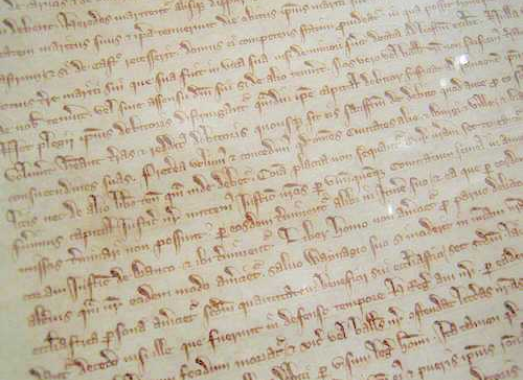
 Magna Carta

 Magna Carta
 1215
1215Signed by King John, this document gave the first
basic rights to people.
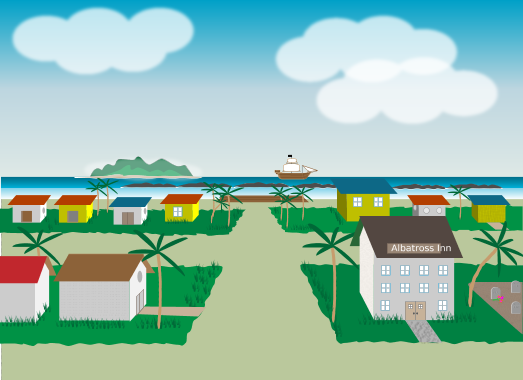

 Jamestown
 1607
1607This was the first
permanent settlement in
North America.


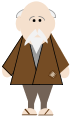
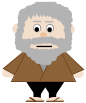



 House of Burgesses
 1619This was the first representative government
assembly in the colonies, which took place
in Jamestown, Virginia.
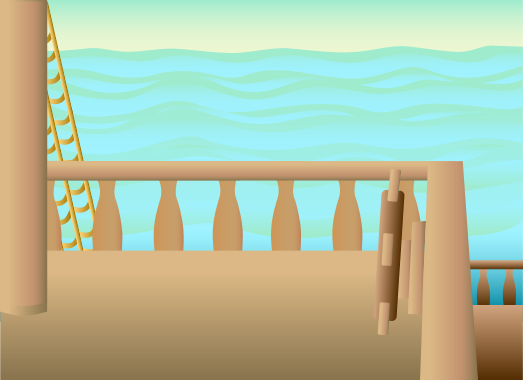





 Mayflower CompactThis document was the first that
 outlined the principles of self
government for settlers coming
to the New World.
 1620
1620
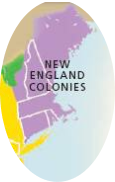




 New England Colonies
 This set of colonies consists of Massachusetts,
 New Hampshire, Rhode Island, and Connecticut.
Colonists there were very religious, and for a living, they
fished, traded, built ships, and hunted.




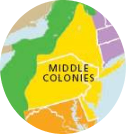


 Middle ColoniesThe colonies located in this region are New York,
 New Jersey, Pennsylvania, and Delaware. It was
the "melting pot" of the New World; they
welcomed people of all kinds.







enter text here

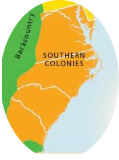
 Southern Colonies
The colonies located in this region are Virginia,
Maryland, Georgia, and North and South Carolina.
They were all mainly plantation states, and grew
tobacco, rice, and indigo for a living.
AMERICAN REVOLUTION






 French and Indian War
British fur traders moved into
French territory, which caused
fighting that mainly occurred on
the Ohio River Valley.
1754

 Treaty of Paris
1763
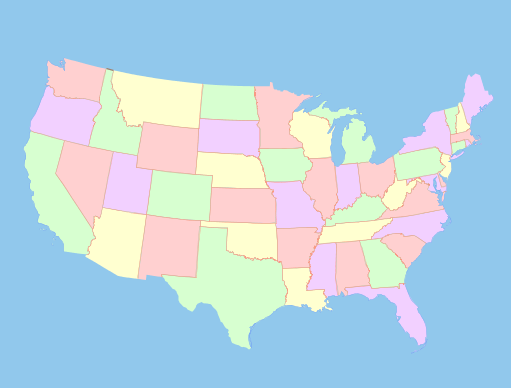
This document ended the French
and Indian War; Britain gained all
of North America east of the
Mississippi River.


 The Proclamation of
 1763
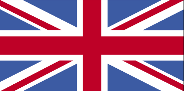
This was an order from the King, in
which Britain prohibited it's American
colonists from settling WEST of the
Appalachian Mountains.
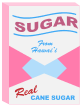
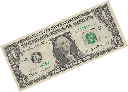
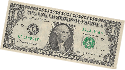
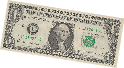

 Sugar Act1764
This was a law passed by
Parliament that placed a tax on
sugar, molasses, and other
products that were shipped to
the colonies.



 Quartering Act
 1765
1765This law required the
colonists to house and
supply British soldiers.
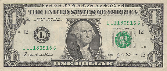
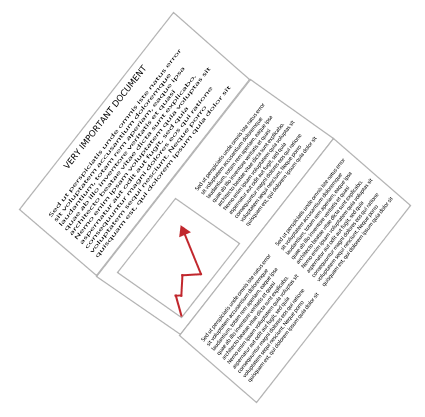
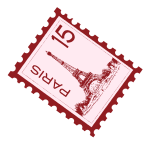
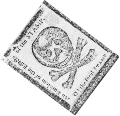
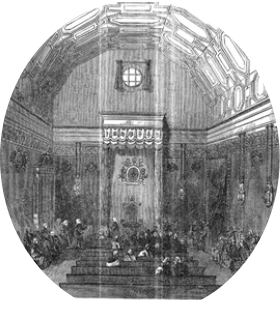
 Stamp Act
1765
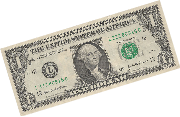
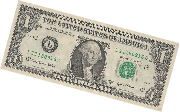
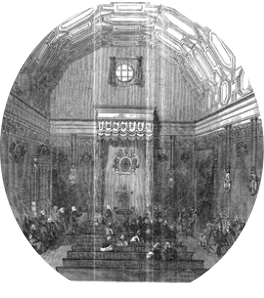
 This law required all legal and
 commercial documents to carry a
stamp showing that it has been
taxed.







 Townshend Act
 1767
1767 This was a series of laws
that suspended New York's
assembly, and established
taxes on imported goods.
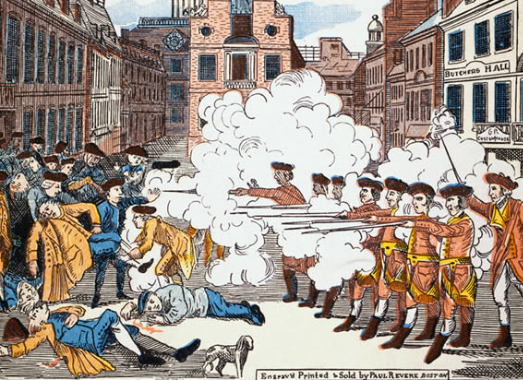

 Boston Massacre
1770
This massacre was a clash
between British soldiers and
Boston colonists, and five
colonists were killed. This started
much conflict.


 TEATEATEATEATEA

 Boston Tea Party1773This was the dumping of 342 chests
 of tea into the Boston Harbor by
colonists to protect them from the
Tea Act.



 Intolerable Act1774
This was a series of laws to
punish Massachusetts colonists
for the Boston Tea Party.
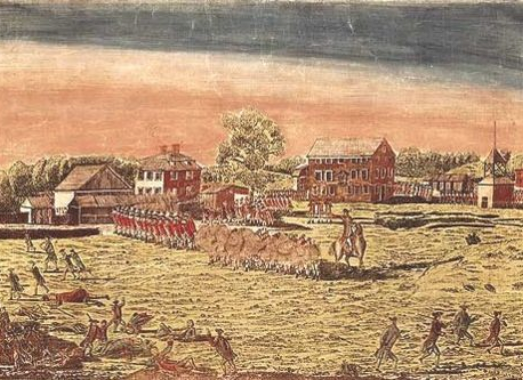
 Battle at Lexington and Concord
1775
This was the first battle of
the American Revolution
that took place in
Massachusetts.
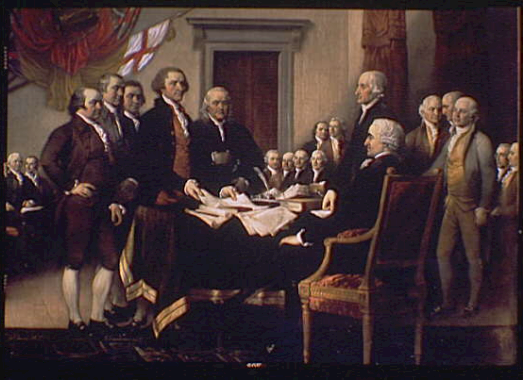
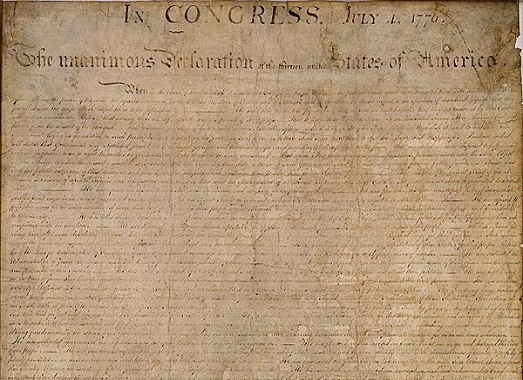
 Declaration of Independence
 1776
1776This was a document that
declared the colonists
independent from Britain.
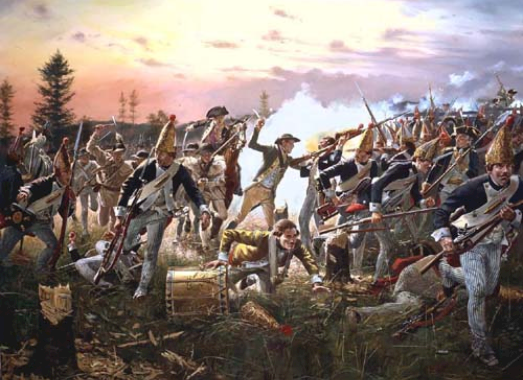
 Battle at Saratoga
1777
This was the turning point of
the Revolution; Americans
started to win.
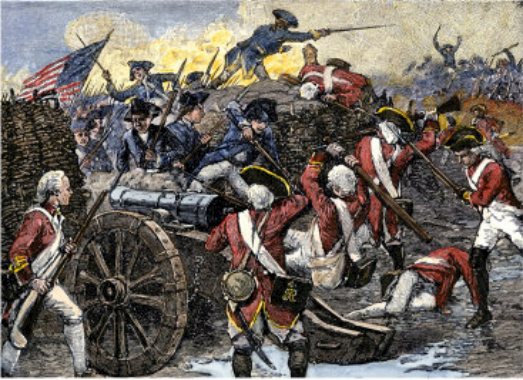
 Battle at Yorktown
This was the last war of the
Revolution; AMERICA WON!
1781
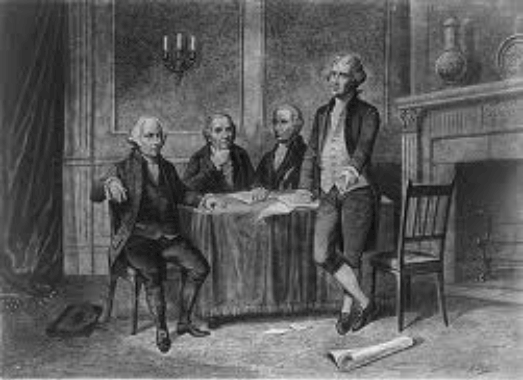
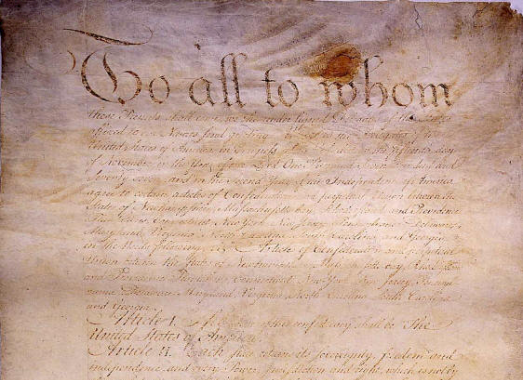
 Articles of Confederation
1781
This document outlined the
rules of government for
America.
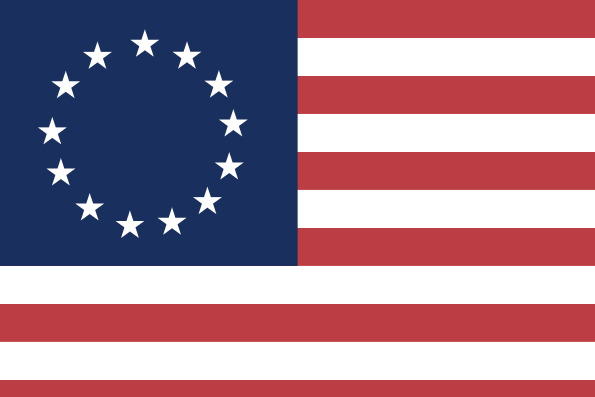
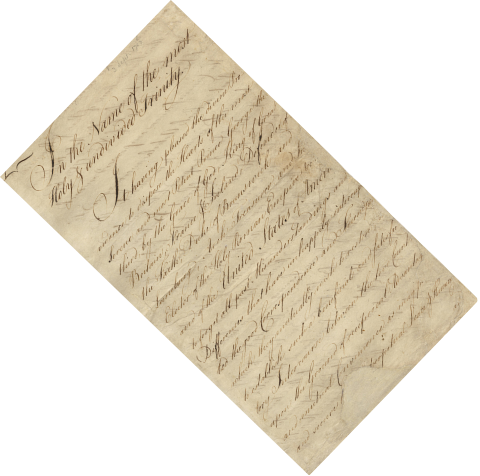
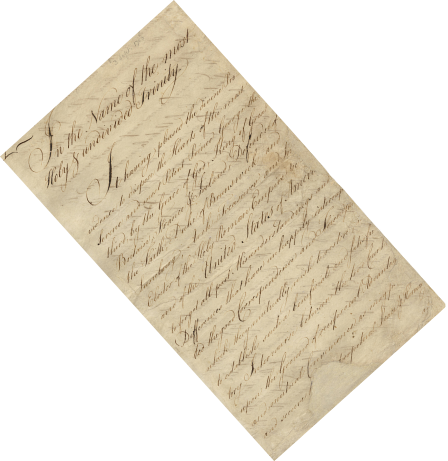
 The Treaty of Paris
1783
 This treaty ended the Revolutionary
 War, confirming independence for the
U.S.
CONSTITUTION ERA
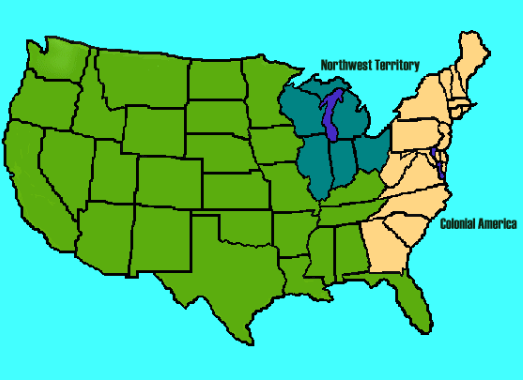

 Northwest Ordinance
1787
 The Northwest Ordinance
opened up vast western
land areas to development by
the United States, accelerating the
country's westward expansion.
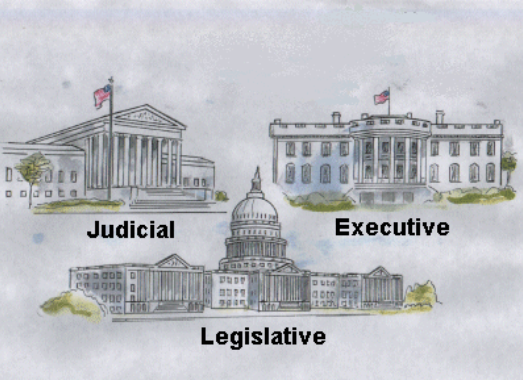

 The Great Compromise1787
This compromise combined
the Virginia Plan and the
New Jersey Plan to create
the Three Branches of
Government.
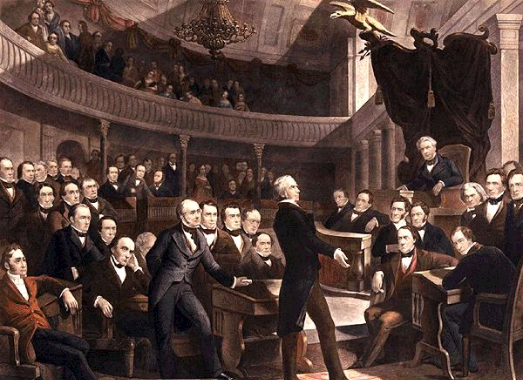
 3/5ths Compromise
This stated that 3/5ths of
the slave population is
counted for both
representation and
taxation.
1791 Popular Sovereignty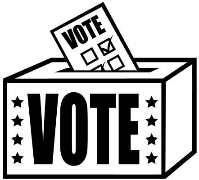
The people rule; the power
of the government comes
from the people.
 Republicanism
The government
is run by
elected
representatives.
1791
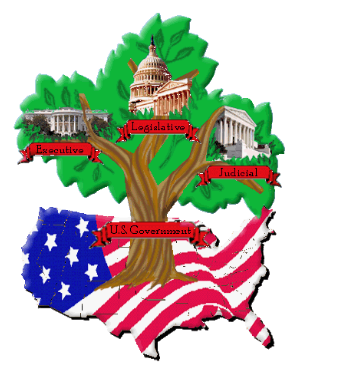
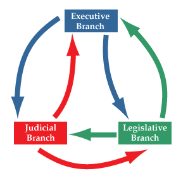
 Separation of Powers
The power of the
government is separated
into three branches:
1791

 Checks and Balances
1791
Each branch of the
national (federal)
government can limit or
control the other two
branches, to prevent any
one branch from
becoming too powerful.
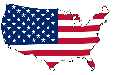
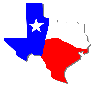
 Federalism





 1791
1791Powers of the
government
are divided
between the
national and
state
governments.
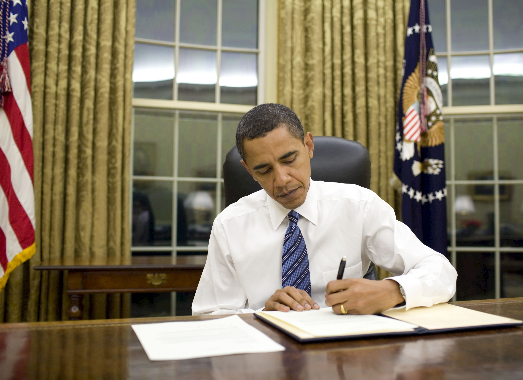 I follow the law
 Limited Government1791
The
government
is not all-
powerful;
members of
the
government
must follow
the law.

 Individual Rights
 1791
1791 People have basic
rights that the
government cannot
take away.
You've previewed 64 of 98 pages.
To read more:
Click Sign Up (Free)- Full access to our public library
- Save favorite books
- Interact with authors

- < BEGINNING
- END >
-
DOWNLOAD
-
LIKE
-
COMMENT()
-
SHARE
-
SAVE
-
BUY THIS BOOK
(from $19.59+) -
BUY THIS BOOK
(from $19.59+) - DOWNLOAD
- LIKE
- COMMENT ()
- SHARE
- SAVE
- Report
-
BUY
-
LIKE
-
COMMENT()
-
SHARE
- Excessive Violence
- Harassment
- Offensive Pictures
- Spelling & Grammar Errors
- Unfinished
- Other Problem





COMMENTS
Click 'X' to report any negative comments. Thanks!