To the brave soldiers who gave there life in the battles of ww1

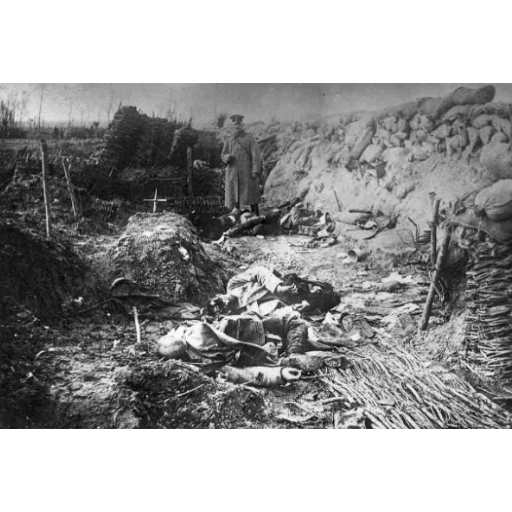
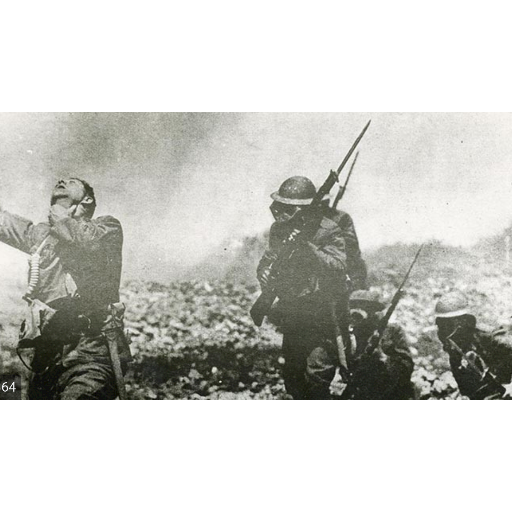
Poisonous gas was a big factor in WW1 and a very dangerous thing. Over 90,000 brave soldiers died from gas attacks.

The first attempt to deploy a chemical gas attack was at the battle of Bolimow in Jan 1915. The German led attack was unsuccessful though as unfavorable winds blew the gas back toward the Germans. Casualties were minimal, however, the cold weather prevented the xylyl bromide fluid (a form of tear gas) from evaporating fully.

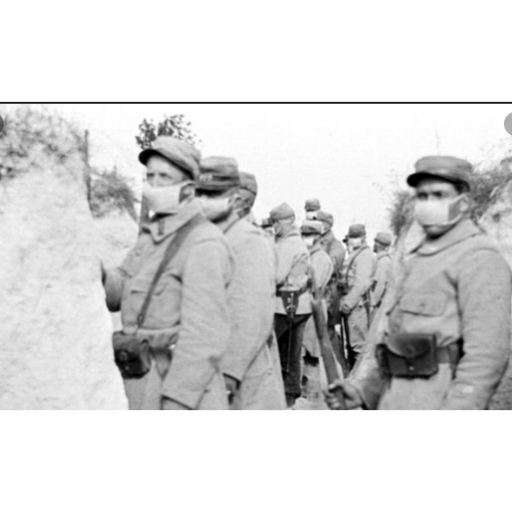
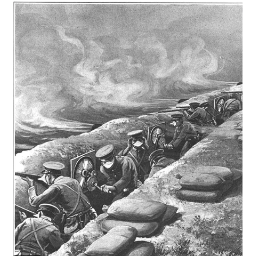
The first form of a gas mask was used when soldiers discovered that chlorine gas could be diluted by water--and also by urine. Soldiers exposed to the substance were encouraged to urinate on clothes and hold them over their mouth and nose.

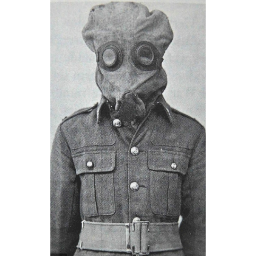
Gas masks were made after the first successful deadly gas attack by the Germans near Ypres in Belgium in April 1915.

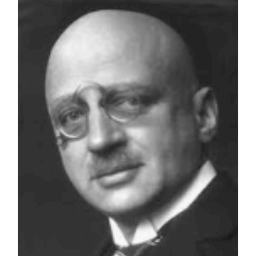
Fritz Harber was the German scientist who came up with the idea of using chlorine gas as a chemical war weapon.

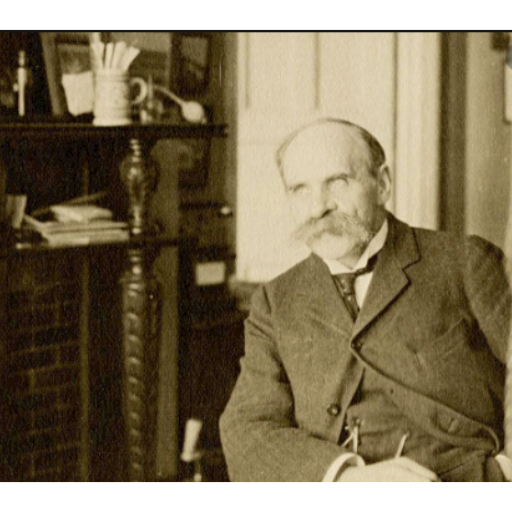
John Haydene was the creator of the first gas mask. He later helped make the box respirator, the direct ancestor of the modern gas mask.

As trench warfare became the dominant means of combat during the first World War, toxic gases that could seep into enemy encampments and inflict deadly, morale-crippling damage emerged.

Gas was climate dependent: In the wrong climate gases would disperse quickly, which reduced their chances of inflicting significant casualties on the enemy.

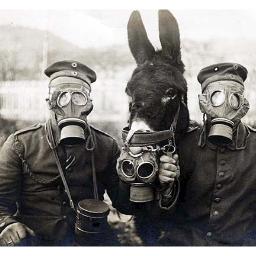
As the battle went on many animals like horse, mules, and dogs were being killed by the gas attacks. So scientists came up with gas masks for animals.

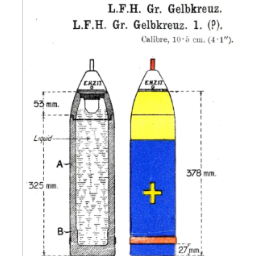
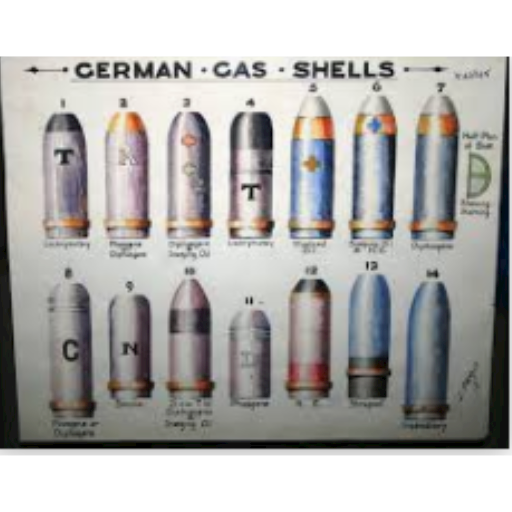
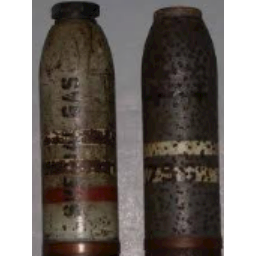
Gas was normally launched as a liquid: The Gas used in shells during WWI was stored in liquid form rather than as a gas. It only became a gas when the fluid dispersed from the shell and evaporated. This is why the effectiveness of gas attacks was so weather dependent.

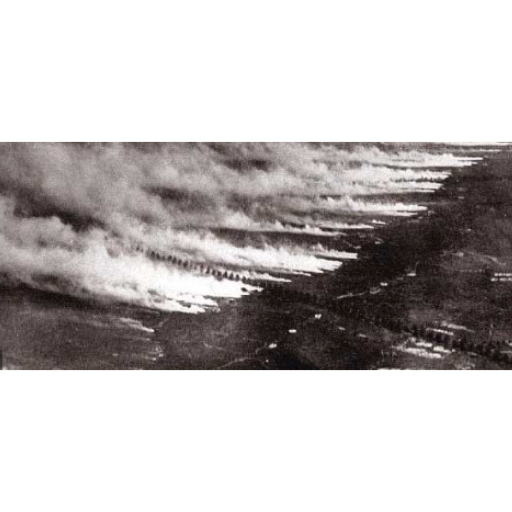
Sometimes gas was released in vapor form from canisters on the ground but this increased the chances of the gas blowing back at the army using it therefore making the liquid based shells the more popular system for deployment.

Poison gas was initially released from cylinders, but this required ideal weather conditions and could be very risky. In the first British gas attack, at Loos in September 1915, much of the gas was blown back into the faces of the British troops. From 1916, gas was employed in shells instead, which allowed attacks from a much greater range.

- Full access to our public library
- Save favorite books
- Interact with authors

- < BEGINNING
- END >
-
DOWNLOAD
-
LIKE(1)
-
COMMENT()
-
SHARE
-
SAVE
-
BUY THIS BOOK
(from $4.19+) -
BUY THIS BOOK
(from $4.19+) - DOWNLOAD
- LIKE (1)
- COMMENT ()
- SHARE
- SAVE
- Report
-
BUY
-
LIKE(1)
-
COMMENT()
-
SHARE
- Excessive Violence
- Harassment
- Offensive Pictures
- Spelling & Grammar Errors
- Unfinished
- Other Problem

COMMENTS
Click 'X' to report any negative comments. Thanks!