
This book was created and published on StoryJumper™
©2010 StoryJumper, Inc. All rights reserved.
Publish your own children's book:
www.storyjumper.com



 Colonization Era
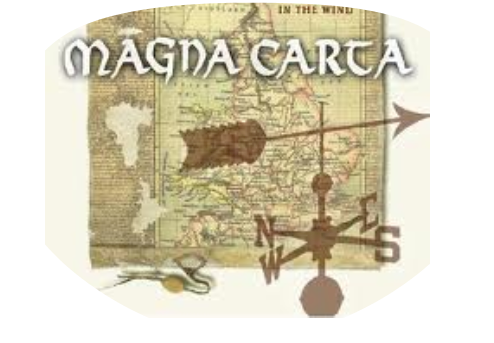
 Magna Carta- 1215
This document limited the power of
the king, and also gave basic civil
rights to citizens.



 Jamestown
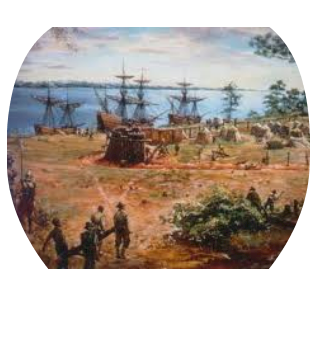
 Jamestown- 1607
 The first permanent
settlement in North
America.
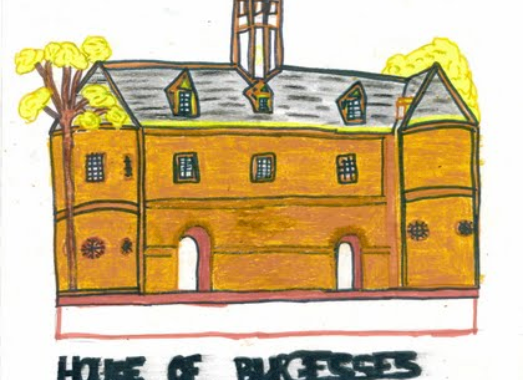
 House of Burgesses-1619
The House of Burgess's was
created in 1619, and was the
first representative assembly in
the American colonies.

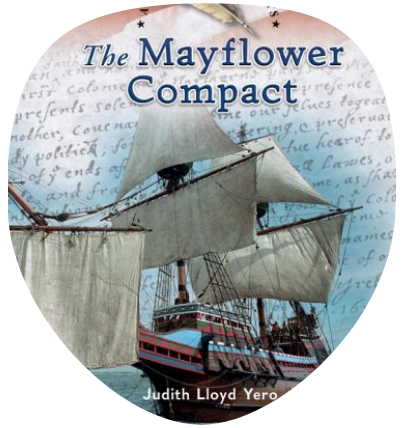
 The Mayflower Compact-1620
The Mayflower compact was an
agreement established by the
men who sailed to America,
which called for the laws for
the good of the colony and set
forth the idea of self
government.

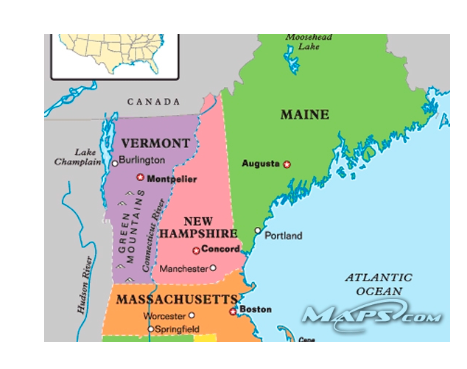
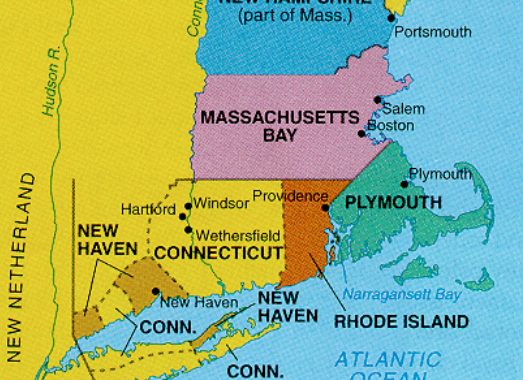
 The New England Colonies
The New England colonies
included these following
colonies: Massachusetts, new
Hampshire, Rhode Island, and
Connecticut


 The Middle Colonies
The middle colonies included
the following colonies: New
York, New Jersey,
Pennsylvania, and Delaware.
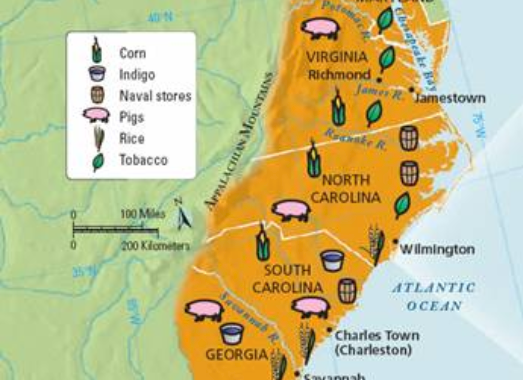
 The Southern Colonies
The Southern Colonies include
these following colonies:
Virginia, Maryland, North
Carolina, South Carolina, and
Georgia.
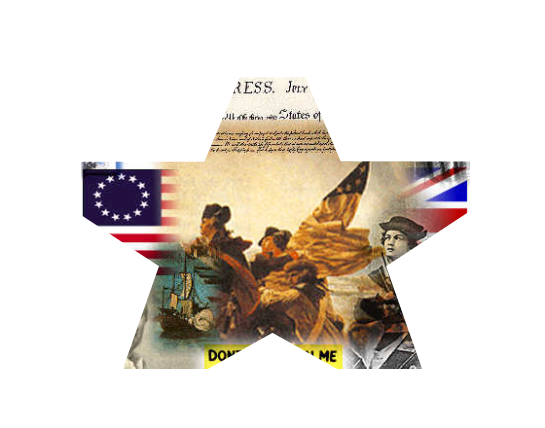
 American Revolution Era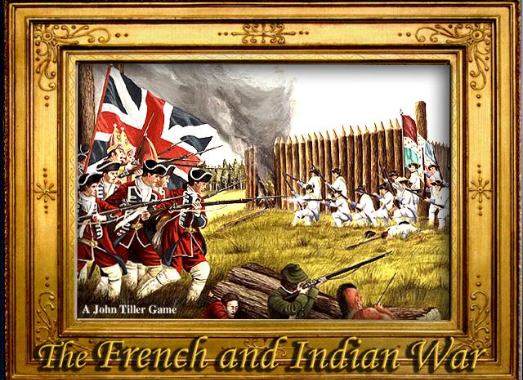
 The French & Indian War-1754
The British & the French fought
for control of the land west of
the Appalachain Mountains.
 Treaty of Paris- 1763
Treaty that ended the French
and Indian War, and granted
the British all of the territory
east of The Missouri River.
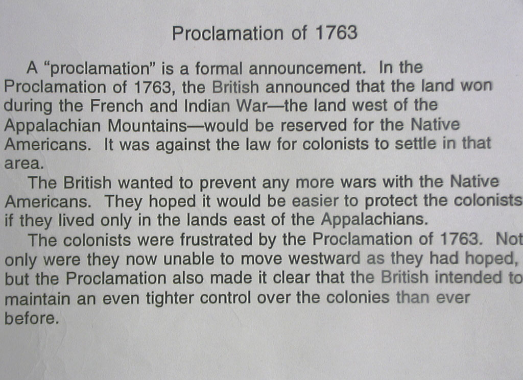
 Proclamation of 1763
Proclamation that forbade the
colonists to travel west of the
Appalachain Mountains.
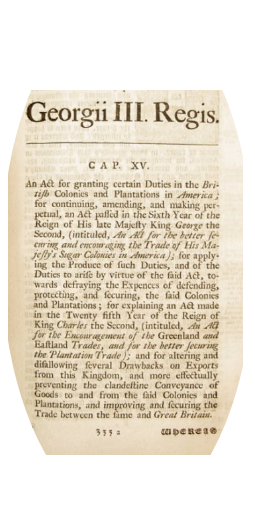

 Sugar Acts- 1764
Placed a tax on sugar,
molasses, and other products
shipped to the colonists.

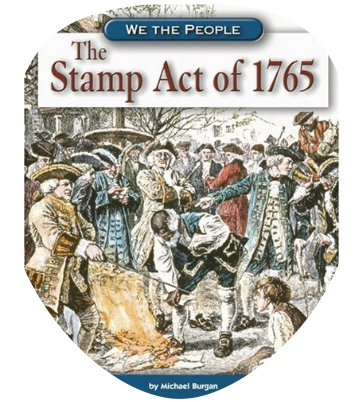
 Stamp Acts-1765
Law that required all loyal and
commercial documents to carry
a stamp showing that a tax
had been paid.

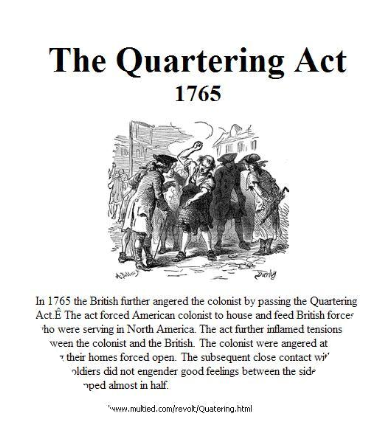
 Quartering Acts-1765
Cost-saving measure that
required the colonists to house
British soldiers and provide
them with supplies.
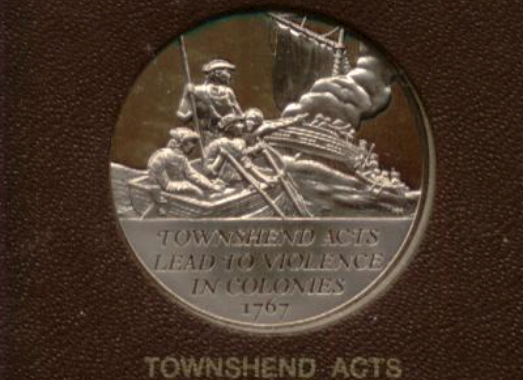
 Townshend Acts-1767
Placed more taxes, and
suspended New York's
assembly until New Yorkers
agreed to provide housing for
troops.
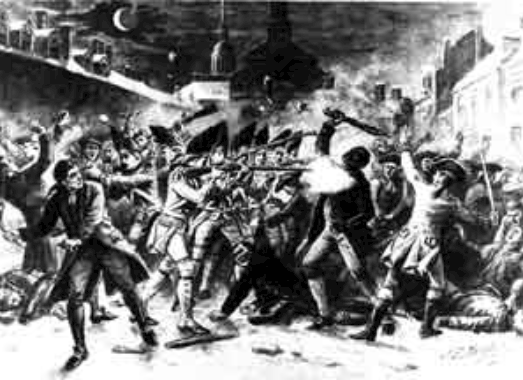
 Boston Massacre-1768
A fight between British soldiers
and colonist in Boston, in which
five colonist were killed.
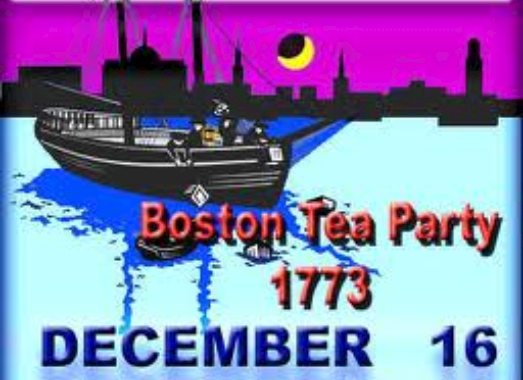

 Boston Tea Party-1773
Colonists dumped 342 chests
of tea into boston harbor, to
protest the Tea Act.
 Intolerable Acts-1774
A series of laws passed by
parliament, that made the
colonist pay for the damages of
the Boston Tea Party.
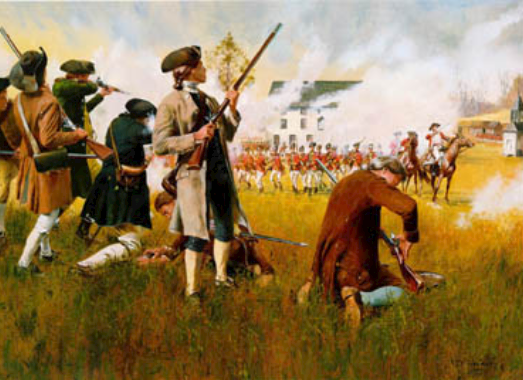
 Lexington and Concord-1775
This battle was fought between
the British and Americans,
mainly for weapons;
ammunition; and to split the
colonies in two, but mainly,
this battle ignited the
Revolutionary War.


 Declaration of Independence-1776
The Declaration of
Independence explains the
reasons of self- government
against British rules,
reservation to conduct trade,
foreign alliances and necessary
rights to raise war.
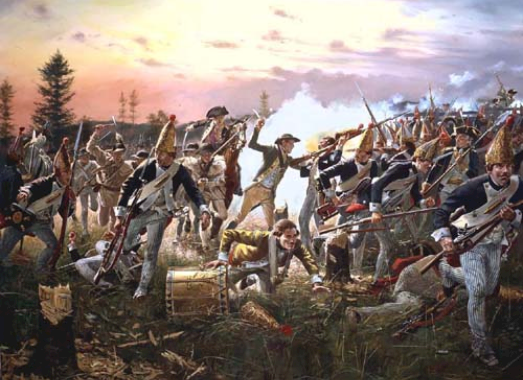
 Battle of Saratoga-1777
This battle was the turning
point of the Revolutionary War,
this was where the Americans
started to win.
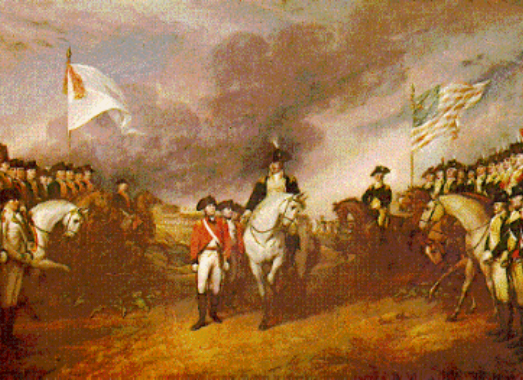
 The Battle of Yorktown
This Battle ended the
revolutionary war, the french
helped Americans by
blockading British ships, and
helped America win
Independence.
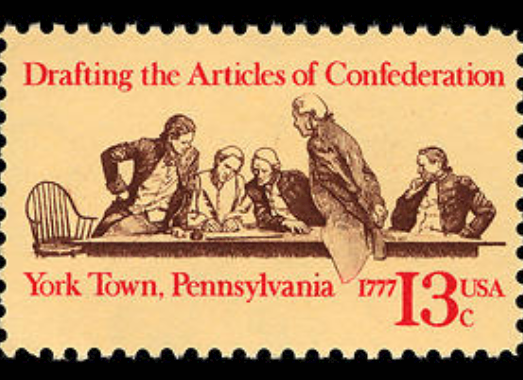
 The Articles
of Confederation-1781
This document, adopted by the
Continental congress in 1781,
outlined the rules of the
government for the new United
States.
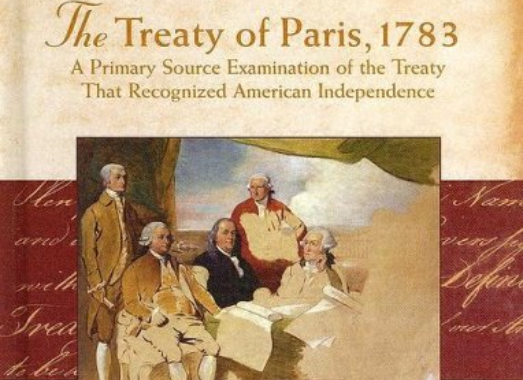
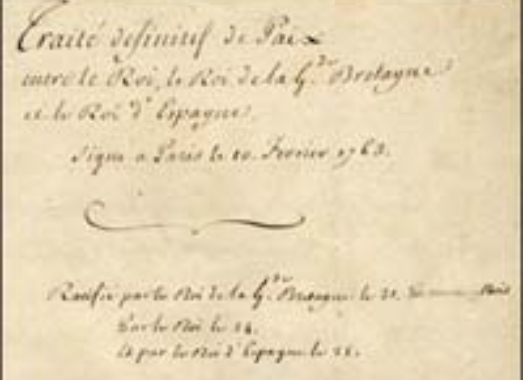
 Treaty of Paris-1783
The Treaty of Paris 1783
formally ended the American
Revolution between the British
and Americans.
 Constitution Era
The Northwest Ordinance (formally An
Ordinance for the Government of the
Territory of the United States, North-West
of the River Ohio, and also known as the
Freedom Ordinance) was an act of the
Congress of the Confederation of the
United States. The primary effect of the
ordinance was the creation of the
Northwest Territory as the first organized
territory of the United States out of the
region south of the Great Lakes
 The Northwest Ordinance- 1787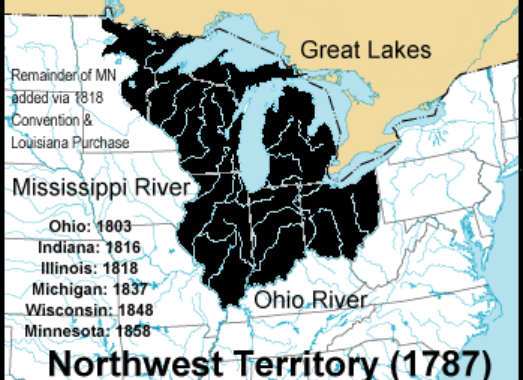

 The Great Compromise
-1787
A compromise between the Virginia and
New Jersey Plan, in which they decided
to separate the branches into 3
branches, legislative, executive, and
judicial.
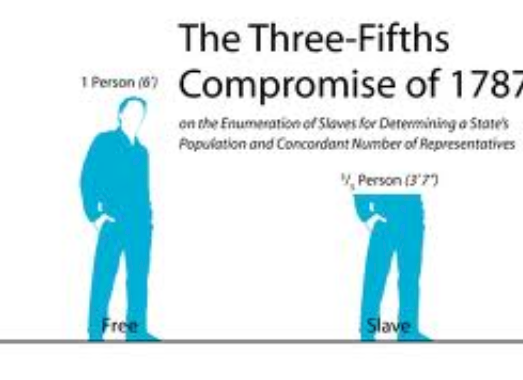
The Three-Fifths compromise was a
compromise between Southern and Northern
states reached during the Philadelphia
Convention of 1787 in which three-fifths of the
population of slaves would be counted for
enumeration purposes regarding both the
distribution of taxes and the apportionment of
the members of the United States House of
Representatives.
 The 3/5th's Compromise-178
You've previewed 59 of 90 pages.
To read more:
Click Sign Up (Free)- Full access to our public library
- Save favorite books
- Interact with authors

- < BEGINNING
- END >
-
DOWNLOAD
-
LIKE
-
COMMENT()
-
SHARE
-
SAVE
-
BUY THIS BOOK
(from $17.99+) -
BUY THIS BOOK
(from $17.99+) - DOWNLOAD
- LIKE
- COMMENT ()
- SHARE
- SAVE
- Report
-
BUY
-
LIKE
-
COMMENT()
-
SHARE
- Excessive Violence
- Harassment
- Offensive Pictures
- Spelling & Grammar Errors
- Unfinished
- Other Problem





COMMENTS
Click 'X' to report any negative comments. Thanks!