



Our collaborative ebook on
Land/soil poluttion

Me
Ekaterine Naroushvili
Land Pollution


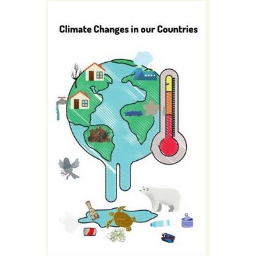
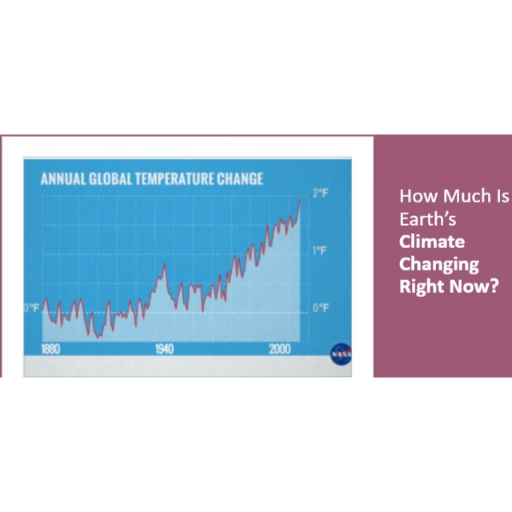
There are lots of factors that contribute to Earth’s climate. However, scientists agree that Earth has been getting warmer in the past 50 to 100 years due to human activities.

Foods:
What Causes Climate Change?

???
What is soil?
-Soil is the loose upper layer of the Earth's surface where plants grow. Soil consists of a mix of organic material
(decayed plants and animals) and broken bits of rocks and minerals.
How is soil formed?
Living organisms - This includes organisms such as plants, fungi, animals, and bacteria.
Topography - This is the relief or slope of the surface of land where the soil is forming.
Climate - The overall climate and weather where the soil is forming.
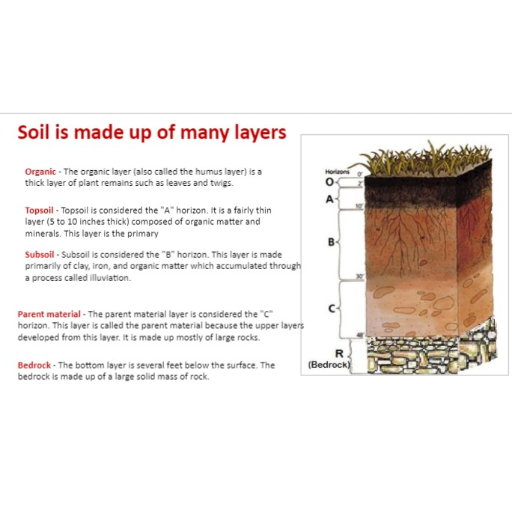
Parent material - The parent material is the minerals and rocks that are slowly disintegrating to form the soil.

!
Why is soil important?
Plants - Many plants need soil to grow. Plants use soil not only for nutrients, but also as a way to anchor themselves into the ground using their roots.
Atmosphere - Soil impacts our atmosphere releasing gasses such as carbon dioxide into the air. Living organisms - Many animals, fungi, and bacteria rely on soil as a place to live.
Nutrient cycles - Soil plays an important role in cycling nutrients including the carbon and nitrogen cycles.
Water - The soil helps to filter and clean our water.
???
Science The process by which minerals move down through soil is called leaching.
In a teaspoon of good soil there will typically be several hundred million bacteria. The average acre of good cropland will be home to over 1 million earthworms. Soil is mostly made of the elements oxygen, silicon, aluminum, iron, and carbon. It is possible to over-farm soil and remove so much of its nutrients and organic matter that plants will no longer be able to grow in it.
Interesting Facts about Soil
???
???


Methods of Controlling Soil Pollution
Preventing soil erosion by planting new vegetation in areas prone to erosion.
Household chemical disposal through designated waste centers.
The proper use of chemical killers or the use of non-toxic killers.


Eat sustainable foodstuffs, properly recycle batteries, produce homemade compost and dispose of drugs in the places authorised for this purpose. Encourage a more eco-friendly model for industry, farming and stock breeding, among other economic activities.
Improve urban planning and transport planning and waste water treatment. Improve the management of mining waste, restore the landscape and conserve topsoil.
Involve local communities and indigenous peoples in the design, implementation and assessment of sustainable land and soil management.
What can we do ?
- Full access to our public library
- Save favorite books
- Interact with authors

- < BEGINNING
- END >
-
DOWNLOAD
-
LIKE(1)
-
COMMENT()
-
SHARE
-
SAVE
-
BUY THIS BOOK
(from $3.59+) -
BUY THIS BOOK
(from $3.59+) - DOWNLOAD
- LIKE (1)
- COMMENT ()
- SHARE
- SAVE
- REMIX
- Report
-
BUY
-
LIKE(1)
-
COMMENT()
-
SHARE
- Excessive Violence
- Harassment
- Offensive Pictures
- Spelling & Grammar Errors
- Unfinished
- Other Problem

COMMENTS
Click 'X' to report any negative comments. Thanks!