Environmental Dictionary
Green Alliance Project
eTwinning / Erasmus +
2018 - 2020
Code 2018-1-PL0-KA229-051018_4

This book was structured, designed and completed by IES Costa del Sol as a Collaborative Product from all partner Schools. It is a compilation of 60 terms recollected from the specific regional flora, environmental issues, and concerns of the five participating countries.
Coordinators: Daphne Prados & Karen Quill.
General Layout: Basilio Pozo.
Text Editors: Rosa Luz Rivas (supervisor) & the English Department.



PARTICIPATING SCHOOLS
“Colegiul Agricol și de Industrie Alimentară „Vasile Adamachi”, Iași, Romania
IES Cerro del Viento, Benalmádena, Spain
IIS Della Corte-Vanvitelli-Cava de' Tirreni, Italy
Nazilli Anatolian High School, Turkey
Zespol Szkolno-Przedszkolny w Debem, Poland
IES Costa del Sol, Torremolinos, Spain




Index.
1. Environmental terms...........7
2. Bibliography........................32
3. Acknowledgements............35
4. Participants..........................36
The environmental dictionary is a tool that serves as a reference for all kinds of students. It is useful both for those with some basic ideas and for those with more extensive knowledge. In addition to all of that, its extension is adequate and allows the readers to ask themselves new questions and seek answers to them.
1. Environmental terms.
Acid Rain
Acid rains are precipitations that have a pH lower than 5.6, and therefore have a pronounced acid character. The main cause is the industrial burning of coal and other fossil fuels, the waste gases from which contain sulphur and nitrogen oxides which combine with atmospheric water to form acids. It has been shown to have adverse impacts on forests, freshwaters and soils, as well as having impacts on human health.
Agricultural Pollution
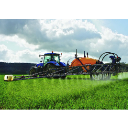
Most contamination of the fields comes from farming wastes, including runoff and leaching of pesticides and fertilizers. In addition, erosion and dust from plowing, the improper disposal of animals and carcasses and the uncontrolled dumping of crop residues and debris contribute to the deterioration of the natural landscape. A possible solution to reduce the negative impact is the use of ecological products but they are still too expensive.
Anthropization
This term refers to the set of transformation, alteration and interventions that humans make in an area in order to adapt it to their own interests and needs. Therefore, it implies the conversion of open spaces, landscapes and natural environments.
Arsenic
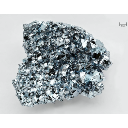
Arsenic is a poisonous chemical element that is represented by the symbol “As” in the periodic table and its atomic number is 33. It is a silvery, fragile, toxic metal which is naturally present in combination with other metals, and in the form of sulphide, it is used as hardener in copper alloys and in the manufacture of special mirrors.
Artemisia Granatensis
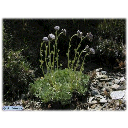
Artemisia Granatensis Boiss is a paradigmatic species for plant conservation in Spain and Europe. It is a critically endangered (CR) endemic species growing above 2500 m in Sierra Nevada (southern Spain). Natural populations have been considerably devastated in the past due to intensive human exploitation for folk medicine.
Asbestos
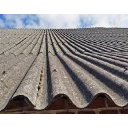
This variety of fiber silicate has been used in a wide range of manufactured goods, mostly in building materials (roofing, tiles, paper and cement), friction products (automobiles) and heat-resistant fabrics, packaging, gaskets and coatings. Its use as an insulator is now prohibited due to its carcinogenic properties.
Benzene
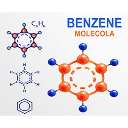
Aromatic hydrocarbon, colourless, volatile, flammable liquid with a pleasant, toxic and carcinogenic odour. It is obtained from the cracking and reforming processes of oil and is widely used as a solvent in fuel mixtures, in many chemical syntheses and in the preparation of dyes and plastic materials.
Biodegradable
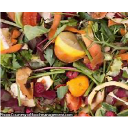
Something that is biodegradable is able to decay naturally and harmlessly without any special scientific treatment and therefore, can be discarded without polluting. Biodegradable packaging helps to limit the amount of harmful chemicals released into the atmosphere.
Biodiversity
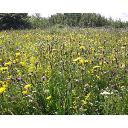
Biodiversity is usually explored at three levels; genetic, species and ecosystem diversity. Genetic diversity is the variety of genes within a species. Species diversity is the variety of species within a habitat or a region. Some habitats, such as rainforests and coral reefs, have many species. Others, such as salt flats or a polluted stream, have fewer. Ecosystem diversity is the variety of ecosystems in a given place. An ecosystem is a community of organisms and their physical environment interacting together.
Biogas
Biogas is a mixture of various types of gas, mainly composed of methane, produced by bacterial fermentation in anaerobiosis of organic residues from vegetable or animal waste. The whole process sees the decomposition of the organic material by some types of bacteria, producing carbon dioxide, hydrogen and methane. Biogas is a renewable energy source.
Carbon Dioxide
This odourless, colourless and poisonous gas is formed by the combustion of fossil fuels such as gasoline and is emitted primarily from cars, trucks and many factories around the world. Carbon dioxide is present in smog clouds and they can be easily seen above many crowded cities, as part of their skylines. This accumulation deteriorates the air quality. For this reason, most of the countries are trying to control this type of gas emissions in order to reduce the hazard on people’s health.
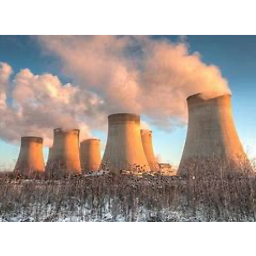
Coastal Destruction
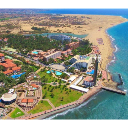
It consists of the building of docks, urbanizations and artificial beaches along the coast destroying the natural landscape and ecosystems. Unfortunately, there are many examples of coastal destruction in the province of Malaga.
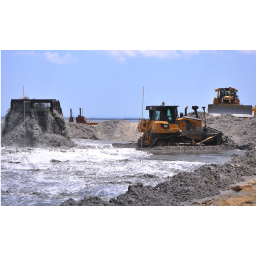
Deforestation
Consists in the total removal of the woody vegetation from a certain area, without being followed by its regeneration, including its roots and shrubs, with the change of use and destination of the land. The removal of trees has resulted in habitat damage, biodiversity loss, and aridity, causing extinction, changes in climatic conditions, desertification, and displacement of populations.
Desertification
It means the degradation of fertile soil in dry lands (places without so much water) that involves a loss in biological productivity caused by nature or human activities. In Spain, at least a fifth part of the territory is turning into deserts.
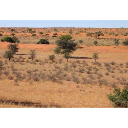
Drought
This term is used to define a long period of low rainfall. The lack of water can have important consequences for the environment, agriculture, economy and health. The amount of water consumed in Malaga increases in summer partly due to the massive tourism influx and the fair in August.
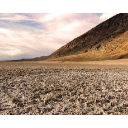
Earthquake
Is a shaking of the ground caused by movement of the Earth's crust. Seismic waves are produced when some form of energy stored in the crust is suddenly released as a result of the fracture of masses of rock straining against one another. They often occur along geologic faults. The Mediterranean basin is the area where both Eurasian and African plates converge. As a result, this is an unstable seismic and volcanic area. Countries such as Turkey, Italy, Romania and Spain belong to the Alpide Belt.
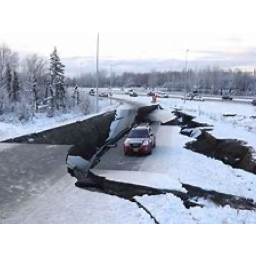
Ecological Balance
Is a term used to describe the equilibrium between living organisms such as human beings, plants and animals as well as their environment. It's a theory that proposes that ecological systems are usually in a stable equilibrium or homeostasis, which is to say that a small change will be corrected by some negative feedback that will bring the parameter back to its original "point of balance" with the rest of the system. World Wide Fund for Nature (WWF) is 'critical' to ensure a sustainable ecological footprint in Turkey.

Environment
The natural environment encompasses all living and nonliving things occurring naturally, meaning in this case not artificial. The term is most often applied to the Earth. This environment encompasses the interaction of all living species, climate, weather and natural resources that affect human survival and economic activity.
Environmental Association
It is an official group of people who have joined together for the purpose of protecting the environment.
The associations existing in the countries collaborating on the production of this dictionary are:
-IAERE, Italian Association of Environmental and Resources Economists.
-Friends of the Earth Poland / Polski Klub Ekologiczny.
-REC Networks: REC Romania – Regional Environmental Center. -Greenpeace Spain.
-TEMA: The Turkish foundation for combating erosion reforestation and the protection of natural habitats.
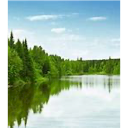
Excessive use of Fertilizers
In Romania, intensive agriculture has the effect of water and soil pollution, but the main cause is the excessive use of fertilizers, pesticides or irrigation water. Excessive nitrogen accumulation in the environment can cause a number of problems, such as dead areas in water, acid rain, smog, climate change or depletion of the ozone layer.
Extinction of Animal Species
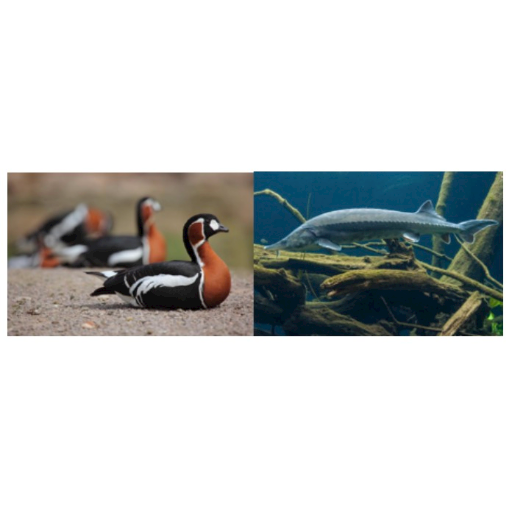
Endangered species are any species of animals, plants, fungi, which are in danger of disappearing from the earth. Romania is the ideal habitat for many species of animals due to the diversity of ecosystems and extensive forests, but illegal hunting and deforestation continue to cause havoc among wild animals. Examples of endangered species in Romania are the red breasted goose and beluga.
Floods
Flooding is a natural hazard which means temporary water cover of land that is not normally covered with water. The cause is the overflow of rivers or lakes. Flooding can occur mainly during floods, due to torrential rains or sudden melting of snow.
Fumes
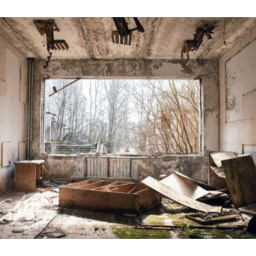
Fumes are the unpleasant and often unhealthy smoke and gases that are produced by fires or by things such as chemicals, fuel or cooking. These noxious gases can cause serious breathing problems in case of overexposure. Indeed, toxic fumes have become a significant concern for many neighbouring European countries to the Chernobyl disaster site (Ukraine).
Geothermal Energy
Thermal energy is another form in which internal energy is manifested in a system, in a state of thermodynamic equilibrium by virtue of its temperature. The geothermal capacity of Turkey is very high. Despite its benefit, it has harmful effects on agriculture.
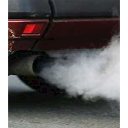
Global Warming
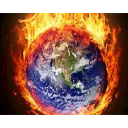
Is the gradual rise in the earth's temperature caused by high levels of carbon dioxide and other gases in the atmosphere. An increase in the earth’s atmospheric and oceanic temperatures are widely predicted to occur due to an increase in the greenhouse effect resulting especially from pollutiion.
Green Business
A green business is one functioning in a capacity where no negative impact is made on the local or global environment, its community or economy. There are several green business companies in Turkey.
Greenhouse Effect
The greenhouse effect is a problem caused by increased quantities of gases such as carbon dioxide in the air. These gases trap the heat from the sun and cause a gradual rise in the temperature of the Earth's atmosphere.
Hairy Caterpillar Invasion
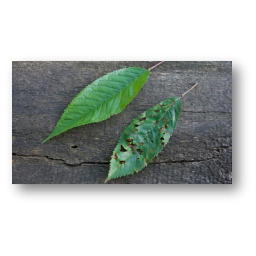
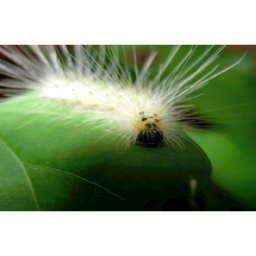
Is a common pest present in Romania since 1949 when it was reported, although its presence in Europe has been reported since 1940. Hairy caterpillar feeds on a large number of plant leaves, attacking mulberry fruit trees, vines and lately it also attacks sunflower and maize.
Invasive Species
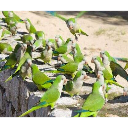
They are species that are not native to a specific location and are spread causing damage to the environment or humans. In Spain, invasive species such as quaker parrots, weevil beetles or zebra mussels have become a threat to the native Mediterranean ecosystem.
Landslides
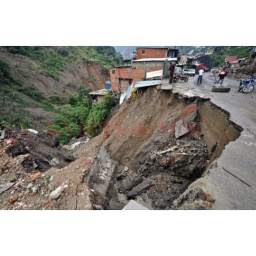
They represent displacements of the rocks that form the slopes of mountains, hills, hydro-amelioration works or other man-made ramps. Rock movements can occur along the slope or laterally, as a result of natural phenomena or even as a result of human activities.
Light Pollution
Light pollution could be classified as excessive and harmful use of energy sources. It generally disrupt ecosystems, raise the nearby inhabitants’ stress levels and sometimes can even cause death. In Turkey, mainly big cities have been suffering from this kind of pollution.
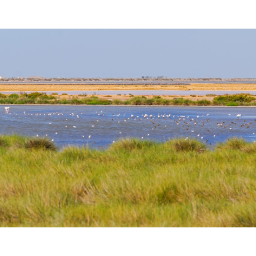
Marshlands
Is an area of land covered by water for long periods. They do not usually have trees but grass and other herbaceous plants which grow in the waterlogged rich soil deposited by rivers. There are 3 types of marshlands: tidal salt, tidal freshwater and inland freshwater. The tidal marshlands are shelter for migratory water birds, ducks, cormorants, insects, crustaceous, blackbirds, herrings and frogs.
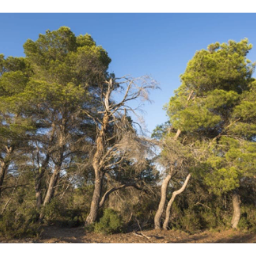
Mediterranean Forest
Mediterranean forests, woodlands and scrub ecoregions are characterized by hot and dry summers, while winters tend to be cool and moist. Most precipitation arrives during these months. These forests develop in regions with Mediterranean climate, where the carrasco pine predominates. They feature an extraordinary biodiversity of uniquely adapted animal and plant species, which can adapt to the stressful conditions of long, hot summers with little rain.
Natural Resources
Natural resources (pl.) are all the land, forests, energy sources and minerals existing naturally in a place that can be used by people. Natural resources are very valuable to human society as they contribute to their welfare and development, directly with the supply of raw materials, minerals and food, or indirectly, via environmental services.
Natural Spring Water
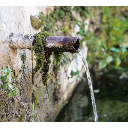
A spring is a natural discharge point of subterranean water at the surface of the ground or directly into the bed of a stream, lake or sea. Wells are holes excavated to bring water and other underground fluids to the surface. Water in springs, seeps and wells generally are originated as rainfall that has soaked into the soil and percolated into underlying rocks.
Noise Pollution
It is the sound increase with harmful impact on the activity of human or animal life. An example of that in Spain is the quaker parrot, that is a very noisy animal and causes a lot of discomfort in public spaces, such as parks and homes.
Olive Tree
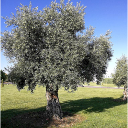
The olive tree, known scientifically as olea europea, belongs to the Oleaceae family and has been cultivated in our region since time immemorial, both for its fruit and for olive oil production, which is one of Andalusia's most important industries. The olive tree is an evergreen tree or shrub native to the Mediterranean areas, Asia and Africa.
Overpopulation
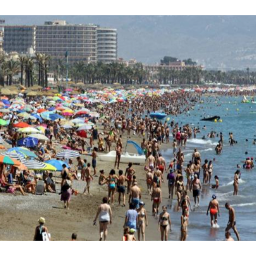
Overpopulation occurs when a species' population exceeds the carrying capacity of its ecological niche. It can result from an increase in births (fertility rate), a decline in the mortality rate, an increase in immigration or an unsustainable biome and depletion of resources. When overpopulation occurs, individuals limit available resources to survive. Touristic places could double or triple the population in high seasons.
Ozone
The ozone layer is a fundamental screen for the interception of lethal radiation for life on Earth. Its formation occurs mainly in the stratosphere at the most irradiated tropical latitudes, while global circulation then tends to accumulate it more at high latitudes and at the poles.

Pinsapo
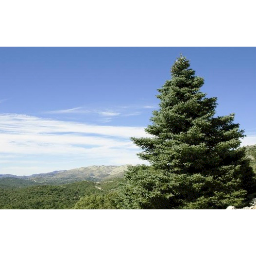
The Pinsapo is a species of spruce characteristic of Mediterranean climates with high rainfall. They are located in the south of the Iberian Peninsula and in the north of Morocco. All masses of pinsapos are in protected natural areas, especially in Sierra de las Nieves (Malaga).
Plagues
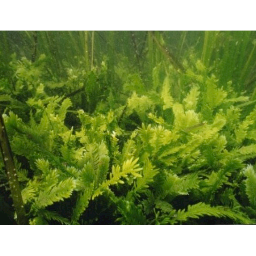
It refers to a sudden and massive appearance of living beings from the same species, which can lead to destruction of fragile ecosystems, the disappearance of native species and generate serious environmental problems. For instance, the caulerpa taxifolia is a species of seaweed which is a menace for the vast Mediterranean tapeweed.
Pollution
Introduction of contaminants into the natural environment that cause adverse change. It can take the form of chemical substances or energy, such as noise, heat or light. Pollutants, the components of pollution, can be either foreign substances/energies or naturally occurring contaminants. It was the Industrial Revolution that gave birth to environmental pollution as we know it today.
Population Imbalances
It refers to a modification of a species balance in an ecosystem by human involvement. The balance of an ecosystem may be disturbed due to the introduction of new species, the sudden death of some species, natural hazard or man-made causes.
Radioactive Contamination
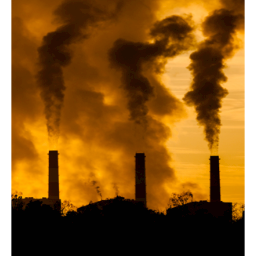
Also called radiological contamination, is the deposition of or presence of radioactive substances on surfaces or within solids, liquids or gases (including the human body), where their presence is unintended or undesirable. The Chernobyl disaster is considered the worst nuclear power plant accident in history. Romania was heavily contaminated by radioactive material from Chernobyl.
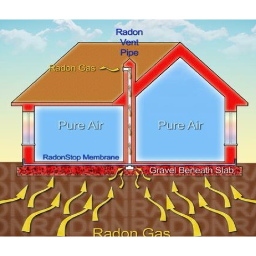
Radon
Radon is the chemical element that is represented by the symbol Rn in the periodic table and its atomic number is 86. Is a noble gas that comes from the natural decomposition of uranium present in the ground, rocks and water. It is odourless and tasteless and it tends to accumulate indoors like homes and workplaces. It becomes dangerous for human health if inhaled in significant quantities.
Reef
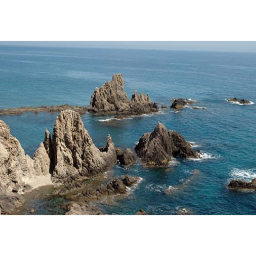
A reef is a bar of rock, sand, coral or similar material just above or below the surface of the sea. One of the best known reefs in Andalusia is the Siren Reef in Cabo de Gata (Almeria). It is a famous viewpoint from where you can observe Cabo de Gata beaches.
Renewable Resources
A renewable resource is one that can be used repeatedly and does not run out because it is naturally replaced. Renewable resources are a part of Earth's natural environment and the largest components of its ecosphere. A positive life cycle assessment is a key indicator of a resource's sustainability.
Rising Sea Level
Due to global warming, the glaciers in the Poles are melting, so the sea level increases and as a result, many places by the sea could get destroyed. In Spain, it increases 2-3 mm per year. As most of its population lives in coastal regions, it is at risk of rising sea level due to global warming.
River Drying
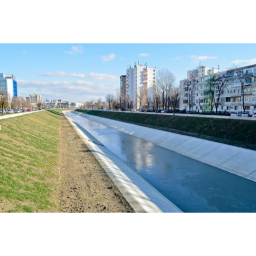
River drying is determined by the substantial decrease in the level of groundwater and the level of the flowing and standing water. River management is a continuous activity as rivers tend to 'undo' the modifications made by people. In some parts of the developed world, rivers have been confined within channels to free up flat flood-plain land for development.
Smog
This term arose to explain the dense and dark fog, which is formed on urban and industrial areas in the presence of high humidity and strong concentrations of polluting particles, released into the atmosphere by heating systems, traffic and industrial activities.
Solar Energy
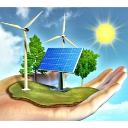
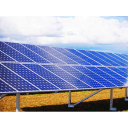
Solar energy is created by nuclear fusion that takes place in the sun. It is necessary for life on Earth and can be harvested for human uses such as electricity.There are 1644 solar energy centrals in Turkey. Those centrals are producing 1.020.000.000 kWh electrical energy.
Surface Water Acidification
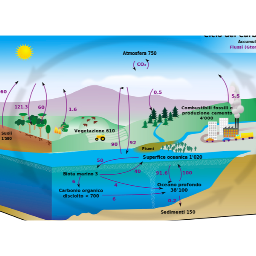
The acidification of the oceans is the name given to the decrease in the oceanic pH value, caused by the intake of anthropogenic carbon dioxide from the atmosphere. About a quarter of the CO2 present in the atmosphere ends up in the oceans where it turns into carbonic acid (H2CO3).
Tide
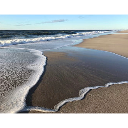
A tide is known as the rising and falling of the sea, usually twice in each lunar day at a particular place, due to the attraction of the moon and sun. In Mediterranean beaches, tides are very limited and their amplitude is very low, with only a few centimetres.
Torrential Rain
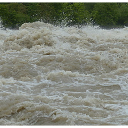
We use this word to describe the weather when rain falls copiously (22km/h to 30km/h). “Heavy rain” falling at a rate of greater than or equal to 7.6 mm of water per hour is considered to be torrential rain in Mediterranean areas. They are increasing due to global warming. If the town doesn't have enough drains or trees to absorb water, there will be a flood.
Transportation
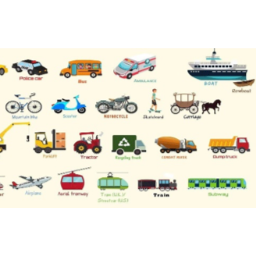
The environmental impact of transport is important because it is a major user of energy and burns most of the world's petroleum. This creates air pollution, including nitrous oxides and particles, and therefore, it is a significant contributor to global warming through emission of carbon dioxide. In Turkey, transportation releases a large amount of CO2 to the air and causes global warming.
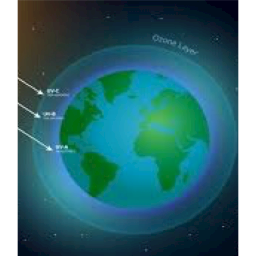
Ultraviolet Rays
The radiation coming from the Sun consists, on one side, of a flow of highly energetic particles consisting mainly of protons, electrons and helium nuclei (the so-called "cosmic radiation") and on the other side, of electromagnetic waves. The impact of ultraviolet radiation on human health has implications for the risks and benefits of sun exposure. Getting too much can be harmful, but in moderation, sun exposure is beneficial, because UV light causes the body to produce vitamin D, which is essential for life.
Uncontrolled Exploitation of Land Resources
Natural resources represent the totality of mineral deposits, arable land, forests and water available to a particular country. Excessive extraction of underground resources, extreme consumption and pollution have led to degradation and depletion of natural substrate.
Urban Overexploitation
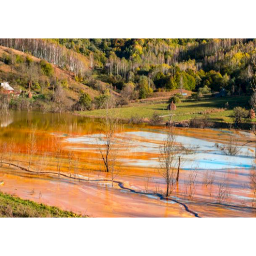
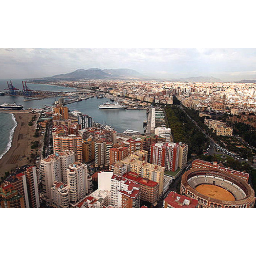
The urban agglomeration is a densely populated space in which social economics is based on tourism and development, leaving aside primary activities such as agriculture, livestock and fishing. This is present along the Mediterranean coastline, whose urban overexploitation to benefit touristic activities has allowed the overpopulation in many towns.
Waste
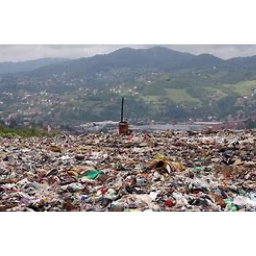
The term waste refers to the unwanted matter or material of any type, which is often left after useful substances or parts have been removed. Due to human activity, the increase of waste has become a problem. Thus, most countries are developing eco-friendly policies in order to promote recycling, separating organic matter from plastic, glass or paper in order to reduce their impact on nature.
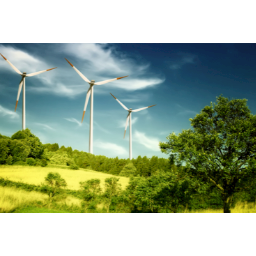
Wind Turbine
A wind turbine is a large tall structure with blades that are spinned by the wind and produce power to make electricity. Wind turbines are produced in the Aegean region. Today, there are 171 wind turbines in Turkey. These structures are still being installed in other regions of the country.
2. Bibliography.
www.merriam-webster.com/dictionary/environment
www.myenglishpages.com/site_php_files/vocabulary-lesson-environment.php
www.academia.edu/17284705/A_list_of_vocabulary_items_related_to_the_environment
en.wikipedia.org/wiki/Invasive_species
en.wikipedia.org/wiki/Desertification
www.climatechangepost.com/spain/desertification/
en.wikipedia.org/wiki/Noise_pollution
en.wikipedia.org/wiki/Sea_level_rise
www.Dw.Com/ro/azotul-un-pericol-din-ce-%c3%aen-ce-mai-mare-pentru-mediu/a-6101396
www.Descopera.Ro/stiinta/9352608-ploile-acide-moartea-care-vine-din-cer
adevarul.Ro/news/societate/goana-resurse-1_50ad48e87c42d5a663923ffd/index.Html
ro.Wikipedia.Org/wiki/resurse_naturale
ro.Wikipedia.Org/wiki/defri%c8%99are
ro.Wikipedia.Org/wiki/specii_amenin%c8%9bate
www.alambicco.unito.it
www.chimica-online.it
www.arpae.it/cms3
Ebook.scuola.zanichelli.it
waste.ideal.es/snvertebrados.htm
rjb.revistas.csic.es/index.php/rjb/article/view/359
skydayproject.com/torrential-rain
www.iberian-lynx.com/facts/
www.nationalgeographic.org/encyclopedia/marsh
www.cabogataalmeria.com/Cabo-Gata/Pueblos-Lugares/Visita-Turistica/Arrecife-Sirenas-Cabo-Gata.html
www.fondear.org/infonautic/Mar/El_Mar/Mareas/Mareas.htm
www.collinsdictionary.com/dictionary/english/fume
www.diariosur.es/costadelsol/torremolinos/
www.ucsusa.org/resources/cars-trucks-buses-and-air-pollution
3. Acknowledgements.
“The strengths are in our differences, not in our similarities”
“Las fortalezas están en nuestras diferencias, no en nuestras similitudes”
"Punctele forte le găsim în diferențele dintre noi și nu în asemănări."
"I punti di forza sono nelle nostre differenze, non nelle nostre somiglianze"
„Siła tkwi w naszych różnicach, a nie w naszych podobieństwach”
"Güçlü yanlarımız benzerliklerimizde değil farklılıklarımızda"
We thank the Green Alliance Team
that has made possible
this Final Task.
4. Participants.
Students
Aguilar Martín, Salvador
Aklık, Ferdi
Aleyna Ayfer Başarık
Altozano García, Amelia
Amadeo Peña, Enrique Cruz
Avilés, Elvira
Aybars Tunç Demetgül
Barbadilla Alcántara, Ana
Barbadilla Alcántara, Margarita
Barea, María
Bazon, Lavinia
Caballero Vaca, José Manuel
Cabello Atienza, Adriana
Cano, Sergio
Cemre Aliye Ülgen
Chamorro Rebollo, Natalia
Chen, Bi Ru Celia
Chojnacka, Natalia
Çiçek, Gamze
Danielov, Daniel
Del Cid Moreno, Jorge
Demera, Enrique
Di Lauro, Gennaro
Elçin Koşar
Erdem Akgün
Erkelens López, Mario
Ferrigno, Sabrina
Fırat, Yeniocak
Figen, Sude Sümer
Florczak,Wiktoria
Gallo Cortez, Isabella
Gálvez Montes, Naila
Gaspar López, Rocío
Gemmabella, Gabriele
Goral, Maria
Graf Puri, Martina
Guerra Lustres, Paula Eugenia
Işıl, Dinç
Jiménez Salas, Erik
Jurado Ruiz, Úrsula Irene
Lara Villar, Pablo
Lazarek, Gabriela
Luzardo Lúquez, Carmen Andrea
Mahlke, Luca
Marcinkowski, Tomasz
Márquez García, Lucía
Melis Gül, Pilevne
Moreno Madikian, Gastón
Moriel Díaz, Jorge
Nisan Nur Kılınç
Olmedo, David
Öykü Öztürk
Özge Eymir
Özgür Efe Erturan
Panțiru, Florin
Parra Sánchez, Álvaro
Pilevne, Melis Gül
Puerto, Alejandro
Rădeanu,Teodora Ilinca
Rocha Temporini, Neo
Sánchez Blázquez, Carla Argeme
Sánchez-Cerrudo Chaves, Emilio
Serra Öğütcen
Siani, Giuseppe
Sıla Abacı
Sude Arıcıoğlu
Sudenaz Kurt
Süme,Figen, Sude
Tătaru, Sabina
Toledo Moreno, David
Torres García, Belén Pilar
Trendafilov Sánchez, Yordan
Ülgen,Cemre Aliye
Velásquez,Yachay Julien
Ventre, Riccardo
Vizitiu, Andrei
Zeynep, Kaya
Teachers
Acun, İbrahim
Aignatoaiei, Irina
Apatachioae, Nicoleta
Birkan, Akar
Barbato, Biancamaria
Barrella, Gianna
Becerra, Antonio
Berbeneciuc, Alina Ancuta
Calonge, Maria
Capra-Grigoriu, Maria
Chihaia, Dan
Fasano, Giuseppe
Güçlü, Tuncay
Hidalgo, Sofía
Marcinkowska, Ewa
Osman, Erşan
Parras, Jose Miguel
Pelin-Costachi, Vasile
Pérez Bayarri, Alfonso
Pozo Villarrubia, Basilio
Prados, Daphne
Quill, Karen
Rivas, Rosa Luz
Sánchez, Mª José
Sánchez, Ana
Vtamanu, Simona
Walczak, Jacek
Yener, Yokuş
Yurter,Tevfik Cihat
Zelinschi, Carmen-Beatrice
Participating schools
“Colegiul Agricol și de Industrie Alimentară „Vasile Adamachi”, Iași, Romania
IES Cerro del Viento, Benalmádena, Spain
IIS Della Corte-Vanvitelli-Cava de' Tirreni, Italy
Nazilli Anatolian High School, Turkey
Zespol Szkolno-Przedszkolny w Debem, Poland
IES Costa del Sol, Torremolinos, Spain

- < BEGINNING
- END >
-
DOWNLOAD
-
LIKE(1)
-
COMMENT()
-
SHARE
-
BUY THIS BOOK
(from $7.59+) -
BUY THIS BOOK
(from $7.59+) - DOWNLOAD
- LIKE (1)
- COMMENT ()
- SHARE
- Report
-
BUY
-
LIKE(1)
-
COMMENT()
-
SHARE
- Excessive Violence
- Harassment
- Offensive Pictures
- Spelling & Grammar Errors
- Unfinished
- Other Problem





COMMENTS
Click 'X' to report any negative comments. Thanks!