 I would like to dedicate this to two of my friends, Ali Davis and
 Rachel Burrow for them letting me use them as monsters in
my story.
This book was created and published on StoryJumper™
©2010 StoryJumper, Inc. All rights reserved.
Publish your own children's book:
www.storyjumper.com

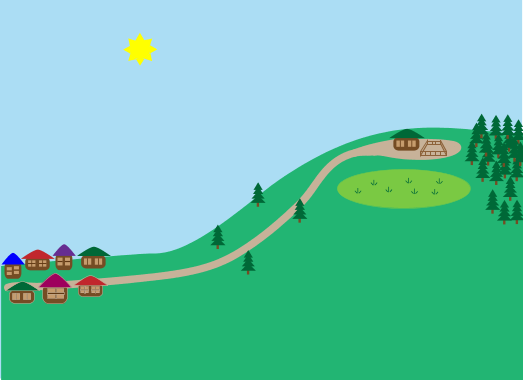


 This here is Ali and her friends!
2
Ali and her friends would like to teach you a little about land!

3


 Hello there! I'm Ali! And these are
 my two friends Rachel and Nicole!


4

 Today we're going to learn about
 the green revolution, traditional agriculture,
soil erosion, and soil conservation! Now doesn't
that sound exciting?!

5
 To begin, we're going to teach
 you the three main steps involved in
the green revolution so listen up!

6
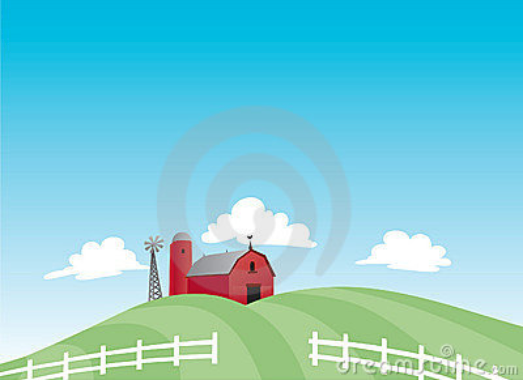
 The first step is developing and planting
 monocultures of selectively bred or genetically
engineered high yield varieties of key crops!


7

 Second, produce high yields by using large
 inputs of fertilizer, pesticides, and water!

8

 Thirdly, increase the number of crops grown
per year on your plot of land through multiple
cropping!

9

 This process has since 1950 shown most of the increase in
 global food production coming from increased yields per unit
of area.

10
 So wait, Rachel,
 aren't there more
than one
green revolution?
 You're right Nicole!
There's the first
and second green
revolution.

11
 Really? What's
 difference between
the two?
 Well Nicole, the first green revolution
is a high input approach which
dramatically increased crop yields in most
developed countries!
12
 The second revolution involves introducing fast
growing varieties of rice and wheat into
several developing countries in tropical and
subtropical climates.
 Oh wow! That's so
 interesting! And what's
the second revolution?

13

 Oh so the first revolution
involves developed
countries and the second
revolution is in developing
countries?
 You got it!
14
 The great thing about the green revolution
is that farmers have a better control on
pests and insects, it increases yield, and
protects biodiversity!

15
 Lets head on over to the plot
of land where we can learn all new
kinds of agriculture!
 That sounds like a
 great idea! Lets go!
Follow me!

16
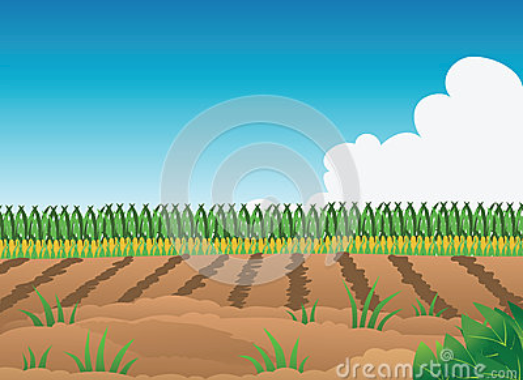
 Great! Now that we're here, why
 don't we start with the growing
techniques in agriculture?

 Here we are!
17
 That sounds like
a fantastic idea!
18
 Right! Intercropping and
interplanting are practices
farmers use to simultaneously
grow several crops on the same
plot of land at the same time.
 Traditional practices
farmers use are
interplanting and
intercropping!

19
 There are four types of interplanting
strategies: Polyvarietal cultivation, intercropping
agroforestry/alley cropping, and polyculture.
20
 It is! But they're easy to remember
 and they help people's farm land!
Polyvarietal involves planting a plot
with several varieties of the same
crop. Agroforestry is where crops and
trees are grown together.
 That seems like a lot
of different strategies
farmers use!
21
 And lastly, we already
 learned about intercropping!
This is where you can have two or
more different crops and plant them
at the same time! For example you
could plant this radish and carrot
together on the same plot of land!
 And don't forget about
 polyculture! This is where many different
plants maturing at various times are
planted together.


22
 That's right! Land degradation, human
 activity, and natural effects could lead
to soil erosion. That's why you want to
take good care of your soil!

 Now if you don't properly
take care of your land it could
lead to soil erosion!

23

 Land degradation occurs when
natural or human
induced processes decrease
the future ability
of land to support crops,
livestock, or wild species!
 Wait, you said something about
 land degradation? What is that?

24
 Yep! But soil erosion has
major harmful effects like loss
of soil fertility, and occurs when
eroded soil ends up as
sediment in nearby surface
waters where it can pollute water.
 Oh, that
 makes sense!

25
 Yeah! Desertification is the
 productive potential of arid
or semiarid land falls by 10%
or more because of a combo
of natural climate change that causes
prolonged drought and human activities
that reduce or degrade topsoil.

 What some people
 don't think a lot about
is desertification.
26
 That sounds like a good idea!
 Now lets talk about
conservation of soil!

27
You've previewed 27 of 42 pages.
To read more:
Click Sign Up (Free)Benefits:
- Full access to our public library
- Save favorite books
- Interact with authors
28

READ

- < BEGINNING
- END >
-
DOWNLOAD
-
LIKE(1)
-
COMMENT()
-
SHARE
-
SAVE
BUY THIS BOOK (from $8.39+)
-
BUY THIS BOOK
(from $8.39+) -
BUY THIS BOOK
(from $8.39+) - DOWNLOAD
- LIKE (1)
- COMMENT ()
- SHARE
- SAVE
- Report
Liked By
X
Encourage this author
-
BUY
-
LIKE(1)
-
COMMENT()
-
SHARE
Problem with this book
X
- Excessive Violence
- Harassment
- Offensive Pictures
- Spelling & Grammar Errors
- Unfinished
- Other Problem
Which pages have problems?
Please describe the problem:
left text
right text
"Learning about Land"
Ali and her friends educating people on the green revolution, traditional agriculture, soil erosion, and soil conservation.
(43 pages)
Privacy level:
PUBLIC
Teacher can see this book
52 reads
1 fan
Report





COMMENTS
Click 'X' to report any negative comments. Thanks!