
What are families/groups?
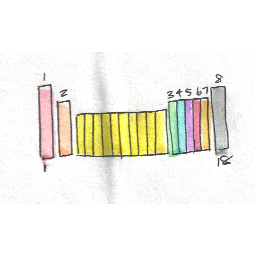
Groups, or families, are the vertical columns of the periodic table. Elements in the same group have equal amounts of valence electrons, which makes them have similar chemical and physical properties. Elements in the same group also contain the same amount of reactivity as the other elements in its group. There are 18 groups in the Periodic Table, starting with the Alkali Metals to Noble Gases.
What are periods?
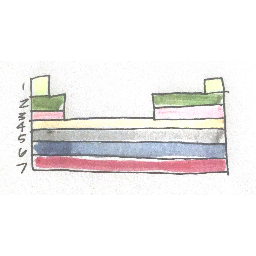
Periods are the horizontal rows on the periodic table. Elements that are in the same period have the same number of energy levels or shells.
The periods are placed/ranked based on how many shells there are, starting with one shell and gradually increasing as they go down.
Protons!
Protons are also equal to the atomic number of the element and the amount of electrons there are. Protons have a mass of about 1u. Protons also contain a positive charge, balancing out the charge with the electrons. Protons not only define what the element is, but they also determine the chemical behavior of the element. Elements are placed from left to right and top to bottom by the number of protons (atomic number) as the atomic number increases.

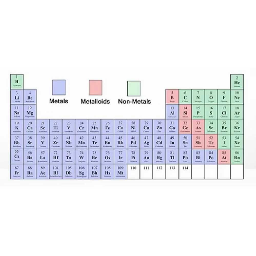
Metals are on the left side of the periodic table or staircase. They are malleable, ductile, lustrous, and good conductors of heat and electricity.
Metalloids are the "staircase". There are only 7 metalloids, those being B, Si, Ge, As, Sb, Te, and At. They are semi-malleable, semiconductors, and semi-ductile.
Non-metals are on the right side of the periodic table or staircase. They are brittle, dull, nonconductors, and can be gaseous.
Valence electrons are the electrons in the outermost energy level/shell. The amount of valence electrons plays a big factor in the reactivity of an element. 1, 2, 6, and 7 are extremely reactive, while 8 is nonreactive. 3, 4, and 5 are semi reactive. This is because the closer an atom is to have a full or empty energy level, the more it wants to become stable and full.
There are 18 families/groups, but we mainly focus on 9 of them.
Alkali Metals
Alkaline Earth Metals
Transition Metals
Boron Family
Carbon Family
Nitrogen Family
Oxygen Family
Halogens
Noble Gases
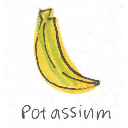
Alkali Metals are elements in Group one of the periodic table. Every element in group one have one valence electron and are highly reactive. Because they are so reactive, you cannot find them in their uncombined form in nature because they can react to just about anything in the atmosphere. They are shiny, soft, and silvery, and can react easily with temperature and pressure. You can use Na (Sodium) which is a part of salt and K, potassium, is really good for your body, (it's in Bananas) and relieves muscle cramps by relaxing muscle tension.

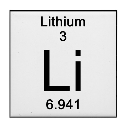
Sodium Potassium Lithium

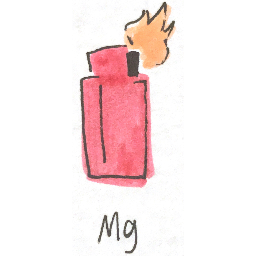
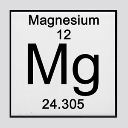
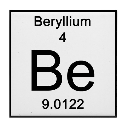
Alkaline Earth Metals are elements in Group two of the periodic table. Every element has two valence electrons in this group and are also highly reactive. They are shiny, silvery-white, less reactive at temperature and pressure than group one but still pretty reactive, low densities, low melting points, and low boiling. Calcium (Ca) is good for your bones and growth and Magnesium (Mg) is pretty flammable, so they are found in lighters, etc.
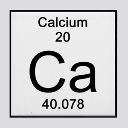
Beryllium Magnesium Calcium
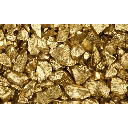
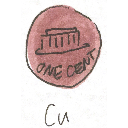
Transition Metals are a label for a very big group of families. Transition Metals have a high density and high melting and boiling points due to metallic bonding. They are good conductors and basically have all the properties that metals, in general, have. Gold and Copper falls into the Transition Metal Group. We use copper in pennies (money) and gold in small things like jewelry.
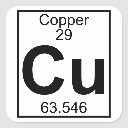
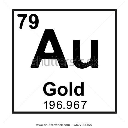
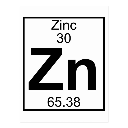
Copper Gold Zinc
Borons are sometimes considered as post-transition metals, meaning that they have some qualities of metals, but not all. Boron, the element, is a metalloid, but the other elements in this family are considered complete metals. This group is semi-reactive, they have 3 valence electrons, so you can find most of them in their uncombined form. Aluminum is used in a lot of things like Aluminum Foil and Boron is used to make bleach.
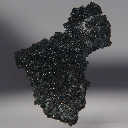
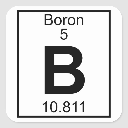
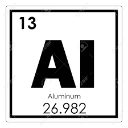
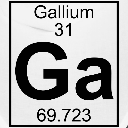
Boron Aluminum Gallium
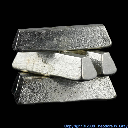
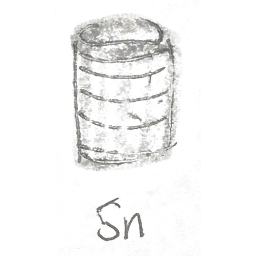
The Carbon Family has elements that are Nonmetal, Metal, and a Metalloid, so they all vary in physical attributes. All of the elements are found uncombined, due to being only semi-reactive (they have four valence electrons). Tin is used in lot of cans that we use and Silicon is used in a lot of baking molds and reusable materials.
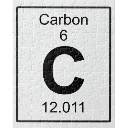
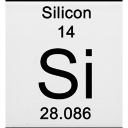
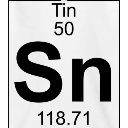
Nonmetal Metalloid Metal
Carbon Silicon Tin
The Pnictogen Family, also known as the Nitrogen Family, is the fifteenth group on the periodic table. This group contains metals, metalloids, and nonmetals, like the carbon family, so the physical attributes vary. You can find most of the elements in their uncombined form due to having five valence electrons, making them semi-reactive. Arsenic is used as a poison and Nitrogen is used in dyes.
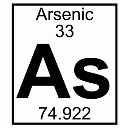
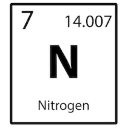
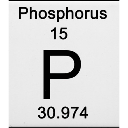
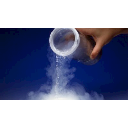
Arsenic Nitrogen Phosphorus
- Full access to our public library
- Save favorite books
- Interact with authors
- < BEGINNING
- END >
-
DOWNLOAD
-
LIKE(1)
-
COMMENT()
-
SHARE
-
SAVE
-
BUY THIS BOOK
(from $3.99+) -
BUY THIS BOOK
(from $3.99+) - DOWNLOAD
- LIKE (1)
- COMMENT ()
- SHARE
- SAVE
- Report
-
BUY
-
LIKE(1)
-
COMMENT()
-
SHARE
- Excessive Violence
- Harassment
- Offensive Pictures
- Spelling & Grammar Errors
- Unfinished
- Other Problem






COMMENTS
Click 'X' to report any negative comments. Thanks!