-Amina M.

Groups (Families)
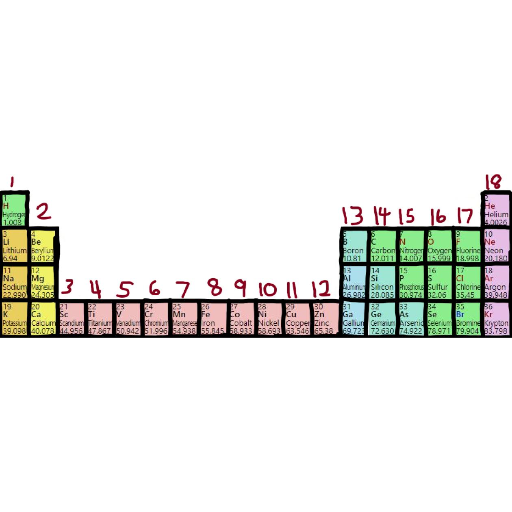
A group is a vertical column on the periodic table. There are numbers on top of each column. A group shares similar physical and chemical properties; that's why groups are also called families. Using group numbers, you can identify the number of valence electrons an element has. Currently, there are 18 groups in the periodic table.
*This is a part of a periodic table from ptable.com that was adjusted.
Periods
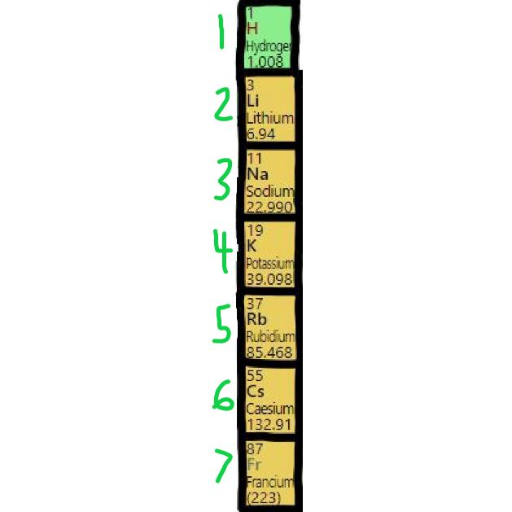
A period on the periodic table is a horizontal row. There are numbers on the left side of each row. A period determines the number of energy shells, or orbitals, that row has. For example, Period 1 had 1 energy shell, Period 2 has 2 energy shells, and etc. Right now, there are 7 periods on the periodic table.
*This is a part of a periodic table from ptable.com that was adjusted.
Protons
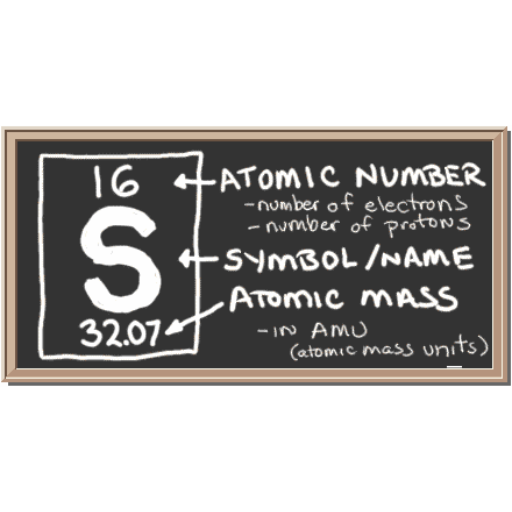
Protons are a positively charged particle that is located in the nucleus of an atom. The number of protons is equal to the atomic number on the periodic table. The number of protons in an atom establishes the identity of the element an atom belongs to. Protons weigh about 1 AMU.
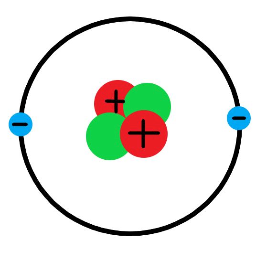
*Protons are red in this diagram of a Helium atom.
Electrons and Neutrons
Electrons are negatively charged particles that circle around the nucleus. They determine an atom's reactivity. Electrons weigh about 0 AMU.
Neutrons have a neutral (no) charge. They separate the protons. Neutrons and protons combined make the nucleus. Neutrons weigh a little more than 1 AMU.
*Electrons are blue and Neutrons are green in this diagram of a Helium atom.
Metals
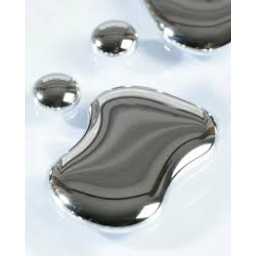
Metals are malleable, lustrous, good conductors of electricity and heat, and ductile. Metals are solid at room temperature with the exception of Mercury (which is a liquid at room temperature).
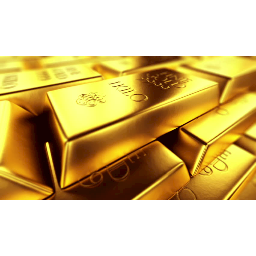
Gold
Mercury
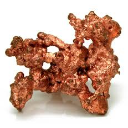
Copper
Nonmetals
Nonmetals are not malleable, ductile, lustrous, or conductors of heat and electricity. Nonmetals are either a solid or gas at room temperature with the exception of Bromine (which is a liquid at room temperature).
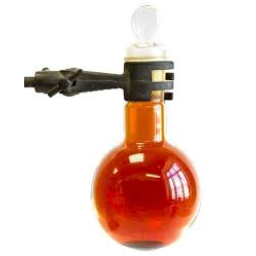
Bromine
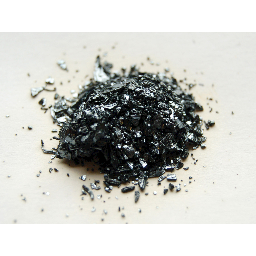
Iodine
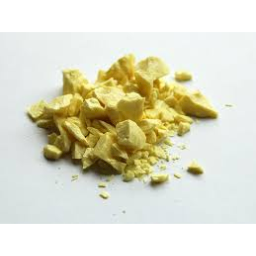
Sulfur
Metalloids
Metalloids are in between metals and nonmetals.
Metalloids are somewhat malleable, ductile, and lustrous. They are semiconductors of heat and electricity. All metalloids are solid at room temperature.
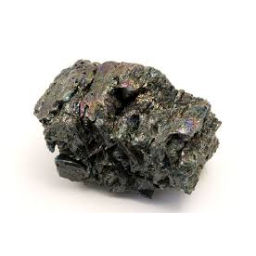
Silicon
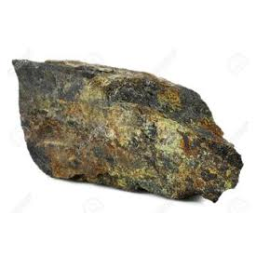
Boron
Astatine
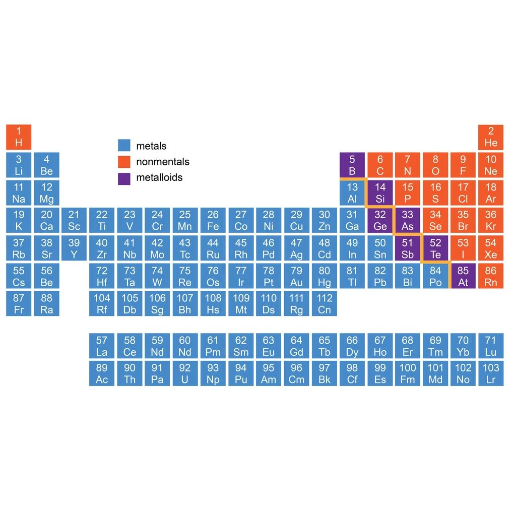
All of the metals are on the left side of the periodic table. The metalloids are on the staircase line (orange line), and all of the nonmetals are on the right of the metalloids with the exception of Hydrogen which placed with the metals.
Valence Electrons
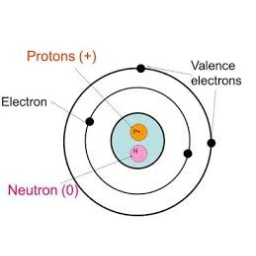
Valence electrons are the electrons on the outermost energy shell and are the farthest away from the nucleus. Valence electrons make chemical reactions occur when they join another atom of a different element. You can find the number of valence electrons in an atom by looking for its element group number on the periodic table. For example, Group 1 elements have 1 valence electron, Group 2 elements have 2 valence electrons, and etc. Elements on the right side of the periodic table (excluding the Noble Gases) want to gain an electron(s), and the elements on the left side want to donate an electron(s).
Let's dig deeper into families on the periodic table
(Alkali Metals, Alkaline Earth Metals, Transition Metals, Boron Group, Carbon Group, Pnictogens, Chalcogens, Halogens, Noble Gases)
Alkali Metals
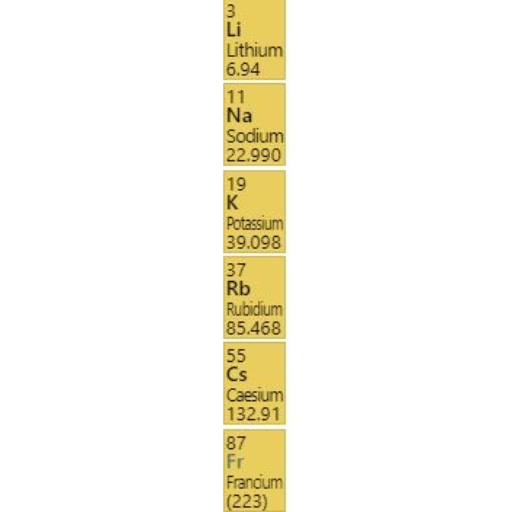
Alkali metals are all of the elements in Group 1*.
Elements in this group have one valence electron.
Physical Properties: Lustrous, soft, low melting points and densities, and good conductors of electricity and heat.
Chemical Properties: Alkali metals react violently with water, halogens, and acids. They need to be placed under oil to prevent them from reacting.
Elements in this group: Lithium, Sodium, Potassium, Rubidium, Caesium, and Francium.
*Hydrogen is not a metal and does not have the properties of metals. While it is in Group 1, it is not considered to be a part of the Alkali Metals family.
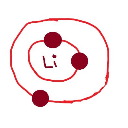
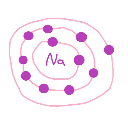
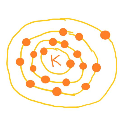
BOHR Models for Lithium, Sodium, and Potassium.
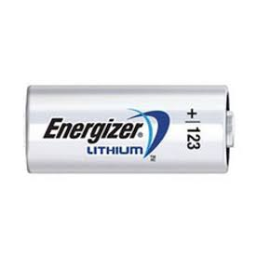
Lithium is used in the manufacture of aircraft and in certain batteries. It's also used in mental health (Lithium carbonate).

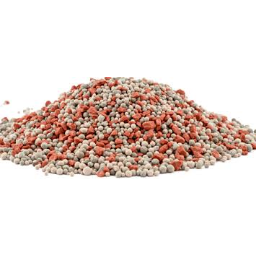
Potassium is used in potassium chloride (KCl) which is used to make fertilizers. This is because potassium is important for plant growth.
Rubidium is used in the manufacture of photocells and in special glasses.

Alkaline Earth Metals
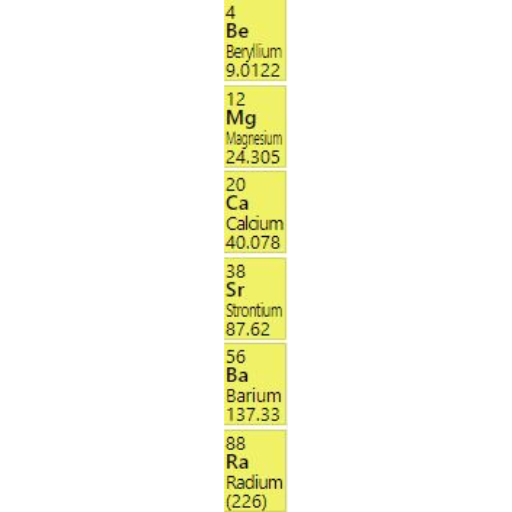
Alkaline Earth Metals are all of the elements in Group 2. Elements in this group have two valence electrons.
Physical Properties: Lustrous, silvery-white, low densities, and low boiling and melting points, good conductors of electricity and heat.
Chemical Properties: Somewhat reactive metals at standard temperature and pressure. They are ready to give up their 2 valence electrons.
Elements in this group: Beryllium, Magnesium, Calcium, Strontium, Barium, Radium.
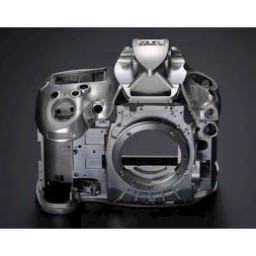
Magnesium is used in products that benefit from being lightweight, such as car seats, luggage, laptops, cameras and power tools.

Barium is mostly used in drilling fluids for oil and gas wells. It is also used in paint and in glassmaking.

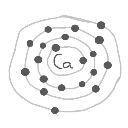
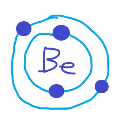
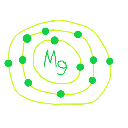
BOHR Models for Beryllium, Magnesium, and Calcium
Strontium is best known for the brilliant reds its salts give to fireworks and flares.

Transition Metals are all of the elements in Group 3-12. Their number of valence electrons will vary.
Physical Properties: They are good conductors of heat and electricity, they can be hammered or bent into shape easily, they have high melting points (but mercury is a liquid at room temperature), they are usually hard and tough, and they have high densities.
Chemical Properties: Makes compounds that are often paramagnetic, colored ions and compounds, compounds with profound catalytic activity, stable complexes, show variable oxidation states
Elements in this group: Scandium, Titanium, Iron, Copper, Iridium, Platinum, Gold, Mercury, and many more.
Transition Metals
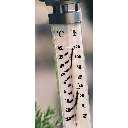
Mercury is used in laboratories for making thermometers, barometers, diffusion pumps, and many other instruments.
Platinum is used in vehicles, jewelry, decoration, and dental work.
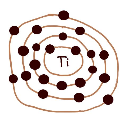
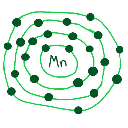
Scandium is used in aerospace industry components and for sports equipment such as bicycle frames and fishing rods.

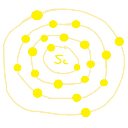
BOHR Models for Scandium, Titanium, and Mangansese.

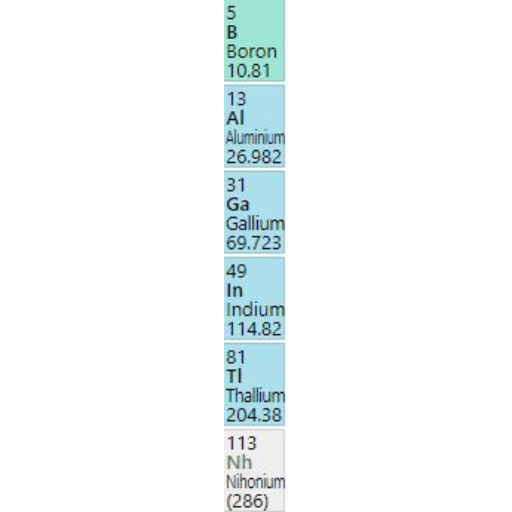
The Boron Group are all of the elements in Group 13. Elements in this group have three valence electrons.
Physical Properties: All elements in this group have properties of and are metals, expect for Boron which is a metalloid. Most of these elements are soft.
Chemical Properties: All the elements of this family blaze in oxygen at high temperatures.
Elements in this group: Boron, Aluminium, Gallium, Indium, Thallium, and Nihonium.
Boron Group
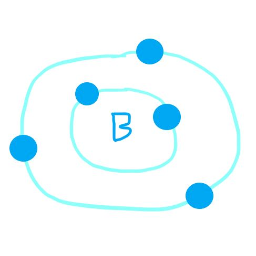
Boron is used as a rocket fuel igniter and in pyrotechnic flares. It gives the flares a distinctive green color.

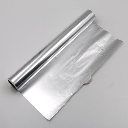
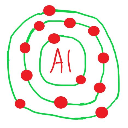
Aluminum is used in a huge variety of products including cans, foils, kitchen utensils, window frames, and airplane parts.

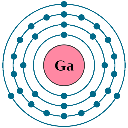
Gallium is a soft, silvery metal used primarily in electronic circuits, semiconductors and LEDs.

BOHR Models of Boron, Aluminium, and Gallium.
- Full access to our public library
- Save favorite books
- Interact with authors
- < BEGINNING
- END >
-
DOWNLOAD
-
LIKE
-
COMMENT()
-
SHARE
-
SAVE
-
BUY THIS BOOK
(from $5.99+) -
BUY THIS BOOK
(from $5.99+) - DOWNLOAD
- LIKE
- COMMENT ()
- SHARE
- SAVE
- Report
-
BUY
-
LIKE
-
COMMENT()
-
SHARE
- Excessive Violence
- Harassment
- Offensive Pictures
- Spelling & Grammar Errors
- Unfinished
- Other Problem






COMMENTS
Click 'X' to report any negative comments. Thanks!