This story is dedicated to our principals, teachers and students in Kuo Chuan Presbyterian Primary School and our partner, Winthrop Primary School (Perth, Australia).
We hope this book will inspire you to make environmentally-friendly choices and in turn you will encourage your friends and family to do the same. Every little effort counts. Make 'Go Green Our Way of Life'.

This is a story about the past, the present and the future world that you and I will leave for our future generations if we do not change our ways.
Meet Ben, a typical teenager living in a world of disposable plastics.
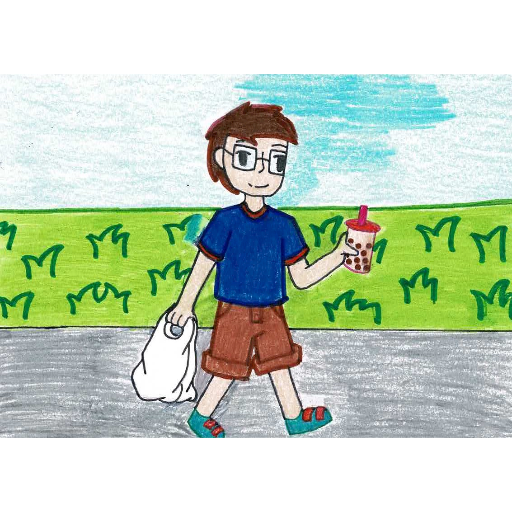
disposal plastic cup
Disposal plastic bag
Ben does not think much about the environment. He uses disposable plastic bags, containers and straws and throws them away without a second thought.
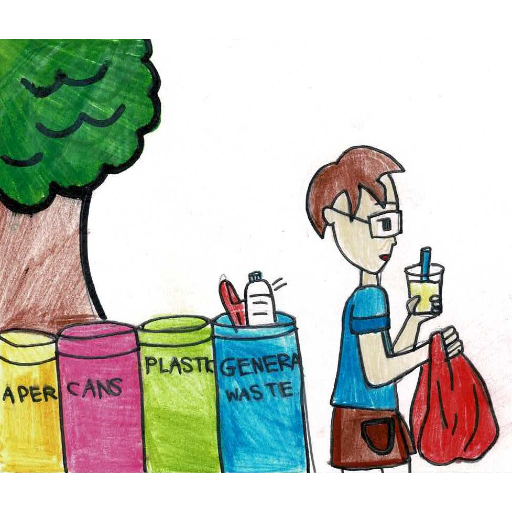
One day, he is approached by a school girl. She is volunteering in a community outreach programme, encouraging people to reduce, reuse and recycle plastics.
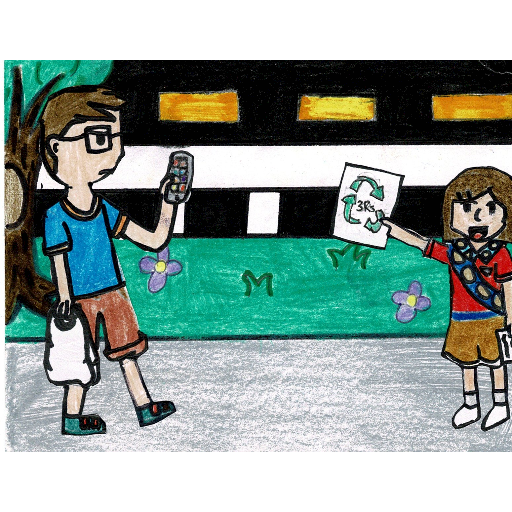
Hi, may I share with you why it is important to reduce, reuse and recycle?
I'm not interested! I've better things to do!
But, Sir...
Ben returns home and goes back to his routine of using disposables thoughtlessly.
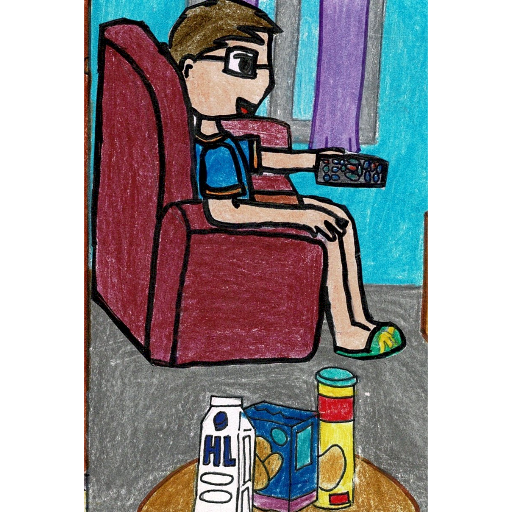
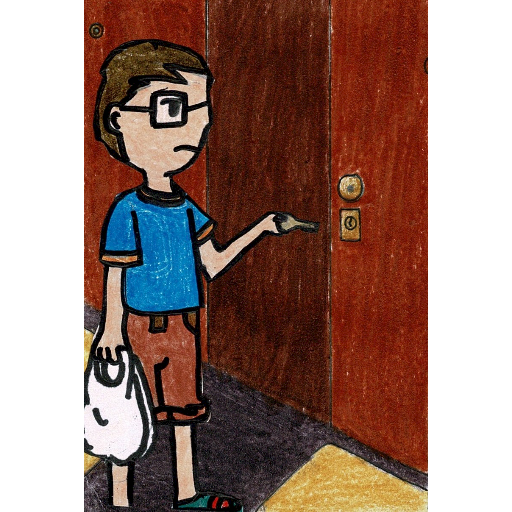
Why should I reduce, reuse or recycle? What a waste of time! I won't let that girl spoil my mood.
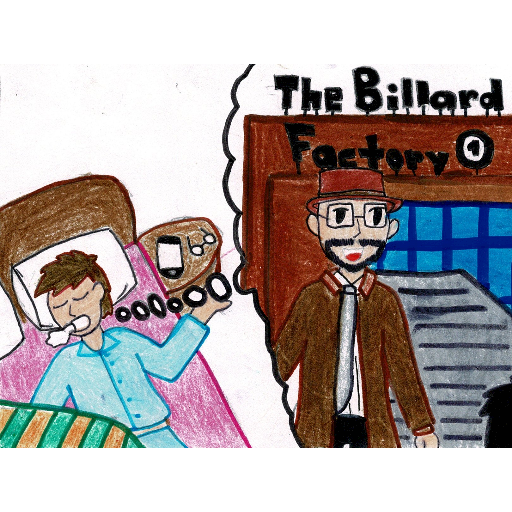
That night, Ben has a dream.
He dreams that he is transported to 1870. There,
he is approached by a bright-eyed and cheerful gentleman.
That man is John Wesley Hyatt, the inventor of synthetic plastic.
Hi, I'm John Wesley Hyatt.
Mr Hyatt explained how the first synthetic plastic came about...
At that time, ivory was used to make billiard balls. There was a shortage of ivory as elephants were hunted to the verge of extinction. Hence,
a new material was needed to make billiard balls.
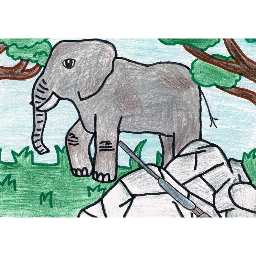
A reward of $10,000 was offered to anyone who could find a substitute for ivory balls.
This motivated me to come up with my invention.
Mr Hyatt discovered the process for making celluloid, the first artificial plastic.
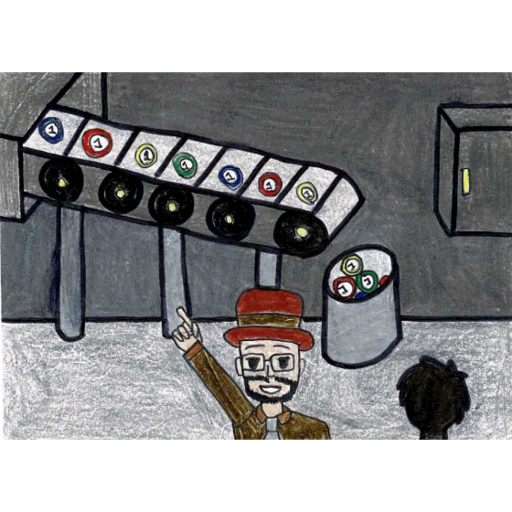
Welcome to my factory where we make plastic billiard balls!
Celluloid was a suitable material to make many useful objects. It was later named plastic. Since then, plastics have became a major part of our lives because they are convenient, durable and inexpensive to produce.
However, Mr Hyatt was deeply disturbed that disposable plastics were non-biodegradable and warned Ben about the environmental harm plastics could bring.
Throwing away plastics that are non-biodegradable will pollute the environment.
Ben wakes up, thankful for the invention of plastic. He cannot imagine life without plastic. He forgets about Mr Hyatt's warning.
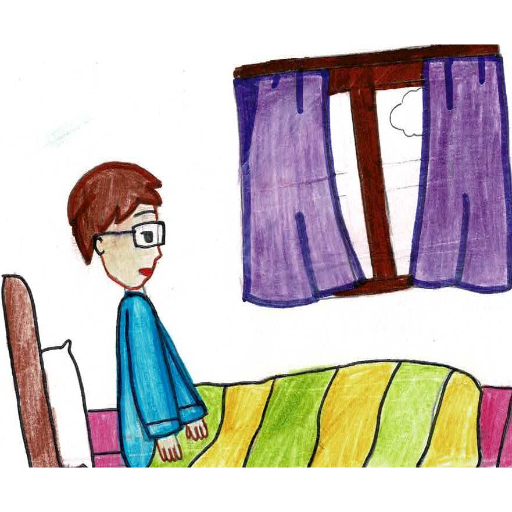
He continues using one-time use disposables like plastic bags and straws carelessly, disregarding the 3Rs.
The following night, Ben has another dream.
He is now in the Future.
He dreams of a world in which marine creatures desperately cry out for help as they are drowning in an ocean of plastics.
Earth is no longer fit for life. It is filled with mountains of plastic waste.
Marine animals often eat microplastics which contain toxic chemicals. When humans eat them, they ingest the toxins too.
Earth has become a toxic wasteland which can no longer support any form of life.
RINGGGGGGG!
Ben wakes up in cold sweat.
After seeing what a wasteland Earth has become, Ben realises how damaging plastic waste is to the environment and what will happen if everyone does not change their ways of using plastic.
Ben decides to turn over a new leaf and change his ways. He brings his own reusable containers for bubble tea and takeaways, says no to using
single-use disposables like plastic bags and straws.
Ben also becomes an advocate for the environment to save mankind and the animals, spreading the message to people to practise 3Rs for a better world.
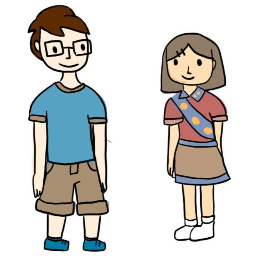
Earth is the only home we have. So, we have to play our part by practising 3Rs - Reducing the use of plastic, Reusing and Recycling plastics.
Take part in a quiz to find out how well
you have understood the story!
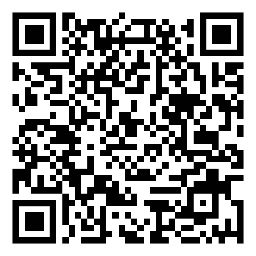
Scan the QR code below and answer all the questions.
Notes for Parents and Educators
Our future generations will inherit the Earth we leave them, so we have the responsibility to not only do our part to practise the 3Rs, but also impress upon them the need to do so. If not, what Ben sees in his dream of Earth in the future will come to pass.
Plastics are used widely and seem indispensable in our lives. However, plastics that we throw away carelessly end up polluting the Earth.
Scan the QR code to find out what happens when the disposable plastic bottle is thrown away.

E.M. (n.d.). What really happens to the plastic you throw away - Bryce Emma. TEDEd. https://www.youtube.com/watch?v=_6xlNyWPpB8&list=PLVaZZ-1xi2Ll8BuoE7yOoWrw8qOJ493a9
The 3Rs - Reduce, Reuse, Recycle
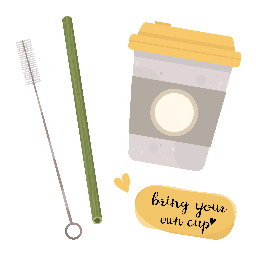
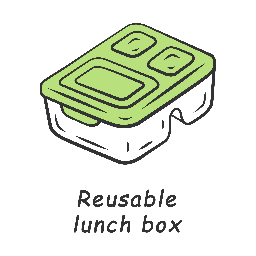
Reduce the amount of disposable plastics used by:
- using reusable plastics or other alternatives
- taking a reusable shopping bag to the shops and
malls
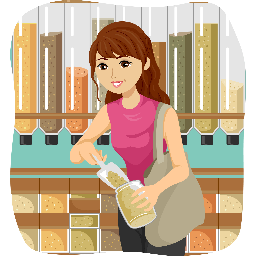
- buying food in bulk and less packaged products
(E.g. rice, noodle, flour, cereal, lotion, etc.)
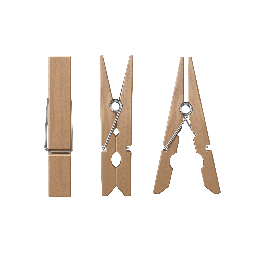
- hanging clothes to dry with wooden pegs instead
of plastic ones
- giving the plastic packaging a new purpose
Reuse plastics by:
- Upcycling: turning them into crafts for decorative purposes
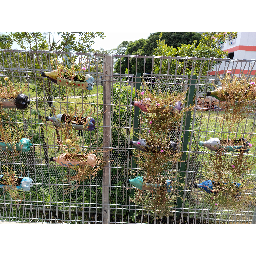
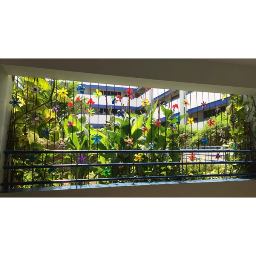
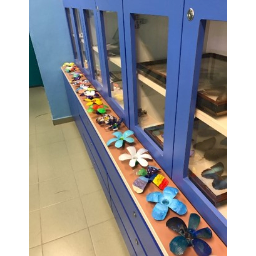
Plastic bottles are used as hanging flower pots for vertical planting and decorations to beautify the school.
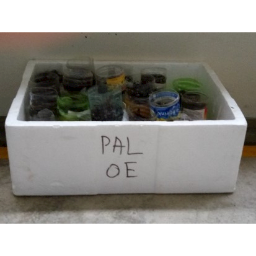
- turning used plastic bottles and food
containers into flower pots, watering
containers etc.
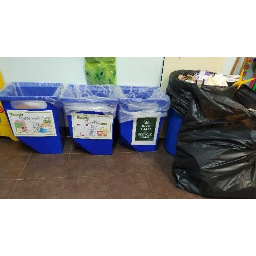
- lining rubbish bins
Recycle plastics by:
- disposing recyclable plastics properly into
the correct recycling bins
- rinsing plastic containers and drying them
before throwing them into the recycling
bins
- not contaminating recyclable plastics in the recycling bins with food or liquids
Infographic adapted from: Reduce-Reuse-Recycle 3R. (n.d.). [Pdf]. https://www-nea-gov-sg-admin.cwp.sg/docs/default-source/resource/3r-poster.pdf
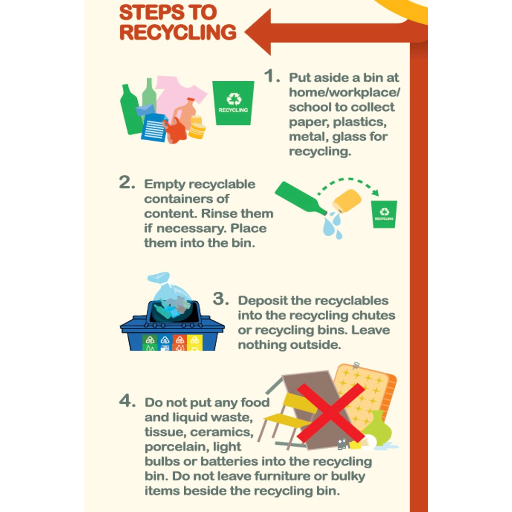
Follow these steps to recycle correctly.
Do you know that not all plastics can be recycled? Check out the table on the right!
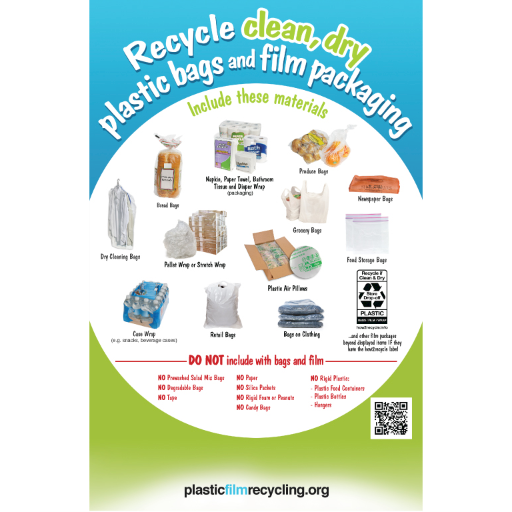
Recycle clean, dry plastic bags and film packaging. (n.d.). [Infographic]. https://melrecyclingcommittee.wordpress.com/2014/12/04/what-to-do-with-plastic-bags/
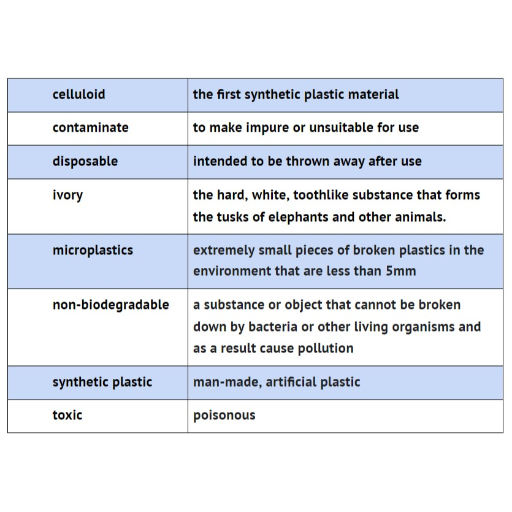
Glossary
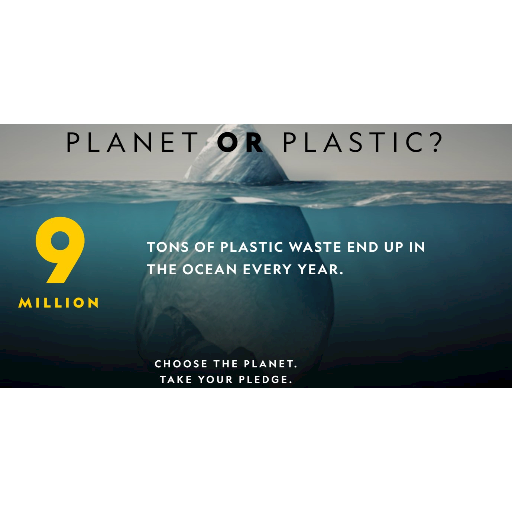
Plastic Pledge. (n.d.-a). National Geographic. https://www.nationalgeographic.com/environment/plasticpledge/
Scan and pledge today!

Acknowledgements
Credit goes to our pupils whose contributions to the story concepts and premise, illustrations and quiz have made this e-book what it is. They are Ariel Lau, Bosco Ng, Caelan Chan, Estelle Wong, Hanna Ling, Jayden Choo, Lynette Khoo, Natalie Ho,
Sophia Foo, Samantha Tan and Tobey Teh.
Many thanks to Mr Ronnie Quek for providing technical assistance. Your support helped us connect with Winthrop Primary School.
Special thanks to the wonderful partnership we have with Winthrop Primary School. And
thank you, Miss Jenny Cotham for bringing together your team of pupils to share their practices with our team here.
- < BEGINNING
- END >
-
DOWNLOAD
-
LIKE(1)
-
COMMENT()
-
SHARE
-
BUY THIS BOOK
(from $8.79+) -
BUY THIS BOOK
(from $8.79+) - DOWNLOAD
- LIKE (1)
- COMMENT ()
- SHARE
- Report
-
BUY
-
LIKE(1)
-
COMMENT()
-
SHARE
- Excessive Violence
- Harassment
- Offensive Pictures
- Spelling & Grammar Errors
- Unfinished
- Other Problem





COMMENTS
Click 'X' to report any negative comments. Thanks!